Behind the Covers

minimalist

82 cover stories in our archive

Behind the Covers' archive includes 82 album covers documented under the "minimalist" design theme, spanning the 1950s, 1960s, 1970s, 1980s, 1990s, 2000s, 2010s, 2020s. These covers sit within the metal, hip-hop, pop, r&b, country, rock, alternative, indie, folk, electronic, soul, funk, blues, punk, jazz tradition and feature work by Danzig, Madvillain, Tyler, The Creator, Kendrick Lamar and others. Each entry below includes the cover artwork, the designers and photographers behind it, and a short story about the visual choices that defined the release.

Danzig by Danzig — album cover art

Danzig by Danzig (1988)

The demonic skull adorning Danzig's debut was drawn by Glenn Danzig himself, but lifted from Marvel comic artist Michael Golden's cover for Crystar #8. The minimalist white skull on black background became one of metal's most iconic covers without any text or band identification.

Label
Def American Recordings
Designer
Glenn Danzig
Genre
Metal
Decade
1980s
Read the full story →
Madvillainy by Madvillain — album cover art

Madvillainy by Madvillain (2004)

A stark grayscale portrait of MF DOOM in his metal mask, shot at Stones Throw's LA house and designed by Jeff Jank. The minimal composition features a distinctive orange square accent.

Label
Stones Throw Records
Designer
Jeff Jank
Photographer
Eric Coleman
Genre
Hip-Hop
Decade
2000s
Read the full story →
CHROMAKOPIA by Tyler, The Creator — album cover art

CHROMAKOPIA by Tyler, The Creator (2024)

Tyler, The Creator's album cover for CHROMAKOPIA captures the theatrics of 1950s film noir with its sepia-toned imagery. The masked rapper, photographed by Luis Perez, conjures classic Hollywood glamour while concealing his identity behind a specially crafted ceramic mask.

Label
Columbia Records
Photographer
Luis Perez, conjures classic Hollywood glamour while concealing his identity behind a specially crafted ceramic mask
Genre
Hip-Hop
Decade
2020s
Read the full story →
GNX by Kendrick Lamar — album cover art

GNX by Kendrick Lamar (2024)

Photographed by Dave Free with lighting direction by Eduardo Silva, the stark black-and-white cover shows Kendrick posed with his 1987 Buick Grand National Experimental. The minimalist composition reflects pgLang's creative direction, connecting Lamar's birth year to automotive legacy.

Label
PGLang/Interscope Records
Photographer
Dave Free with lighting direction by Eduardo Silva, the stark black-and-white cover shows Kendrick posed with his 1987 Buick Grand National Experimental
Genre
Hip-Hop
Decade
2020s
Read the full story →
Debí Tirar Más Fotos by Bad Bunny — album cover art

Debí Tirar Más Fotos by Bad Bunny (2025)

Two white plastic chairs sit against a plantain tree backdrop in this deceptively simple cover that celebrates Puerto Rican identity. The ordinary objects transform into symbols of community, memory, and cultural resistance through Bad Bunny's artistic vision.

Label
Rimas Entertainment
Genre
Hip-Hop
Decade
2020s
Read the full story →
HIT ME HARD AND SOFT by Billie Eilish — album cover art

HIT ME HARD AND SOFT by Billie Eilish (2024)

Shot entirely underwater in a 20x20x10 foot heated tank, the cover depicts Eilish submerged in deep blue water, creating visual tension between soft intimacy and hard environment. The seven-hour shoot required Eilish to hold her breath for extended periods without breathing equipment.

Label
Darkroom/Interscope Records
Designer
Bandicoot Design
Photographer
William Drumm
Genre
Pop
Decade
2020s
Read the full story →
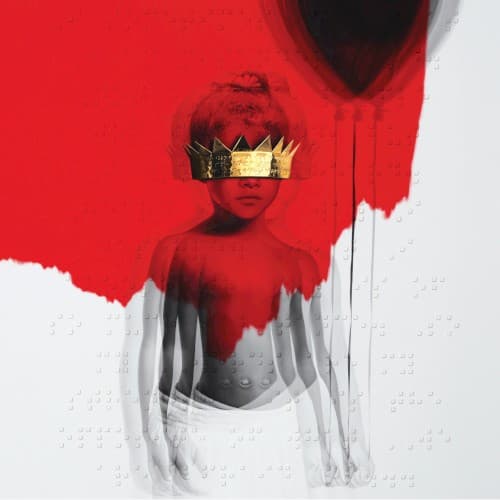
ANTI by Rihanna — album cover art

ANTI by Rihanna (2016)

Israeli artist Roy Nachum created a photorealistic painting of young Rihanna holding a black balloon with a crown covering her eyes, overlaid with Braille poetry by Chloe Mitchell - making it the first album cover to incorporate physical Braille for accessibility.

Label
Roc Nation / Westbury Road
Designer
Roy Nachum
Genre
R&B
Decade
2010s
Read the full story →
Midnights by Taylor Swift — album cover art

Midnights by Taylor Swift (2022)

Taylor Swift's tenth album features ethereal blue-purple gradient portraits by photographer Beth Garrabrant, shot on film to capture the nocturnal aesthetic of Swift's sleepless nights concept album.

Label
Republic Records
Photographer
Beth Garrabrant
Genre
Pop
Decade
2020s
Read the full story →
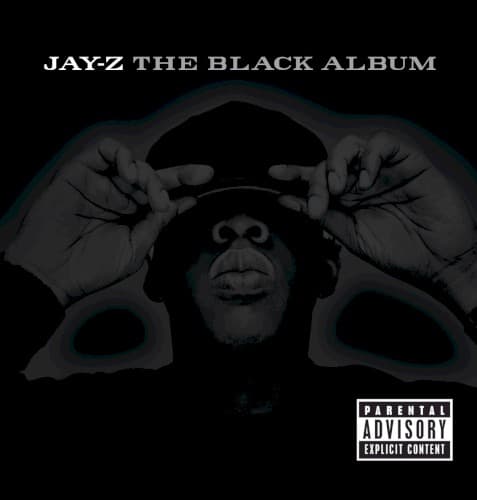
The Black Album by Jay-Z — album cover art

The Black Album by Jay-Z (2003)

The photograph hiding behind Jay-Z's iconic Black Album cover was actually taken two years earlier for The Blueprint, showing the rapper in a New York Jets jersey before being heavily edited into the ghostly, fading-to-black image that became one of hip-hop's most recognizable covers.

Label
Roc-A-Fella Records / Def Jam Recordings
Designer
Robert Sims
Photographer
Jonathan Mannion
Genre
Hip-Hop
Decade
2000s
Read the full story →
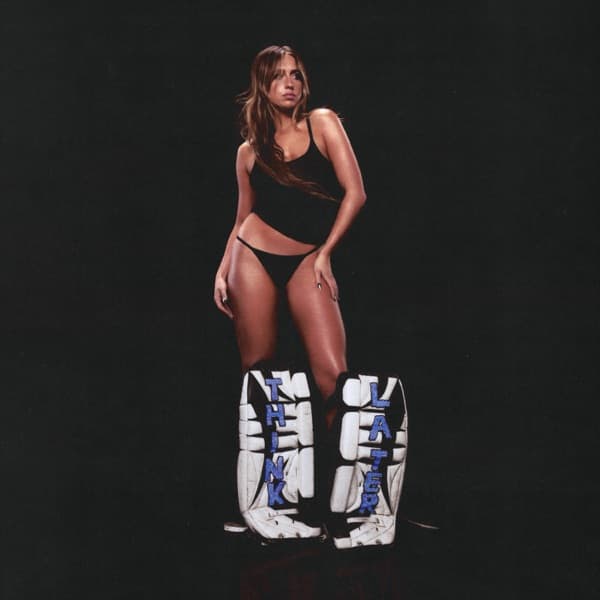
Think Later by Tate McRae — album cover art

Think Later by Tate McRae (2023)

Tate McRae chose to pose with hockey knee pads painted with the album title as a tribute to her Calgary roots. The shoot was captured in October 2023, creating a striking visual of her standing over white goalie pads with blue lettering.

Label
RCA Records
Designer
Quincy Banks
Photographer
Conor Cunningham
Genre
Pop
Decade
2020s
Read the full story →
Zach Bryan by Zach Bryan — album cover art

Zach Bryan by Zach Bryan (2023)

A grainy photograph of Bryan smoking a cigarette serves as the stark, minimalist cover for his breakthrough self-titled album. The intimate image perfectly captures the raw, authentic spirit of the country rock collection.

Label
Belting Bronco Records/Warner Records
Designer
Zach Bryan
Photographer
Trevor Pavlik
Genre
Country
Decade
2020s
Read the full story →
i used to think i could fly by Tate McRae — album cover art

i used to think i could fly by Tate McRae (2022)

The debut album cover for Tate McRae's breakthrough record revealed alongside the album title on April 1, 2022. The artwork supported her emotionally raw debut exploring themes of growing up, heartbreak, and self-discovery.

Label
RCA Records
Genre
Pop
Decade
2020s
Read the full story →
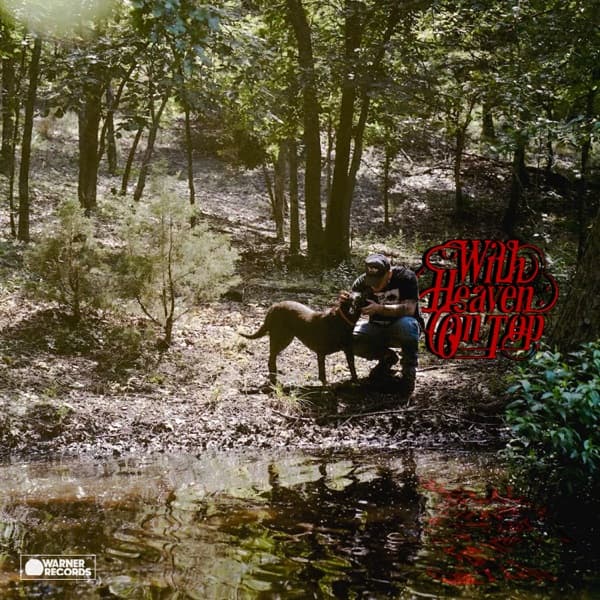
With Heaven On Top by Zach Bryan — album cover art

With Heaven On Top by Zach Bryan (2026)

Zach Bryan kneels beside his Labrador retriever Bud Heavy Bryan by a reflective stream in lush woods, creating an intimate portrait that mirrors his rural Oklahoma roots and the album's themes of memory and place.

Label
Belting Bronco Records/Warner Music Group
Genre
Country
Decade
2020s
Read the full story →
The Battle of Los Angeles by Rage Against the Machine — album cover art

The Battle of Los Angeles by Rage Against the Machine (1999)

Revolutionary spray-painted graffiti silhouette by LA street artist Joey Krebs creates one of rap-metal's most iconic covers. The raised-fist figure embodies Rage's political defiance through raw urban art.

Label
Epic Records
Designer
Joey Krebs
Genre
Rock
Decade
1990s
Read the full story →
Badmotorfinger by Soundgarden — album cover art

Badmotorfinger by Soundgarden (1991)

The iconic cyclone-like design with a spark plug center was drawn by Big Chief guitarist Mark Dancey after a casual backstage invitation from Soundgarden members Kim Thayil and Matt Cameron in 1991.

Label
A&M Records
Designer
Mark Dancey
Photographer
Michael Lavine
Genre
Rock
Decade
1990s
Read the full story →
A Rush of Blood to the Head by Coldplay — album cover art

A Rush of Blood to the Head by Coldplay (2002)

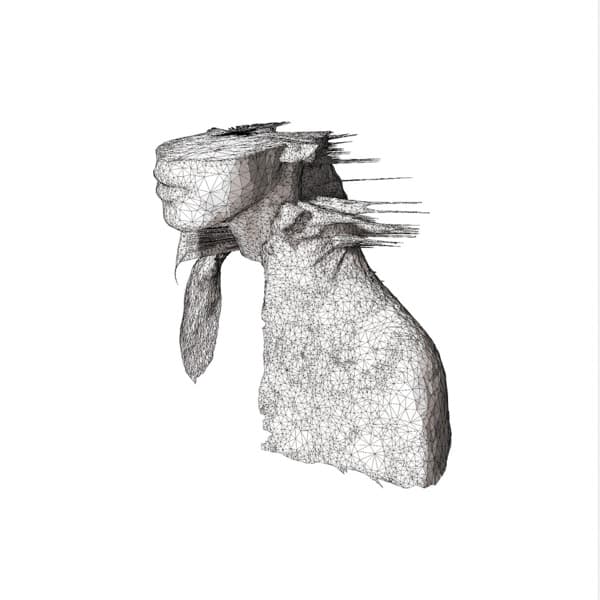
A fashion shoot gone legendary: Norwegian photographer Sølve Sundsbø's experimental 3D scan of a model became Coldplay's iconic 2002 cover after Chris Martin spotted it in Dazed & Confused magazine.
Label
Parlophone
Designer
Sølve Sundsbø
Photographer
Sølve Sundsbø
Genre
Alternative, Rock
Decade
2000s
Read the full story →
Channel Orange by Frank Ocean — album cover art

Channel Orange by Frank Ocean (2012)

Frank Ocean's Channel Orange features one of the most deceptively simple covers of the 2010s - a pure orange rectangle with no text. The minimalist design was Ocean's own concept, rejecting traditional album artwork conventions to create something that felt more like a color swatch than a music package.

Label
Def Jam Recordings
Designer
Frank Ocean
Genre
R&B
Decade
2010s
Read the full story →
Fox Confessor Brings the Flood by Neko Case — album cover art

Fox Confessor Brings the Flood by Neko Case (2006)

Neko Case shot this haunting self-portrait in her own bathroom, creating one of indie rock's most striking covers with just natural light and a vintage Polaroid camera. The intimate DIY approach perfectly captured the album's themes of vulnerability and transformation.

Label
Anti-
Designer
Neko Case
Photographer
Neko Case
Genre
Alternative, Indie, Folk
Decade
2000s
Read the full story →
Transatlanticism by Death Cab for Cutie — album cover art

Transatlanticism by Death Cab for Cutie (2003)

The stark white cover of Death Cab for Cutie's breakthrough album features only minimalist typography, rejecting the era's typical indie rock aesthetic. This bold simplicity perfectly captured the album's themes of distance and isolation.

Label
Barsuk Records
Genre
Indie, Alternative
Decade
2000s
Read the full story →
In Colour by Jamie xx — album cover art

In Colour by Jamie xx (2015)

Jamie xx's debut solo album features a deceptively simple cover that captures the essence of his color-obsessed electronic music through minimalist typography and bold chromatic choices that reflect the album's synesthetic approach to sound.

Label
Young Turks
Genre
Electronic
Decade
2010s
Read the full story →
Brat by Charli XCX — album cover art

Brat by Charli XCX (2024)

Charli XCX designed her own deliberately ugly lime green cover using Arial font, creating one of 2024's most memed and culturally impactful album designs. The intentionally amateurish aesthetic spawned countless imitations and redefined pop album art.

Label
Atlantic Records
Designer
Charli XCX
Genre
Pop, Electronic
Decade
2020s
Read the full story →
Run the Jewels 2 by Run the Jewels — album cover art

Run the Jewels 2 by Run the Jewels (2014)

The golden fist and gun logo that became hip-hop's most recognizable symbol was hand-drawn by underground comic artist Nick Gazin in his cramped Brooklyn apartment. What started as a quick sketch became an iconic emblem that fans tattoo on their bodies and spray-paint on walls worldwide.

Label
Mass Appeal Records
Designer
Nick Gazin
Genre
Hip-Hop
Decade
2010s
Read the full story →
Random Access Memories by Daft Punk — album cover art

Random Access Memories by Daft Punk (2013)

Daft Punk's golden pyramid helmet explodes into crystalline fragments across a cosmic landscape, created by music video director Warren Fu using cutting-edge 3D rendering that took months to perfect. The shimmering cover perfectly captured the duo's shift from digital punk to analog disco.

Label
Columbia Records
Designer
Warren Fu
Genre
Electronic, Pop
Decade
2010s
Read the full story →
SOS by SZA — album cover art

SOS by SZA (2022)

SZA's SOS cover transforms intimate vulnerability into stark visual poetry, featuring the singer diving backwards into murky water. The image captures the album's themes of emotional drowning and rebirth through a single, perfectly timed underwater moment.

Label
Top Dawg Entertainment
Genre
R&B
Decade
2020s
Read the full story →
"Awaken, My Love!" by Childish Gambino — album cover art

"Awaken, My Love!" by Childish Gambino (2016)

A single polaroid snapshot of Donald Glover's face becomes one of hip-hop's most intimate album covers. Shot by frequent collaborator Ibra Ake, the deliberately low-fi image captures Glover mid-transformation into his funk alter ego.

Label
Glassnote Records
Designer
Ibra Ake
Photographer
Ibra Ake
Genre
R&B, Soul, Funk
Decade
2010s
Read the full story →
DAMN. by Kendrick Lamar — album cover art

DAMN. by Kendrick Lamar (2017)

Shot in a single afternoon in Compton, this deceptively simple Polaroid-style cover became one of hip-hop's most powerful statements on Black masculinity and vulnerability. The raw intimacy of Kendrick's expression contrasts sharply with typical rap album imagery.

Label
Top Dawg Entertainment
Designer
Dave Free
Photographer
Vlad Sepetov
Genre
Hip-Hop
Decade
2010s
Read the full story →
Coloring Book by Chance the Rapper — album cover art

Coloring Book by Chance the Rapper (2016)

A hand-drawn children's book cover that broke industry rules by helping an independent mixtape win three Grammy Awards. Designer Brandon Breaux created crayon-style artwork that perfectly captured Chance's gospel-influenced sound and Chicago roots.

Label
Independent
Designer
Brandon Breaux
Genre
Hip-Hop
Decade
2010s
Read the full story →
Atrocity Exhibition by Danny Brown — album cover art

Atrocity Exhibition by Danny Brown (2016)

Danny Brown's Atrocity Exhibition features stark, industrial artwork that mirrors the album's chaotic hip-hop experimentalism. The cover's brutalist aesthetic perfectly captures the Detroit rapper's descent into addiction and mental fragmentation.

Label
Warp Records
Genre
Hip-Hop
Decade
2010s
Read the full story →
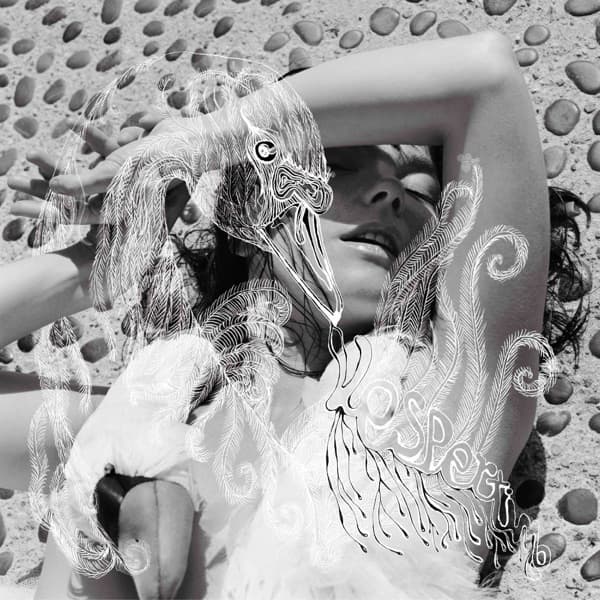
Vespertine by Björk — album cover art

Vespertine by Björk (2001)

Björk's face emerges from crystalline growths in this haunting cover that took months to create using cutting-edge digital manipulation. The image perfectly captures the album's intimate winter atmosphere through revolutionary photography techniques.

Label
One Little Indian
Designer
Me Company
Photographer
Inez van Lamsweerde and Vinoodh Matadin
Genre
Electronic, Alternative
Decade
2000s
Read the full story →
Fresh Cream by Cream — album cover art

Fresh Cream by Cream (1966)

Cream's debut album features one of rock's most enigmatic covers - a stark black and white photograph of three mysterious figures that perfectly captured the band's dark, blues-heavy sound before anyone knew what a supergroup looked like.

Label
Reaction Records
Genre
Rock, Blues
Decade
1960s
Read the full story →
Innervisions by Stevie Wonder — album cover art

Innervisions by Stevie Wonder (1973)

Stevie Wonder's mystical album cover features his face emerging from cosmic darkness, created during his creative peak after negotiating unprecedented artistic control from Motown. The ethereal portrait perfectly captured the spiritual journey of his most introspective masterpiece.
Label
Tamla
Genre
Soul, R&B, Funk
Decade
1970s
Read the full story →
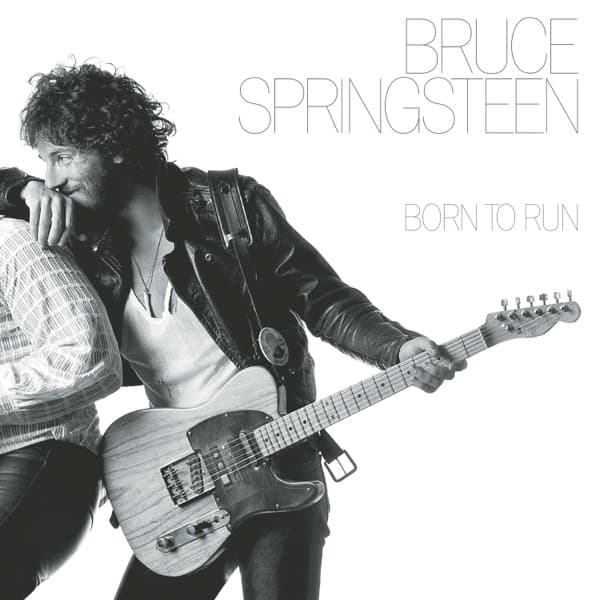
Born to Run by Bruce Springsteen — album cover art

Born to Run by Bruce Springsteen (1975)

The iconic black and white portrait was shot with a Hasselblad in Eric Meola's studio, capturing Springsteen leaning against a wall in his signature cap and leather jacket. The intimate close-up became one of rock's most recognizable covers.

Label
Columbia Records
Designer
John Berg
Photographer
Eric Meola
Genre
Rock
Decade
1970s
Read the full story →
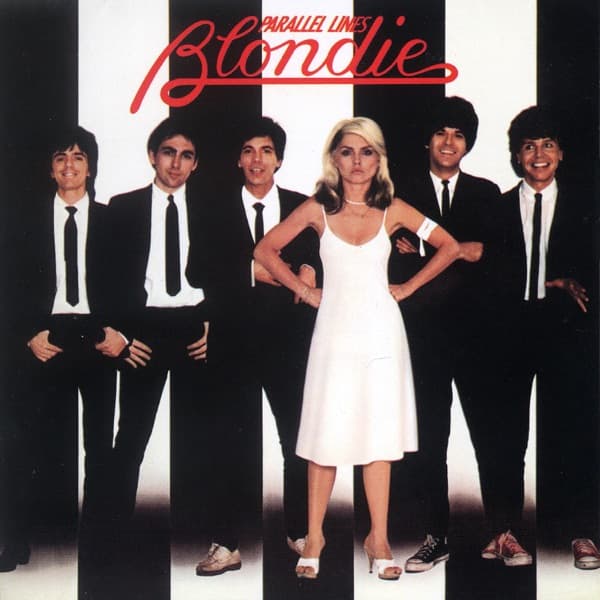
Parallel Lines by Blondie — album cover art

Parallel Lines by Blondie (1978)

The iconic black-and-white photograph of Blondie in matching outfits against a stark white wall became one of new wave's defining images. Shot by fashion photographer Edo Bertoglio, it perfectly captured the band's blend of punk attitude and pop sophistication.

Label
Chrysalis Records
Designer
Ramey Communications
Photographer
Edo Bertoglio
Genre
Rock, Pop, Punk
Decade
1970s
Read the full story →
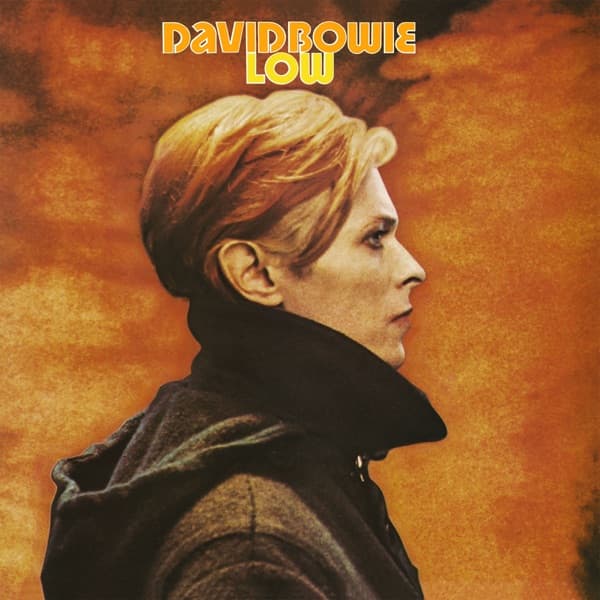
Low by David Bowie — album cover art

Low by David Bowie (1977)

The stark orange and black profile on Bowie's Low came from a film still of the artist in The Man Who Fell to Earth, creating one of rock's most minimalist and emotionally devastating covers through pure color saturation and negative space.

Label
RCA Records
Designer
Uncredited
Genre
Rock, Alternative, Electronic
Decade
1970s
Read the full story →
Autobahn by Kraftwerk — album cover art

Autobahn by Kraftwerk (1974)

Kraftwerk's breakthrough album featured a deceptively simple cover painted by their longtime collaborator Emil Schult - a stark highway perspective that became the visual template for electronic music's future.
Label
Philips
Designer
Emil Schult
Genre
Electronic
Decade
1970s
Read the full story →
Technique by New Order — album cover art

Technique by New Order (1989)

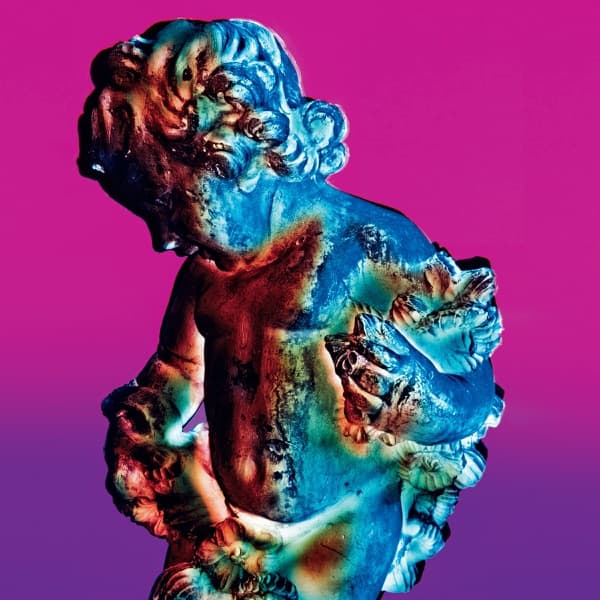
Peter Saville's cover for New Order's Technique features a single lemon against stark white space, created using revolutionary computer imaging technology. The deceptively simple fruit became one of the most minimalist and mysterious album covers of the late 1980s.

Label
Factory Records
Designer
Peter Saville
Genre
Electronic, Alternative
Decade
1980s
Read the full story →
So by Peter Gabriel — album cover art

So by Peter Gabriel (1986)

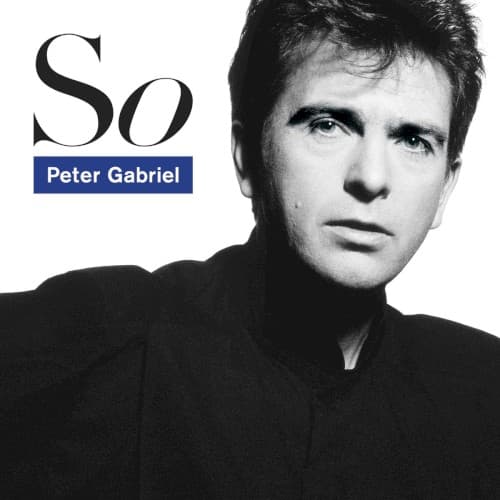
Peter Saville stripped away all imagery for Gabriel's most commercial album, creating a cover so minimal it consists only of typography on white space. The radical simplicity marked a complete departure from Gabriel's surreal previous covers.

Label
Geffen Records
Designer
Peter Saville
Photographer
Trevor Key
Genre
Rock, Pop
Decade
1980s
Read the full story →
Sign o' the Times by Prince — album cover art

Sign o' the Times by Prince (1987)

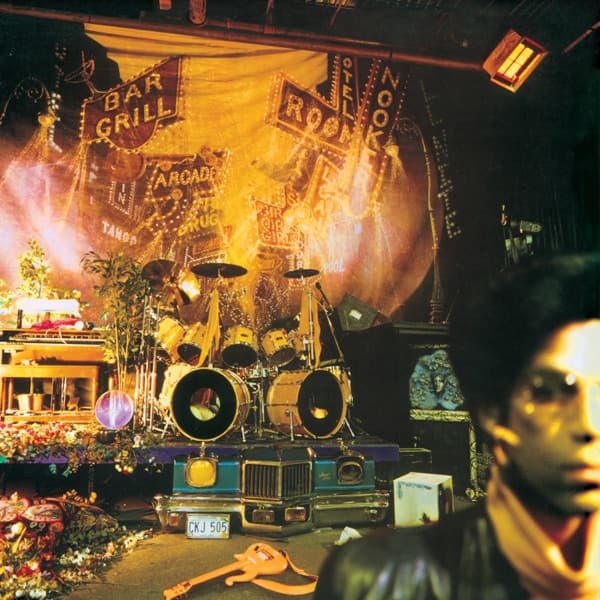
Prince stripped away his usual purple fantasy for stark black typography on white—a radical departure that reflected the album's serious social commentary. The minimalist design was Prince's own creation, abandoning rock star imagery for newspaper-style urgency.

Label
Paisley Park Records
Designer
Prince
Genre
R&B, Funk, Rock
Decade
1980s
Read the full story →
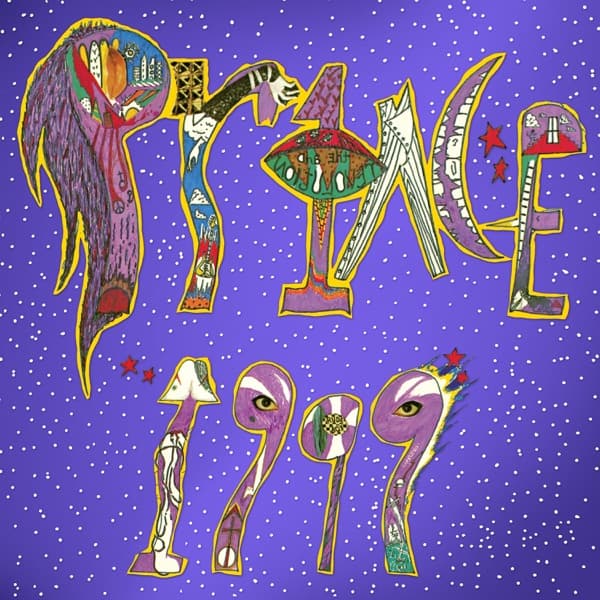
1999 by Prince — album cover art

1999 by Prince (1982)

Prince's purple-tinted double album cover features a stark, minimalist portrait that launched his iconic color association. Photographer Allen Beaulieu captured the brooding image in a single session, creating one of the most recognizable album covers of the 1980s.

Label
Warner Bros
Designer
Prince
Photographer
Allen Beaulieu
Genre
R&B, Pop, Funk
Decade
1980s
Read the full story →
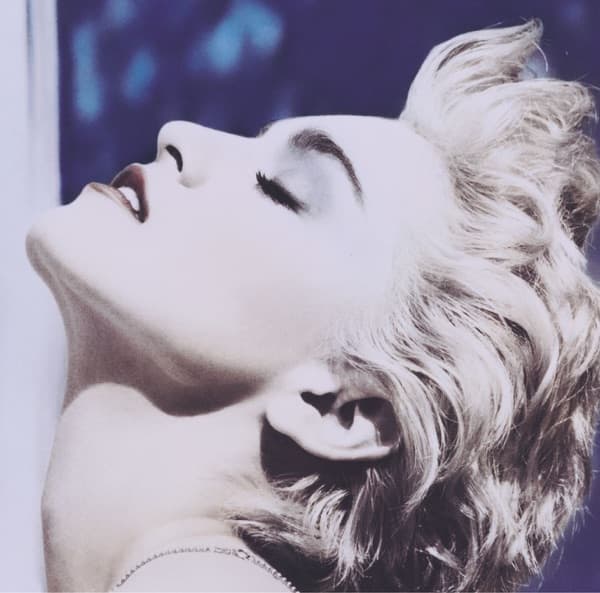
True Blue by Madonna — album cover art

True Blue by Madonna (1986)

Madonna's True Blue cover emerged from a single Polaroid test shot that photographer Herb Ritts took during their first collaboration. The intimate black-and-white portrait, with Madonna's tousled hair and direct gaze, became one of the most influential pop album covers of the 1980s.

Label
Sire Records
Designer
Jeri McManus
Photographer
Herb Ritts
Genre
Pop
Decade
1980s
Read the full story →
Slippery When Wet by Bon Jovi — album cover art

Slippery When Wet by Bon Jovi (1986)

The cover that almost featured a bikini-clad model on a wet slip-and-slide became one of rock's most iconic designs when the band chose bold yellow typography over a mysterious plastic bag instead. The original shoot was deemed too risqué, leading to this instantly recognizable minimalist masterpiece.

Label
Mercury Records
Genre
Rock
Decade
1980s
Read the full story →
Licensed to Ill by Beastie Boys — album cover art

Licensed to Ill by Beastie Boys (1986)

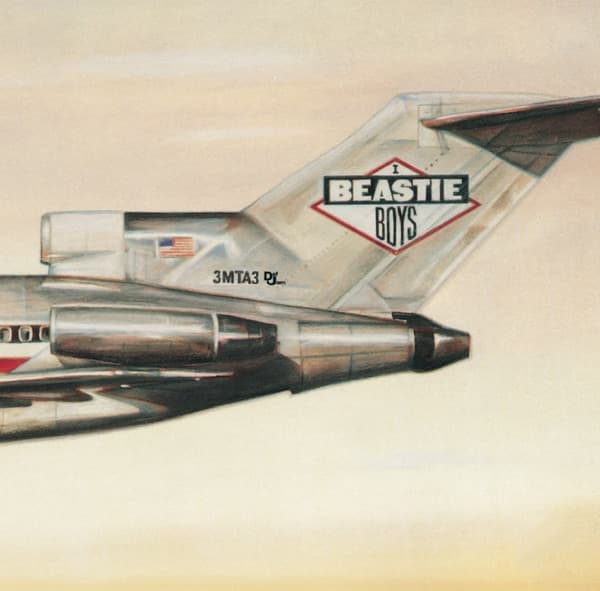
The Beastie Boys' debut features a deliberately generic black background with simple white text, designed by World B. Omes as an anti-cover statement that perfectly captured hip-hop's raw, no-frills aesthetic in 1986.

Label
Def Jam Recordings
Designer
World B
Genre
Hip-Hop
Decade
1980s
Read the full story →
Violator by Depeche Mode — album cover art

Violator by Depeche Mode (1990)

Anton Corbijn's arresting rose-and-leather photograph defied all expectations for electronic music packaging. The Dutch artist created Depeche Mode's most iconic cover by pairing delicate flowers with fetishistic black leather in a single provocative frame.

Label
Mute Records
Designer
Anton Corbijn
Photographer
Anton Corbijn
Genre
Electronic, Alternative
Decade
1990s
Read the full story →
Louder Than Bombs by The Smiths — album cover art

Louder Than Bombs by The Smiths (1987)

Morrissey hand-picked a haunting 1960s photograph of actor Shelagh Delaney for this compilation cover, continuing his obsession with forgotten British cultural figures. The stark black and white portrait became one of The Smiths' most enigmatic sleeves.

Label
Sire Records
Designer
Morrissey
Photographer
Uncredited
Genre
Alternative, Indie
Decade
1980s
Read the full story →
Brothers in Arms by Dire Straits — album cover art

Brothers in Arms by Dire Straits (1985)

The stark, minimal cover for Dire Straits' biggest album features just the band name and title in simple white text against a deep blue background. This stripped-down approach perfectly matched the album's sophisticated, contemplative mood and became iconic through sheer restraint.

Label
Vertigo Records
Designer
Uncredited
Photographer
Uncredited
Genre
Rock
Decade
1980s
Read the full story →
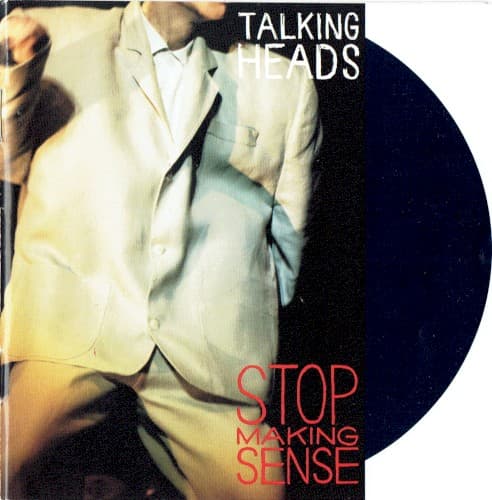
Stop Making Sense by Talking Heads — album cover art

Stop Making Sense by Talking Heads (1984)

A man in an oversized cream suit caught mid-motion, his head cropped clean off the frame by a black half-circle. Talking Heads turned a body in a too-big jacket into one of pop's most recognizable images, now hanging in MoMA. Here is the story behind the big coat.

Label
Sire Records
Designer
Michael Hodgson
Photographer
Adelle Lutz
Genre
Alternative, Rock
Decade
1980s
Read the full story →
Vs. by Pearl Jam — album cover art

Vs. by Pearl Jam (1993)

Pearl Jam's second album features a stark black-and-white sheep photograph that became one of grunge's most minimalist covers. The band chose the image to represent conformity and mass mentality, creating an unexpectedly pastoral contrast to their heavy sound.

Label
Epic Records
Designer
Jerome Turner
Photographer
Lance Mercer
Genre
Alternative, Rock
Decade
1990s
Read the full story →
Dirt by Alice in Chains — album cover art

Dirt by Alice in Chains (1992)

Alice in Chains' most iconic cover features a stark white background with mysterious symbols and the band name in unsettling amber lettering. Art director Mary Maurer crafted a minimalist design that perfectly captured the album's themes of addiction and decay.

Label
Columbia Records
Designer
Mary Maurer
Genre
Alternative, Metal
Decade
1990s
Read the full story →
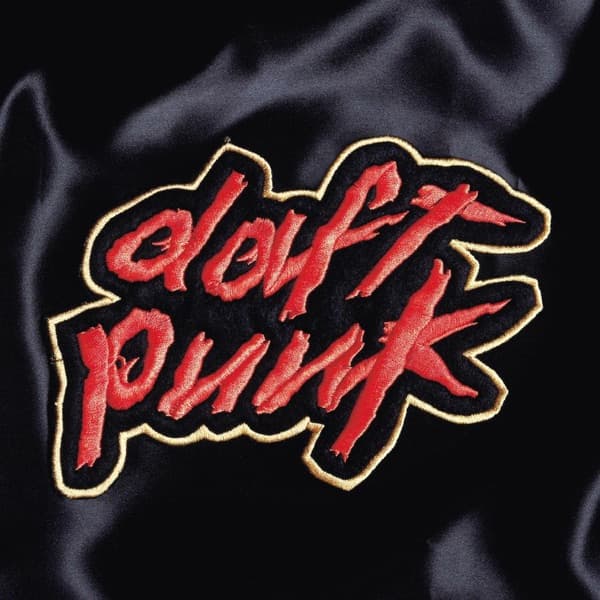
Homework by Daft Punk — album cover art

Homework by Daft Punk (1997)

The iconic silver robot head that launched Daft Punk's visual identity was actually created by unknown designers credited only as "Alex and Martin." This minimalist chrome dome became the template for electronic music's most recognizable brand.

Label
Virgin Records
Designer
Alex and Martin
Genre
Electronic
Decade
1990s
Read the full story →
Selected Ambient Works 85-92 by Aphex Twin — album cover art

Selected Ambient Works 85-92 by Aphex Twin (1992)

The debut album that launched ambient techno featured one of electronic music's most minimalist covers—just the Aphex Twin logo floating in stark white space. This radical simplicity perfectly matched Richard D. James's anonymous, mysterious persona and became a template for countless electronic releases.

Label
R&S Records
Genre
Electronic
Decade
1990s
Read the full story →
Maxinquaye by Tricky — album cover art

Maxinquaye by Tricky (1995)

Tricky's debut album cover features a stark black and white portrait that perfectly captures the dark, intimate atmosphere of his groundbreaking trip-hop masterpiece. The minimalist design became an iconic representation of mid-90s alternative culture.

Label
4th & B'way
Designer
Uncredited
Photographer
Uncredited
Genre
Electronic, Alternative
Decade
1990s
Read the full story →
The Chronic by Dr. Dre — album cover art

The Chronic by Dr. Dre (1992)

The stark black-and-white cover featuring Dr. Dre in a contemplative pose became one of hip-hop's most influential visual statements. Shot in simple studio lighting, its minimalist approach let the music speak louder than flashy graphics.

Label
Death Row Records
Genre
Hip-Hop
Decade
1990s
Read the full story →
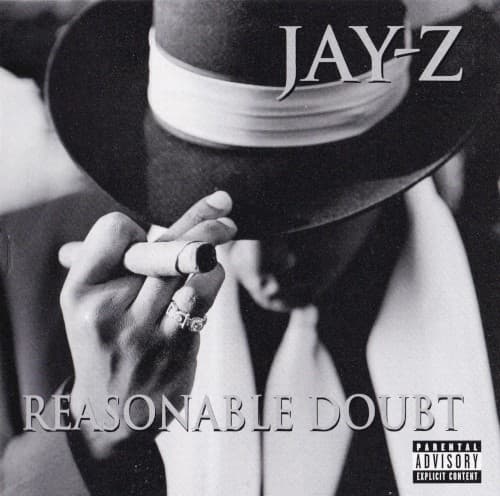
Reasonable Doubt by Jay-Z — album cover art

Reasonable Doubt by Jay-Z (1996)

Jonathan Mannion's stark black-and-white portrait of a young Jay-Z became hip-hop's most iconic debut cover, shot in a single session that would define rap album photography for decades to come.

Label
Roc-A-Fella Records
Photographer
Jonathan Mannion
Genre
Hip-Hop
Decade
1990s
Read the full story →
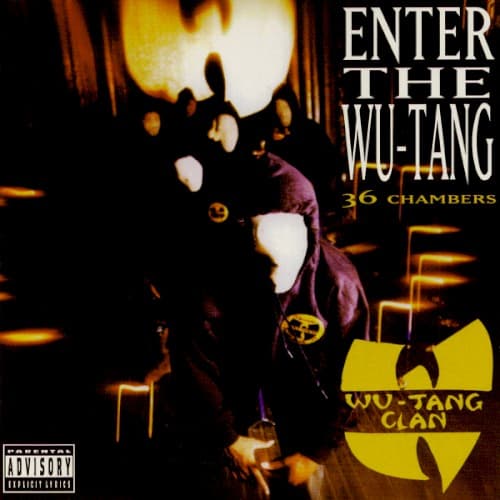
Enter the Wu-Tang (36 Chambers) by Wu-Tang Clan — album cover art

Enter the Wu-Tang (36 Chambers) by Wu-Tang Clan (1993)

The stark yellow cover featuring the Wu-Tang 'W' logo became one of hip-hop's most recognizable symbols, despite being created on a shoestring budget. The minimalist design perfectly captured the raw, underground aesthetic that would define East Coast hip-hop.

Label
Loud Records
Genre
Hip-Hop
Decade
1990s
Read the full story →
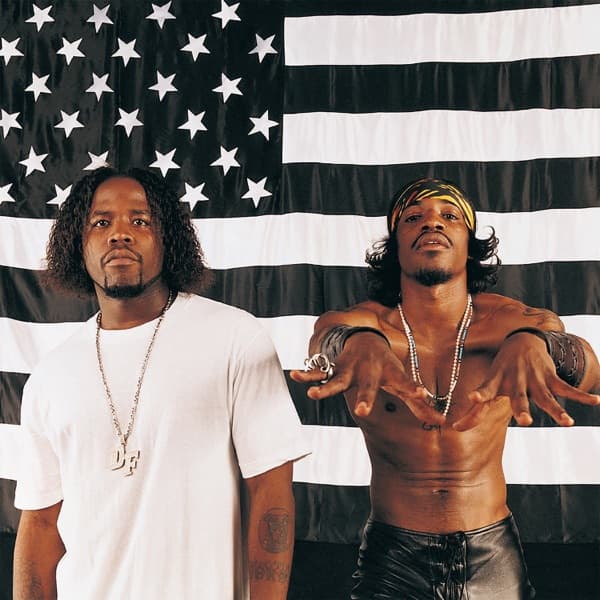
Stankonia by OutKast — album cover art

Stankonia by OutKast (2000)

OutKast's Stankonia cover transforms Big Boi and André 3000 into otherworldly beings through extreme digital manipulation, creating one of hip-hop's most surreal and futuristic album covers that perfectly matched their genre-defying musical experimentation.

Label
LaFace Records
Designer
Uncredited
Photographer
Uncredited
Genre
Hip-Hop
Decade
2000s
Read the full story →
The Score by Fugees — album cover art

The Score by Fugees (1996)

The Fugees' breakthrough album cover features a stark, minimalist design that perfectly captured the trio's cinematic hip-hop vision. The simple typography and muted aesthetic became iconic in 90s hip-hop design.

Label
Ruffhouse Records
Genre
Hip-Hop
Decade
1990s
Read the full story →
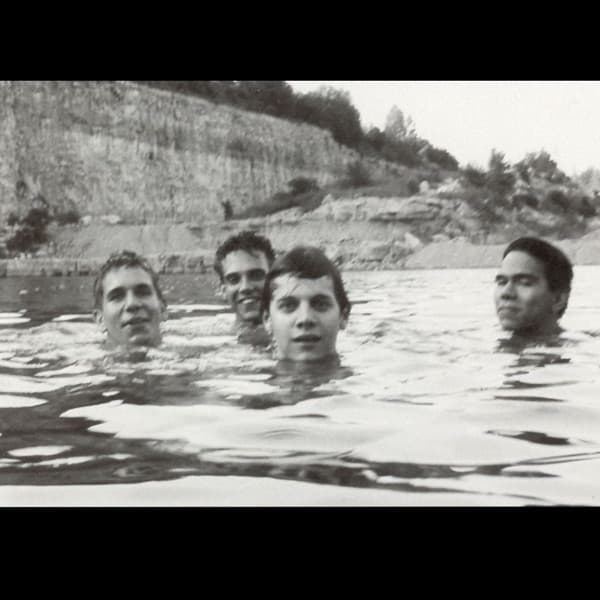
Spiderland by Slint — album cover art

Spiderland by Slint (1991)

The haunting cover of Slint's masterpiece was shot by musician Will Oldham at a local quarry, featuring the band members floating eerily in murky water. The image perfectly captures the album's unsettling atmosphere and became one of indie rock's most mysterious covers.

Label
Touch and Go Records
Designer
Uncredited
Photographer
Will Oldham
Genre
Alternative, Rock, Indie
Decade
1990s
Read the full story →
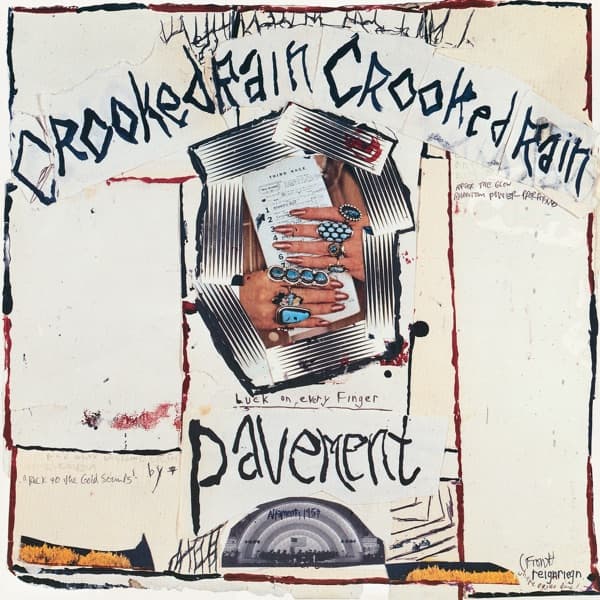
Crooked Rain, Crooked Rain by Pavement — album cover art

Crooked Rain, Crooked Rain by Pavement (1994)

Pavement's breakthrough album features a deceptively simple cover of weathered concrete steps that perfectly captured the band's lo-fi aesthetic. The mundane architectural photograph became an iconic symbol of 1990s indie rock minimalism.

Label
Matador Records
Genre
Alternative, Indie, Rock
Decade
1990s
Read the full story →
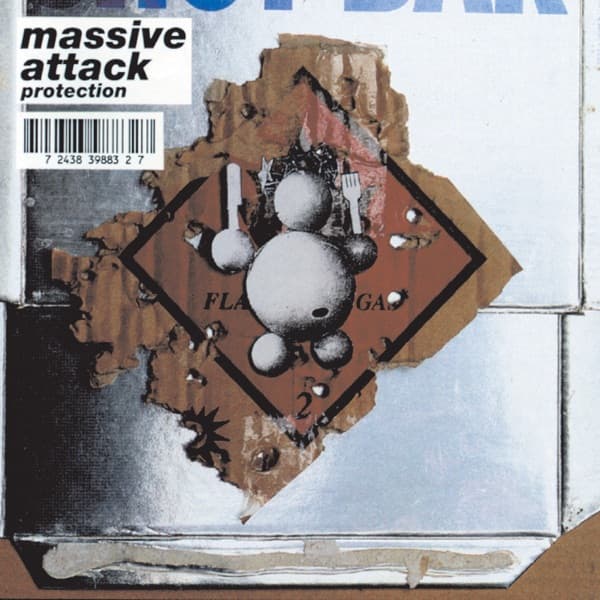
Protection by Massive Attack — album cover art

Protection by Massive Attack (1994)

The stark, minimalist cover for Massive Attack's second album features a simple white background with delicate typography, marking a dramatic shift from their debut's graffiti-style artwork. Designer Tom Hingston created one of the most understated yet influential covers of the 1990s trip-hop era.

Label
Wild Bunch
Designer
Tom Hingston
Genre
Electronic
Decade
1990s
Read the full story →
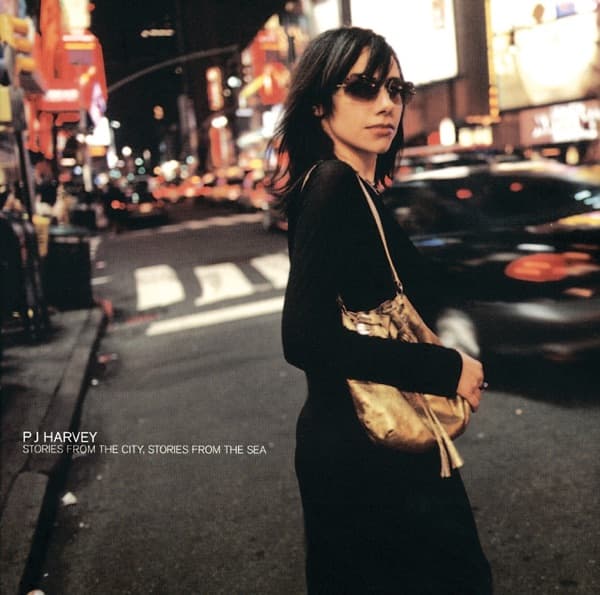
Stories from the City, Stories from the Sea by PJ Harvey — album cover art

Stories from the City, Stories from the Sea by PJ Harvey (2000)

PJ Harvey's Mercury Prize-winning album features a haunting black-and-white portrait that captures the duality of urban grit and oceanic mystery. Photographer Seamus Murphy created an image that perfectly embodied Harvey's artistic transformation.

Label
Island Records
Photographer
Seamus Murphy
Genre
Alternative, Rock
Decade
2000s
Read the full story →
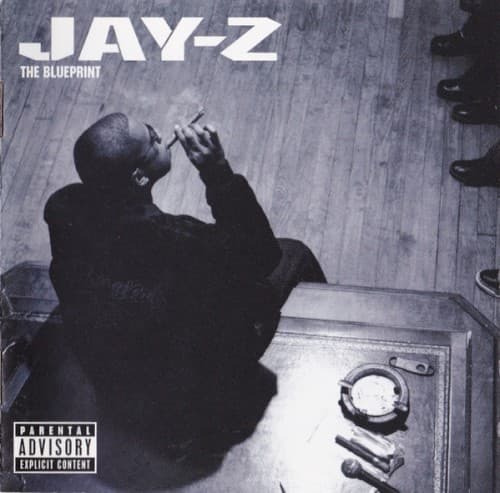
The Blueprint by Jay-Z — album cover art

The Blueprint by Jay-Z (2001)

Jay-Z's Blueprint cover features a minimalist architectural drawing that became one of hip-hop's most iconic designs. The stark blue-on-white technical diagram perfectly matched the album's title while establishing a new standard for sophisticated rap album artwork.

Label
Roc-A-Fella Records
Designer
Uncredited
Genre
Hip-Hop
Decade
2000s
Read the full story →
The College Dropout by Kanye West — album cover art

The College Dropout by Kanye West (2004)

Kanye West's mascot bear was born from designer Eric Johnson's interpretation of the dropout theme, creating one of hip-hop's most endearing and merchandisable visual identities through simple cartoon illustration.

Label
Roc-A-Fella Records
Designer
Eric Johnson
Genre
Hip-Hop
Decade
2000s
Read the full story →
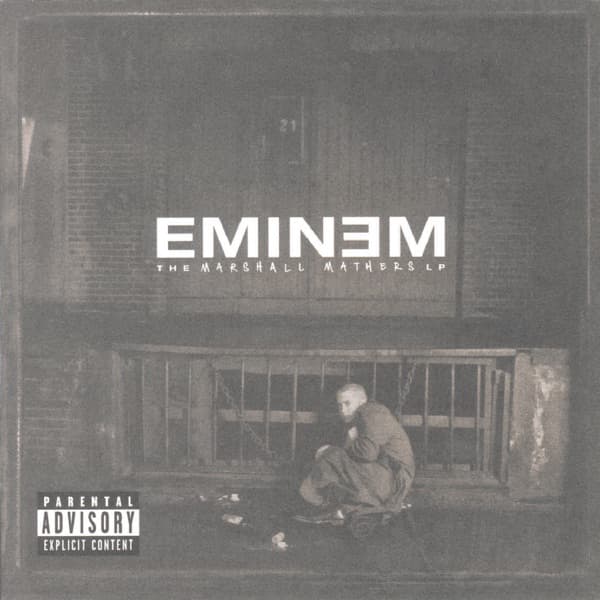
The Marshall Mathers LP by Eminem — album cover art

The Marshall Mathers LP by Eminem (2000)

Eminem's breakthrough album cover features a stark, unsettling portrait that perfectly captured the controversy and raw honesty of his music. The image became one of hip-hop's most recognizable covers, marking a shift from flashy rap imagery to intimate vulnerability.

Label
Aftermath Entertainment
Genre
Hip-Hop
Decade
2000s
Read the full story →
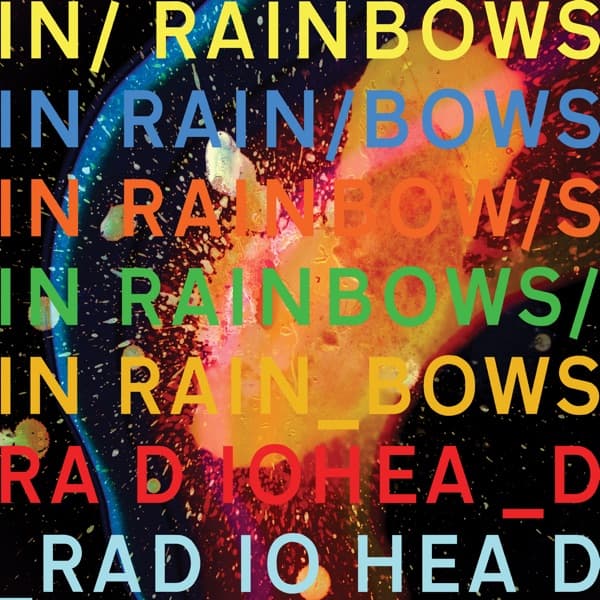
In Rainbows by Radiohead — album cover art

In Rainbows by Radiohead (2007)

Stanley Donwood created this ethereal landscape using a revolutionary digital painting technique, layering translucent colors to mirror Radiohead's groundbreaking pay-what-you-want release strategy with equally innovative visual art that abandoned traditional album cover conventions.

Label
Self-released
Designer
Stanley Donwood
Genre
Alternative, Rock
Decade
2000s
Read the full story →
Silent Alarm by Bloc Party — album cover art

Silent Alarm by Bloc Party (2005)

Peter Saville transformed a simple mathematical formula into one of the most striking album covers of the 2000s, using pure geometry and bold color to capture Bloc Party's angular post-punk sound in visual form.

Label
Wichita Recordings
Designer
Peter Saville
Genre
Alternative, Rock, Indie
Decade
2000s
Read the full story →
Elephant by The White Stripes — album cover art

Elephant by The White Stripes (2003)

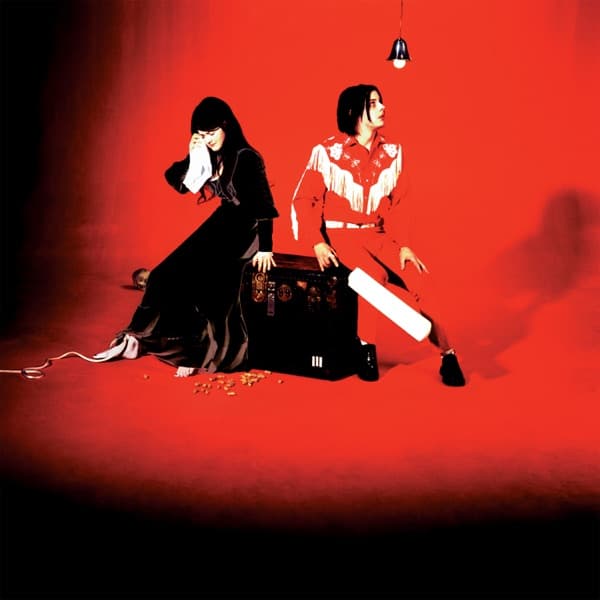
Jack White drew inspiration from a 1960s circus poster to create one of rock's most playful covers. The vibrant red and pink elephant against stark white background perfectly captured the band's theatrical garage rock aesthetic while maintaining their strict three-color palette.

Label
V2 Records
Designer
Jack White
Photographer
Patrick Pantano
Genre
Alternative, Rock
Decade
2000s
Read the full story →
Yoshimi Battles the Pink Robots by The Flaming Lips — album cover art

Yoshimi Battles the Pink Robots by The Flaming Lips (2002)

The Flaming Lips created their most iconic cover using simple pink lettering on white, letting the intriguing title do all the visual heavy lifting. This minimalist approach marked a radical departure from their previous psychedelic artwork.

Label
Warner Bros
Designer
The Flaming Lips
Genre
Alternative, Indie, Rock
Decade
2000s
Read the full story →
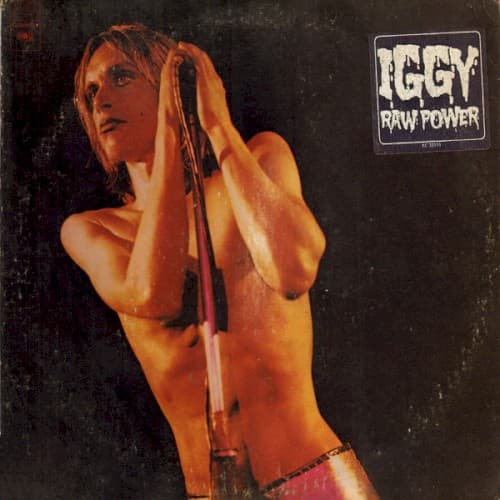
Raw Power by Iggy and the Stooges — album cover art

Raw Power by Iggy and the Stooges (1973)

One of punk rock's most iconic covers features Iggy Pop's shirtless torso in stark black and white, embodying the raw aggression of the music within. The deliberately minimal design became a template for punk aesthetics.

Label
Columbia Records
Genre
Punk, Rock
Decade
1970s
Read the full story →
Turn on the Bright Lights by Interpol — album cover art

Turn on the Bright Lights by Interpol (2002)

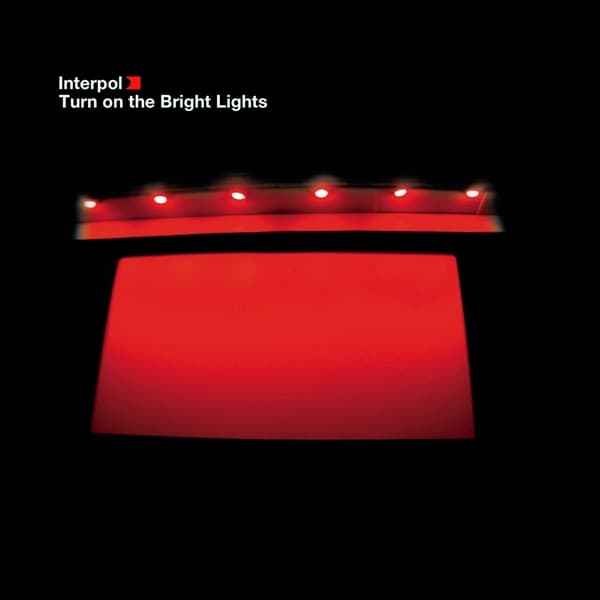
The stark black and white photograph of a solitary figure in an empty hallway perfectly captured the alienation and urban loneliness at the heart of Interpol's debut. Shot with deliberate grain and shadow, it became an instant template for indie rock minimalism.

Label
Matador Records
Genre
Alternative, Indie, Rock
Decade
2000s
Read the full story →
In the Wee Small Hours by Frank Sinatra — album cover art

In the Wee Small Hours by Frank Sinatra (1955)

Frank Sinatra stands alone under blue streetlight, cigarette burning, fedora pushed back in resignation. Painted to mirror an album about loneliness and lost love, this 1955 cover plays like a film noir poster, and it would resurface decades later in Vanilla Sky, in a syringe-wielding parody, and in Kurt Elling's careful re-pose.

Label
Capitol Records
Genre
Jazz, Pop
Decade
1950s
Read the full story →
Automatic for the People by R.E.M. — album cover art

Automatic for the People by R.E.M. (1992)

The multi-pointed star on R.E.M.'s 1992 album once topped a motel sign on Miami's Biscayne Boulevard. Michael Stipe photographed it, the band nearly named the record after it, and a hurricane tore it down. Here's how a roadside ornament became the focal point of an alternative landmark.

Label
Warner Bros
Designer
Tom Recchion
Photographer
Michael Stipe
Genre
Alternative, Folk
Decade
1990s
Read the full story →
Yankee Hotel Foxtrot by Wilco — album cover art

Yankee Hotel Foxtrot by Wilco (2002)

Sam Jones shot hundreds of photos of Chicago before Lawrence Azerrad found the perfect Marina City image. Azerrad removed neighboring buildings to focus on the twin towers, creating an iconic cover that fans now call the Wilco Towers.

Label
Nonesuch Records
Designer
Lawrence Azerrad
Photographer
Sam Jones
Genre
Alternative
Decade
2000s
Read the full story →
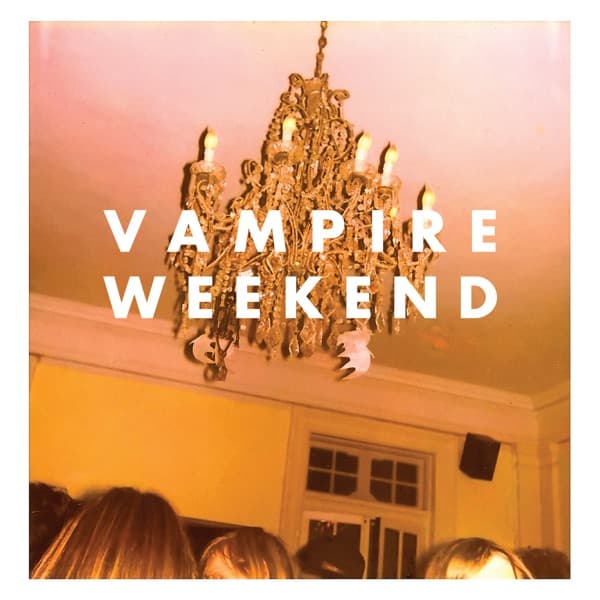
Vampire Weekend by Vampire Weekend — album cover art

Vampire Weekend by Vampire Weekend (2008)

The debut album cover features a Polaroid photograph of a chandelier in St. Anthony Hall, a Columbia University semi-secret society, taken during one of the band's early campus performances.

Label
XL Recordings
Genre
Indie
Decade
2000s
Read the full story →
Yeezus by Kanye West — album cover art

Yeezus by Kanye West (2013)

Kanye West sold one of 2013's most talked-about albums in a clear plastic case with a single piece of red tape slapped on it. There was no cover, on purpose. One collaborator called it an 'open casket' for the dying CD. Behind that emptiness sat a discarded George Condo painting, a scrapped title, and a charge of theft.

Label
Def Jam Recordings
Designer
Joe Perez
Genre
Hip-Hop
Decade
2010s
Read the full story →
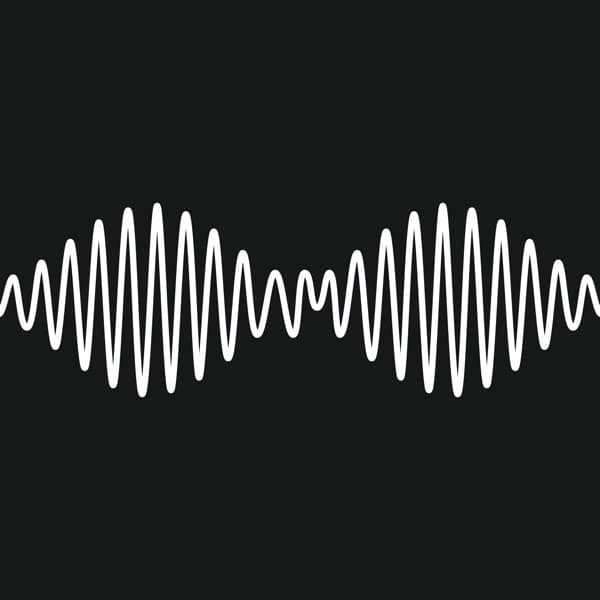
AM by Arctic Monkeys — album cover art

AM by Arctic Monkeys (2013)

The minimalist waveform design conceals 'AM' within its amplitude-modulated signal pattern. Designer Matthew Cooper created this iconic black-and-white artwork that perfectly matched the band's visual aesthetic for their hit 'Do I Wanna Know?' video.

Label
Domino Recording Company
Designer
Matthew Cooper
Genre
Rock
Decade
2010s
Read the full story →
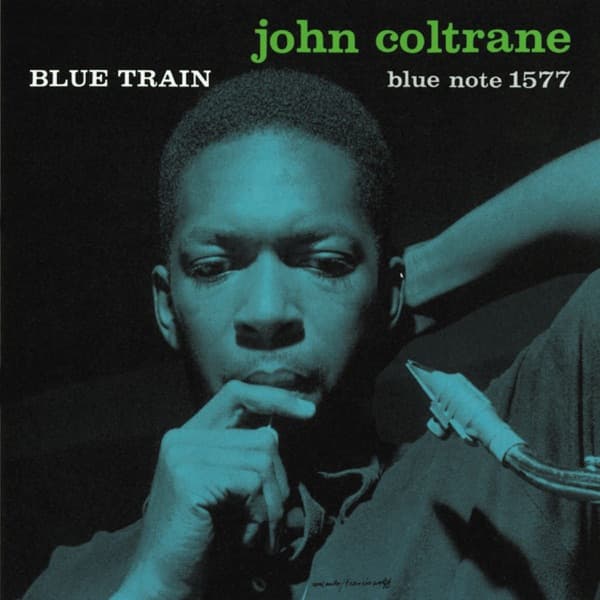
Blue Train by John Coltrane — album cover art

Blue Train by John Coltrane (1958)

Francis Wolff's pensive photograph of Coltrane, cropped and designed by Reid Miles, became one of jazz's most iconic album covers. The minimalist Blue Note aesthetic perfectly matched the introspective masterpiece within.

Label
Blue Note Records
Designer
Reid Miles, became one of jazz's most iconic album covers
Photographer
Francis Wolff
Genre
Jazz
Decade
1950s
Read the full story →
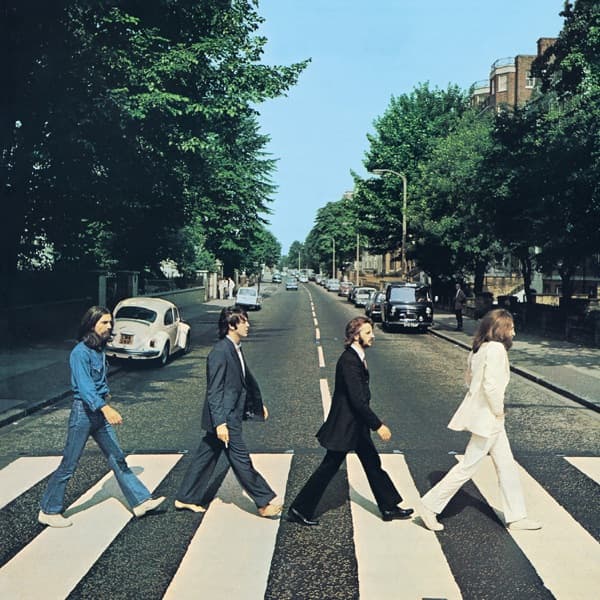
Abbey Road by The Beatles — album cover art

Abbey Road by The Beatles (1969)

Four men, one zebra crossing, traffic held by a hired policeman, and one of the most copied photographs in pop. The Abbey Road cover carries no title and no band name, a decision that triggered a furious midnight phone call from EMI's chairman.

Label
Apple Records
Designer
John Kosh
Photographer
Iain Macmillan
Genre
Rock
Decade
1960s
Read the full story →
The Dark Side of the Moon by Pink Floyd — album cover art

The Dark Side of the Moon by Pink Floyd (1973)

A keyboardist asked for something as classy as a chocolate box. What he got was a beam of white light splitting into a rainbow against pure black, a design pulled from a 1963 physics textbook that would end up on more T-shirts than almost any image in rock. Here's how Pink Floyd's prism came to be.

Label
Harvest (UK) / Capitol (US)
Designer
Storm Thorgerson
Genre
Rock
Decade
1970s
Read the full story →
A Seat at the Table by Solange — album cover art

A Seat at the Table by Solange (2016)

She faces you head-on, hair scattered with dozens of half-clipped clips, mid-transformation and utterly still. Behind Solange's 2016 portrait is a partnership that began with a single Instagram discovery and grew into a statement about black women's solidarity.

Label
Saint Records / Columbia Records
Photographer
Carlota Guerrero
Genre
R&B, Soul
Decade
2010s
Read the full story →
Ready to Die by The Notorious B.I.G. — album cover art

Ready to Die by The Notorious B.I.G. (1994)

A bare-skinned baby with a towering afro sits alone on white, and for 17 years nobody knew who he was. The mystery child on The Notorious B.I.G.'s 1994 debut was paid $150 for a two-hour shoot, and his face became one of hip-hop's most argued-over images.

Label
Bad Boy Records
Designer
Cey Adams
Photographer
Butch Belair
Genre
Hip-Hop
Decade
1990s
Read the full story →
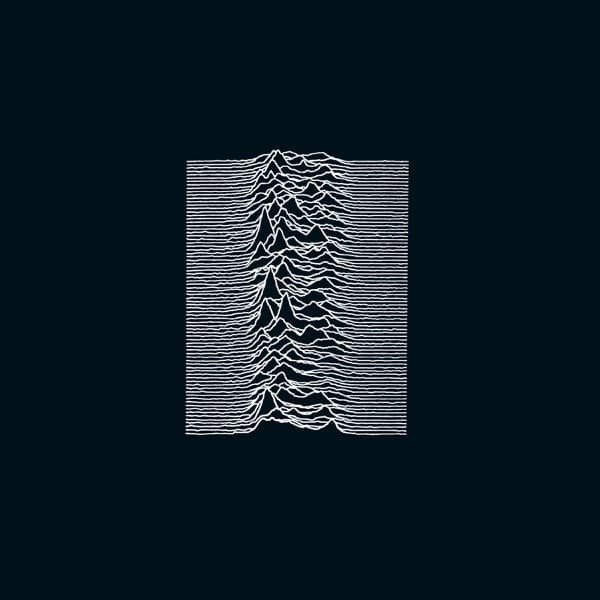
Unknown Pleasures by Joy Division — album cover art

Unknown Pleasures by Joy Division (1979)

A blizzard of white lines on a black field, this 1979 debut carries no band name, no title, nothing. The shape is actually a stack of radio pulses from the first pulsar ever found, and the man who plotted them had no idea his data had become one of rock's most copied images.

Label
Factory Records
Designer
Peter Saville
Genre
Alternative, Rock
Decade
1970s
Read the full story →
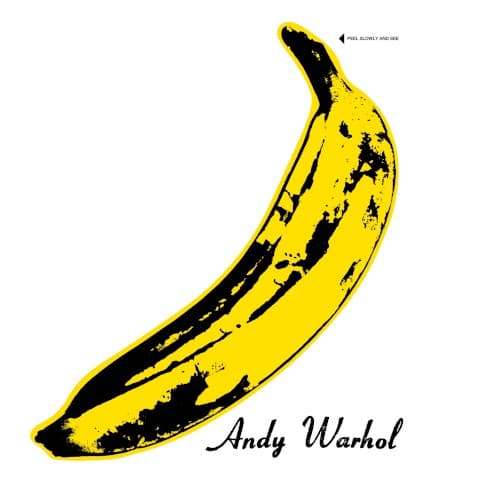
The Velvet Underground & Nico by The Velvet Underground — album cover art

The Velvet Underground & Nico by The Velvet Underground (1967)

A single yellow banana on white, with an instruction to peel it. Andy Warhol's design for The Velvet Underground's 1967 debut sold poorly, sparked lawsuits decades later, and was once called the best album cover ever made.

Label
Verve Records
Designer
Andy Warhol
Genre
Rock, Punk
Decade
1960s
Read the full story →

Related design themes