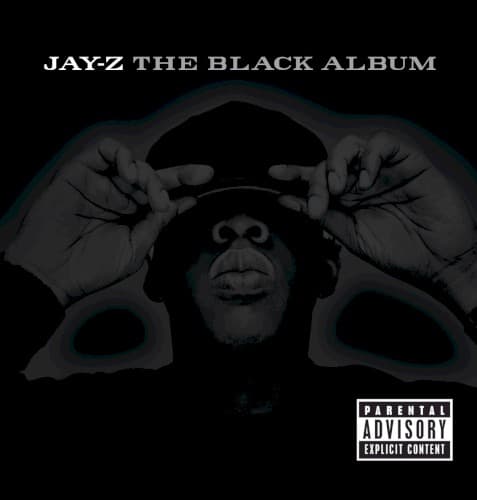
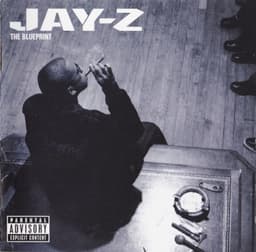

The image that would become The Black Album cover existed long before the album itself. Jonathan Mannion photographed Jay-Z in 2001 during sessions for The Blueprint, capturing the rapper wearing a Wayne Chrebet New York Jets jersey, Roc-A-Fella chain, and several armbands in full color. What fans saw in 2003 was actually this earlier photograph transformed through digital manipulation.
The concept for the cover originated from Jay-Z's vision of literally "going dark" with his supposed final album. Art director Robert Sims recalls that Jay wanted the album packaging to be "graphically minimal, austere and stark on all outer or initial contact." Initially, Jay requested not to appear on the cover at all, preferring only the album title and track listing for promotional materials.
Robert Sims submitted dozens of cover options exploring themes of darkness and light. Some showed Jay's face covered by his hand and hat, others had his back turned. The challenge, Sims explained, was "finding just the right amount of Jay-Z on the cover for it to still be a 'black' album." The chosen image struck the perfect balance between presence and absence.
The creation process involved heavy digital editing of Mannion's original 2001 photograph. The colorful Jets jersey, chain, and background were eliminated or darkened beyond recognition. What remained was a ghostly silhouette of Jay with his baseball cap pulled low over his eyes, creating an image that appeared to fade into blackness. The manipulation was so complete that fans had no idea the "retirement" cover actually came from an earlier, more vibrant shoot.
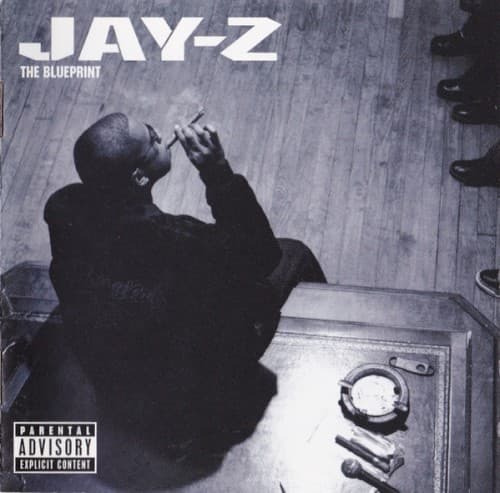
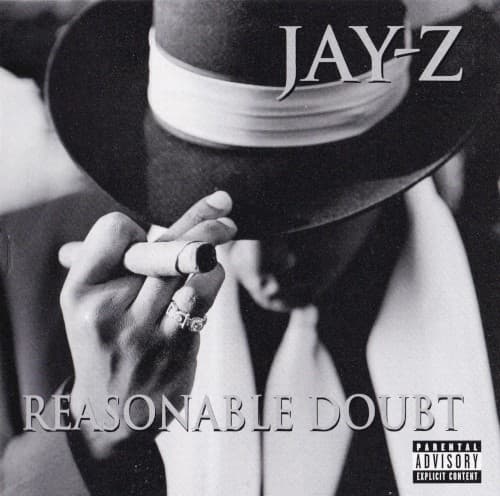
Jonathan Mannion, a Cleveland-born photographer who had become hip-hop's premier portrait artist, had already shot multiple Jay-Z album covers including Reasonable Doubt. His mastery of dramatic black-and-white portraiture made him the perfect collaborator for this project. Mannion later revealed the original photograph on Instagram, shocking fans who had never seen the source material.
Robert Sims served as both art director and designer, interpreting Jay's retirement concept into visual form. His background in graphic design allowed him to envision an album package that would tell two different stories - minimal and stark on the outside, filled with personal photographs and gratitude on the inside spreads. Sims worked closely with Jay to ensure the cover conveyed the proper sense of finality.
The cover's initial release plan involved an all-black jewel case with only a black and silver foil promo sticker for identification. Even the CD's playing surface was black, with the matrix number only visible under flashlight. This extreme commitment to the "black" concept extended to every physical element of the package, creating a unified aesthetic experience.
Critics and fans immediately recognized the cover's power and symbolism. The image perfectly captured the album's retirement narrative while maintaining an air of mystery and sophistication. Sims noted that the cover felt "the most classic" out of all the options presented, and its immediate iconic status proved this instinct correct.
Visually, the cover represents a masterclass in minimalist design and photographic manipulation. The stark contrast between Jay's barely visible features and the deep black background creates an almost ethereal quality. The low-pulled baseball cap creates dramatic shadows, while the fading effect suggests both presence and absence - perfect for a "final" album.
The typography choices were equally minimal, allowing the image to speak for itself. The simple white text against black background echoed classic album design while feeling thoroughly contemporary. This restraint demonstrated confidence in the photograph's strength as the primary visual element.
Culturally, The Black Album cover influenced countless hip-hop and mainstream album covers that followed. Its sophisticated approach to "retirement" imagery showed that rap album covers could be as artistically ambitious as any genre. The cover appeared on multiple "best of" lists and continues to be studied in design schools as an example of effective visual communication.
The cover's legacy grew even stronger when Mannion revealed the original photograph in 2018, fifteen years after the album's release. This revelation added another layer to the cover's story, showing how digital manipulation could completely transform a photograph's meaning and context while maintaining its essential power.
Released through Roc-A-Fella Records and Def Jam Recordings on November 14, 2003, the album debuted at number one, selling 463,000 copies in its first week. The cover's stark beauty proved that sometimes the most powerful images are those that show us what's hidden rather than what's revealed.