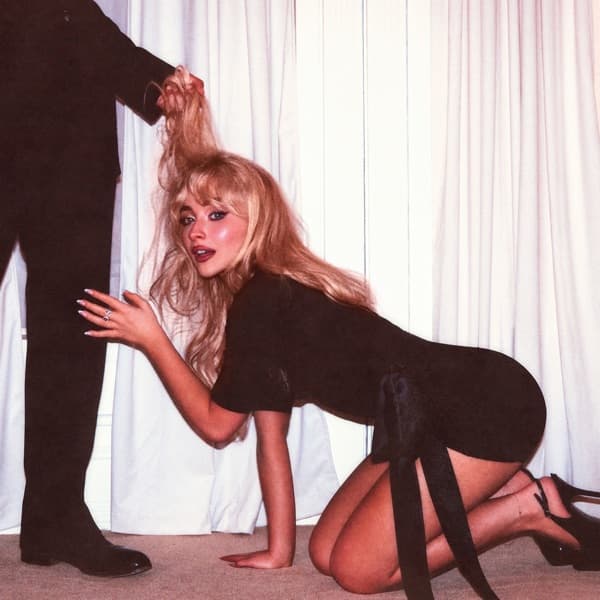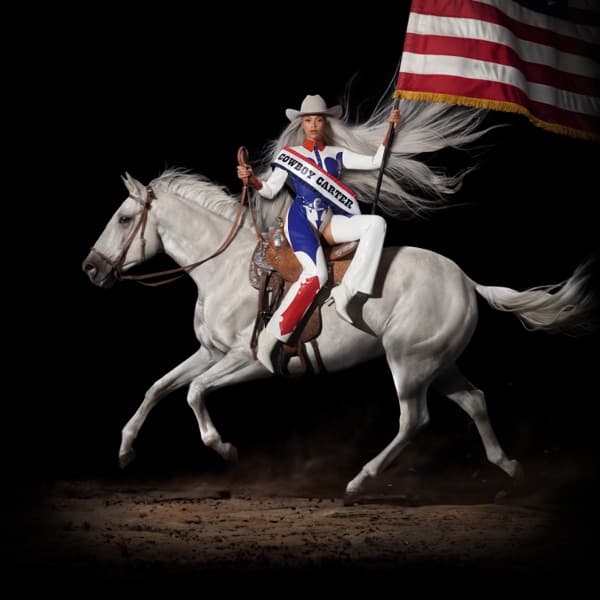
conceptual

75 cover stories in our archive

Behind the Covers' archive includes 75 album covers documented under the "conceptual" design theme, spanning the 1960s, 1970s, 1980s, 1990s, 2000s, 2010s, 2020s. These covers sit within the country, pop, electronic, indie, punk, alternative, hip-hop, soul, r&b, folk, funk, rock, jazz, metal, blues, reggae, experimental tradition and feature work by Morgan Wallen, Chappell Roan, Bad Bunny, Olivia Rodrigo and others. Each entry below includes the cover artwork, the designers and photographers behind it, and a short story about the visual choices that defined the release.

I'm the Problem by Morgan Wallen — album cover art

I'm the Problem by Morgan Wallen (2025)

Sitting in his lawyer's office on the way to court, Morgan Wallen glanced at the old courtroom sketches on the wall and something clicked. The cover of I'm the Problem turns that legal chapter into art: a profile drawn in the very style that captures defendants, not pop stars.

Label
Big Loud / Republic / Mercury
Genre
Country
Decade
2020s

Read the full story →
The Rise and Fall of a Midwest Princess by Chappell Roan — album cover art

The Rise and Fall of a Midwest Princess by Chappell Roan (2023)

A red-haired figure in a tiara and a beaded pageant sash sits before a mirror rimmed with glowing bulbs, half queen and half construction. Chappell Roan built her whole persona as a character, and this 2023 debut turns a Missouri girl's leap to Los Angeles into a full-blown pageant fantasy.

Label
Amusement Records / Island Records
Photographer
Ryan Clemens
Genre
Pop, Electronic
Decade
2020s
Read the full story →
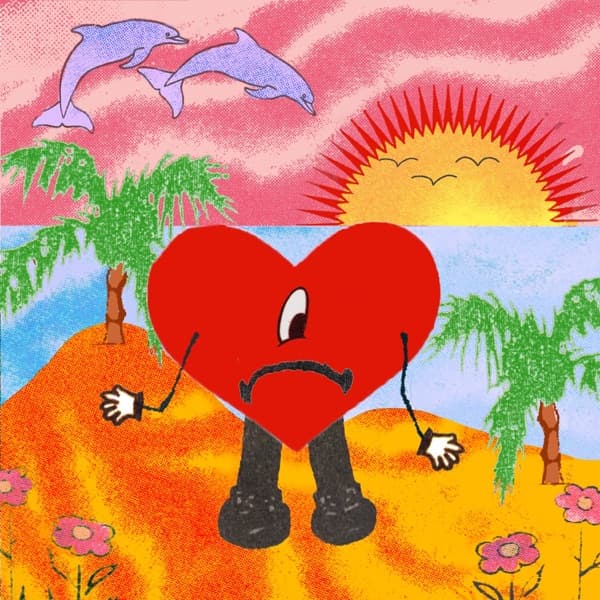
Un Verano Sin Ti by Bad Bunny — album cover art

Un Verano Sin Ti by Bad Bunny (2022)

A heartbroken cartoon heart with one swollen eye stands alone on a golden dune while dolphins leap over a candy-pink sky. It became the year's best-selling album. The strange, tender story of how Bad Bunny's drawing turned into Un Verano Sin Ti.

Label
Rimas Entertainment
Designer
Adrian Hernandez
Genre
Indie
Decade
2020s
Read the full story →
SOUR by Olivia Rodrigo — album cover art

SOUR by Olivia Rodrigo (2021)

A bright purple wall, a defiant stare, and a tongue lettered S-O-U-R in real stickers: Olivia Rodrigo's debut turned a teenage diary into a cover you can't look away from. She picked every sticker herself, chasing a DIY zine feel that spilled across the whole campaign.

Label
Geffen Records
Photographer
Grant Spanier
Genre
Pop, Punk, Alternative
Decade
2020s

Read the full story →
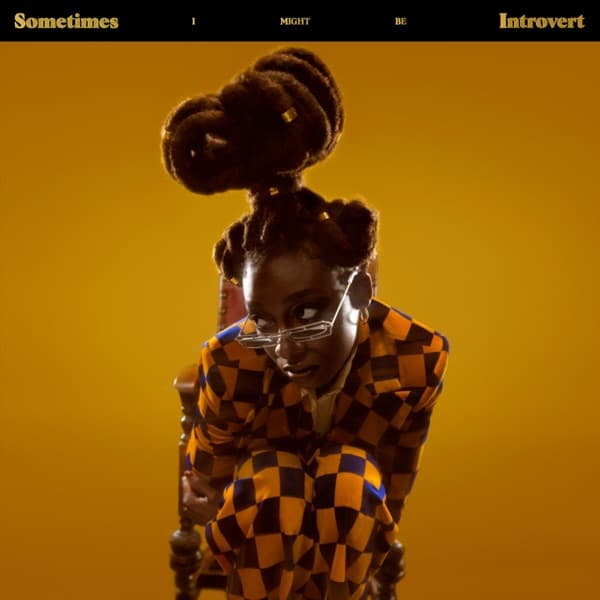
Sometimes I Might Be Introvert by Little Simz — album cover art

Sometimes I Might Be Introvert by Little Simz (2021)

Bathed in molten gold, Little Simz bends toward us over the back of a wooden chair, peering over the rims of her glasses in a checkerboard suit. The 2021 cover that announced Sometimes I Might Be Introvert went on to carry a Mercury Prize and a Brit Award sticker.

Label
Age 101 Music / AWAL
Designer
Jeremy Ngatho Cole
Photographer
Nwaka Okparaeke
Genre
Hip-Hop, Soul, R&B
Decade
2020s

Read the full story →
YHLQMDLG by Bad Bunny — album cover art

YHLQMDLG by Bad Bunny (2020)

A boy pedals a blue BMX straight at you while a car flies through a darkening suburban sky and a house burns behind him. On Bad Bunny's YHLQMDLG cover, look closer: there's a third eye in the middle of his forehead. This is the story of that eye.
Label
Rimas Entertainment
Genre
Hip-Hop
Decade
2020s
Read the full story →
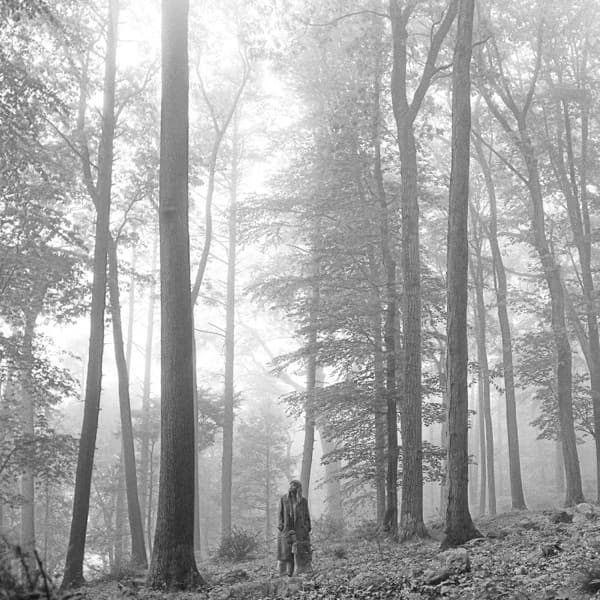
folklore by Taylor Swift — album cover art

folklore by Taylor Swift (2020)

In July 2020, with the world shut down, Taylor Swift vanished into a friend's woods with one photographer, no crew, and nightgowns ordered online. The black-and-white image she came back with shows her almost lost among the trees, a tiny pioneer figure swallowed by fog. The cover for folklore is a story about scale, solitude, and making art with whatever you have.

Label
Republic Records
Photographer
Beth Garrabrant
Genre
Indie, Alternative, Folk
Decade
2020s
Read the full story →
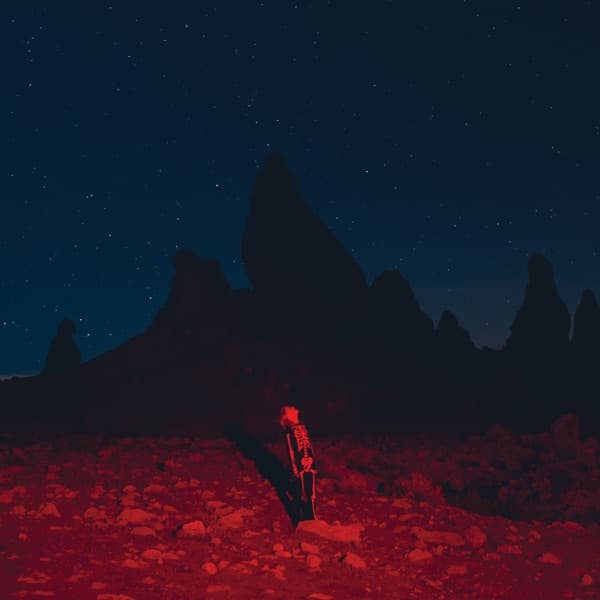
Punisher by Phoebe Bridgers — album cover art

Punisher by Phoebe Bridgers (2020)

At 3 AM in a pitch-black desert, photographer Olof Grind painted the sand red with a flashlight and a gel filter while Phoebe Bridgers stood dead still in a skeleton suit, waiting to be beamed into the sky. The Punisher cover turns a 30-second exposure into a scene of cosmic abduction.

Label
Dead Oceans
Photographer
Olof Grind
Genre
Indie
Decade
2020s
Read the full story →
After Hours by The Weeknd — album cover art

After Hours by The Weeknd (2020)

A bloodied, grinning face tilts toward the light on the cover of The Weeknd's After Hours. Shot by Anton Tammi against a sickly red glow, it borrows its title from a 1985 film and its menace from cinema. What looks like a portrait is really a confession.

Label
XO and Republic Records
Photographer
Anton Tammi
Genre
R&B, Electronic, Alternative
Decade
2020s
Read the full story →
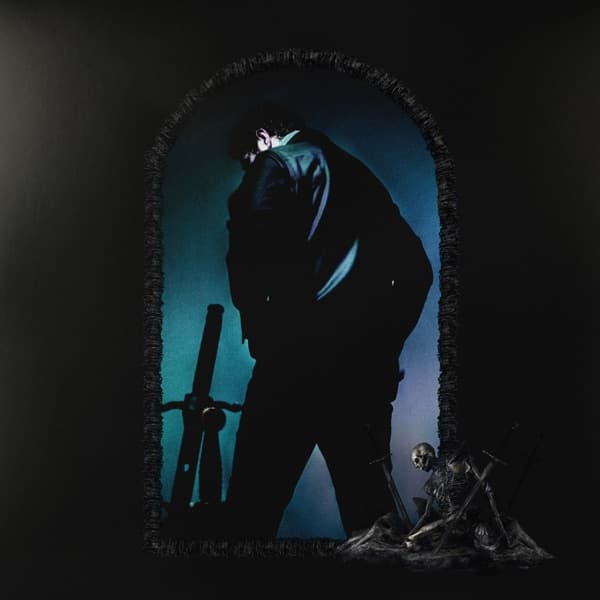
Hollywood's Bleeding by Post Malone — album cover art

Hollywood's Bleeding by Post Malone (2019)

A silhouetted figure in a leather jacket turns his back on the viewer inside a glowing archway, a sword and a skeleton at his feet. The image that fronts Post Malone's Hollywood's Bleeding was made by an artist he was already a fan of, and it looks less like a pop record than a fantasy paperback come to life.

Label
Republic Records
Photographer
Brandon Bowen
Genre
Pop, Hip-Hop
Decade
2010s
Read the full story →
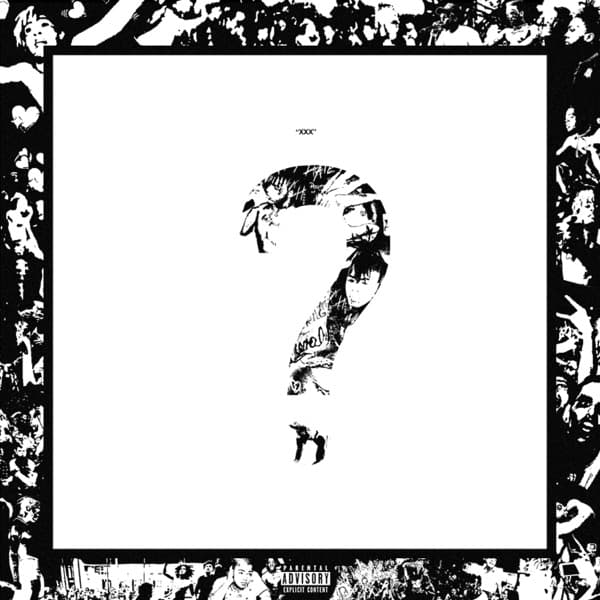
? by XXXTentacion — album cover art

? by XXXTentacion (2018)

A giant question mark, filled with fractured photographs and torn edges, floats on a clean white square while a screaming crowd presses in from every side. XXXTentacion's 2018 album ? turns a single punctuation mark into its whole identity.

Genre
Hip-Hop, Alternative
Decade
2010s
Read the full story →
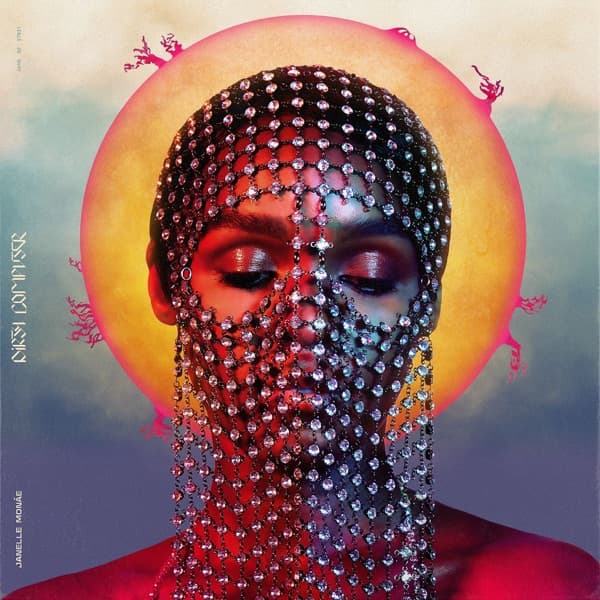
Dirty Computer by Janelle Monáe — album cover art

Dirty Computer by Janelle Monáe (2018)

Janelle Monáe stares out from behind a veil of jewels, her face split between fevered red and cool blue, haloed by a burning sun. The 2018 cover for Dirty Computer caused an online explosion the moment it dropped. Here's why it stops you.

Label
Wondaland Arts Society / Bad Boy Records / Atlantic Records
Designer
Free Marseille (cover design); Abdul Ali (graphic design)
Photographer
JUCO (Julia Galdo and Cody Cloud)
Genre
Funk, R&B, Pop
Decade
2010s
Read the full story →
Blackstar by David Bowie — album cover art

Blackstar by David Bowie (2016)

David Bowie's final album cover shows no face, only a solid black star and a row of broken fragments. Designer Jonathan Barnbrook built it around mortality, hidden fields of stars, and a secret spelled out beneath the symbol. Bowie died two days after its release.

Label
ISO / Columbia / Sony
Designer
Jonathan Barnbrook
Photographer
Jimmy King
Genre
Rock
Decade
2010s
Read the full story →
A Seat at the Table by Solange — album cover art

A Seat at the Table by Solange (2016)

She faces you head-on, hair scattered with dozens of half-clipped clips, mid-transformation and utterly still. Behind Solange's 2016 portrait is a partnership that began with a single Instagram discovery and grew into a statement about black women's solidarity.

Label
Saint Records / Columbia Records
Photographer
Carlota Guerrero
Genre
R&B, Soul
Decade
2010s
Read the full story →
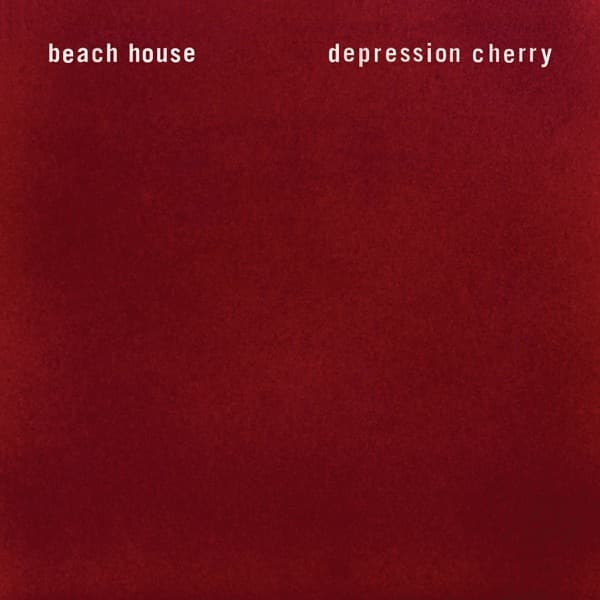
Depression Cherry by Beach House — album cover art

Depression Cherry by Beach House (2015)

Beach House wrapped their 2015 album in a cover you were supposed to feel, not scroll past: a sleeve lined with red velvet, soft to the touch, an object built to resist the frictionless swipe of the internet. The image is almost nothing but deep red and two lines of quiet lowercase type. Here is why that emptiness is the whole point.

Label
Sub Pop
Genre
Pop
Decade
2010s
Read the full story →
To Pimp a Butterfly by Kendrick Lamar — album cover art

To Pimp a Butterfly by Kendrick Lamar (2015)

A black-and-white house party erupts on the White House lawn, dollar bills fanned in fists, a baby cradled in the crowd, and a dead judge sprawled at everyone's feet. Kendrick Lamar's 2015 photograph turned the seat of American power into a stage for the kids he grew up with in Compton.

Label
Top Dawg Entertainment / Aftermath Entertainment / Interscope Records
Designer
Vlad Sepetov
Photographer
Denis Rouvre
Genre
Hip-Hop, Jazz, Funk
Decade
2010s
Read the full story →
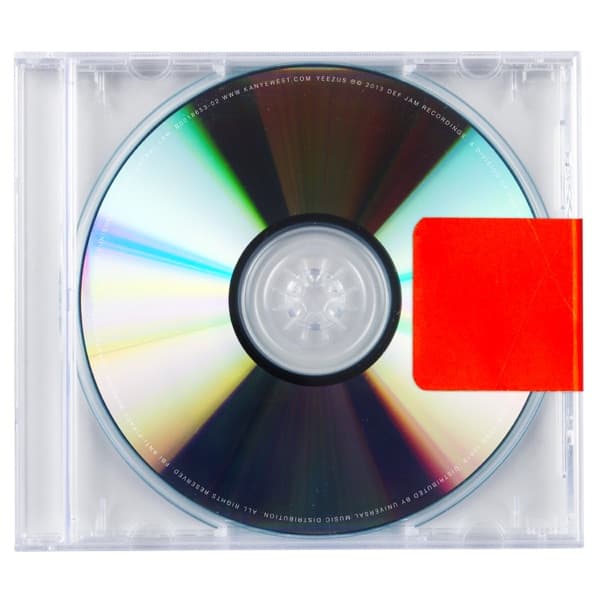
Yeezus by Kanye West — album cover art

Yeezus by Kanye West (2013)

Kanye West sold one of 2013's most talked-about albums in a clear plastic case with a single piece of red tape slapped on it. There was no cover, on purpose. One collaborator called it an 'open casket' for the dying CD. Behind that emptiness sat a discarded George Condo painting, a scrapped title, and a charge of theft.

Label
Def Jam Recordings
Designer
Joe Perez
Genre
Hip-Hop
Decade
2010s
Read the full story →
Channel Orange by Frank Ocean — album cover art

Channel Orange by Frank Ocean (2012)

Frank Ocean's Channel Orange features one of the most deceptively simple covers of the 2010s - a pure orange rectangle with no text. The minimalist design was Ocean's own concept, rejecting traditional album artwork conventions to create something that felt more like a color swatch than a music package.

Label
Def Jam Recordings
Designer
Frank Ocean
Genre
R&B
Decade
2010s
Read the full story →
good kid, m.A.A.d city by Kendrick Lamar — album cover art

good kid, m.A.A.d city by Kendrick Lamar (2012)

A maroon minivan sits on a cracked Compton street under a hard blue sky, bent slightly by a fisheye lens. It's the deluxe face of Kendrick Lamar's 2012 album, whose standard cover is a real family Polaroid: a toddler Kendrick on his uncle's lap, the adults' eyes blacked out, a 40-ounce beside a baby bottle.

Label
Interscope Records / Top Dawg Entertainment / Aftermath Entertainment
Photographer
Dan Monick
Genre
Hip-Hop
Decade
2010s
Read the full story →
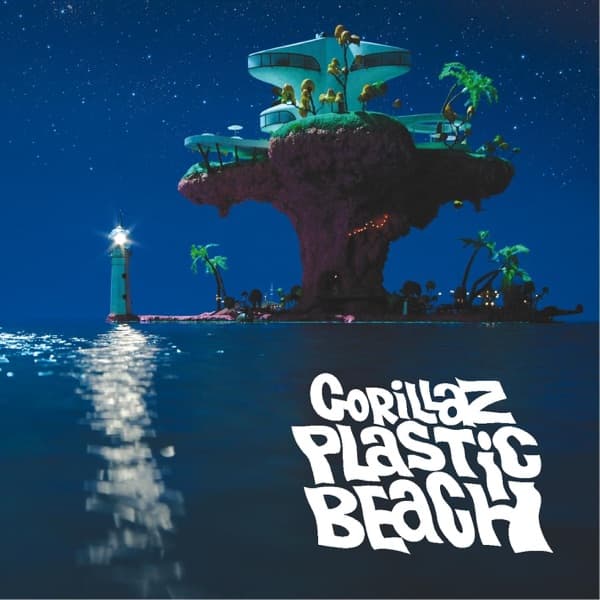
Plastic Beach by Gorillaz — album cover art

Plastic Beach by Gorillaz (2010)

That serene tropical island glowing under a starfield isn't a paradise. It's a mound of ocean trash, and to photograph it Gorillaz built a four-metre model and dropped it into a 50,000-litre water tank. Here's how a beach made of garbage became one of the prettiest sights of 2010.

Label
Parlophone (international) / Virgin Records (US)
Designer
Zombie Flesh Eaters
Genre
Electronic, Alternative, Pop
Decade
2010s
Read the full story →
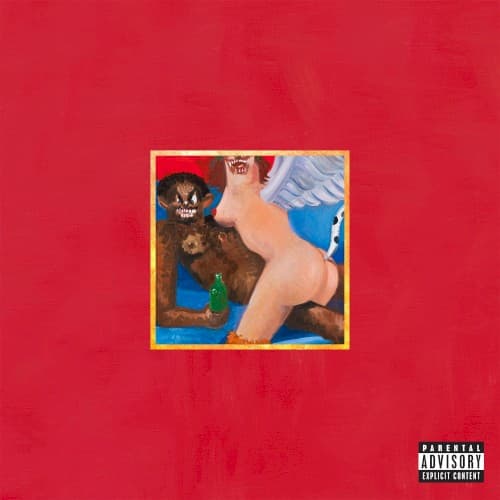
My Beautiful Dark Twisted Fantasy by Kanye West — album cover art

My Beautiful Dark Twisted Fantasy by Kanye West (2010)

A blazing red square hides a secret behind a wall of pixels: George Condo's phoenix painting, deliberately built by Kanye West to get banned. The story of how a nude monster with a polka-dot tail and no arms sparked a retail war and a Nirvana comparison.

Label
Def Jam Recordings / Roc-A-Fella Records
Designer
George Condo
Genre
Hip-Hop, Pop
Decade
2010s
Read the full story →
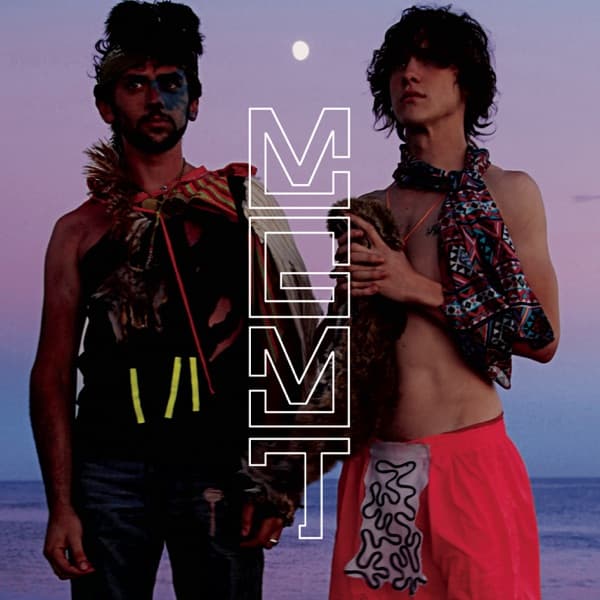
Oracular Spectacular by MGMT — album cover art

Oracular Spectacular by MGMT (2007)

Two young men stand on a beach at dusk in feathers, war paint, and hot-pink shorts, a pale moon hanging between them. This is MGMT before the world caught on: a costume-shop fever dream shot during a music video, stamped with a logo Andrew VanWyngarden drew by hand.

Label
RED Ink / Columbia
Photographer
Sam Fleischner
Genre
Pop, Electronic
Decade
2000s
Read the full story →
Yoshimi Battles the Pink Robots by The Flaming Lips — album cover art

Yoshimi Battles the Pink Robots by The Flaming Lips (2002)

The Flaming Lips created their most iconic cover using simple pink lettering on white, letting the intriguing title do all the visual heavy lifting. This minimalist approach marked a radical departure from their previous psychedelic artwork.

Label
Warner Bros. Records
Designer
The Flaming Lips
Genre
Alternative, Indie, Rock
Decade
2000s
Read the full story →
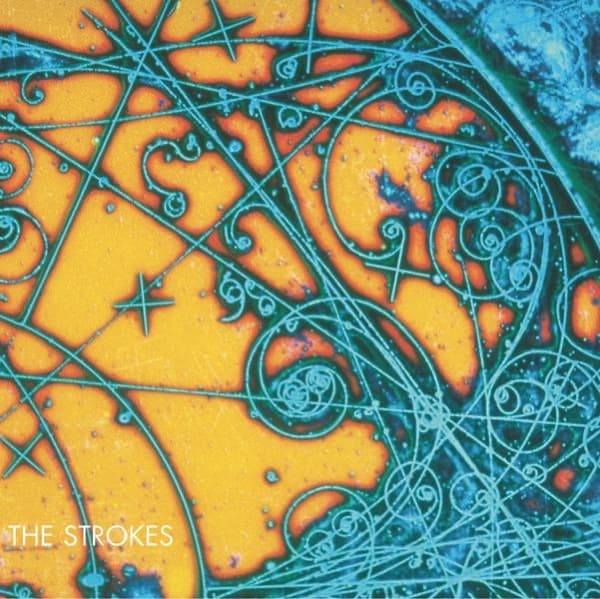
Is This It by The Strokes — album cover art

Is This It by The Strokes (2001)

The US cover of The Strokes' debut isn't a hip in a leather glove. It's the wreckage of subatomic particles smashing apart inside a European physics chamber, an image that had already lived on a Prince record and a science book before it reached Times Square.

Label
RCA Records (international); Rough Trade Records (UK)
Photographer
Colin Lane
Genre
Rock, Indie, Alternative
Decade
2000s
Read the full story →
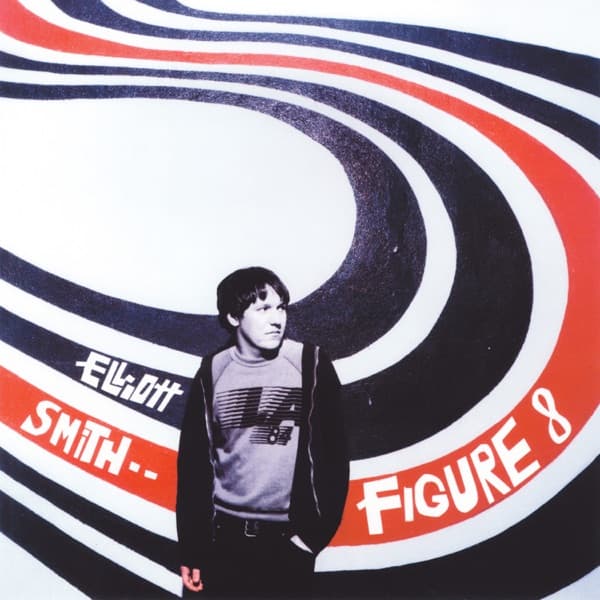
Figure 8 by Elliott Smith — album cover art

Figure 8 by Elliott Smith (2000)

A young man stands dwarfed by a swirling black, red, and white mural on a Los Angeles sidewalk. Autumn de Wilde chose that wall because she'd loved it since childhood, calling it the ugliest mural she'd ever seen and then the most beautiful. After Elliott Smith's death in 2003, it became a shrine.

Label
DreamWorks Records
Photographer
Autumn de Wilde
Genre
Indie, Pop
Decade
2000s
Read the full story →
Kid A by Radiohead — album cover art

Kid A by Radiohead (2000)

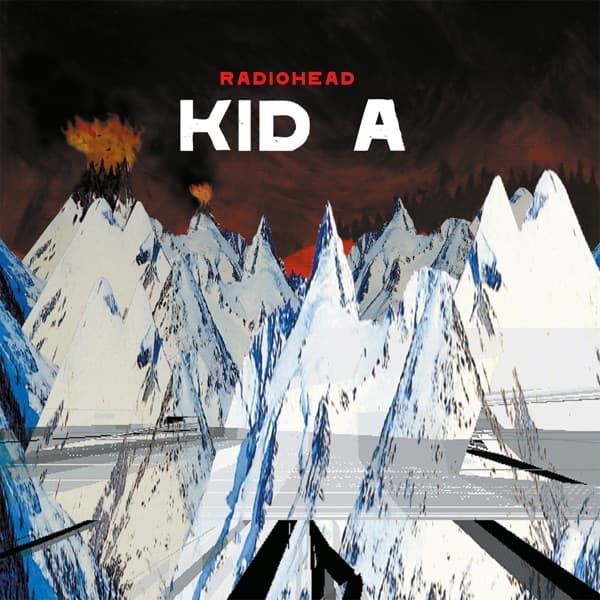
Radiohead's Kid A wears a range of barbed, snow-blasted peaks with fire pouring from their summits. Stanley Donwood painted those canvases with knives and sticks, and a Kosovo war photo of debris in snow lit the fuse. One late Oxfordshire night, too many cover versions were taped to a fridge until the right one announced itself.

Label
Parlophone
Designer
Stanley Donwood
Genre
Rock, Electronic
Decade
2000s
Read the full story →
Ágætis byrjun by Sigur Rós — album cover art

Ágætis byrjun by Sigur Rós (1999)

It looks like an X-ray of something that shouldn't exist: a curled human foetus with wings, glowing white against deep navy. The truth behind it is even stranger. One Icelandic artist drew the whole thing with a single Bic ballpoint pen, then flipped it into light.

Label
Smekkleysa / Fat Cat
Genre
Rock, Pop
Decade
1990s
Read the full story →
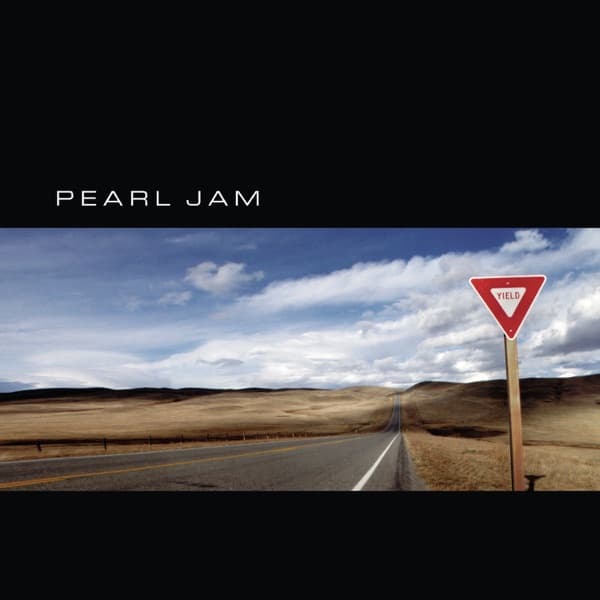
Yield by Pearl Jam — album cover art

Yield by Pearl Jam (1998)

A two-lane highway runs empty toward the horizon while a red YIELD sign stands guard on the roadside. Pearl Jam's bassist shot it near his Montana home, and open the CD and the same road is drowning underwater. The image quietly announced that the band had stopped fighting.

Label
Epic
Designer
Barry Ament and Coby Schultz (Ames Bros)
Photographer
Jeff Ament
Genre
Alternative, Rock
Decade
1990s
Read the full story →
The Colour and the Shape by Foo Fighters — album cover art

The Colour and the Shape by Foo Fighters (1997)

The minimalist 3D rendered cover resembles the Atomium structure from the 1958 Brussels World's Fair. Dave Grohl joked the album cover almost featured a psychoanalyst's couch, reflecting the album's therapy session concept.

Label
Roswell Records/Capitol Records
Designer
George Mimnaugh, Jeffery Fey
Photographer
Josh Kessler
Genre
Alternative
Decade
1990s
Read the full story →
Portishead by Portishead — album cover art

Portishead by Portishead (1997)

A small girl in a white dress stands alone on a pedestal while a giant faceless suit looms in the foreground, both branded with a single letter P. Portishead's 1997 self-titled album froze a frame from the 'All Mine' video into the most austere sleeve the band ever released, and the mysterious P logo began as an old Phillips badge.

Label
Go! Beat
Designer
Marc Bessant
Genre
Electronic
Decade
1990s
Read the full story →
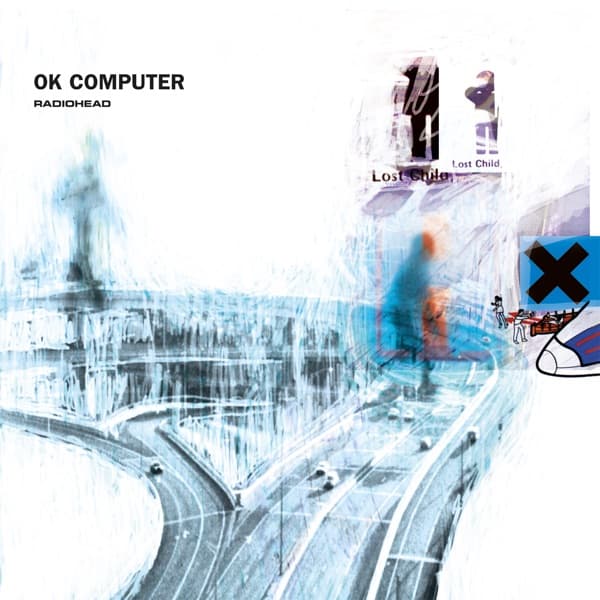
OK Computer by Radiohead — album cover art

OK Computer by Radiohead (1997)

A bleached-bone highway interchange dissolves into white fog, scrawled over with stick figures, the words 'Lost Child,' and a stolen airplane safety card. Radiohead's Thom Yorke and Stanley Donwood built this 1997 collage on a brand-new Mac with one strict rule: no undo key, ever.

Label
Parlophone
Designer
Stanley Donwood
Genre
Alternative, Rock
Decade
1990s
Read the full story →
Odelay by Beck — album cover art

Odelay by Beck (1996)

A shaggy Hungarian sheepdog frozen mid-leap over a hurdle became one of the strangest album covers of the 1990s. Beck picked the 1977 dog-show photo one day before deadline, and the record company's only reaction was relief the album would ship on time. Here's how a bundle of flying noodles ended up on Odelay.

Label
DGC Records
Designer
Robert Fisher
Photographer
Joan Ludwig
Genre
Alternative
Decade
1990s
Read the full story →
ATLiens by OutKast — album cover art

ATLiens by OutKast (1996)

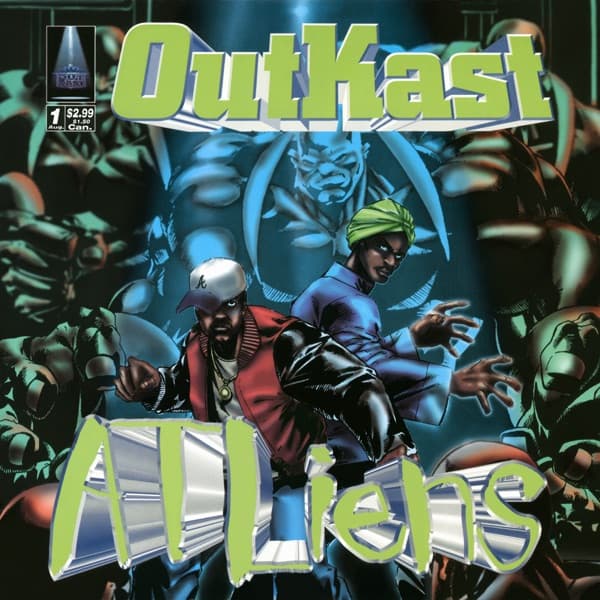
OutKast's groundbreaking sophomore album cover transformed the duo into literal aliens landing in Atlanta's skyline, visualizing their concept of being outsiders in both hip-hop and their hometown. The stark sci-fi imagery marked a bold departure from typical rap album covers of the era.

Label
LaFace Records
Designer
OutKast and LaFace Records art department
Genre
Hip-Hop
Decade
1990s
Read the full story →
Post by Björk — album cover art

Post by Björk (1995)

On 1 April 1995, Björk stood in Piccadilly Circus in a jacket made of airmail envelope paper, surrounded by giant postcards. The cover of Post turned homesickness into design: a woman trying to mail herself back to Iceland.

Label
One Little Indian
Designer
Paul White
Photographer
Stéphane Sednaoui
Genre
Pop, Electronic, Alternative
Decade
1990s
Read the full story →
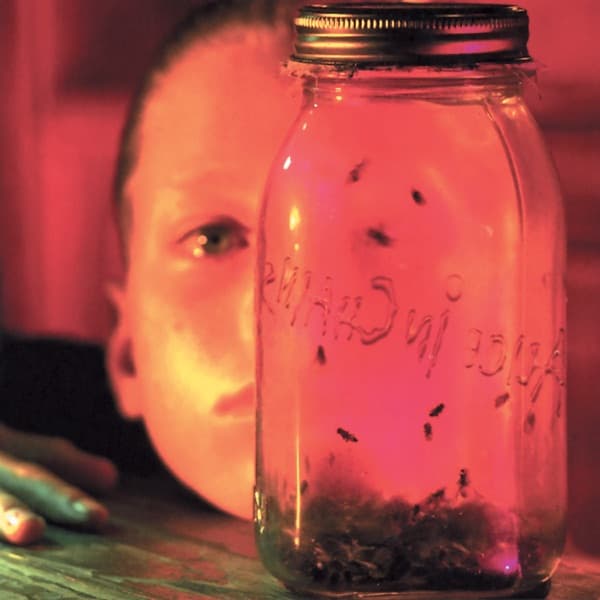
Jar of Flies by Alice in Chains — album cover art

Jar of Flies by Alice in Chains (1994)

A child's face glows red behind a Mason jar clouded with real flies, the band's name embossed backwards in the glass. The image traces back to Jerry Cantrell's third-grade science experiment, and to a photographer whose assistant kept refilling the jar from a horse stable because the flies would not stop dying.

Label
Columbia
Designer
Mary Maurer
Photographer
Rocky Schenck
Genre
Rock
Decade
1990s
Read the full story →
Superunknown by Soundgarden — album cover art

Superunknown by Soundgarden (1994)

Fans call it the 'Screaming Elf,' but that laughing face burning at the center of Soundgarden's Superunknown is Chris Cornell, flanked by two bandmates whose warped features look like flailing arms. Kevin Westenberg called the whole thing 'one glorious accident.' There was no plan that day, and one member got cropped out entirely.

Label
A&M Records
Designer
Kelk
Photographer
Kevin Westenberg
Genre
Alternative, Rock
Decade
1990s
Read the full story →
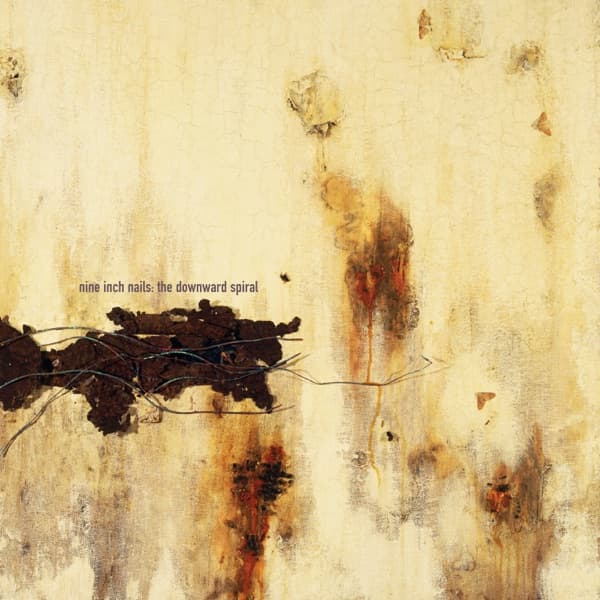
The Downward Spiral by Nine Inch Nails — album cover art

The Downward Spiral by Nine Inch Nails (1994)

Trent Reznor gave a British collagist three words: attrition, wound, decay. Russell Mills answered with a two-foot panel built from plaster, rusted metal, dead insects, surgical bandages, and his own blood. The result stares back from The Downward Spiral like something scraped from a fevered wall.

Label
Nothing Records / Interscope Records
Designer
Russell Mills
Genre
Rock, Alternative
Decade
1990s
Read the full story →
Ready to Die by The Notorious B.I.G. — album cover art

Ready to Die by The Notorious B.I.G. (1994)

A bare-skinned baby with a towering afro sits alone on white, and for 17 years nobody knew who he was. The mystery child on The Notorious B.I.G.'s 1994 debut was paid $150 for a two-hour shoot — and his face became one of hip-hop's most argued-over images.

Label
Bad Boy Records
Designer
Cey Adams
Photographer
Butch Belair
Genre
Hip-Hop
Decade
1990s
Read the full story →
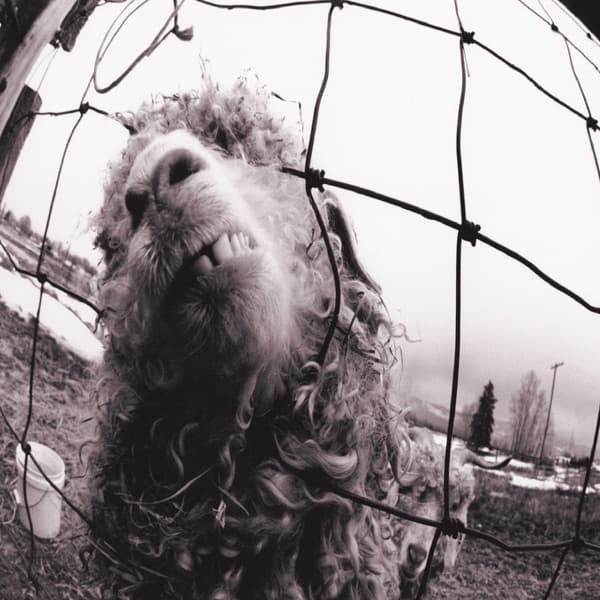
Vs. by Pearl Jam — album cover art

Vs. by Pearl Jam (1993)

Pearl Jam's second album features a stark black-and-white sheep photograph that became one of grunge's most minimalist covers. The band chose the image to represent conformity and mass mentality, creating an unexpectedly pastoral contrast to their heavy sound.

Label
Epic Records
Designer
Jerome Turner
Photographer
Lance Mercer
Genre
Alternative, Rock
Decade
1990s
Read the full story →
Nevermind by Nirvana — album cover art

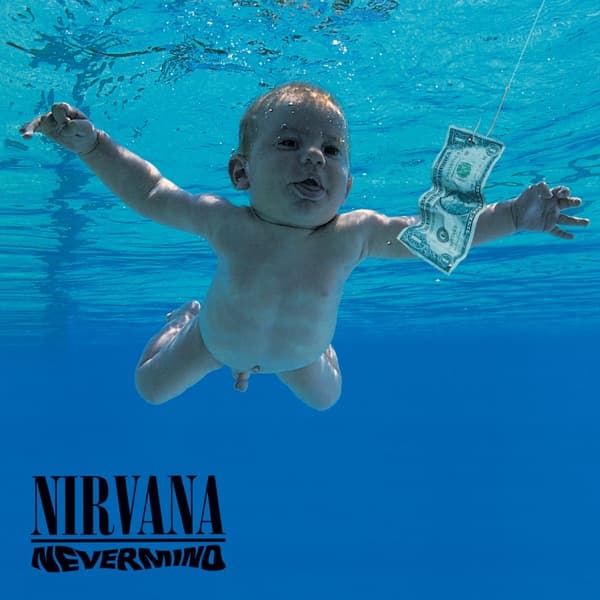
Nevermind by Nirvana (1991)

A four-month-old baby swims naked toward a dollar bill on a fishhook — and decades later that baby would sue the band. The story behind Nirvana's 1991 cover runs from a TV program on water births to a censorship fight Kurt Cobain won with a single outrageous sentence.

Label
DGC Records
Designer
Robert Fisher
Photographer
Kirk Weddle
Genre
Alternative
Decade
1990s
Read the full story →
The Stone Roses by The Stone Roses — album cover art

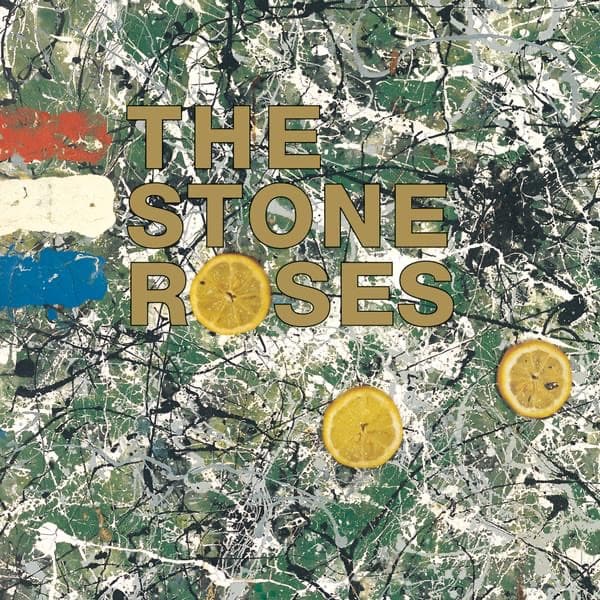
The Stone Roses by The Stone Roses (1989)

A guitarist learned to paint like Jackson Pollock, then nailed three slices of lemon to his canvas. The reason involves a 65-year-old Parisian, tear gas, and student riots from twenty years before The Stone Roses pressed a single note.

Label
Silvertone
Designer
John Squire
Genre
Indie
Decade
1980s
Read the full story →
Disintegration by The Cure — album cover art

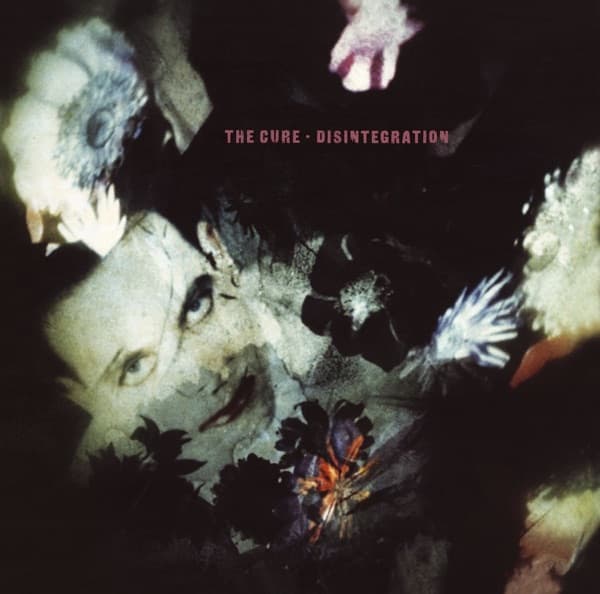
Disintegration by The Cure (1989)

A face half-drowned in flowers and shadow, blurred to the edge of vanishing. The man behind The Cure's Disintegration never meant to be on its cover at all, yet there he is, seeping into the dark. Andy Vella built the whole image from Polaroids, projected and re-photographed until colour itself came apart.

Label
Fiction Records
Designer
Andy Vella (as Parched Art)
Photographer
Andy Vella (as Parched Art)
Genre
Rock, Alternative
Decade
1980s
Read the full story →
Surfer Rosa by Pixies — album cover art

Surfer Rosa by Pixies (1988)

A topless flamenco dancer stands against a peeling wall hung with a crucifix and a torn poster for a Spanish film—an image born in a 'topless Spanish bar' and 'loaded with Catholicism.' This is the cover that helped launch a band, fed Kurt Cobain's blueprint for Nevermind, and now sits in the V&A.

Label
4AD
Designer
Vaughan Oliver
Photographer
Simon Larbalestier
Genre
Alternative, Rock, Indie
Decade
1980s
Read the full story →
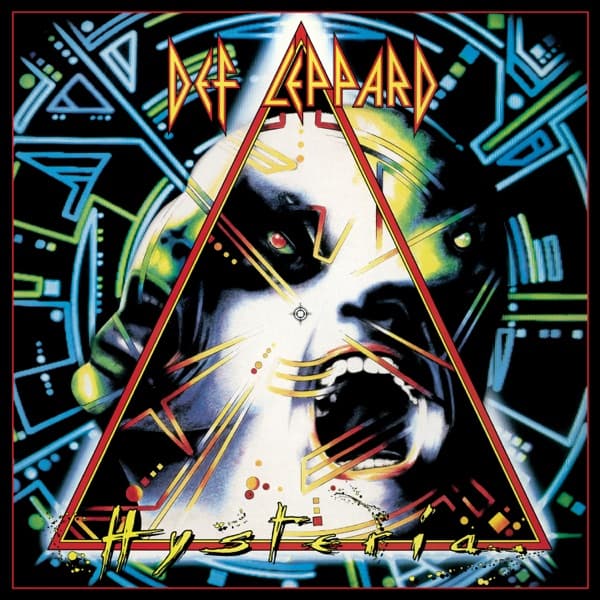
Hysteria by Def Leppard — album cover art

Hysteria by Def Leppard (1987)

A screaming, distorted face stares out from inside Def Leppard's triangle on 1987's Hysteria. Designer Andie Airfix reworked an entire eagle-lion-shark concept when the album's title changed, then split the art into nine secret panels that assembled into one giant mural.

Label
Mercury Records
Designer
Andie Airfix
Genre
Rock, Metal
Decade
1980s
Read the full story →
Master of Puppets by Metallica — album cover art

Master of Puppets by Metallica (1986)

The haunting cemetery scene that graces Metallica's thrash masterpiece was shot at dawn in a San Francisco Bay Area graveyard, with designer Don Brautigam creating one of metal's most iconic images of control and manipulation through meticulous attention to the puppet strings stretching across endless white crosses.

Label
Elektra Records
Designer
Don Brautigam
Genre
Metal
Decade
1980s
Read the full story →
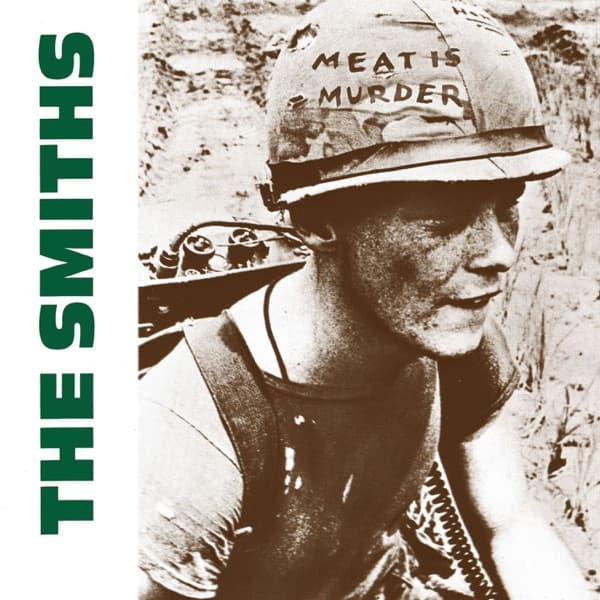
Meat Is Murder by The Smiths — album cover art

Meat Is Murder by The Smiths (1985)

The young Marine staring past you never agreed to become the face of a vegetarian anthem. His helmet once read 'Make War Not Love.' Morrissey changed two words, cloned him fourfold like a Warhol print, and turned a Vietnam still into the Smiths' only UK number one.

Label
Rough Trade Records
Designer
Caryn Gough
Genre
Indie, Alternative, Pop
Decade
1980s
Read the full story →
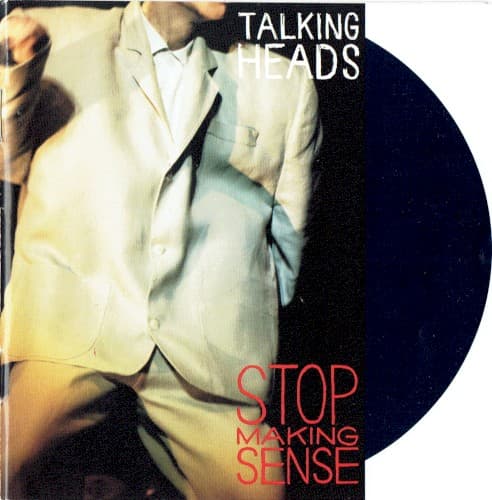
Stop Making Sense by Talking Heads — album cover art

Stop Making Sense by Talking Heads (1984)

A man in an oversized cream suit caught mid-motion, his head cropped clean off the frame by a black half-circle. Talking Heads turned a body in a too-big jacket into one of pop's most recognizable images, now hanging in MoMA. Here is the story behind the big coat.

Label
Sire Records
Designer
Michael Hodgson
Photographer
Adelle Lutz
Genre
Alternative, Rock
Decade
1980s
Read the full story →
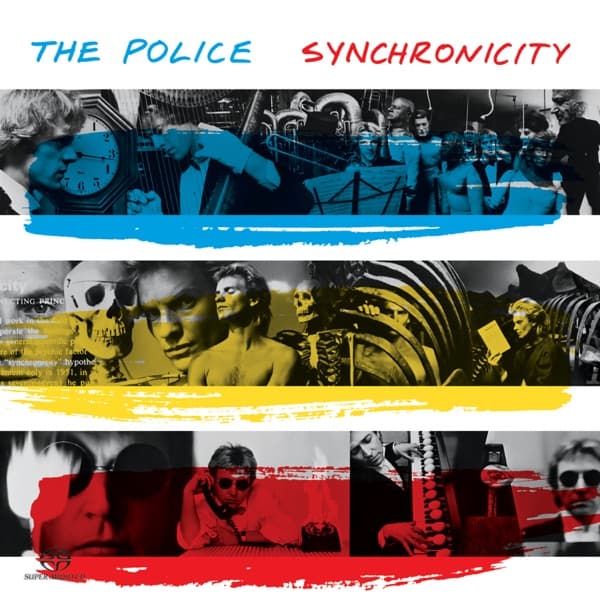
Synchronicity by The Police — album cover art

Synchronicity by The Police (1983)

The Police's final masterpiece features striped portraits that weren't supposed to match but created an accidental optical illusion. Each band member was photographed separately, yet the lines align perfectly when placed together - a visual metaphor for synchronicity itself.

Label
A&M Records
Designer
Norman Moore
Photographer
Duane Michals
Genre
Rock, Pop
Decade
1980s
Read the full story →
Breakfast in America by Supertramp — album cover art

Breakfast in America by Supertramp (1979)

A jolly waitress named Libby hoists a glass of orange juice where the Statue of Liberty should hold her torch, and behind her Manhattan is built entirely from cereal boxes and cutlery, all spray-painted white. Supertramp's 1979 blockbuster turned a diner breakfast into the New York skyline and won a Grammy for it.

Label
A&M Records
Designer
Mick Haggerty
Photographer
Aaron Rapoport
Genre
Pop, Rock
Decade
1970s
Read the full story →
The Wall by Pink Floyd — album cover art

The Wall by Pink Floyd (1979)

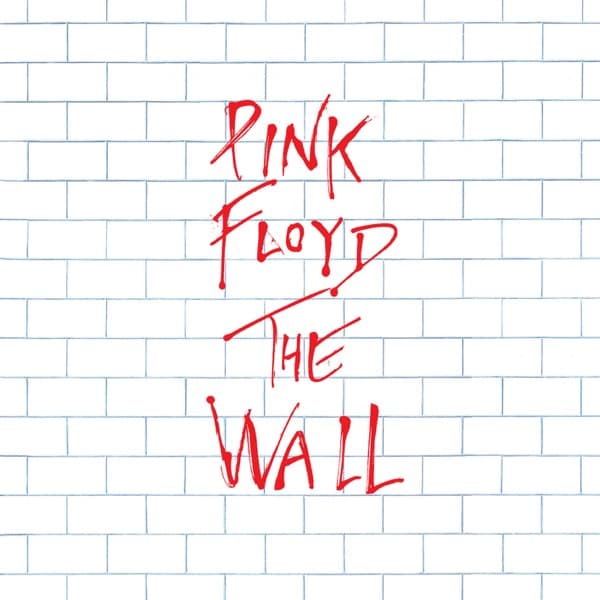
Pink Floyd's most stripped-down sleeve is a plain white brick wall. Behind it sits a feud, a fired design group, and a political cartoonist scribbling the title in red across a kitchen table in the South of France.

Label
Harvest/EMI and Columbia/CBS Records
Designer
Gerald Scarfe
Genre
Rock
Decade
1970s
Read the full story →
Fear of Music by Talking Heads — album cover art

Fear of Music by Talking Heads (1979)

David Byrne created this stark, unsettling cover by photocopying his own face repeatedly until the image degraded into a haunting, pixelated portrait that perfectly captured the album's paranoid themes.

Label
Sire Records
Designer
David Byrne
Genre
Rock, Alternative
Decade
1970s
Read the full story →
Unknown Pleasures by Joy Division — album cover art

Unknown Pleasures by Joy Division (1979)

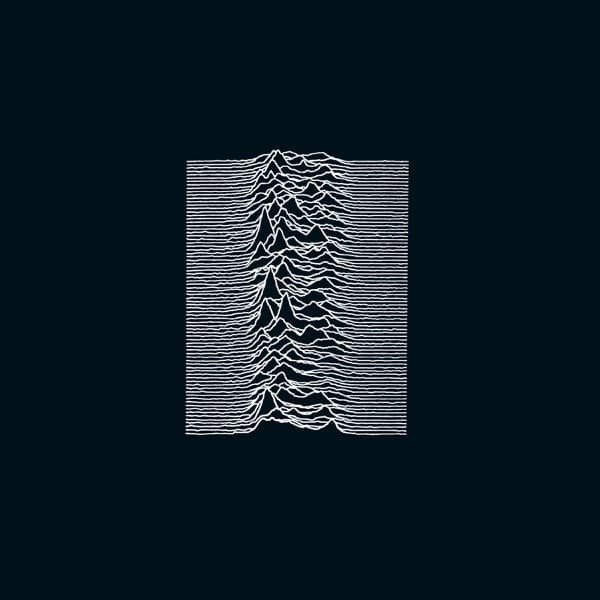
A blizzard of white lines on a black field, this 1979 debut carries no band name, no title, nothing. The shape is actually a stack of radio pulses from the first pulsar ever found, and the man who plotted them had no idea his data had become one of rock's most copied images.

Label
Factory Records
Designer
Peter Saville
Genre
Alternative, Rock
Decade
1970s
Read the full story →
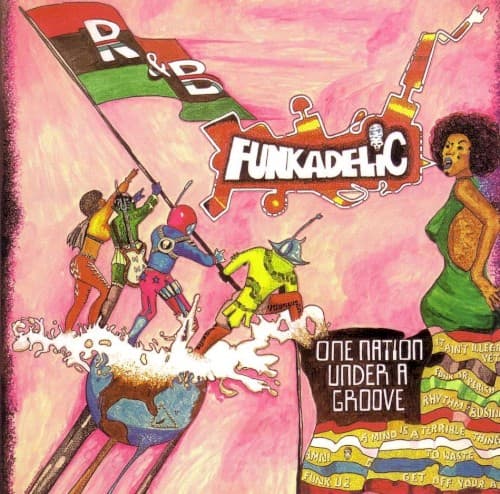
One Nation Under a Groove by Funkadelic — album cover art

One Nation Under a Groove by Funkadelic (1978)

George Clinton called Pedro Bell an 'urban Hieronymus Bosch' who 'inverted psychedelia through the ghetto.' On Funkadelic's biggest album, Bell didn't just draw a cover — he built the visual myth of P-Funk itself, signing on as an 'electric marker heathen of speedomatic dabblings.'

Label
Warner Bros. Records
Designer
Pedro Bell
Genre
Funk, Rock
Decade
1970s
Read the full story →
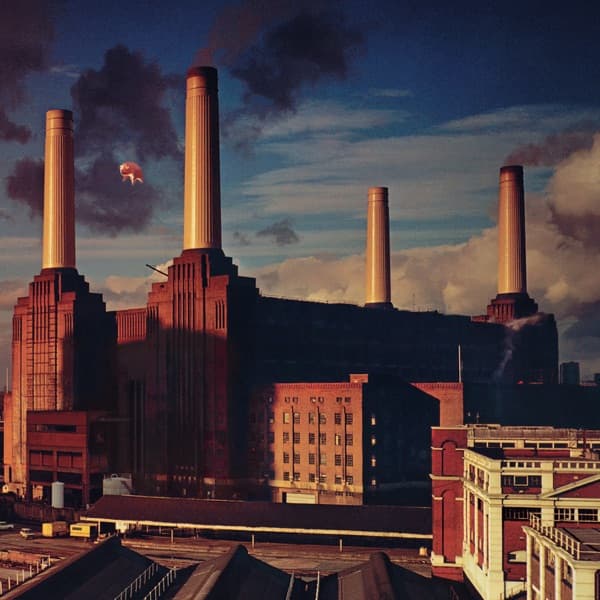
Animals by Pink Floyd — album cover art

Animals by Pink Floyd (1977)

A 40-foot helium pig named Algie floats between the chimneys of Battersea Power Station on Pink Floyd's 1977 cover. During the shoot it broke free, drifted into Heathrow's flight paths and grounded planes before landing in a Kent farmer's field. The image you see is a splice of two different days.

Label
Harvest Records
Designer
Storm Thorgerson
Photographer
Aubrey Powell
Genre
Rock
Decade
1970s
Read the full story →
Trans-Europe Express by Kraftwerk — album cover art

Trans-Europe Express by Kraftwerk (1977)

Kraftwerk turned a railway emblem into a swooping white bird against pure black, the TEE roundel resting where a heart might be. Behind the calm logo lies a scrapped mirror concept, two cities' worth of mannequin portraits, and a title track that would later power 'Planet Rock.'

Label
Kling Klang
Designer
Emil Schult
Photographer
Maurice Seymour
Genre
Electronic
Decade
1970s
Read the full story →
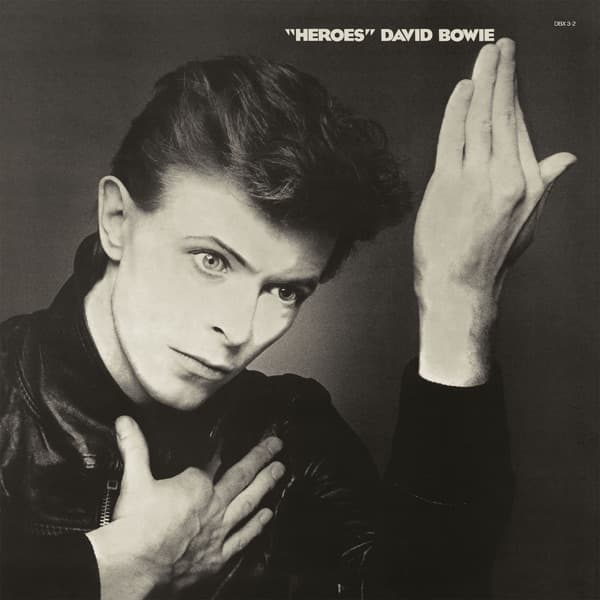
"Heroes" by David Bowie — album cover art

"Heroes" by David Bowie (1977)

A borrowed Tokyo studio, no time to plan, and a pose lifted from a German Expressionist painting: how a single frame shot by Masayoshi Sukita in April 1977 became David Bowie's "Heroes" sleeve, a face that still looms half a century on.

Label
RCA Records
Photographer
Masayoshi Sukita
Genre
Rock, Pop
Decade
1970s
Read the full story →
Hotel California by Eagles — album cover art

Hotel California by Eagles (1976)

The Eagles wanted a classic California hotel rendered with a slightly sinister edge. To get it, two men dangled 60 feet above Sunset Boulevard on a cherry picker, shooting blindly into the sun. Almost nobody recognized the building they captured, and that was exactly the point.

Label
Asylum Records
Designer
Kosh (John Kosh)
Photographer
David Alexander
Genre
Rock, Country
Decade
1970s
Read the full story →
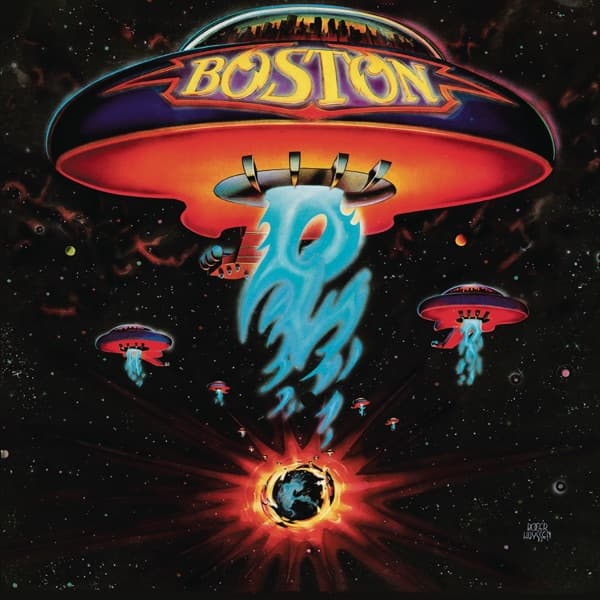
Boston by Boston — album cover art

Boston by Boston (1976)

Before the guitar-spaceships, an album cover team seriously pitched Boston lettuce, Boston cream pie, and a pot of baked beans. What won instead was a fleet of upside-down guitars escaping a dying Earth, an optical illusion millions never caught until Reddit lost its mind decades later.

Label
Epic Records
Designer
Paula Scher
Genre
Rock
Decade
1970s
Read the full story →
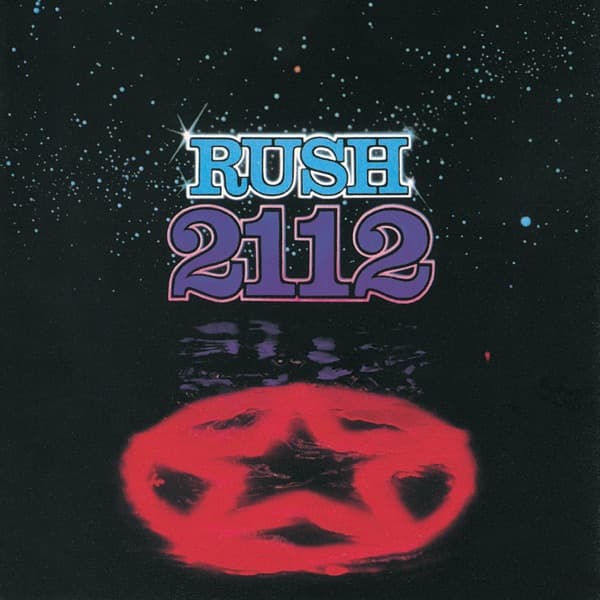
2112 by Rush — album cover art

2112 by Rush (1976)

The red star glaring out of a field of stars almost cost Rush their record deal. Mercury nearly dropped the band, granted one last album, and got the one that saved them. Here's how Hugh Syme and Neil Peart turned a pentagram and a naked man into rock's most recognizable accidental logo.

Label
Mercury Records
Designer
Hugh Syme
Genre
Rock, Metal
Decade
1970s
Read the full story →
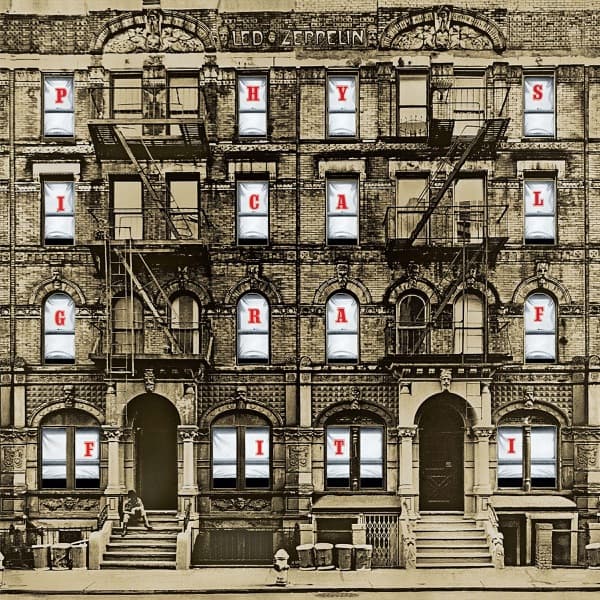
Physical Graffiti by Led Zeppelin — album cover art

Physical Graffiti by Led Zeppelin (1975)

Peter Corriston spent weeks combing New York for the perfect tenement, then cropped out an entire floor so the buildings would fit a square sleeve. The windows of 96-98 St. Mark's Place became die-cut peepholes that could spell out a name and reveal everyone from Buzz Aldrin to Lee Harvey Oswald.

Label
Swan Song Records
Designer
Peter Corriston
Photographer
Elliott Erwitt
Genre
Rock, Blues, Folk
Decade
1970s
Read the full story →
Wish You Were Here by Pink Floyd — album cover art

Wish You Were Here by Pink Floyd (1975)

Two businessmen shake hands on a sun-baked studio backlot — and one of them is on fire. Pink Floyd asked Storm Thorgerson how to picture people who hide their true feelings, and he answered: 'Set a man on fire.' A real stuntman, fifteen takes, and a singed moustache later, here's the result.

Label
Harvest Records (UK) / Columbia Records (US)
Designer
Storm Thorgerson
Photographer
Aubrey Powell
Genre
Rock
Decade
1970s
Read the full story →
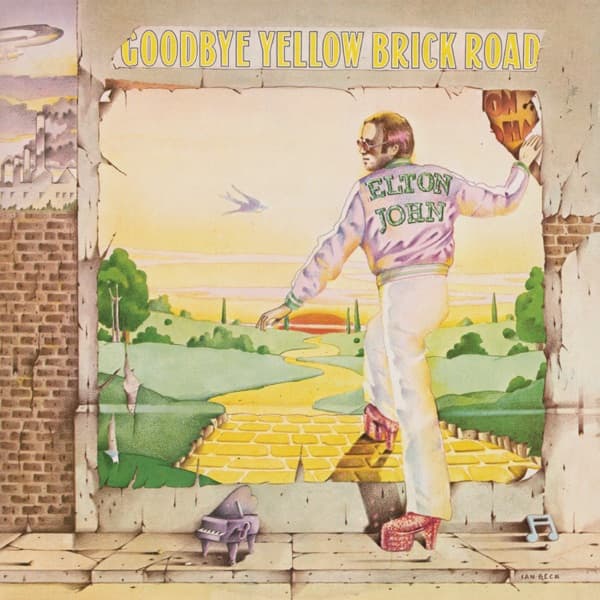
Goodbye Yellow Brick Road by Elton John — album cover art

Goodbye Yellow Brick Road by Elton John (1973)

A man in platform heels steps off a cracked brick wall and into a torn poster of Oz. Ian Beck built the whole scene up in pencil before slowly adding color, signing it in the corner. The road he walks won him the job, and it started with an Irish folk singer's record sleeve.

Label
MCA Records (US/Canada) / DJM Records (rest of world)
Designer
Ian Beck
Genre
Rock
Decade
1970s
Read the full story →
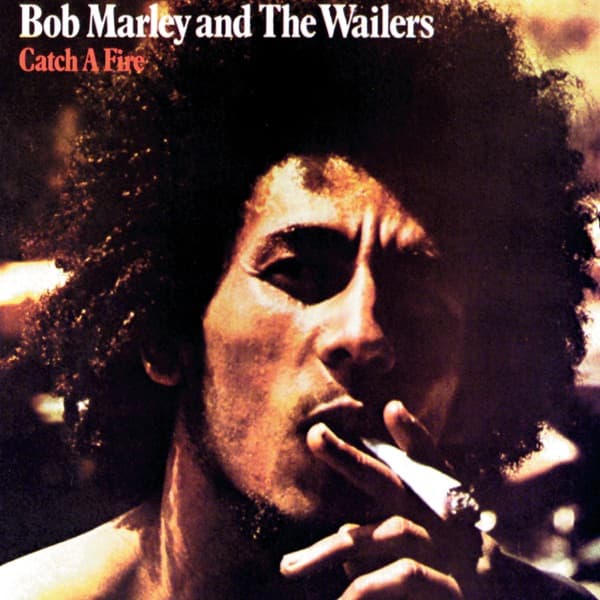
Catch a Fire by Bob Marley and the Wailers — album cover art

Catch a Fire by Bob Marley and the Wailers (1973)

Only 20,000 lucky buyers got Bob Marley's Island debut inside a working Zippo lighter that flipped open on a hinge. When that sleeve proved too expensive and too fragile, it vanished, replaced by the smoldering portrait most of the world now knows.

Label
Island Records
Designer
John Bonis
Photographer
Esther Anderson
Genre
Reggae
Decade
1970s
Read the full story →
The Dark Side of the Moon by Pink Floyd — album cover art

The Dark Side of the Moon by Pink Floyd (1973)

A keyboardist asked for something as classy as a chocolate box. What he got was a beam of white light splitting into a rainbow against pure black, a design pulled from a 1963 physics textbook that would end up on more T-shirts than almost any image in rock. Here's how Pink Floyd's prism came to be.

Label
Harvest (UK) / Capitol (US)
Designer
Storm Thorgerson
Genre
Rock
Decade
1970s
Read the full story →
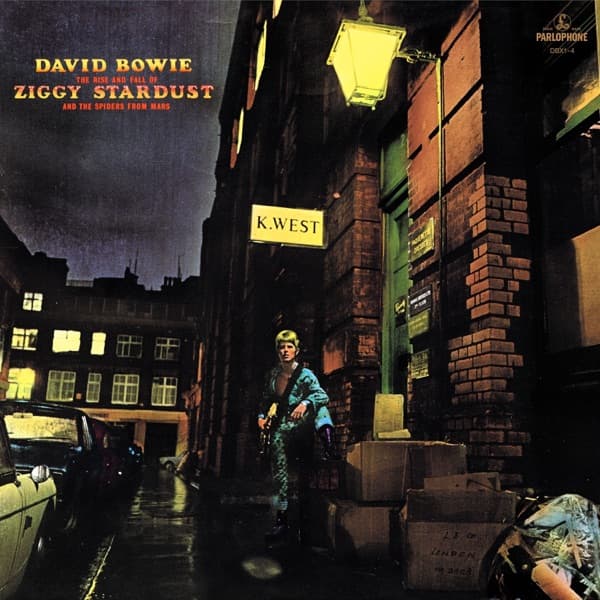
The Rise and Fall of Ziggy Stardust and the Spiders from Mars by David Bowie — album cover art

The Rise and Fall of Ziggy Stardust and the Spiders from Mars by David Bowie (1972)

On a cold, wet January night in 1972, a man stood alone under a furrier's sign in a London cul-de-sac, holding a borrowed guitar and pretending to be an alien. The black-and-white photograph that resulted was hand-painted into a sci-fi vision — and the shop owners were not amused.

Label
RCA Records
Designer
Terry Pastor
Photographer
Brian Ward
Genre
Rock
Decade
1970s
Read the full story →
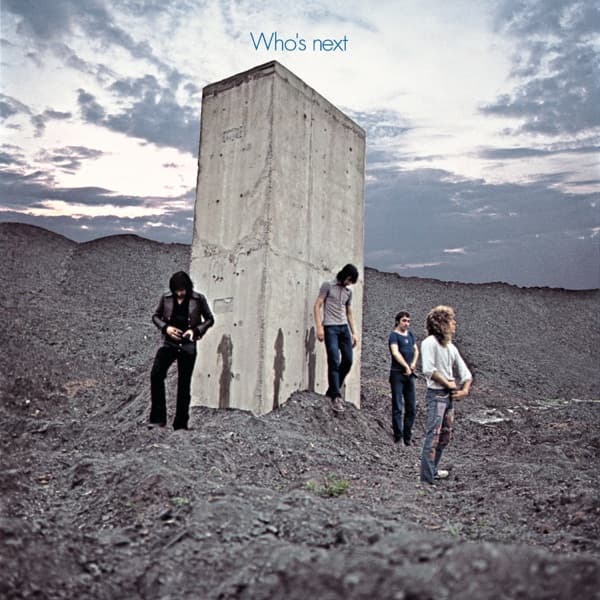
Who's Next by The Who — album cover art

Who's Next by The Who (1971)

A grey concrete slab juts out of a coal slag heap, and four young men stand around it like primates confronting a mystery. The truth behind that pillar involves Stanley Kubrick, empty film canisters, and the fact that only one member of The Who could actually pee.

Label
Track Records (UK) / Decca Records (US)
Photographer
Ethan Russell
Genre
Rock
Decade
1970s
Read the full story →
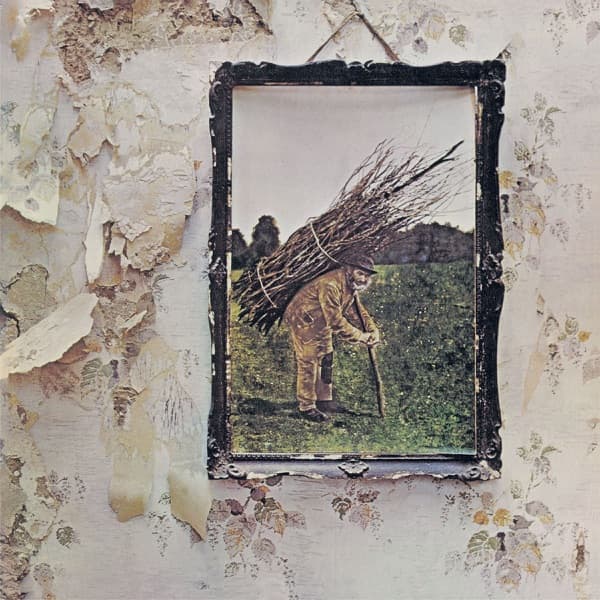
Led Zeppelin IV by Led Zeppelin — album cover art

Led Zeppelin IV by Led Zeppelin (1971)

A picture frame holding a stooped old man bears no band name, no title, nothing — just a record so confident it dared customers to recognize it. For fifty years everyone called the image a Victorian oil painting. In 2023, the truth turned out to be stranger, and far more human.

Label
Atlantic Records
Genre
Rock, Metal, Folk
Decade
1970s
Read the full story →
Paranoid by Black Sabbath — album cover art

Paranoid by Black Sabbath (1970)

A man charges through a black forest swinging a sword, his pink-and-yellow body smeared into three blurred ghosts. He was supposed to be a War Pig. Then Warner got nervous about Vietnam, the album became Paranoid, and the cover never got the memo.

Label
Vertigo Records
Designer
Keith Macmillan
Photographer
Keith Macmillan
Genre
Metal, Rock
Decade
1970s
Read the full story →
Tommy by The Who — album cover art

Tommy by The Who (1969)

When Decca wanted The Who's faces on the cover of Tommy, they cut tiny windows into Mike McInnerney's blue diamond-sphere and slipped the band inside. The result: a deaf, dumb and blind boy's world, pressed against the glass of an infinite cage.

Label
Track Records (UK); Decca Records (US)
Designer
Mike McInnerney
Photographer
Barrie Meller
Genre
Rock
Decade
1960s
Read the full story →
Unfinished Music No. 1: Two Virgins by John Lennon & Yoko Ono — album cover art

Unfinished Music No. 1: Two Virgins by John Lennon & Yoko Ono (1968)

In 1968 John Lennon set up a time-delay camera in a Marylebone flat and photographed himself and Yoko Ono fully nude for an album cover. EMI refused to touch it, 30,000 copies were seized as pornography, and the record had to be hidden inside a brown paper bag. This is what buyers were finally allowed to see.

Label
Apple; Track (UK); Tetragrammaton (US)
Photographer
John Lennon
Genre
Experimental
Decade
1960s
Read the full story →
The White Album by The Beatles — album cover art

The White Album by The Beatles (1968)

In 1968 the world's biggest band handed record buyers a sleeve that looked like nothing at all: pure white, a whisper of embossed type, a serial number in the corner. Richard Hamilton's blank canvas was the deliberate anti-Sgt. Pepper, and it accidentally rechristened the album forever.

Label
Apple Records
Designer
Richard Hamilton
Genre
Rock
Decade
1960s
Read the full story →
We're Only in It for the Money by The Mothers of Invention — album cover art

We're Only in It for the Money by The Mothers of Invention (1968)

In 1968 Frank Zappa set out to make a photographic negative of Sgt. Pepper: thunderstorm instead of blue sky, dresses instead of uniforms, rotting vegetables instead of flowers. Then the Beatles' label got nervous, the packaging got flipped inside-out, and Jimi Hendrix showed up in person. Behind the lurid crowd lies a lawsuit-shadowed act of sabotage aimed straight at the summer of love.

Label
Verve Records
Designer
Cal Schenkel
Photographer
Jerry Schatzberg
Genre
Rock
Decade
1960s
Read the full story →
Strange Days by The Doors — album cover art

Strange Days by The Doors (1967)

The Doors are nowhere on their own second album cover. Instead, a strongman, a juggler and a dwarf perform in a Manhattan alley, because Jim Morrison flatly refused to pose. Look closely and the only sign of the band is a tiny poster taped to a brick wall.

Label
Elektra Records
Designer
William S. Harvey
Photographer
Joel Brodsky
Genre
Rock, Pop
Decade
1960s
Read the full story →
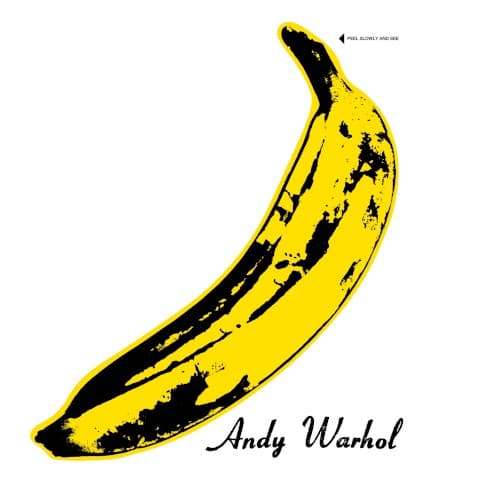
The Velvet Underground & Nico by The Velvet Underground — album cover art

The Velvet Underground & Nico by The Velvet Underground (1967)

A single yellow banana on white, with an instruction to peel it. Andy Warhol's design for The Velvet Underground's 1967 debut sold poorly, sparked lawsuits decades later, and was once called the best album cover ever made.

Label
Verve Records
Designer
Andy Warhol
Genre
Rock, Punk
Decade
1960s
Read the full story →
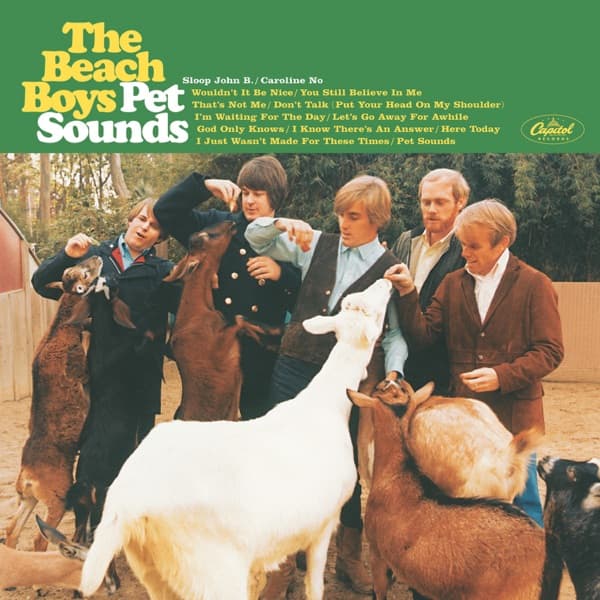
Pet Sounds by The Beach Boys — album cover art

Pet Sounds by The Beach Boys (1966)

Five Beach Boys, an enclosure full of hungry goats, and a title taken so literally it got the band reportedly banned from the San Diego Zoo. The Pet Sounds cover is a pun made flesh — and the sixth member couldn't even be in the photo.

Label
Capitol Records
Photographer
George Jerman
Genre
Pop
Decade
1960s
Read the full story →

Related design themes