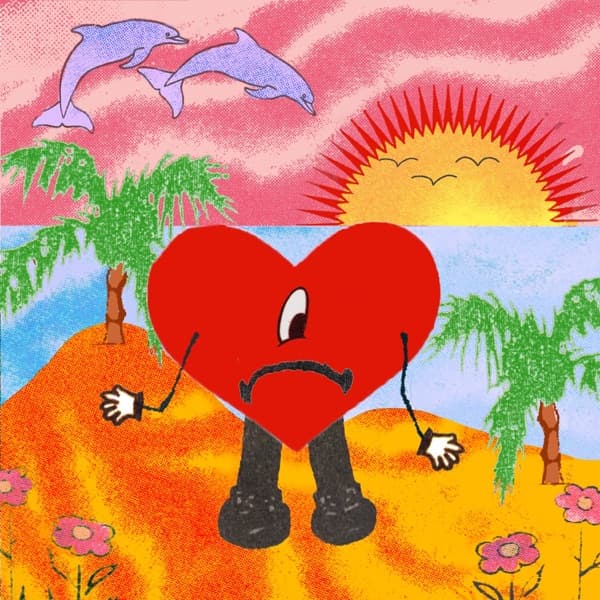
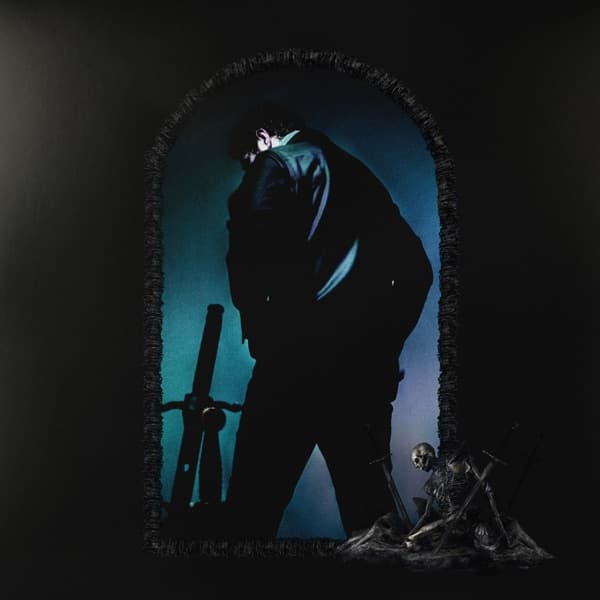
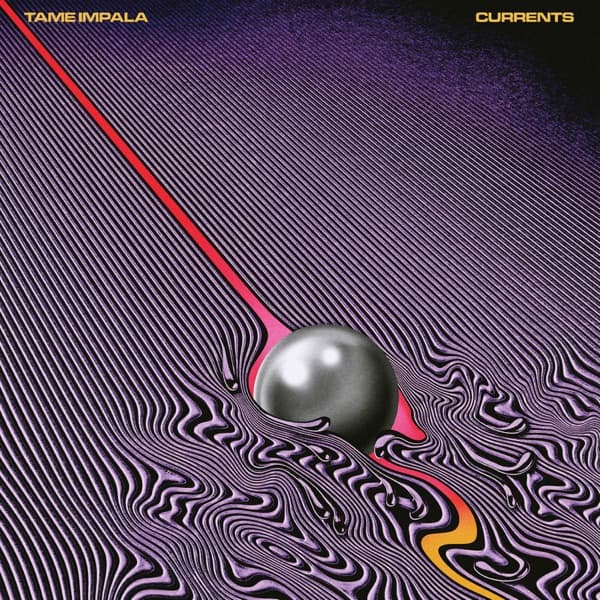
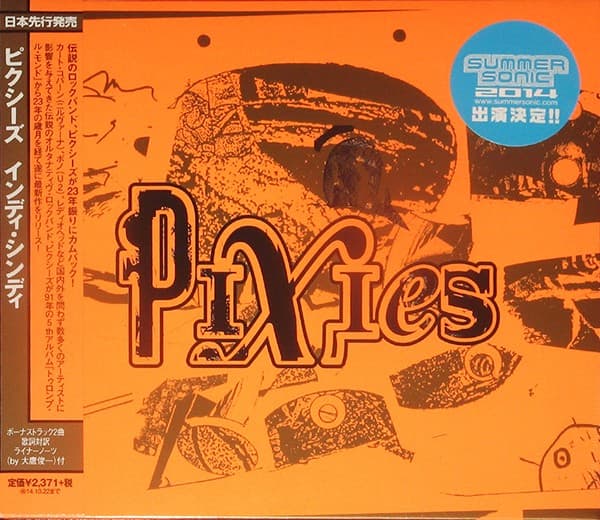
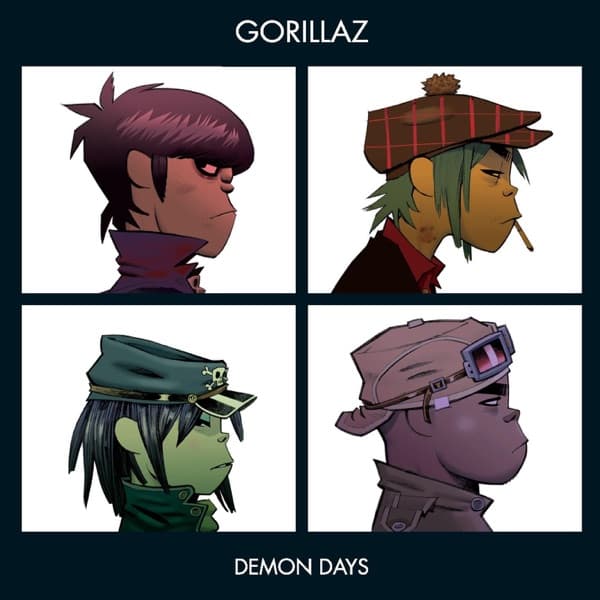
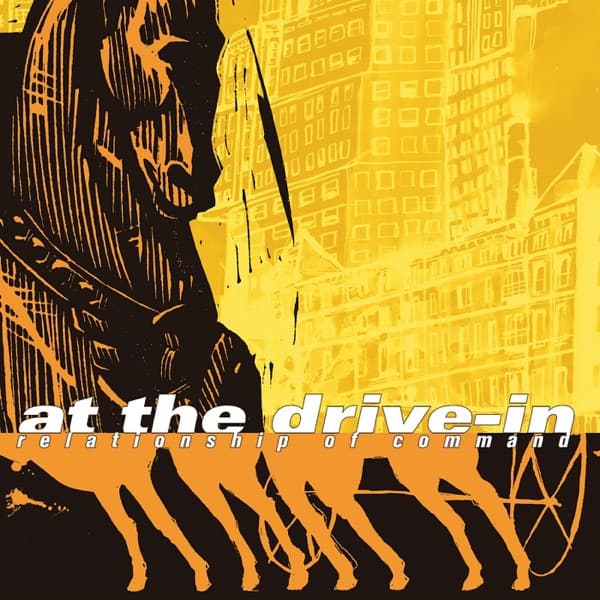
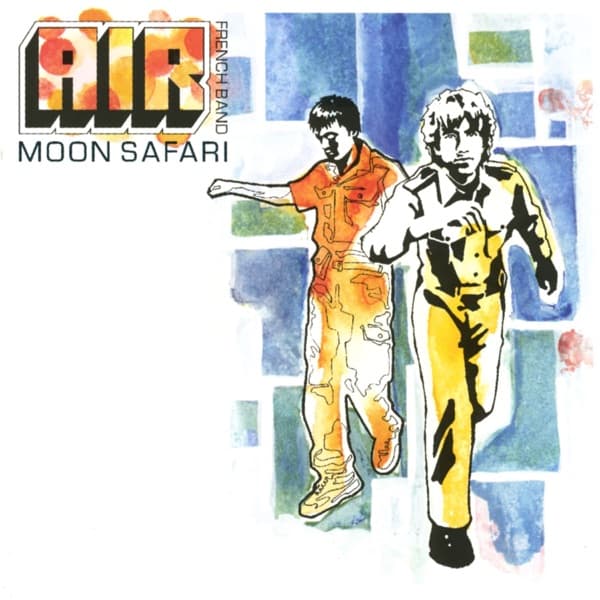
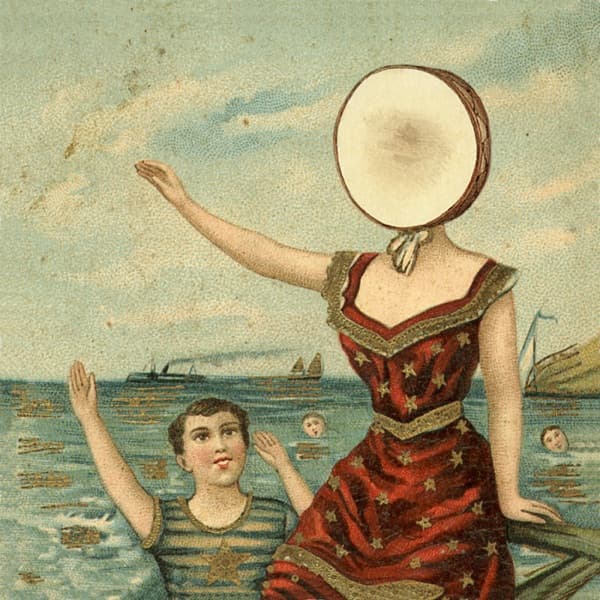
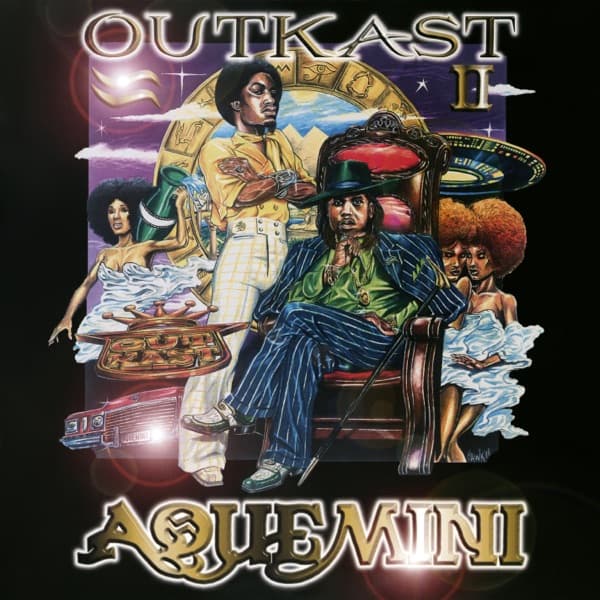
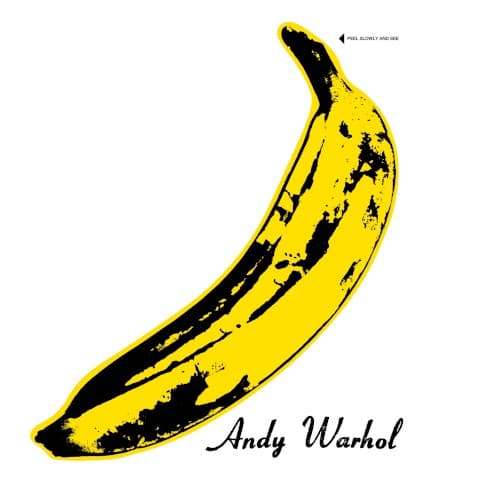
An illustrated album cover is an image that was invented rather than recorded. Where a photograph captures a moment that happened, a drawing or a painting builds a world that doesn't exist — Warhol's peel-able banana, Condo's screaming figure, Hewlett's cartoon band. The brush does what the camera can't.
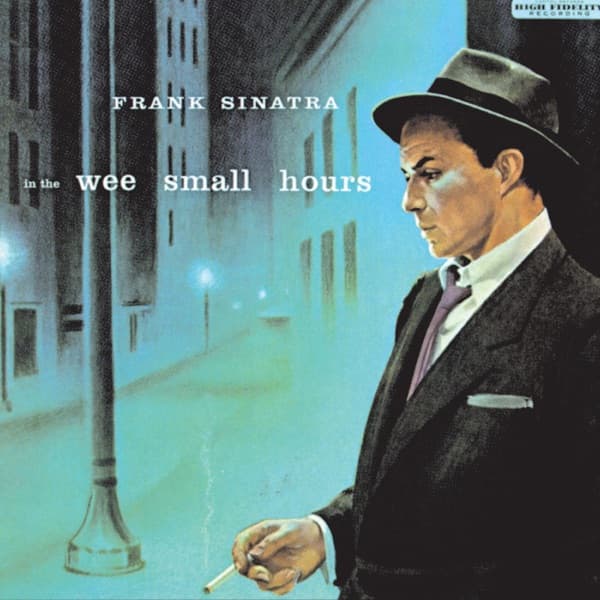
This is a working list of 69 of them, from Frank Sinatra's 1955 In the Wee Small Hours to Mac Miller's Balloonerism. What unites a torch-song sleeve and a 2025 hip-hop record isn't a style — it's a decision to hand the cover to an artist with a pen instead of a photographer with a lens.
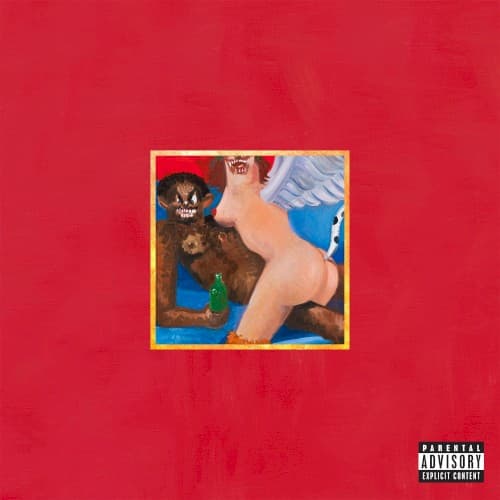
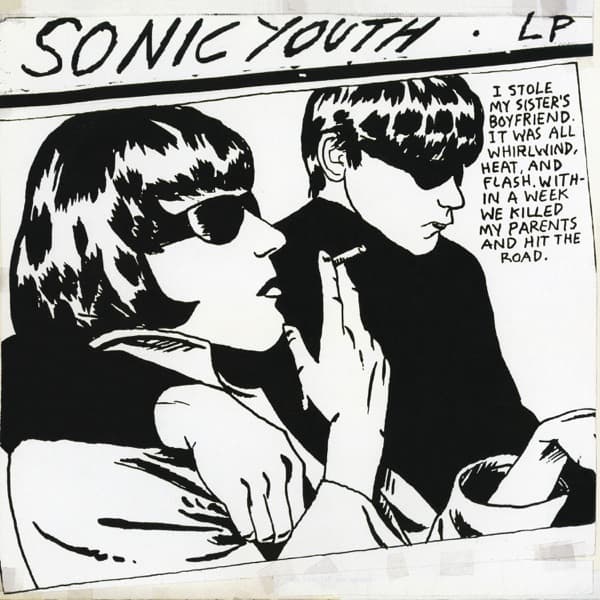
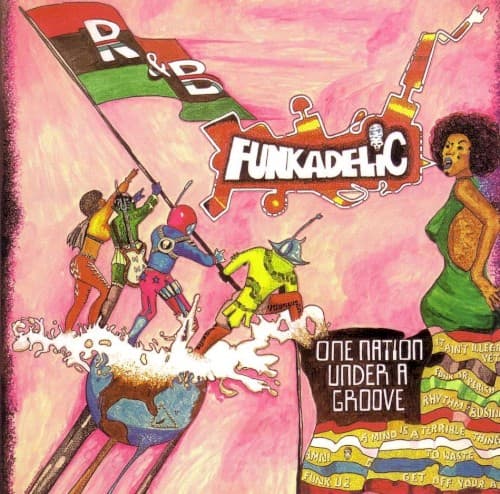
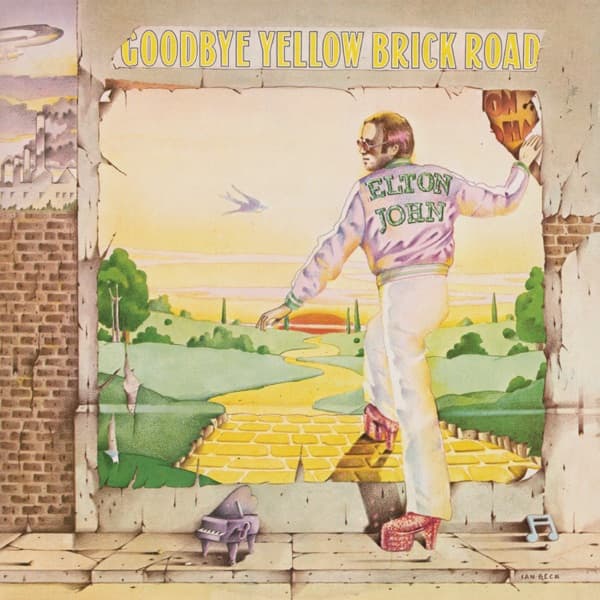
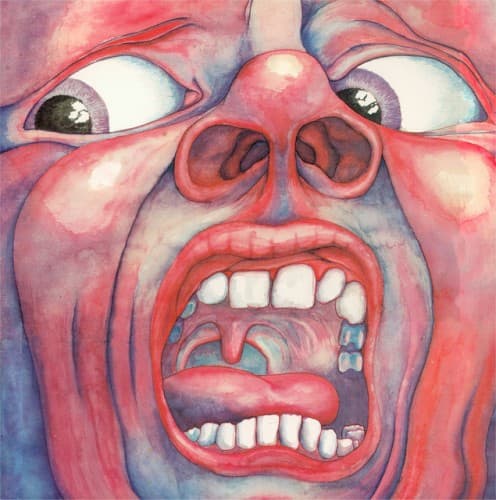
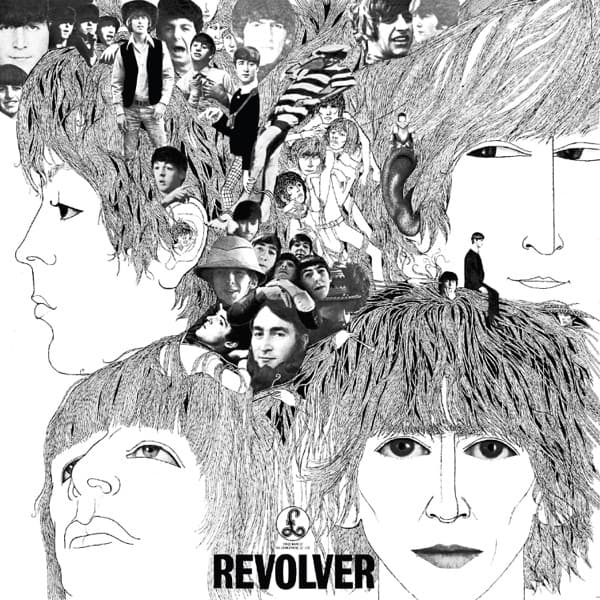
The most striking thread is how many of these were made by serious fine artists. Andy Warhol did the Velvet Underground's banana; George Condo painted the censored cover of Kanye West's My Beautiful Dark Twisted Fantasy; Raymond Pettibon drew Sonic Youth's Goo; Klaus Voormann inked the Beatles' Revolver. Running alongside the gallery names is a whole lineage of dedicated sleeve illustrators — Pedro Bell's Afrofuturist worlds for Funkadelic, Alan Aldridge for Elton John, Barry Godber's screaming face for King Crimson — people whose entire canvas was the 12-inch square.
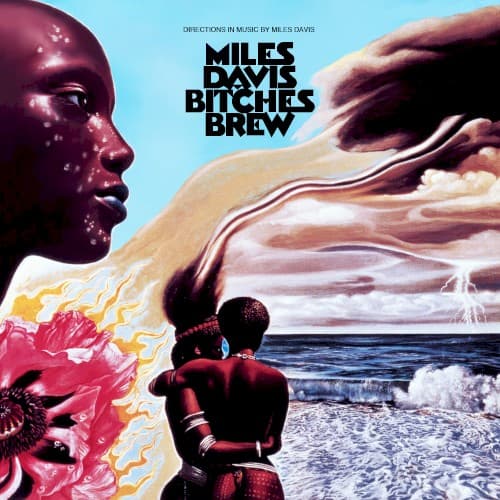
The second thread is durability. A photographic cover often carries the fingerprint of its decade; a great illustration reads as art instead, which is why Revolver, Bitches Brew, and The Dark Side of the Moon still look contemporary fifty years on. An invented image has no date stamp to betray it.
The thing most people miss is that these covers are the hardest to copy and the easiest to remember. You can restage a photograph; you can't forge an artist's hand. That's why so many of them became logos, T-shirts, and tattoos — images that outlived the format they were printed on. Each card links to the full story of the cover: who painted or drew it, whether it's an original artwork or a built design, and how it has aged.
For the covers built from a camera instead, see black-and-white album covers and minimalist album covers. To follow a single artist's hand across the catalogue, browse the designers directory.
- What counts as an illustrated or painted album cover?
- Any cover whose central image was drawn, painted, or otherwise made by hand rather than captured with a camera — from Andy Warhol's screenprinted banana on The Velvet Underground & Nico to George Condo's oil painting on Kanye West's My Beautiful Dark Twisted Fantasy. It's the opposite of the photographic sleeve: instead of a moment recorded, it's an image invented.
- Why do artists choose illustration over photography?
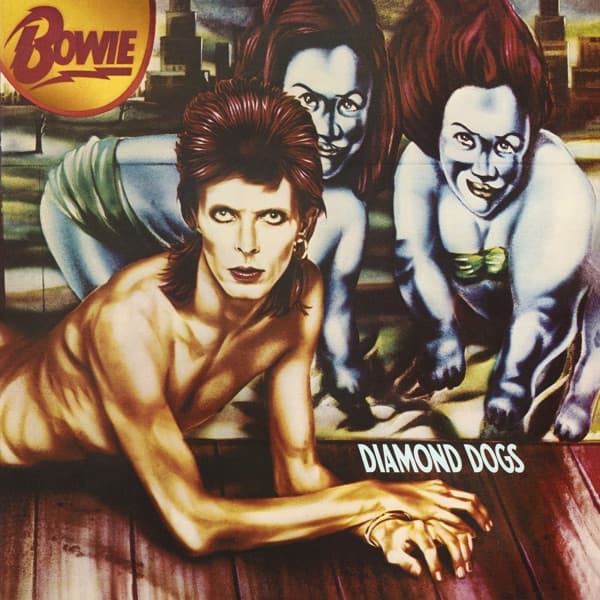
- Because a drawing can show what a camera can't. Illustration lets a cover render a world that doesn't exist — Storm Thorgerson's prism, Jamie Hewlett's cartoon Gorillaz, Guy Peellaert's mutant dogs on Diamond Dogs — and it hands the record a single authored aesthetic that's almost impossible to imitate. It also ages differently: a great illustration reads as art rather than as a dated photo shoot, which is part of why Revolver and Bitches Brew still look modern.
- Which fine artists have painted famous album covers?
- Some of the biggest names in art. Andy Warhol did the Velvet Underground banana (and later the Rolling Stones' Sticky Fingers zipper); George Condo painted the censored MBDTF cover; Raymond Pettibon drew Sonic Youth's Goo; Klaus Voormann illustrated the Beatles' Revolver. Alongside them sits a lineage of dedicated cover illustrators — Pedro Bell for Funkadelic, Alan Aldridge for Elton John, Barry Godber's screaming face for King Crimson.
- Are illustrated album covers based on real paintings?
- Sometimes the cover is the painting — MBDTF is a Condo canvas, In the Court of the Crimson King is Barry Godber's original artwork. Other times illustration is used to build a logo or a world rather than reproduce a single artwork: Hipgnosis, Hewlett, and Donwood all treat the sleeve as a design surface. Each entry below explains which it is, and who made it.
- What's the most famous illustrated album cover?
- The two perennial answers are Andy Warhol's banana for The Velvet Underground & Nico and Storm Thorgerson/Hipgnosis's prism for Pink Floyd's The Dark Side of the Moon — both drawn images that long ago escaped their records to become standalone icons. King Crimson's screaming face, the Beatles' Revolver collage, and Gorillaz's Demon Days are the usual runners-up.