Country Album Covers: The Sleeves That Sold Authenticity

Country album covers have one job that covers in other genres mostly do not: they have to vouch for the singer. The songs are told in the first person and presented as testimony, so the sleeve is asked to supply the evidence — this person, this place, this life. Nearly every convention of country cover art follows from that one demand.

It explains the genre's preference for faces over symbols. A rock record can put a prism or a banana on the front and let the image do abstract work; a country record usually puts a person on the front and lets the person do the work. It explains the settings, too — a prison hall, a highway, a porch, a field. The location is not decoration. It is the footnote to the claim the songs are making.

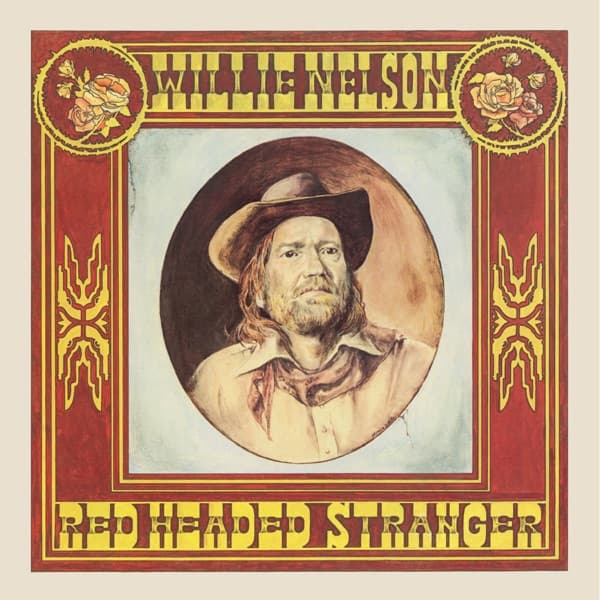
The most interesting tension in this list is between polish and proof. Nashville was extremely good at making records look professional, and by the early 1970s that competence had become a liability: a sleeve that looked expensive implied songs that had been workshopped. The response was a deliberate roughening. Willie Nelson's Red Headed Stranger arrived stripped to almost nothing, and its cover matched — no gloss to undercut the austerity of the record. That gesture hardened into a house style, and the “unpolished” country cover became just as constructed as the rhinestones it replaced. Authenticity, once it sells, becomes an aesthetic like any other.

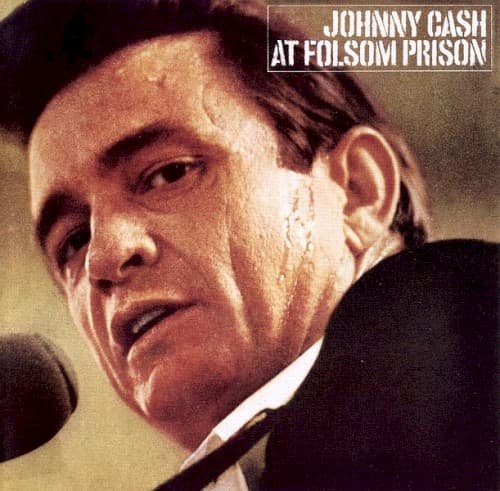
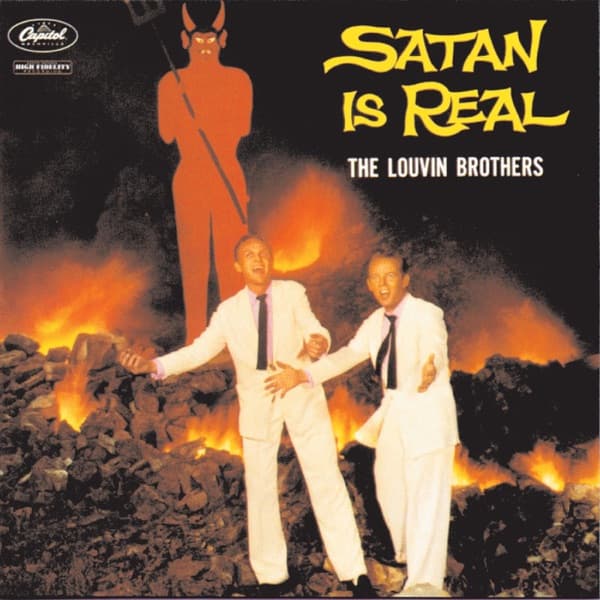
Two records here sit outside the argument entirely. The Louvin Brothers' Satan Is Real is the genre's great outsider object — a homemade plywood devil, a quarry, burning tyres, and two men in white suits meaning every word of it. It is now enjoyed as camp by people who would have baffled its makers. And Johnny Cash's At Folsom Prison did something no amount of art direction can fake: it photographed the singer inside the situation the songs describe, turning a sleeve into documentary evidence.

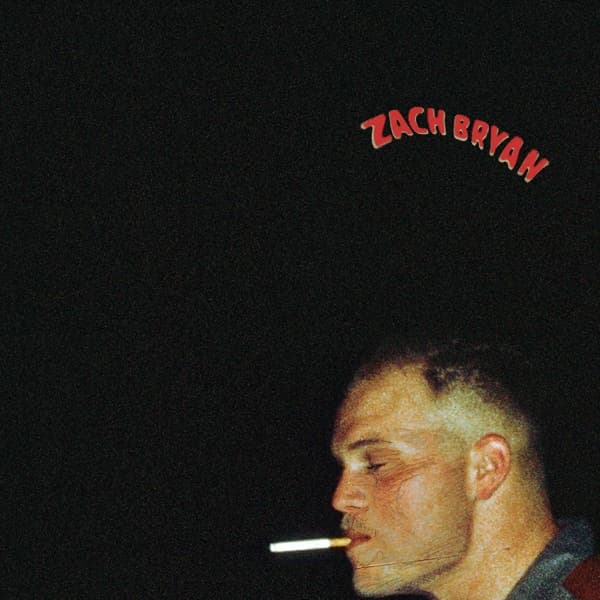
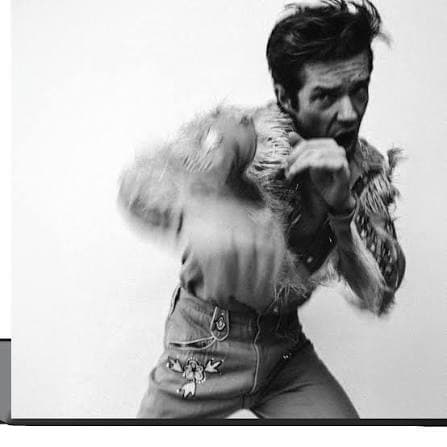
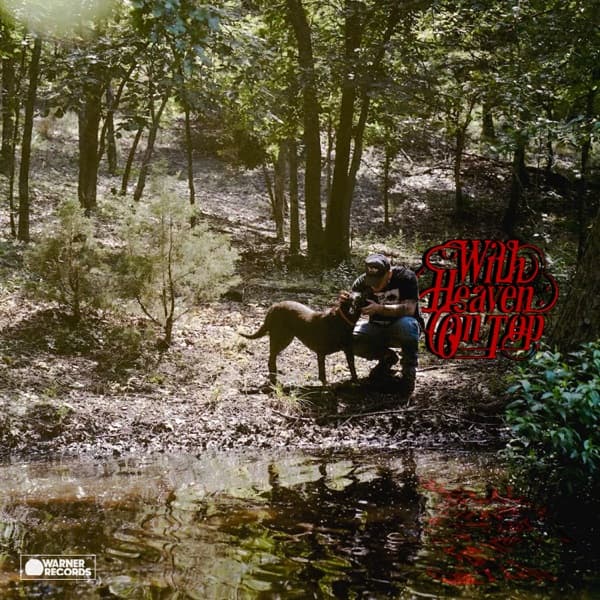
At the modern end, Zach Bryan and Morgan Wallen are working the same seam with different equipment. The images are tighter, higher in contrast, built to survive as a fingernail-sized square in a streaming grid rather than a twelve-inch sleeve in a rack. What has not changed is the promise being made on the front of the record: a real person, from somewhere specific, who means it. Country changed its cameras, not its argument.

Each card below links to the full story of the cover — how the image was made, who was in the room, and what the record was arguing. For the wider canon see famous album covers, for the sleeves shot in real, findable places see the album cover locations map, and for covers built on a hidden idea rather than a face, the guide to album cover meanings.

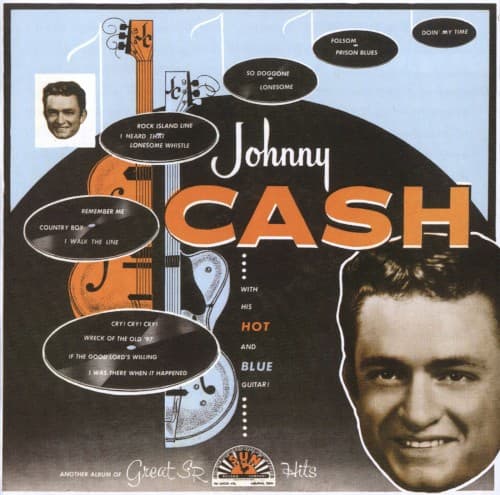
Johnny Cash with His Hot and Blue Guitar! by Johnny Cash — album cover art

Johnny Cash with His Hot and Blue Guitar!

Johnny Cash · 1957

The groundbreaking debut album from Johnny Cash marked the first LP ever released on Sam Phillips' legendary Sun Records label, featuring classic tracks like 'I Walk the Line' and 'Folsom Prison Blues' with an iconic cover design that helped establish the visual identity of rock and roll's birthplace.

Read the full story →

Satan Is Real by The Louvin Brothers — album cover art

Satan Is Real

The Louvin Brothers · 1959

One of the most infamous album covers ever created, featuring a 12-foot plywood Satan cutout designed by Ira Louvin and burning kerosene-soaked tires in a rock quarry. The brothers nearly got burned during the photo shoot when kerosene-soaked rocks exploded.

Read the full story →

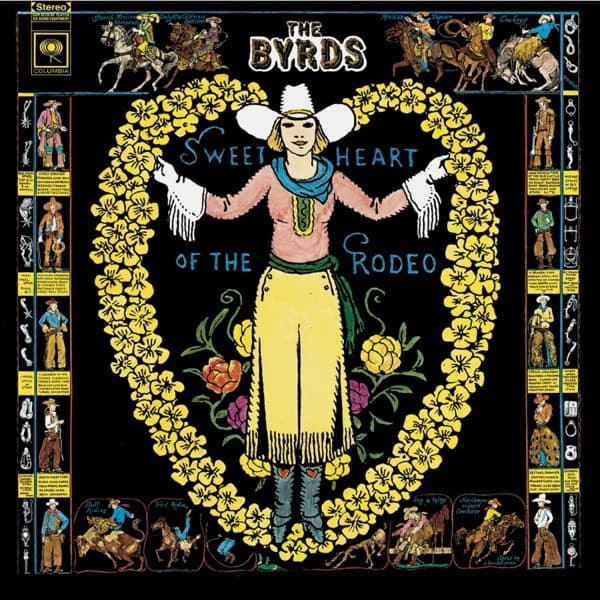
Sweetheart of the Rodeo by The Byrds — album cover art

Sweetheart of the Rodeo

The Byrds · 1968

A smiling cowgirl in yellow chaps opens her arms inside a heart of poppies, and Byrds fans in 1968 had no idea how far into country the band had gone. The cover isn't even original to the band: it's lifted from a 1933 Salinas Rodeo poster by Jo Mora, a Uruguayan-born artist who helped pioneer the pictorial map.

Read the full story →

At Folsom Prison by Johnny Cash — album cover art

At Folsom Prison

Johnny Cash · 1968

The stark close-up of Cash's intense gaze captured the raw authenticity of his legendary prison performance. Jim Marshall was the only official photographer present at the historic January 13, 1968 concert.

Read the full story →

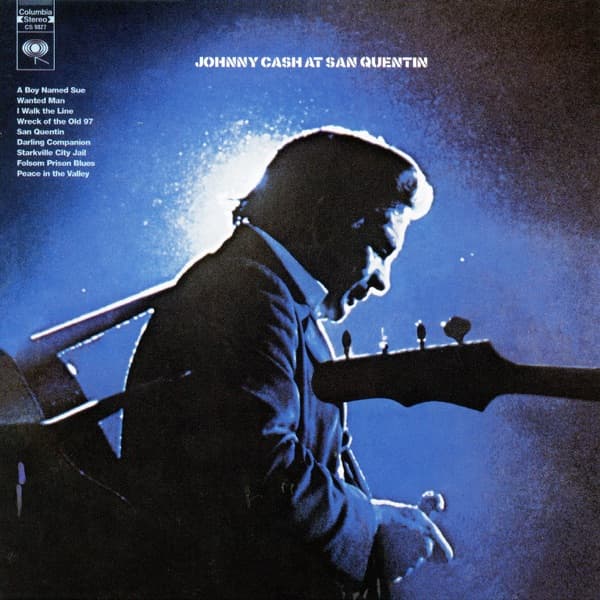
At San Quentin by Johnny Cash — album cover art

At San Quentin

Johnny Cash · 1969

Johnny Cash in a wash of blue light, photographed by Jim Marshall inside San Quentin prison in 1969. The same night, the same photographer captured Cash's raised middle finger. This is the calmer frame from that volatile evening.

Read the full story →

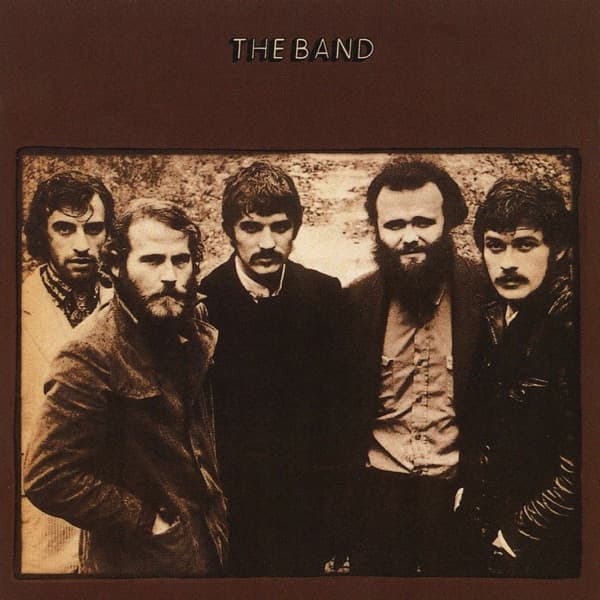
The Band by The Band — album cover art

The Band

The Band · 1969

Five bearded men stare out from a sepia haze, dressed like figures from a century they never lived in. Elliott Landy's portrait made The Band look like ghosts of American folklore, and for a while it was the only picture the public had of them.

Read the full story →

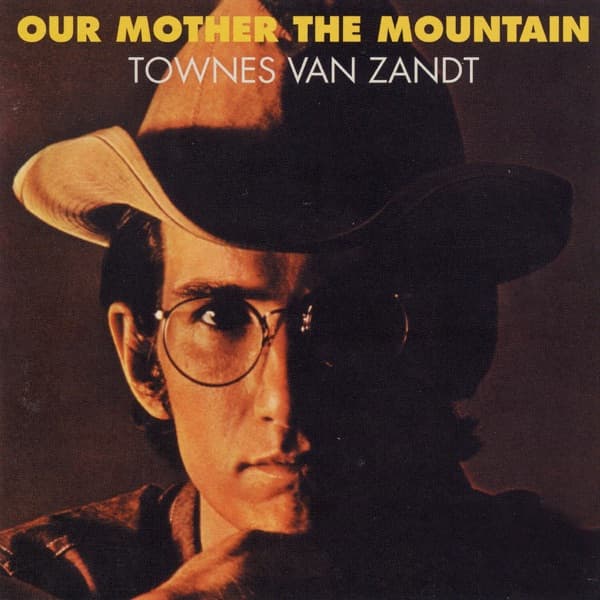
Our Mother the Mountain by Townes Van Zandt — album cover art

Our Mother the Mountain

Townes Van Zandt · 1969

When Milton Glaser built this 1969 cover, he wanted strangers to stop and ask 'What the hell is that?' The face staring back, half-lit and unblinking under a battered hat, belonged to an unknown songwriter whose name couldn't sell a single record. So Glaser sold the stare instead.

Read the full story →

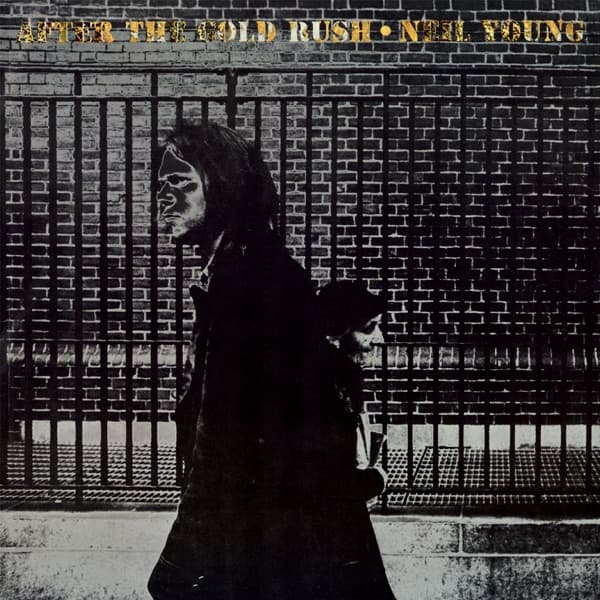
After the Gold Rush by Neil Young — album cover art

After the Gold Rush

Neil Young · 1970

An 18-year-old photographer aimed just past his subject, missed his focus, and disguised the blur with a chemical trick that turned a Greenwich Village sidewalk into something ghostly. Neil Young took to it instantly. It became the face of After the Gold Rush and launched a partnership that lasted nearly fifty years.

Read the full story →

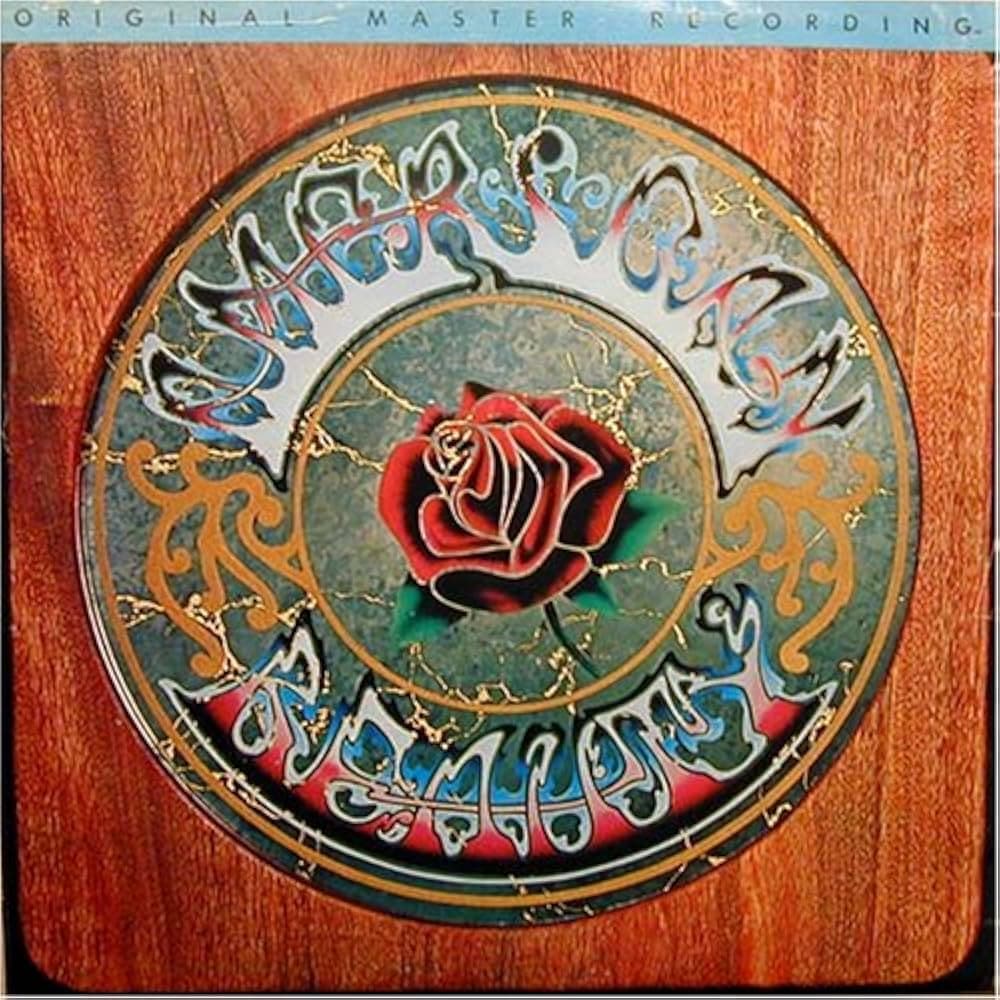
American Beauty by Grateful Dead — album cover art

American Beauty

Grateful Dead · 1970

Stare at the rose on the Grateful Dead's 1970 cover, then read the swirling script around it. It says American Beauty. It also says American Reality. The same letters, two meanings, deliberately built that way by two poster artists who turned a single word into a riddle.

Read the full story →

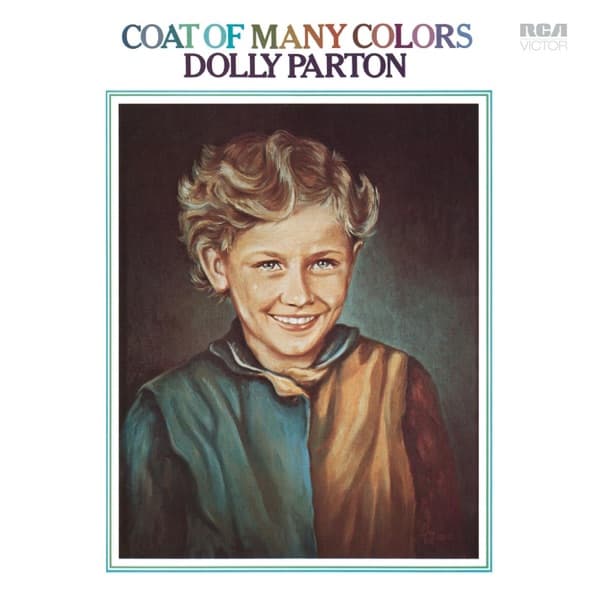
Coat of Many Colors by Dolly Parton — album cover art

Coat of Many Colors

Dolly Parton · 1971

The face on Dolly Parton's 1971 cover isn't a glamour shot. It's a painted schoolboy-cut child in a patchwork coat of blue and rust, based on a photo snapped the same day young Dolly was teased for that homemade coat. The painting became the emblem of a song written on a dry-cleaning receipt.

Read the full story →

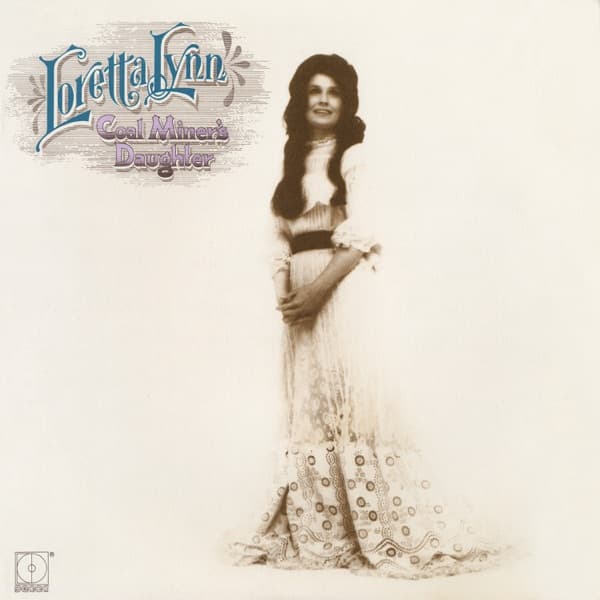
Coal Miner's Daughter by Loretta Lynn — album cover art

Coal Miner's Daughter

Loretta Lynn · 1971

The landmark 1971 album that made Loretta Lynn a country icon features her signature autobiographical title track. Record World praised the "pretty cover, pretty singing, pretty girl" while Billboard called it a "great package" with distinctive country flavor.

Read the full story →

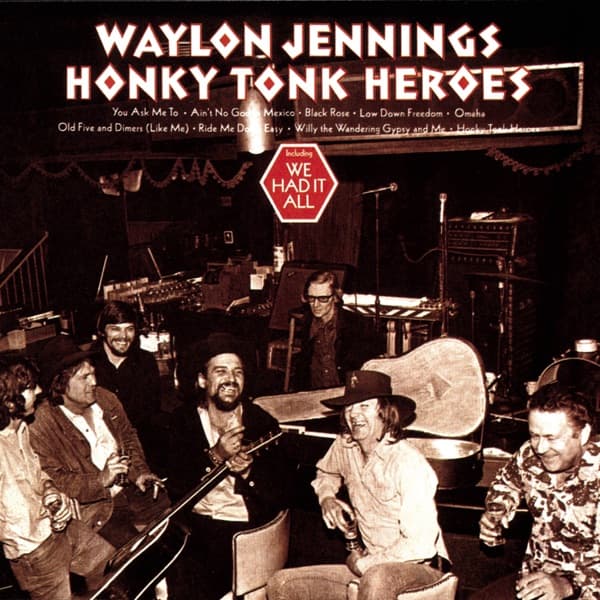
Honky Tonk Heroes by Waylon Jennings — album cover art

Honky Tonk Heroes

Waylon Jennings · 1973

A crowded honky tonk, beer kegs within reach, and a grinning circle of musicians caught mid-carouse: that's the picture on Waylon Jennings' 1973 record that helped invent outlaw country. It looks like the after-party for a revolution he'd just won inside RCA's offices.

Read the full story →

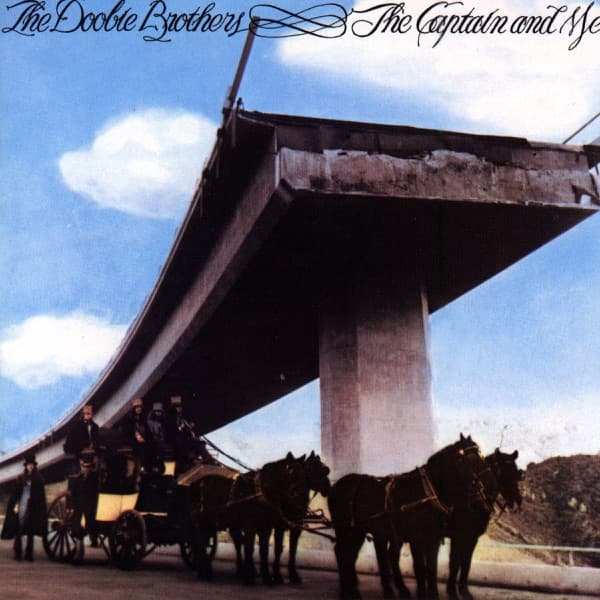
The Captain and Me by The Doobie Brothers — album cover art

The Captain and Me

The Doobie Brothers · 1973

The Doobie Brothers stand beneath a soaring freeway overpass with a horse-drawn stagecoach, but the road above them isn't just any highway. It's the Newhall Pass interchange near Sylmar, California, a stretch scarred by the 1971 San Fernando earthquake. Here's the story behind that collision of old and new.

Read the full story →

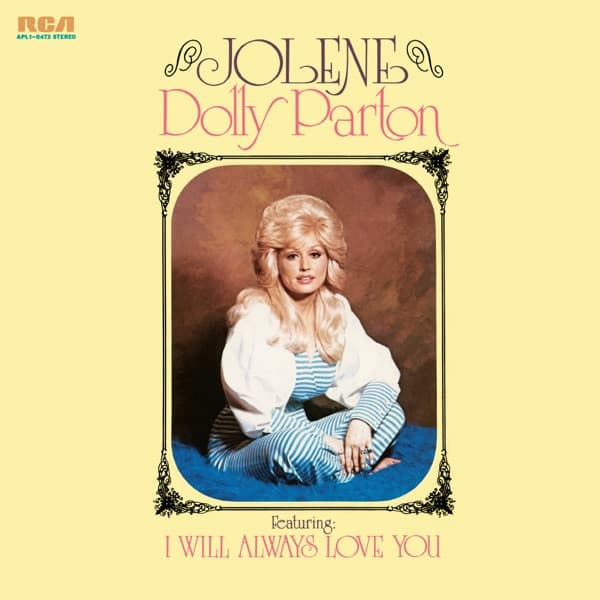
Jolene by Dolly Parton — album cover art

Jolene

Dolly Parton · 1974

Shot by Hope Powell and art directed by Herb Burnette, this cover introduced a glamorous new look for Dolly. The soft-focus portrait features teased blonde hair and marked Parton's transition into solo stardom.

Read the full story →

Red Headed Stranger by Willie Nelson — album cover art

Red Headed Stranger

Willie Nelson · 1975

A Columbia producer heard it and snapped, 'It's a piece of shit! It's not produced.' Recorded cheap in a Garland, Texas studio with barely more than guitar, piano, and drums, Willie Nelson's spare murder-ballad concept album turned a dismissed 'demo' into the record that made him a superstar.

Read the full story →

Hotel California by Eagles — album cover art

Hotel California

Eagles · 1976

The Eagles wanted a classic California hotel rendered with a slightly sinister edge. To get it, two men dangled 60 feet above Sunset Boulevard on a cherry picker, shooting blindly into the sun. Almost nobody recognized the building they captured, and that was exactly the point.

Read the full story →

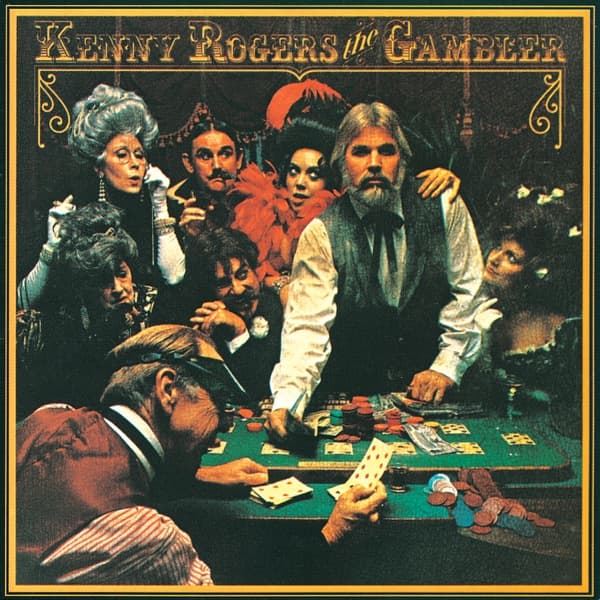
The Gambler by Kenny Rogers — album cover art

The Gambler

Kenny Rogers · 1978

A bearded man in a card-room stares you down while a gallery of grotesques crowds behind him. This is Kenny Rogers's 1978 breakthrough, shot by the photographer who defined the look of Blue Note jazz. It won Album of the Year and ended up in the Library of Congress.

Read the full story →

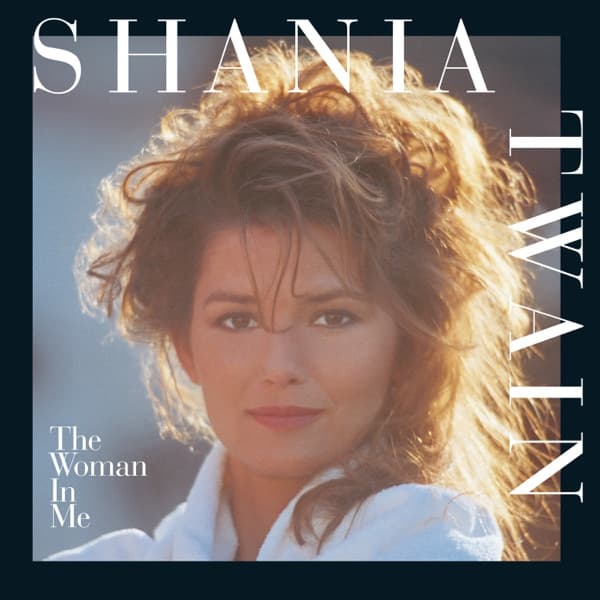
The Woman in Me by Shania Twain — album cover art

The Woman in Me

Shania Twain · 1995

The wind, the golden light, the level gaze: Shania Twain's 1995 breakthrough was shot by an unlikely photographer, the actor and director John Derek, with Bo Derek assisting. Behind that warm portrait sits a country record that sold 20 million and rewrote what the genre could sound like.

Read the full story →

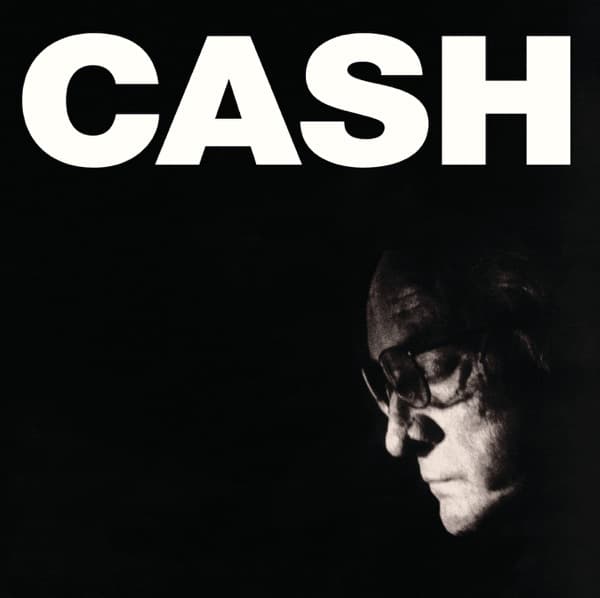
American IV: The Man Comes Around by Johnny Cash — album cover art

American IV: The Man Comes Around

Johnny Cash · 2002

Half a face rises out of darkness beneath four towering white letters: CASH. It was the last album Johnny Cash released while alive, a record haunted by failing sight and closing time, its cover as stripped-down as the music inside.

Read the full story →

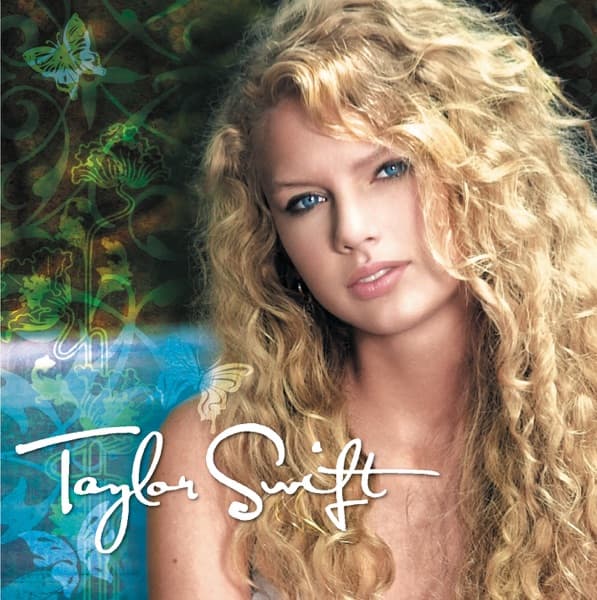
Taylor Swift by Taylor Swift — album cover art

Taylor Swift

Taylor Swift · 2006

A curly-haired young woman stares out from a swirling green backdrop, her name looped in white script across the bottom. The photographer who shot it had a hunch: this thing is going to go places. He had no idea how far.

Read the full story →

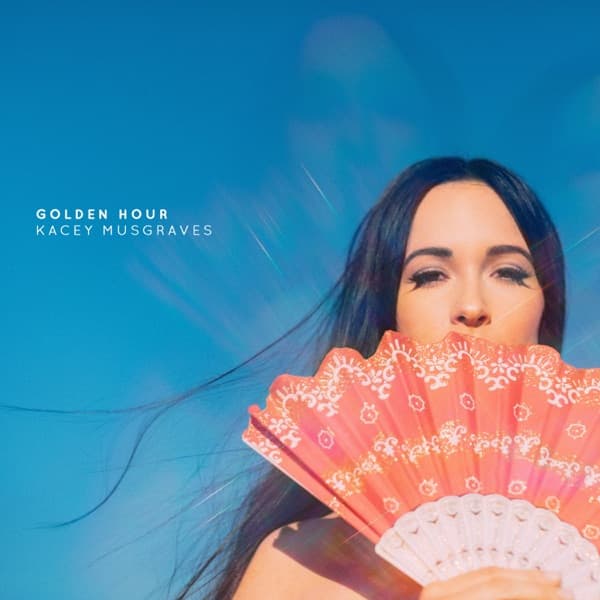
Golden Hour by Kacey Musgraves — album cover art

Golden Hour

Kacey Musgraves · 2018

For Golden Hour, Kacey Musgraves hid half her face behind a pink paper fan under an enormous Texas sky. The photographer was her younger sister, Kelly Christine Sutton, and the whole thing was shot on the family's property in Golden, Texas, with no assistant, no stylist, and no makeup artist.

Read the full story →

Zach Bryan by Zach Bryan — album cover art

Zach Bryan

Zach Bryan · 2023

A grainy photograph of Bryan smoking a cigarette serves as the stark, minimalist cover for his breakthrough self-titled album. The intimate image perfectly captures the raw, authentic spirit of the country rock collection.

Read the full story →

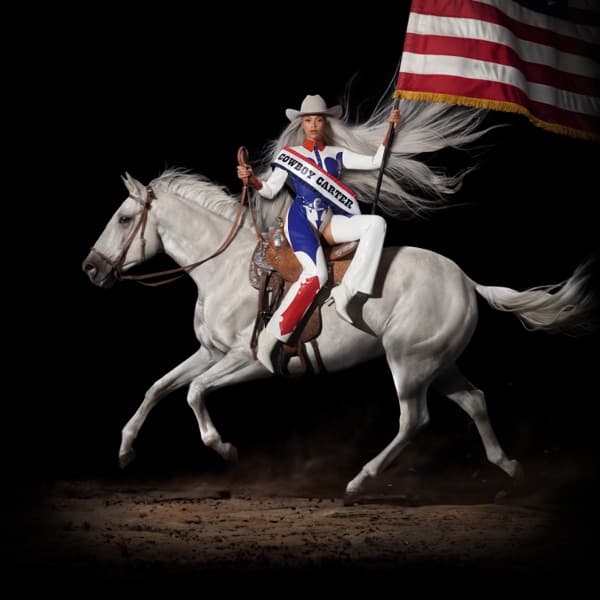
Cowboy Carter by Beyoncé — album cover art

Cowboy Carter

Beyoncé · 2024

A white stallion mid-stride, an American flag whipping into the dark, and Beyoncé perched sidesaddle in a sash reading COWBOY CARTER. The image split audiences the instant it dropped in March 2024. Here is the story of a photograph that reclaimed the cowboy, the flag, and country music itself.

Read the full story →

I'm the Problem by Morgan Wallen — album cover art

I'm the Problem

Morgan Wallen · 2025

Sitting in his lawyer's office on the way to court, Morgan Wallen glanced at the old courtroom sketches on the wall and something clicked. The cover of I'm the Problem turns that legal chapter into art: a profile drawn in the very style that captures defendants, not pop stars.

Read the full story →

With Heaven On Top by Zach Bryan — album cover art

With Heaven On Top

Zach Bryan · 2026

Zach Bryan kneels beside his Labrador retriever Bud Heavy Bryan by a reflective stream in lush woods, creating an intimate portrait that mirrors his rural Oklahoma roots and the album's themes of memory and place.

Read the full story →

Frequently asked questions

What makes a country album cover look like country?
Almost always a person, photographed as though the camera caught them rather than posed them. Where rock sleeves reach for symbols and pop reaches for design, country reaches for a face and a place — a porch, a prison, a highway, a field — because the genre sells songs as first-person testimony and the cover is asked to vouch for the singer. That is why so many country covers look plain at first glance and are anything but: the plainness is the argument. A cover that looks too designed risks implying the songs were designed too.
Why do so many country covers lean on the outlaw image?
Because it was a commercial rebellion that happened to be photogenic. In the mid-1970s a group of artists pushed back against Nashville's polished production and its equally polished sleeve art — the soft focus, the rhinestones, the studio backdrop. Willie Nelson's Red Headed Stranger is the emblem: a record stripped almost to demo sparseness, wearing a cover with the same refusal of gloss. The look outlived the fight and became its own convention, which is the usual fate of any successful rebellion in album art.
What is the story behind the Satan Is Real cover?
It is the most famous piece of homemade art in country music. For the Louvin Brothers' 1959 gospel record, Ira Louvin built a large plywood devil himself and the duo were photographed in front of it in a quarry with tyres set alight for the flames. The result was earnest and is now enjoyed as camp, which the brothers did not intend — they meant every bit of it. It endures because it is genuinely strange, genuinely sincere, and completely unrepeatable by a marketing department.
Are modern country covers different?
The framing has shifted more than the philosophy. Zach Bryan and Morgan Wallen still put a person and a place on the sleeve, but the images now have to survive as thumbnails in a streaming grid, so contrast is higher and the compositions are simpler and closer in. The deeper continuity is the claim being made: this is a real person from somewhere specific. The genre changed its cameras, not its argument.
Which country album cover is the most famous?
The usual answer is Johnny Cash's At Folsom Prison, because the cover and the record make the same promise — a man singing to the people the songs are about, in the room where it happened. Satan Is Real is the more reproduced image and the more purely visual one, but Folsom is the one that proved a country sleeve could function as documentary evidence rather than illustration. Browse the cards below for the full story behind either.
Keep exploring