I'm the Problem
Morgan Wallen · 2025
Morgan Wallen's courtroom sketch-inspired cover transforms legal trouble into art, creating an unprecedented album aesthetic that toes the line between accountability and artistic statement.
A controversial album cover is a cover that did something. Got pulled from Walmart. Triggered a parental advisory sticker. Showed up in court. Got swapped for a black sleeve at the last minute. Started a moral panic that the music itself, calmly, outlived.
This is a working list of 32 of those covers, drawn from across rock, hip-hop, electronic, metal, pop, and post-punk. Some, like Andy Warhol's working-zipper sleeve for the Rolling Stones' Sticky Fingers, were treated as art the moment they shipped. Others — the infant on the front of Nevermind, the contorted bodies on Appetite for Destruction's rejected original sleeve, the religious iconography on Yeezus and MONTERO — generated genuine commercial and legal consequences that are still working themselves out.
Three patterns run through the set. First, controversy almost never stays where it starts: the offence in 1971 isn't the offence in 1991 isn't the offence in 2025. Second, the retailer is more often the censor than the state — Walmart and Kmart have done more to shape what record-store browsers see than any government office. Third, the artists who pushed hardest to keep their original sleeve intact tended to win the long argument: it's the censored alternates that have aged badly, not the originals.
The list is ordered newest-first, because the live cases — MONTERO, Yeezus, the most recent Nevermind reissue — read more vividly with the current debates fresh. Each card links to the full article on the album, including how the cover was made, who designed and photographed it, what specifically got it banned or censored, and how the cover has been received in the years since.
For covers chosen for their meaning rather than their controversy, see our companion guide to album cover meanings. To explore by maker, browse our designers and photographers directories. To see where these sleeves were photographed in the first place, see the album cover locations map.


Morgan Wallen · 2025
Morgan Wallen's courtroom sketch-inspired cover transforms legal trouble into art, creating an unprecedented album aesthetic that toes the line between accountability and artistic statement.

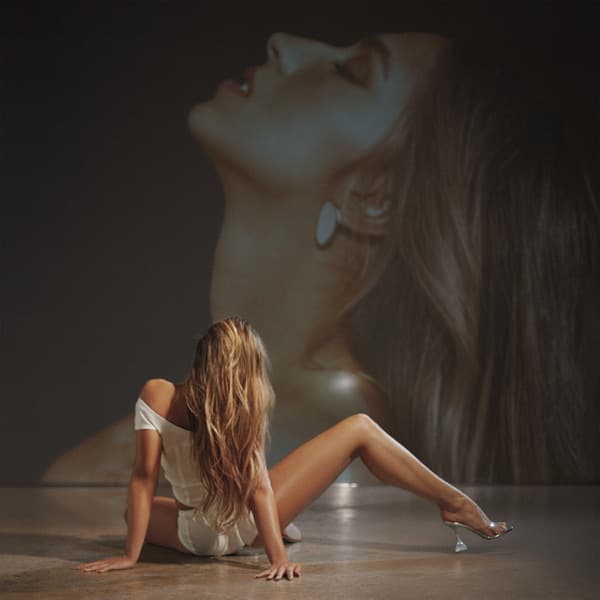
Tate McRae · 2025
The artwork for McRae's chart-topping album was photographed in October 2025 with creative directors Ludovic de Saint Sernin and Ignacio Muñoz. Three days after release, McRae controversially swapped the original back-facing cover for a simpler front-facing version, later returning to the original design.

SZA · 2024
SZA transforms into a shimmering insect creature for this deluxe reissue cover, shot by Cassidy Meyers. The bug persona originated from her Hot Ones appearance where she quipped about being 'tired of not being a bug.'

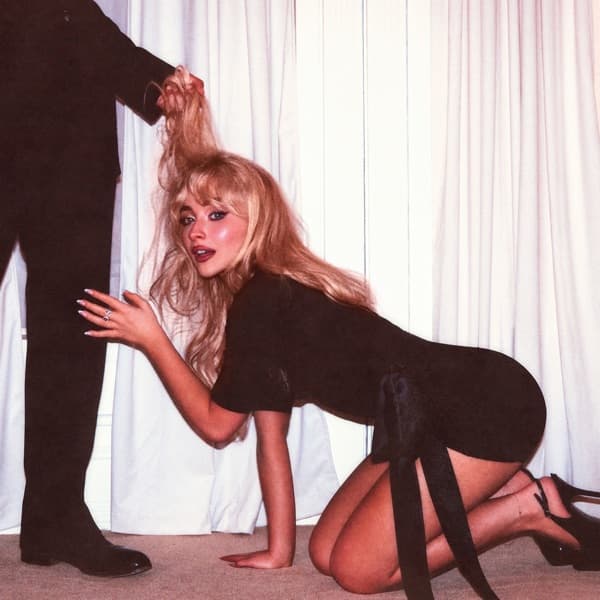
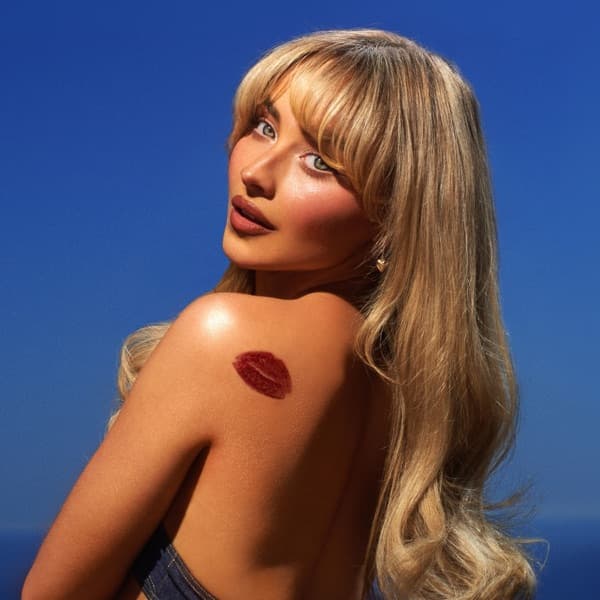
Sabrina Carpenter · 2024
Carpenter's sixth studio album cover sparked controversy for its resemblance to a 2015 French magazine photo featuring model Tiffany Collier photographed by Bruno Juminer.

Lil Nas X · 2021
Lil Nas X floats nude in this heavenly digital dreamscape shot by Charlotte Rutherford and designed by Pilar Zeta. The psychedelic cover transforms John Stephens' Genesis II artwork into a queer-coded Garden of Eden, sparking the rapper's bold artistic transformation and becoming one of 2021's most talked-about album covers.

Taylor Swift · 2017
A striking black-and-white portrait shows Swift with newspaper-style text covering half her face, embodying her transformation from country sweetheart to defiant pop star after public controversies.

Kanye West · 2013
Kanye West shocked the music world with a clear CD case sealed with red tape—no artwork at all. Virgil Abloh conceived it as an 'open casket' marking the death of physical music formats.

Death Grips · 2012
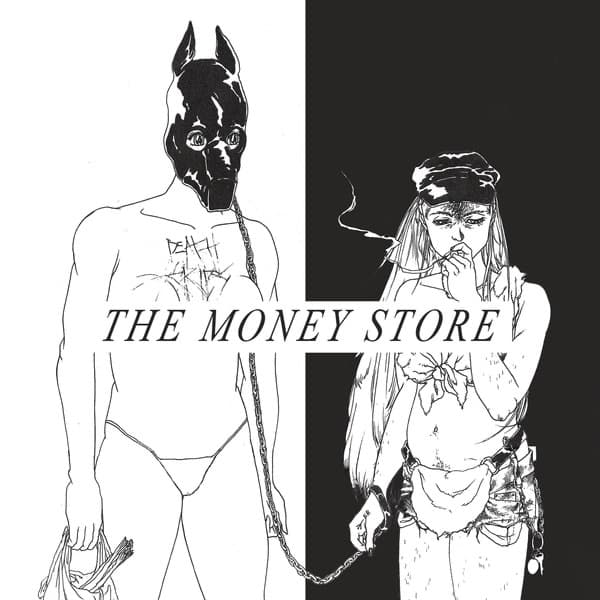
Death Grips' breakthrough album features a stark black-and-white photograph of drummer Zach Hill's erect penis, creating one of the most controversial and confrontational cover images in hip-hop history.

Lady Gaga · 2011
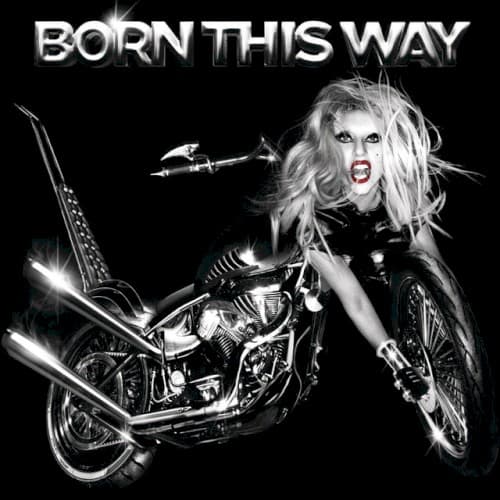
Lady Gaga's polarizing motorcycle-fusion cover sparked immediate controversy with fans calling it a "cheap Photoshop job." Shot by Nick Knight with the Haus of Gaga team, the image merged Gaga's head and arms with a custom motorcycle called "Predator."

Kanye West · 2010
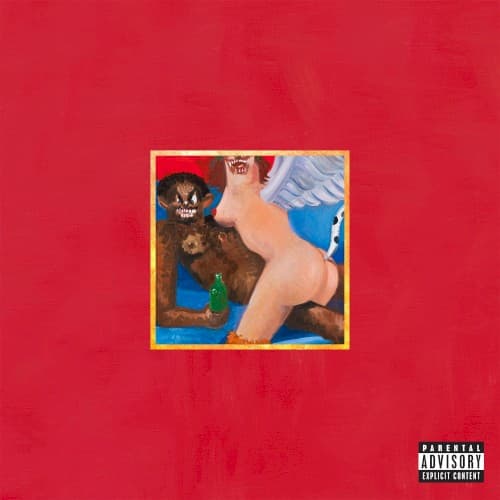
George Condo's provocative paintings were so controversial that major retailers refused to stock the album. Kanye turned the censorship into a collector's game by releasing multiple variant covers, making the 'banned' version the most desired.

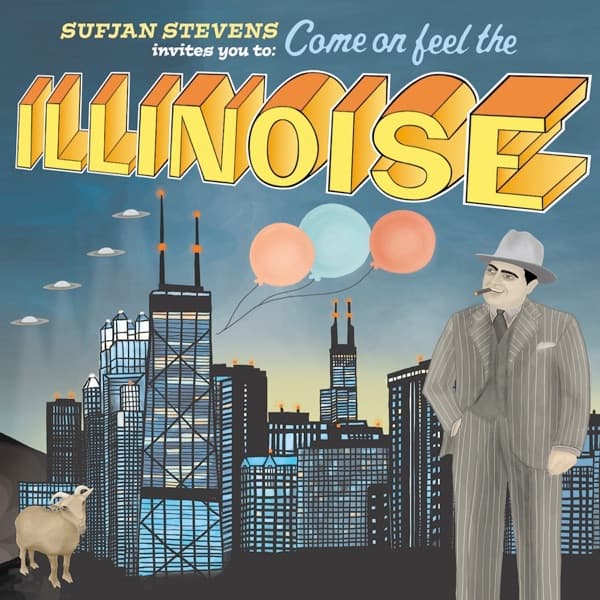
Sufjan Stevens · 2005
Artist Divya Srinivasan created the intricate illustrated cover depicting Illinois themes including Lincoln, Al Capone, the Sears Tower, and originally Superman—until copyright concerns led to multiple versions with balloons and eventually an empty sky.

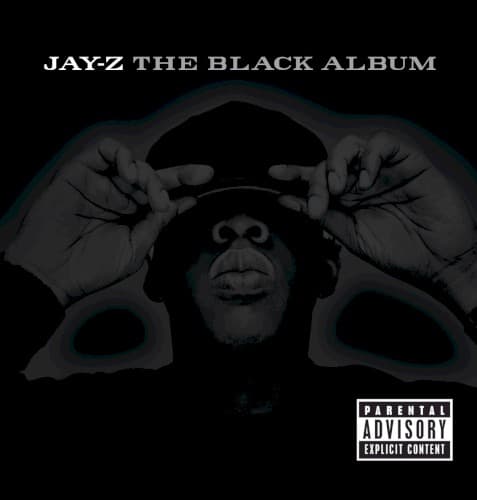
Jay-Z · 2003
The photograph hiding behind Jay-Z's iconic Black Album cover was actually taken two years earlier for The Blueprint, showing the rapper in a New York Jets jersey before being heavily edited into the ghostly, fading-to-black image that became one of hip-hop's most recognizable covers.

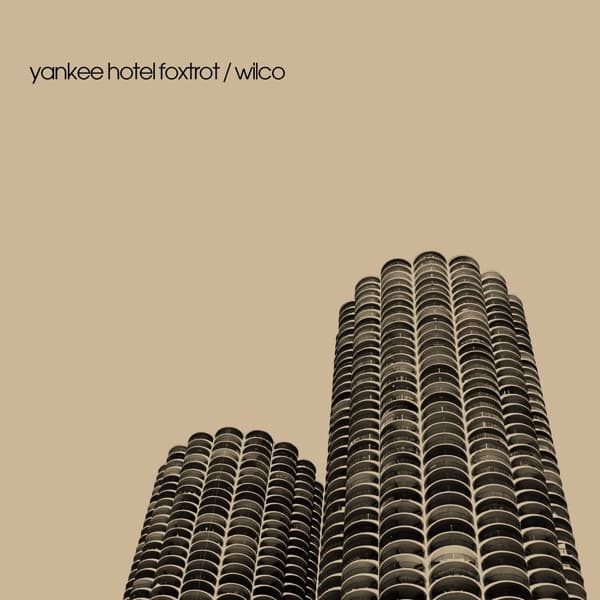
Wilco · 2002
Sam Jones shot hundreds of photos of Chicago before Lawrence Azerrad found the perfect Marina City image. Azerrad removed neighboring buildings to focus on the twin towers, creating an iconic cover that fans now call the Wilco Towers.

The Strokes · 2001
The Strokes' debut cover features a cropped intimate photograph that proved too provocative for American retailers, forcing the band to create an alternate version with abstract particle imagery for the US market.

Rage Against the Machine · 1999
Revolutionary spray-painted graffiti silhouette by LA street artist Joey Krebs creates one of rap-metal's most iconic covers. The raised-fist figure embodies Rage's political defiance through raw urban art.

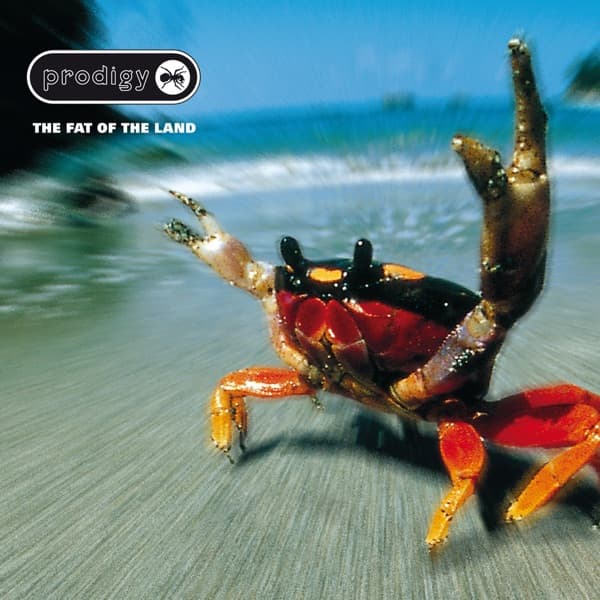
The Prodigy · 1997
The Prodigy's breakthrough album cover featured a controversial crab design that record stores initially refused to stock. Designer Alex Jenkins created the unsettling crustacean imagery that perfectly matched the band's aggressive electronic sound.

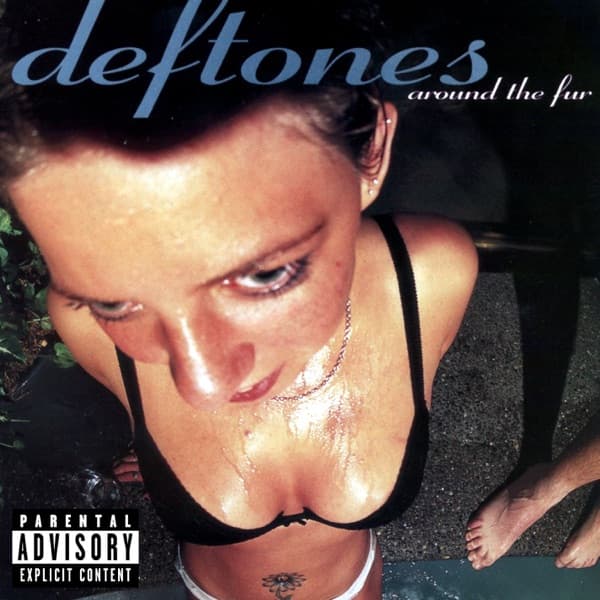
Deftones · 1997
A provocative fisheye-lens photograph taken spontaneously at a Seattle condo during the album's recording sessions. The image of Lisa Hughes in a jacuzzi became one of the most iconic alternative metal covers of the 1990s.

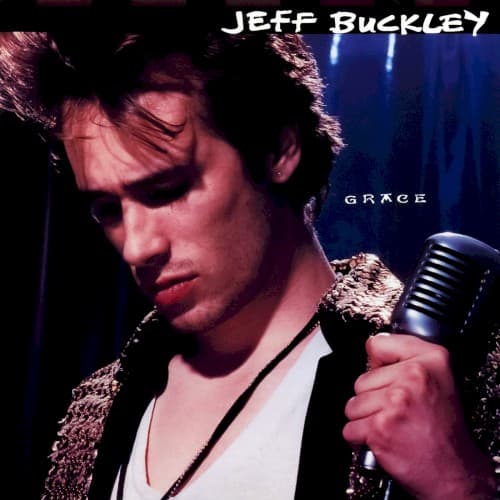
Jeff Buckley · 1994
Candid moment captured by photographer Merri Cyr showing Buckley with eyes closed, listening to music while wearing a sequined thrift store jacket. Columbia executives initially rejected the intimate image, but Buckley fought to keep it.

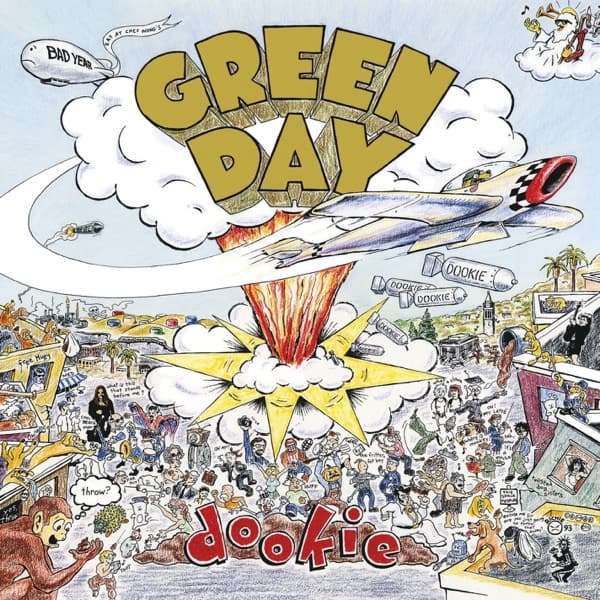
Green Day · 1994
East Bay artist Richie Bucher created this chaos-filled cartoon depicting dogs and monkeys flinging excrement from Berkeley rooftops, working only from the album title and his childhood associations with the word 'dookie.'

Nirvana · 1993
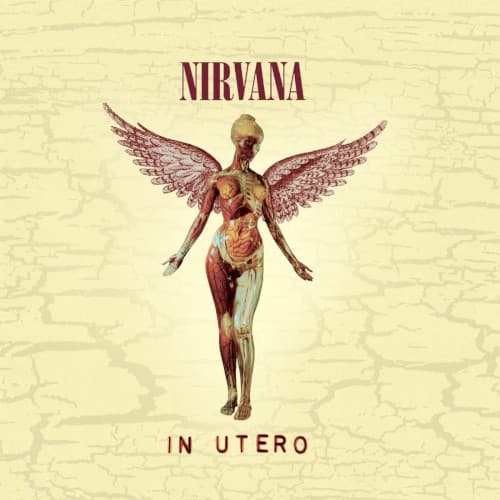
Nirvana's final studio album features anatomical collages by artist Robert Fisher that Walmart and Kmart refused to stock, forcing the band to create sanitized alternate covers for major retailers while the original became a statement of artistic integrity.

Red Hot Chili Peppers · 1991
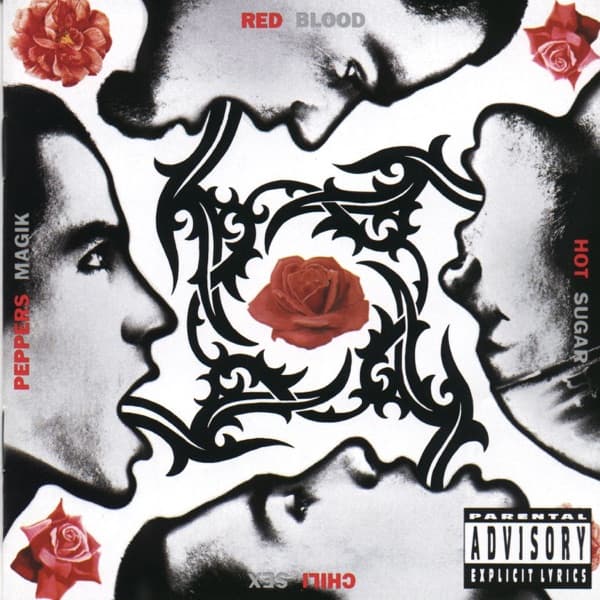
Dutch tattoo artist Henk Schiffmacher designed the tribal artwork while filmmaker Gus Van Sant shot the band portraits for this iconic alternative rock cover. The stylized tongues reaching toward a single rose merged body art culture with grunge aesthetics.

Nirvana · 1991
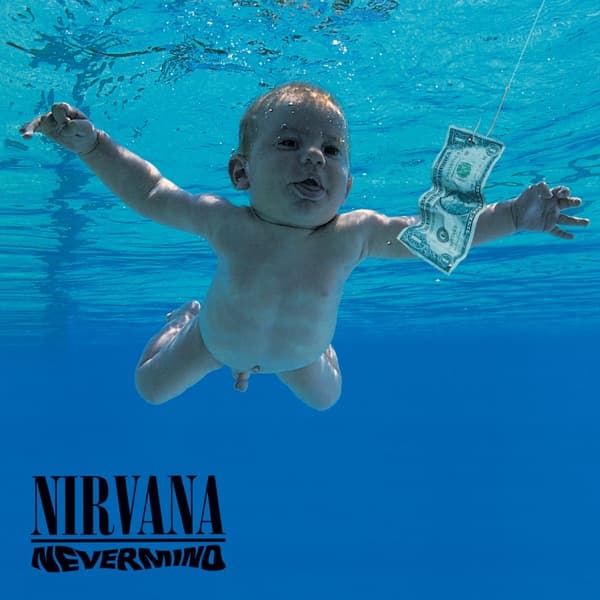
Kurt Cobain's concept of a baby swimming underwater chasing a dollar bill on a fishhook became one of the defining images of the 1990s — a commentary on how humans are conditioned from birth to chase money.

Guns N' Roses · 1987
The iconic cross-and-skulls cover wasn't the original artwork - that was a controversial robot rape painting by Robert Williams. When retailers refused to stock it, Geffen moved Williams' art inside and used Billy White Jr.'s tattoo design instead.

Mötley Crüe · 1983
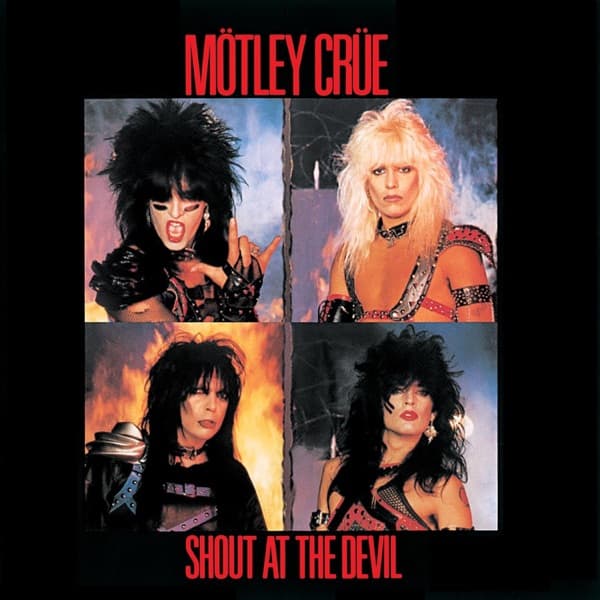
A stark black pentagram on matte cover sparked Christian outrage and landed Motley Crue on ABC News. Photographer Barry Levine conceived the controversial design that defined 1980s metal rebellion.

Ozzy Osbourne · 1980
Ozzy's solo debut cover features the Prince of Darkness clutching crosses in a dramatic studio portrait that launched his post-Sabbath reinvention. Shot by Fin Costello at Metropolitan Wharf in London's Wapping district, the theatrical imagery perfectly captured the album's dark comic book aesthetic.

Black Sabbath · 1970
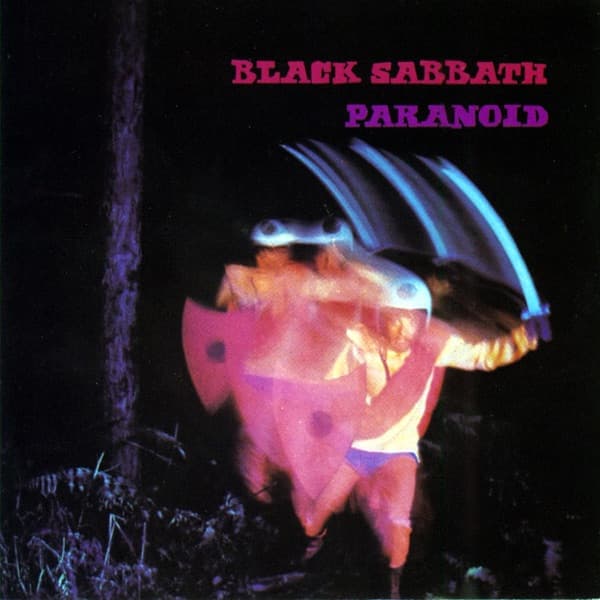
Keith Macmillan's War Pigs concept became iconic mismatch when label changed album title to Paranoid last-minute. Roger Brown posed as the fluorescent warrior in Black Park for heavy metal's most confusing cover.

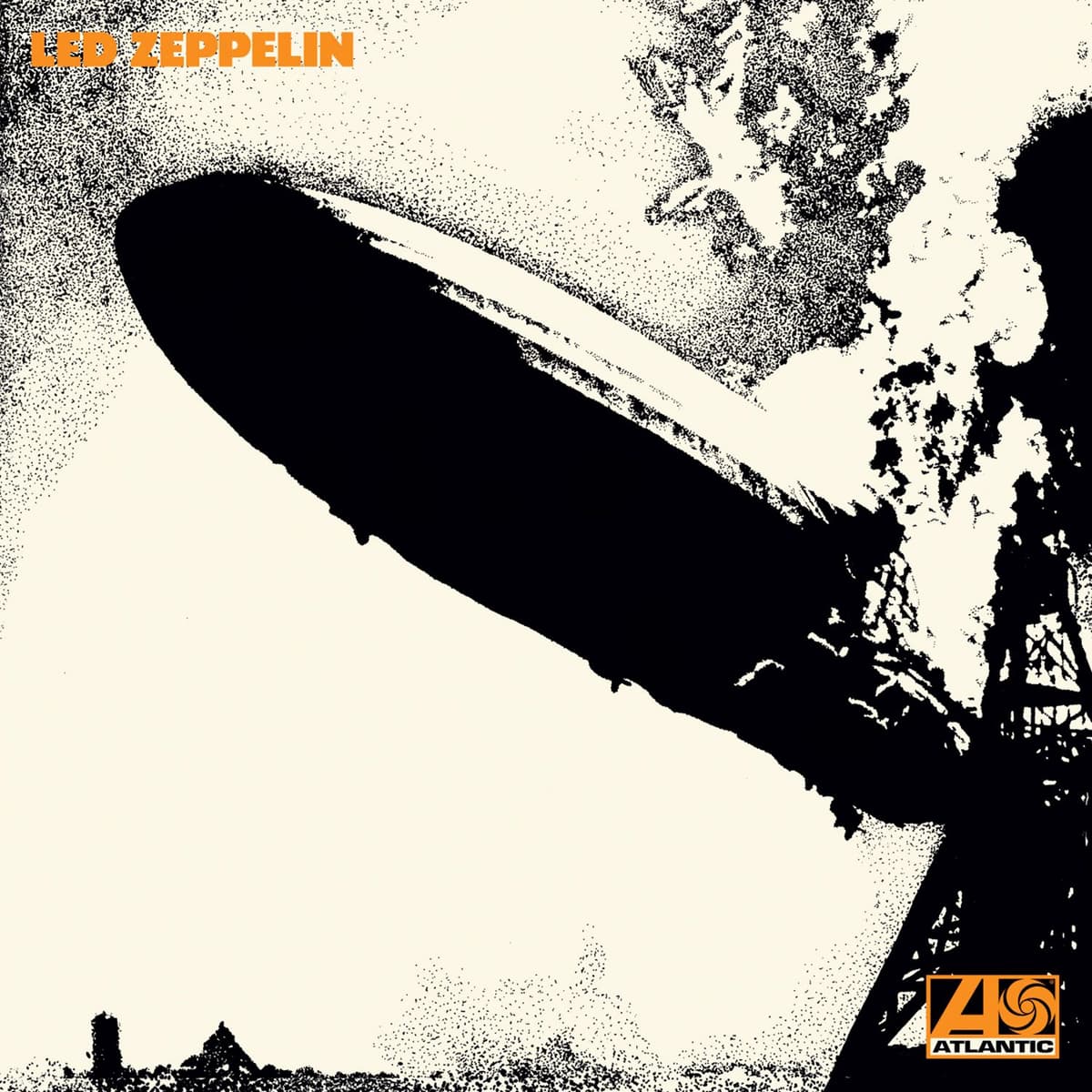
Led Zeppelin · 1969
George Hardie transformed Sam Shere's iconic 1937 Hindenburg disaster photograph into a haunting stipple illustration using a technical pen, creating one of rock's most powerful visual statements for just £60.

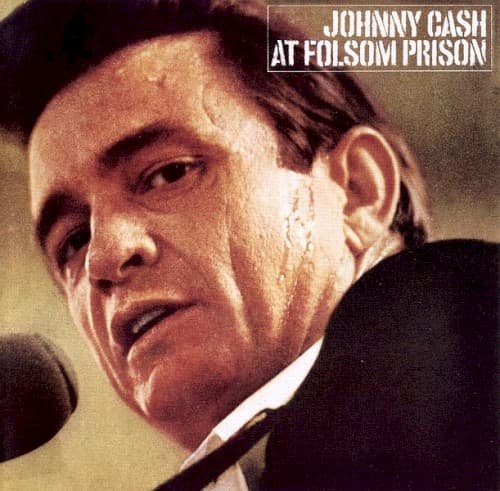
Johnny Cash · 1968
The stark close-up of Cash's intense gaze captured the raw authenticity of his legendary prison performance. Jim Marshall was the only official photographer present at the historic January 13, 1968 concert.

The Jimi Hendrix Experience · 1968
Jimi Hendrix's double album sparked international controversy with its provocative cover featuring 19 nude women photographed by David Montgomery. The image was so scandalous that many countries banned it, forcing alternative covers to be created for different markets.

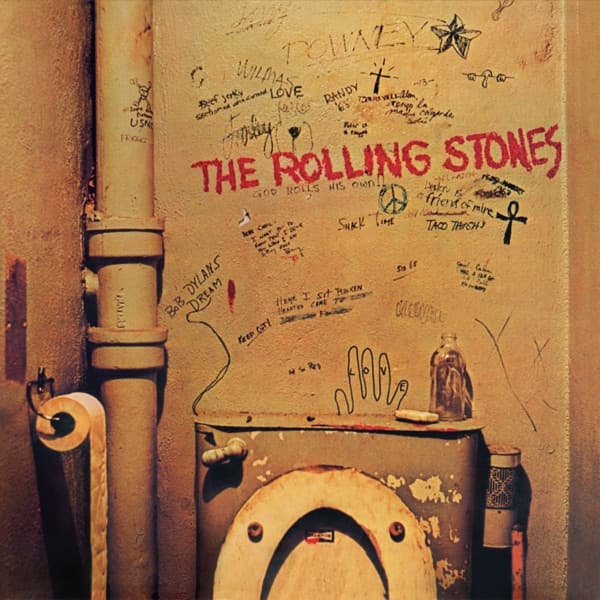
The Rolling Stones · 1968
The Rolling Stones' return to their blues roots sparked a six-month delay when both UK and US record labels rejected Barry Feinstein's original toilet cover art, forcing a controversial compromise.

The Beach Boys · 1966
The iconic photo of The Beach Boys feeding goats at San Diego Zoo was shot by Capitol Records staff photographer George Jerman. The band's visit on February 10 or 13, 1966, was reportedly so chaotic that zoo officials banned them for life.

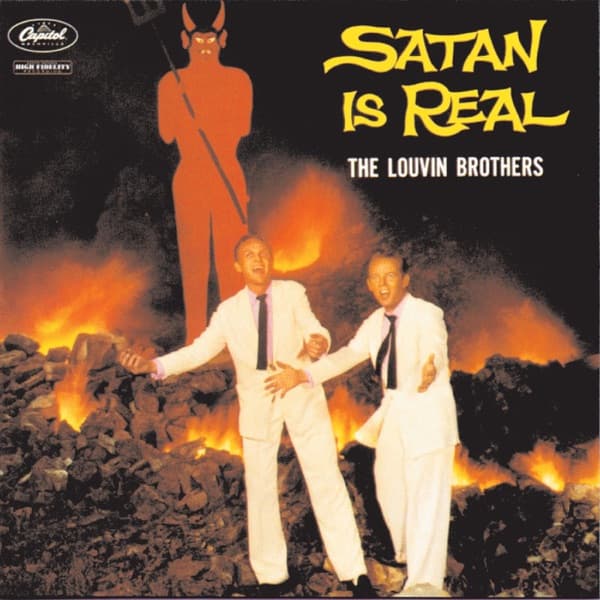
The Louvin Brothers · 1959
One of the most infamous album covers ever created, featuring a 12-foot plywood Satan cutout designed by Ira Louvin and burning kerosene-soaked tires in a rock quarry. The brothers nearly got burned during the photo shoot when kerosene-soaked rocks exploded.