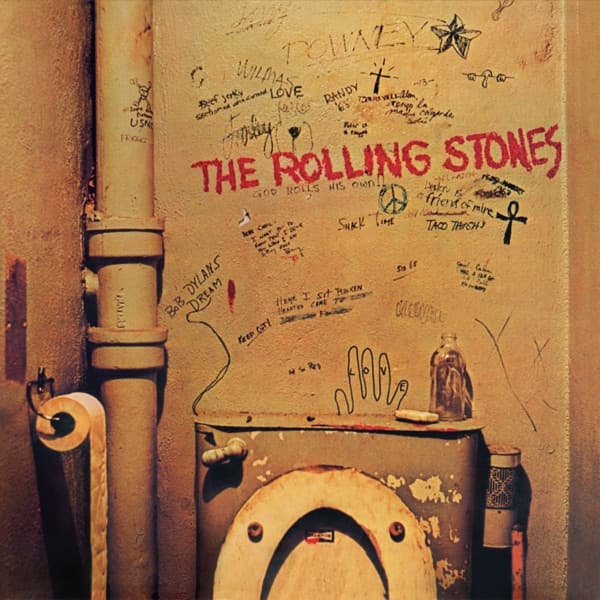


Barry Feinstein photographed a graffiti-covered toilet in a dilapidated bathroom at a Los Angeles Porsche repair shop, with Mick Jagger and Keith Richards personally scrawling the album credits on the walls. The image became one of rock's most notorious banned covers.
The concept originated from designer Michael Vosse, who brought the band to the vile bathroom without warning them about the conditions. The band members waded through thick dark liquid on the floor in their expensive velvet suits and Italian shoes, adding their own graffiti with crayons and felt pens.
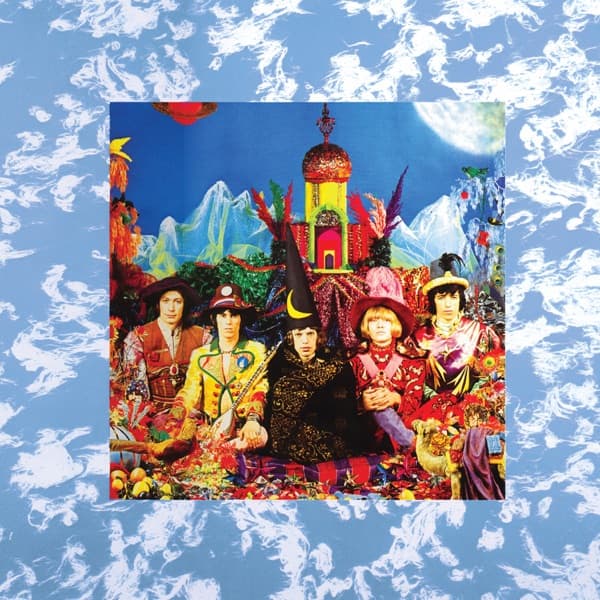
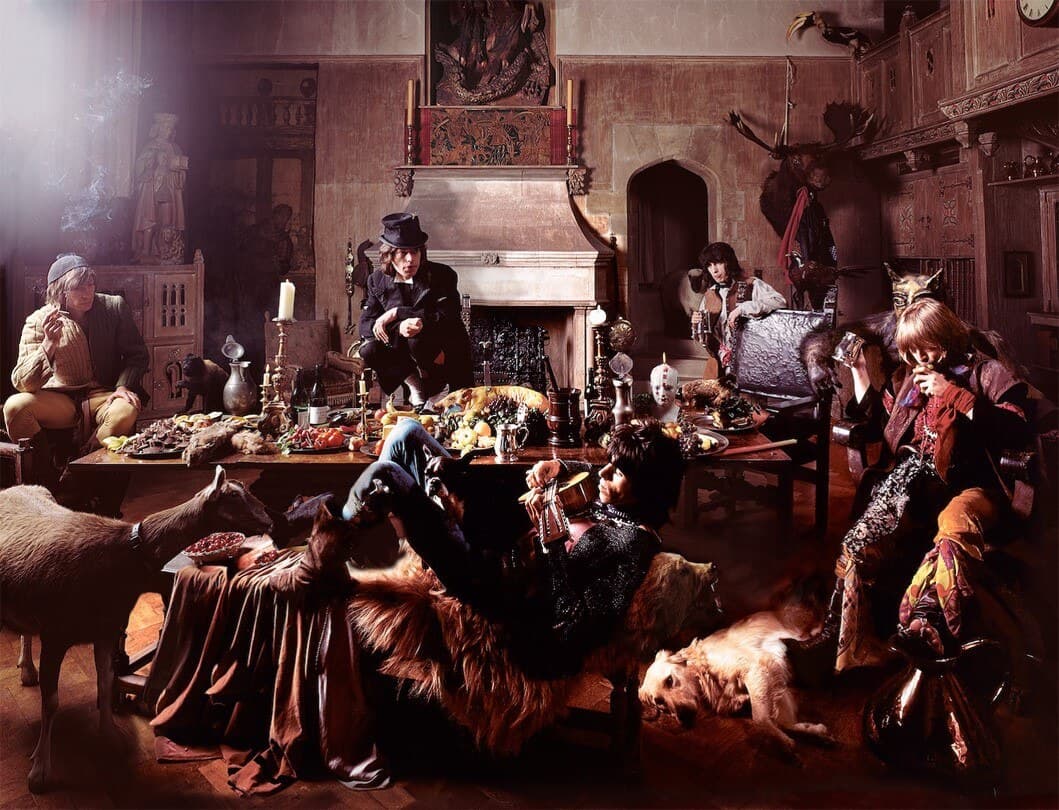
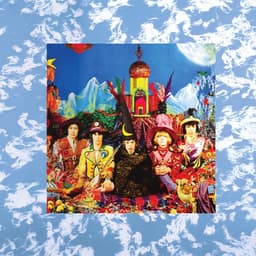
Meanwhile, Michael Joseph conducted an elaborate photo shoot at two historic English locations. The banquet scenes were captured across two days at Sarum Chase mansion in Hampstead, London, and Swarkestone Hall Pavilion in Derbyshire, creating images that portrayed the Stones as medieval troubadours.
Joseph was known for his imaginative and surreal photographic style, having studied at The London College of Printing and Graphic Arts after arriving from South Africa in 1962. His visual capabilities made him the photographer of choice for the gatefold imagery.
Art director Tom Wilkes hand-retouched and toned Joseph's silver gelatin photographs, creating oversized versions that revealed unseen elements like statues, candlesticks, and architectural details. Wilkes had previously designed covers for the Monterey Pop Festival and would later win a Grammy for his album artwork.
Both Decca Records in the UK and London Records in the US rejected Feinstein's toilet cover, citing it as terribly offensive. The controversy delayed the album's release from its planned summer 1968 date until December 6, 1968.
Jagger defended the artwork sarcastically: "We really have tried to keep the album within the bounds of good taste. We've only shown the top half. Two people at the record company have told us that the sleeve is terribly offensive."
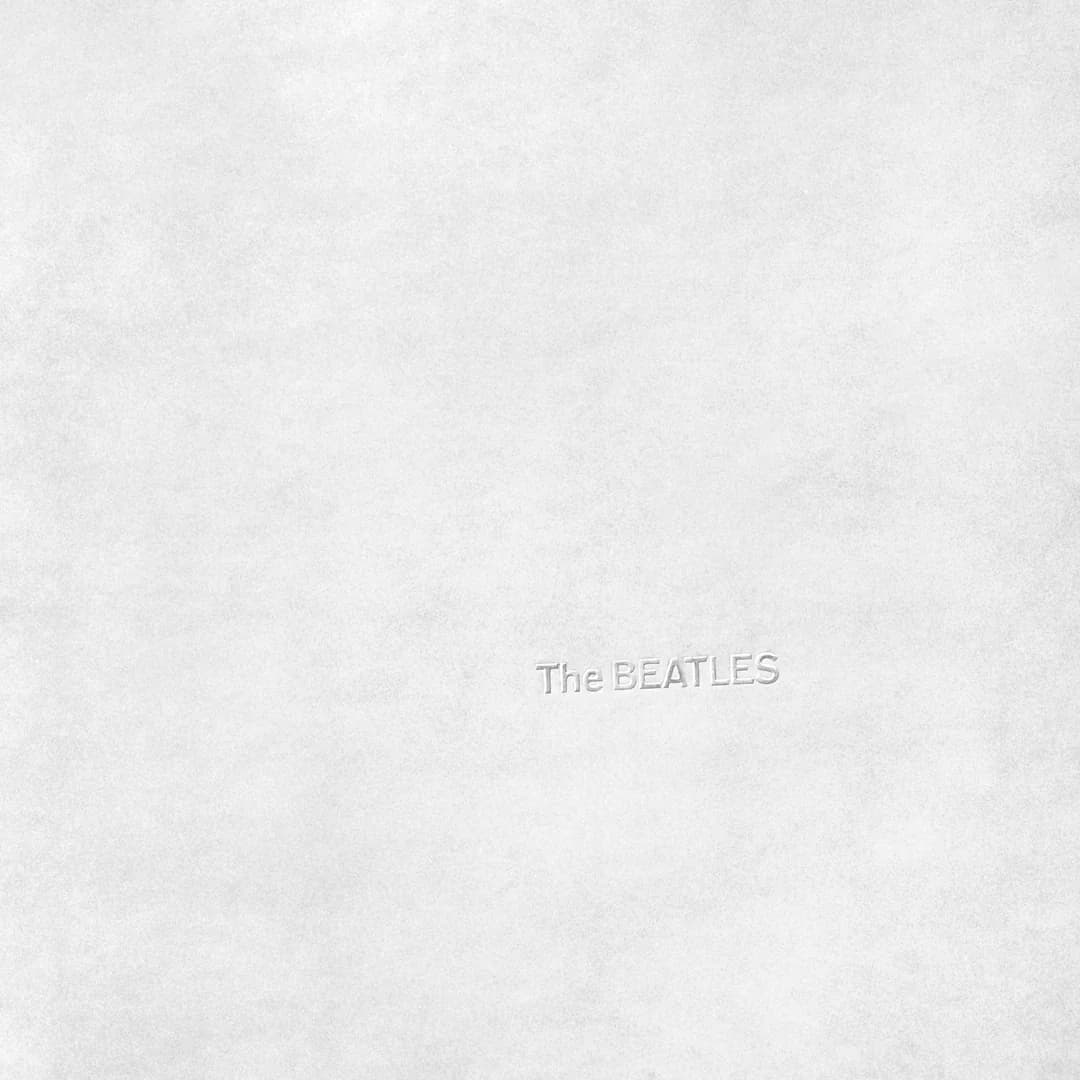
The final compromise featured an elegant white invitation-style cover with copperplate lettering and "RSVP" in the corner, while Joseph's banquet photographs appeared on the inner gatefold. The toilet cover would eventually appear on later reissues.
Visually, the released cover employed minimalist typography against stark white space, creating an ironic contrast to the album's raw blues content. The formal invitation aesthetic mocked upper-class pretensions while the gatefold revealed decadent medieval imagery.
The album launch party at London's Gore Hotel erupted into chaos when Jagger threw a custard pie at Brian Jones, sparking a food fight that splattered Decca executives who had caused the delay.
Beggars Banquet marked a pivotal moment in rock censorship, demonstrating how visual imagery could be deemed more threatening than controversial lyrics. The toilet cover became a symbol of artistic rebellion against corporate sanitization.
The controversy directly influenced the band's decision to eventually start their own record label, seeking creative control over their visual presentation. Feinstein's banned photograph remains one of the most sought-after pieces of rock memorabilia.
Michael Joseph later recalled: "The Stones arrived punctually" at the Sarum Chase mansion, where they transformed into elegant beggars for one of rock's most elaborate photo shoots, creating images that would define their late 1960s aesthetic.