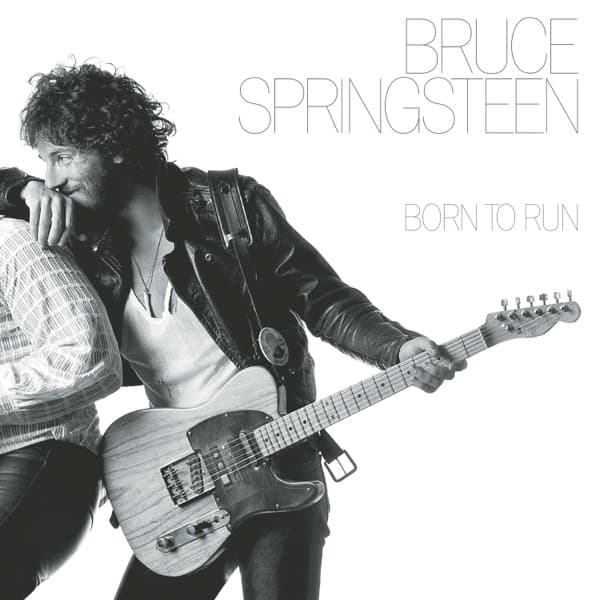

In the winter of 1978, Bruce Springsteen drove his Corvette to the quiet borough of Haddonfield, New Jersey, seeking something very different from the slick celebrity imagery surrounding his previous album Born to Run. He needed a cover for Darkness on the Edge of Town that would match the raw, desperate characters he'd been writing about during his year-long legal battle with former manager Mike Appel.
The connection came through Patti Smith, who introduced Springsteen to Frank Stefanko, a meatpacker by day who photographed musicians when off the clock. Stefanko had caught Springsteen's early performance at The Main Point in Bryn Mawr on Ed Sciaky's WMMR broadcast and told Smith to watch out for this future star. When Smith later met Springsteen backstage at The Bottom Line, she passed along her friend's prediction.
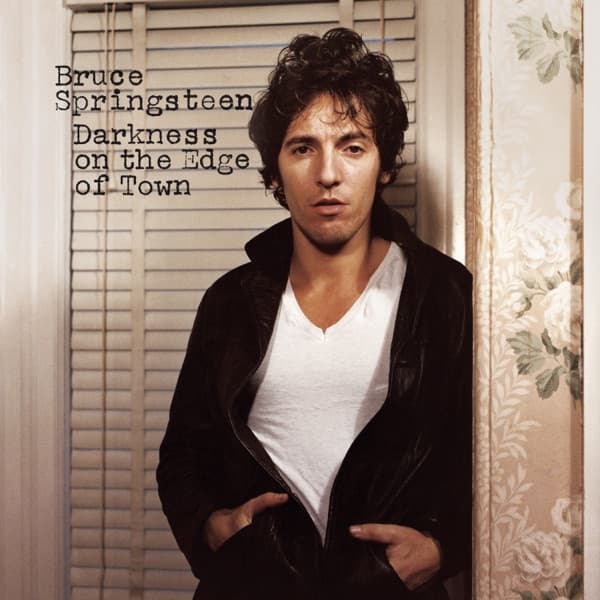
Stefanko took Springsteen all over his modest Haddonfield home, posing him in wicker chairs and against his bedroom window. The bedroom location, with its now-famous flowery wallpaper, provided the backdrop for the Darkness on the Edge of Town cover. Stefanko also photographed Springsteen on the snowy streets of Haddonfield, capturing images at Indian King Tavern and next to the striped pole outside Frank's Barber Shop.
The cover photographs for both Darkness on the Edge of Town and The River were actually made during the same weekend sessions - Springsteen's first two days working with Stefanko. Springsteen brought his wardrobe in a crumpled paper grocery bag filled with old denim shirts, plaid shirts, T-shirts and jeans. The intimacy of these sessions created images that transcended typical rock photography.
Stefanko's approach perfectly matched what Springsteen sought for this difficult period. As Springsteen later wrote in his memoir, Stefanko's photographs were stark, managing to strip away celebrity and artifice to reach the raw truth. They had a purity and street poetry that wasn't slick, capturing the people Springsteen wrote about in his songs and showing him the part of himself that remained one of them.
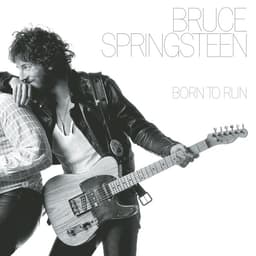
The album's packaging was designed by Andrea Klein, who created a stark, minimal presentation that emphasized the photograph's power. The back cover features Springsteen without his jacket alongside the ten song titles. Klein's design avoided the hype-driven approach of Born to Run, reflecting Springsteen's desire to be seen as having grown up and matured artistically.
When Darkness on the Edge of Town was released on June 2, 1978, the cover immediately established the album's mood. Critics and fans recognized how perfectly the image captured the album's themes of working-class struggle and desperate characters fighting against overwhelming odds. The photograph's domestic setting - a bedroom with flowery wallpaper - created an intimate, vulnerable feeling that contrasted sharply with typical rock star imagery.
The visual composition places Springsteen against the wallpaper in natural lighting, creating shadows that emphasize the darkness referenced in the album title. His disheveled hair and penetrating stare evoked comparisons to Martin Scorsese films like Mean Streets, with some noting resemblances to Al Pacino in Serpico and Robert De Niro's intense screen presence.
Stefanko's photograph achieved something rare in album cover art - condensing the entire direction and mood of the music into a single image. When Springsteen first saw the photograph, he reportedly said it captured the person he was writing about, the Darkness on the Edge of Town character he wanted on his cover. The image had what he called 'hungriness' that other cover options lacked.
The cover became one of the most influential rock album photographs of the 1970s, inspiring countless imitations and establishing a new template for honest, unglamorous rock portraiture. Stefanko's approach influenced a generation of music photographers to seek authenticity over artifice, stripping away the theatrical elements that had dominated rock imagery through the early seventies.
The original Stefanko negatives were temporarily lost when rushed to Columbia Records for immediate use, only being recovered decades later. This near-loss underscores the historical importance of these images, which not only defined Springsteen's visual identity but helped establish the aesthetic template for heartland rock and roots music photography.
Four decades later, that flowery bedroom wallpaper in Haddonfield has been painted over by subsequent homeowners, but not before missing one of rock history's great merchandising opportunities - failing to sell scraps of the photographer's 'ugly wallpaper' to collectors.