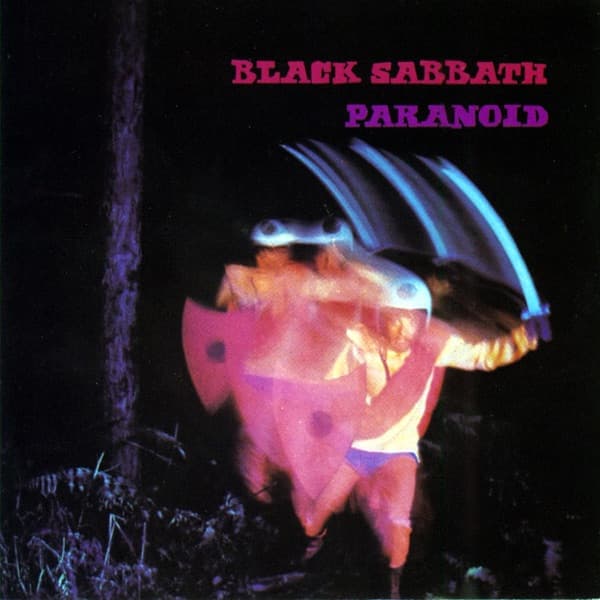
Keith Macmillan never planned to create one of heavy metal's most confusing album covers. In 1970, working as Vertigo Records' in-house designer under the name Keef, he received a straightforward brief: create artwork for Black Sabbath's second album, titled War Pigs.
The concept originated from the album's thunderous opening track, an anti-war anthem that bassist Geezer Butler had originally titled "Walpurgis" after the witches' sabbath. When Vertigo deemed that too satanic, they changed it to War Pigs. Macmillan understood the assignment: visualize a war pig, something dark and militaristic to match the Vietnam-era fury of Butler's lyrics.
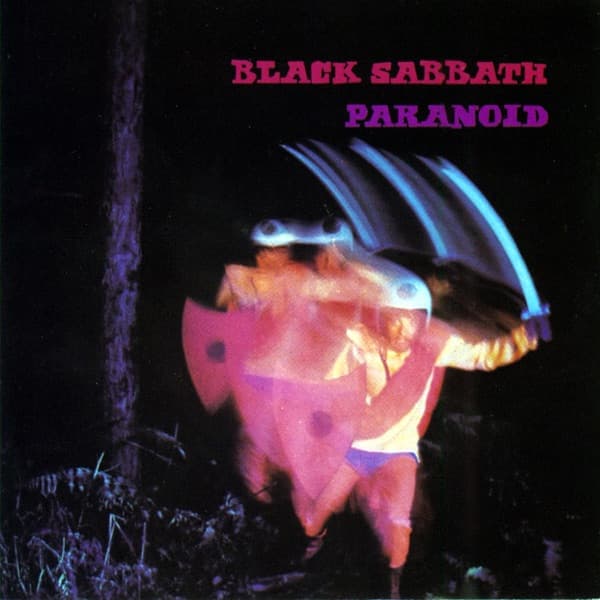
Macmillan traveled to Black Park in Buckinghamshire, a wooded location behind Pinewood Studios where James Bond films were shot. Working at night with his assistant Roger Brown, he created what he called an experimental shoot using ultraviolet lights and flash photography. Brown wore a white motorcycle helmet, pink and yellow outfit, and wielded a sword and shield in an attacking stance.
The photographer had Brown pose with a pig mask for some shots, intending to literalize the War Pigs concept. "We shot it at night, and we did quite a lot of experimental stuff," Macmillan recalled in a 2020 Rolling Stone interview. However, none of the pig mask shots survived, leaving only the fluorescent warrior images.
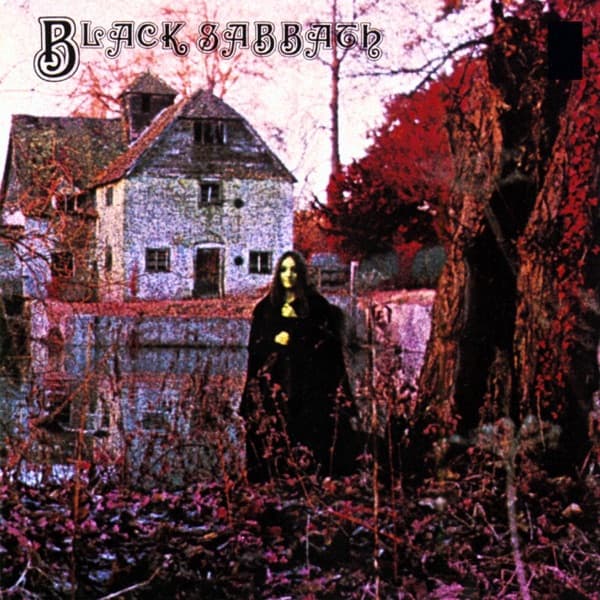
Macmillan had worked with Black Sabbath before, having shot their iconic debut cover at Mapledurham Watermill. Roger Brown wasn't just his model but also his creative collaborator - Brown had written the eerie poem for the debut album's inverted cross gatefold. "Roger had a great imagination, both with visuals and with words," Macmillan explained.
By July 1970, everything changed. The hastily-written track "Paranoid" became a surprise hit single, reaching number 4 on UK charts. Warner Bros, the US distributor, saw commercial gold and demanded the album be renamed Paranoid. Ozzy Osbourne recalled seeing test sleeves printed with War Pigs and being "horrified" when they changed the title.
"What the fuck does a bloke dressed as a pig with a sword in his hand got to do with being paranoid?" Osbourne complained in 1998. The disconnect was total - there was no time for a reshoot, no budget for new artwork. The fluorescent warrior would have to represent paranoia, not war pigs.
Sandy Field, Macmillan's fellow Royal College of Art student, handled the typography. He used Black Casual, a phototype adaptation of Lettre Coupé - crude cut-out capitals originally created by Swiss designer Walter Haettenschweiler. The brutal, jagged lettering perfectly matched the music's heaviness, even if the imagery made no sense.
The final cover shows Brown's image superimposed three times to create movement, stained with pink paint against a dark forest backdrop. The technique created an otherworldly, almost psychedelic effect that accidentally captured the paranoia theme better than anyone expected. The blurred, repetitive figure suggests mental fragmentation.
Critics and fans were baffled. Geezer Butler called it "the worst cover ever," lamenting "We didn't like it at all, but the label put it together." The band felt the whimsical, colorful imagery undermined their increasingly dark, serious music. Macmillan himself found it "slightly embarrassing" that his War Pigs concept was stuck with the Paranoid title.
Yet the cover's very disconnection became part of its legend. The mysterious neon warrior rushing through midnight woods captured something ineffable about Black Sabbath's music - the sense of ancient evil colliding with modern technology, the feeling of being unstuck in time and meaning.
Paranoid topped UK charts and became heavy metal's foundation text. The cover, despite everyone's reservations, became iconic through sheer repetition and the album's massive influence. Roger Brown continued working with Macmillan for years, even after the photographer moved into music videos. Brown died of leukemia in 2002 at age 55, forever immortalized as heavy metal's first cover star.
Decades later, the Paranoid cover stands as proof that great art sometimes emerges from chaos and commercial compromise rather than pure artistic vision.