

Behind the Covers
Ride the Lightning by Metallica — album cover art

Ride the Lightning

Metallica · 1984

2 min read

Label
Megaforce Records
Decade
1980s
Genre
Metal

The cover for Ride the Lightning exists because Megaforce Records was broke. With no budget for professional artwork, Metallica found themselves scrambling to create their own album cover just weeks before the 1984 release date.

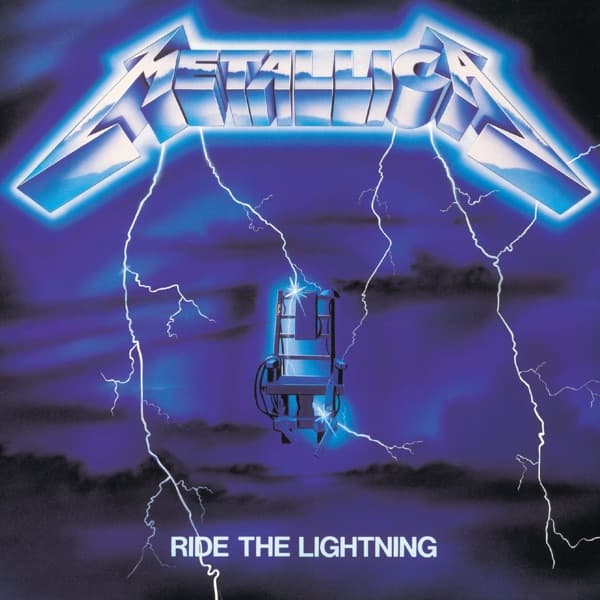
The concept came directly from the album's title track about a man facing execution in the electric chair. James Hetfield and Lars Ulrich wanted imagery that would literally illustrate the song's narrative of death row and electrocution.

Using basic art supplies, the band members sketched out their vision of an electric chair surrounded by lightning bolts. The drawing was intentionally crude and menacing, reflecting both their limited artistic skills and their desire for raw, unpolished imagery that matched their thrash metal sound.

The execution was entirely DIY. Working with whatever materials they could find, they created a simple line drawing that emphasized the chair's intimidating silhouette against a stark background. The lightning bolts were drawn to suggest both electricity and supernatural power.

No professional designer or photographer was involved in the process. This was purely a band creation, born from necessity but embraced as an authentic expression of their aesthetic vision. The simplicity wasn't a choice—it was all they could manage.

When Megaforce Records saw the artwork, they had little choice but to approve it. The label was gambling everything on this young band, and there was no money left for professional design work or last-minute changes.

Fans immediately connected with the cover's brutal directness. Unlike the elaborate fantasy artwork dominating metal albums in 1984, Ride the Lightning looked dangerous and real. The electric chair felt like a genuine threat rather than cartoonish horror.

The cover's influence on DIY metal artwork cannot be overstated. Countless thrash and death metal bands would adopt similar hand-drawn, lo-fi approaches to their album covers, proving that raw energy could triumph over polished professionalism.

Even after Metallica could afford world-class designers, fans still point to Ride the Lightning as their most visually powerful cover. The desperation that created it somehow translated into pure artistic authenticity.

Decades later, James Hetfield admitted he was embarrassed by their drawing skills at the time. But that amateur quality became the cover's greatest strength—it looked exactly like what it was: young metalheads drawing their darkest nightmares.

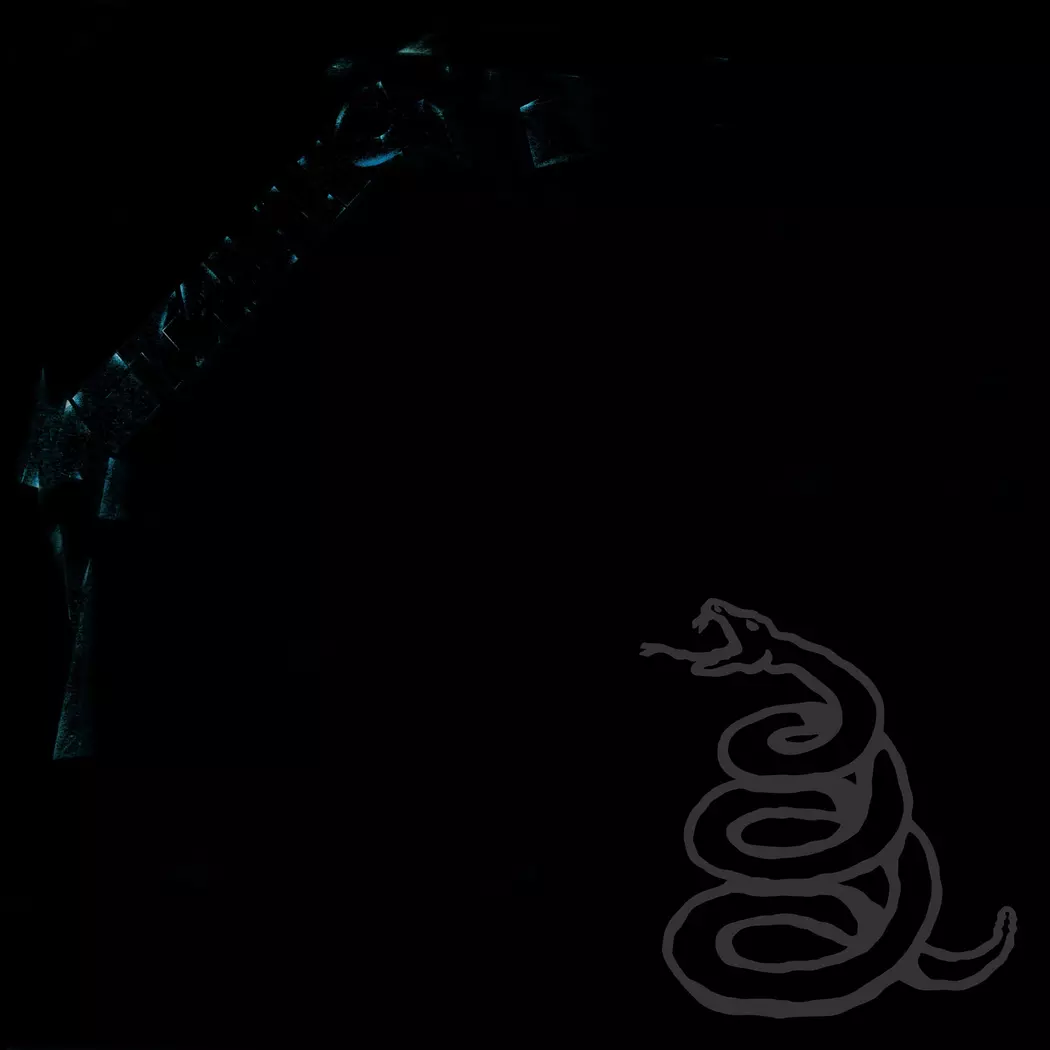
Color palette

Dominant colors on this cover

#4183c2

#77acd7

#45459c

#1a568a

#3a3552

This cover reads predominantly as blue. Explore more covers with the same palette:

Inside the Design

Visual analysis

The composition centers entirely on the electric chair, positioned slightly off-center to create visual tension while dominating the frame. Lightning bolts radiate outward in jagged lines, creating a dynamic energy that draws the eye in multiple directions before always returning to the chair's stark silhouette. The spatial arrangement is deliberately claustrophobic, with the lightning filling almost every inch of negative space.

The monochromatic palette—stark black ink on white paper—eliminates any visual comfort or warmth. This binary color scheme reinforces the album's themes of life and death, good and evil, with no gray areas in between. The absence of color makes the imagery feel more like a technical diagram or police evidence than traditional album art.

The hand-drawn typography and imagery reject the polished metal aesthetic of the era. Every line wobbles slightly, every angle is imperfect, communicating authenticity and danger that computer-generated graphics couldn't achieve. The rough execution suggests urgency and desperation, as if the image was carved into a prison wall.

This cover established a visual template for extreme metal that prioritized raw emotional impact over technical proficiency. Its influence can be traced through decades of black metal, death metal, and hardcore punk covers that deliberately chose crude aesthetics to signal authenticity. The cover proved that sometimes the most powerful art comes from having no choice but to do it yourself.

Get a new cover story every week

One email, one iconic album cover — the designer, the story, and why it matters.

Get notified when we publish new cover stories. Download the Behind the Covers app and turn on notifications — a new album art deep dive, every day.

Loved the story behind Ride the Lightning? Hear the album or add it to your collection.

Keep exploring

Connections across Behind the Covers

Danzig by Danzig

Up next

Danzig

Danzig · 1988 · Glenn Danzig

The demonic skull adorning Danzig's debut was drawn by Glenn Danzig himself, but lifted from Marvel comic artist Michael Golden's cover for Crystar #8. The minimalist white skull on black background became one of metal's most iconic covers without any text or band identification.

Read this story →

Want to explore more?

Never miss a new cover story

Get the Behind the Covers app and turn on notifications — we publish new album art deep dives every day.