band-photo

29 cover stories in our archive

Behind the Covers' archive includes 29 album covers documented under the "band photo" design theme, spanning the 1960s, 1970s, 1980s, 1990s, 2000s. These covers sit within the indie, pop, electronic, alternative, r&b, hip-hop, rock, folk, metal, punk, reggae, country, blues tradition and feature work by Vampire Weekend, MGMT, Dave Matthews Band, TLC and others. Each entry below includes the cover artwork, the designers and photographers behind it, and a short story about the visual choices that defined the release.

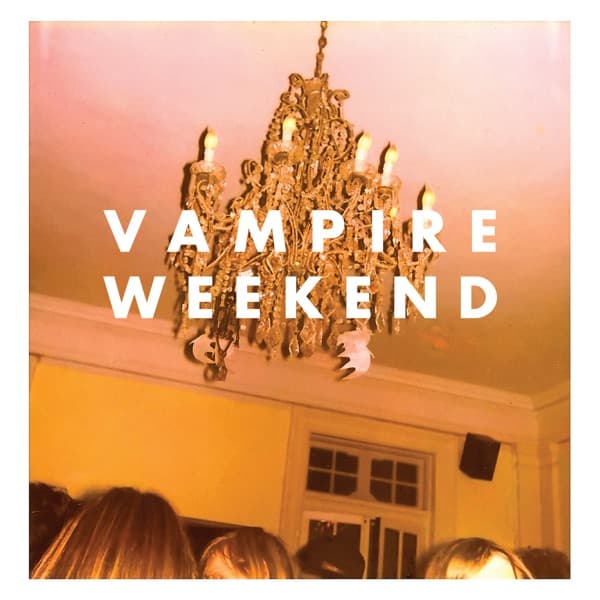
Vampire Weekend by Vampire Weekend — album cover art

Vampire Weekend by Vampire Weekend (2008)

The chandelier on Vampire Weekend's debut isn't a stylist's prop. It's a Polaroid snapped at a real party inside a semi-secret Columbia society, candle bulbs glowing over the heads of strangers. Here's why a band that called itself 'Upper West Side Soweto' chose a snapshot of their own origins.

Label
XL Recordings
Genre
Indie
Decade
2000s
Read the full story →
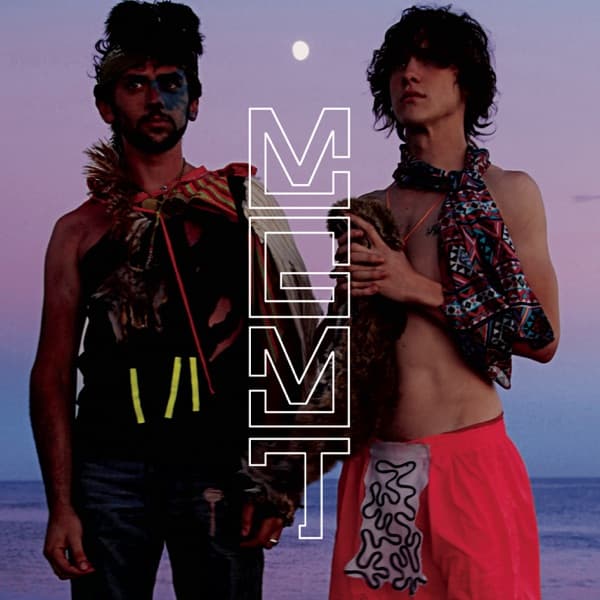
Oracular Spectacular by MGMT — album cover art

Oracular Spectacular by MGMT (2007)

Two young men stand on a beach at dusk in feathers, war paint, and hot-pink shorts, a pale moon hanging between them. This is MGMT before the world caught on: a costume-shop fever dream shot during a music video, stamped with a logo Andrew VanWyngarden drew by hand.

Label
RED Ink / Columbia
Photographer
Sam Fleischner
Genre
Pop, Electronic
Decade
2000s
Read the full story →
Crash by Dave Matthews Band — album cover art

Crash by Dave Matthews Band (1996)

Thane Kerner's abstract illustration for Dave Matthews Band's breakthrough sophomore album has become synonymous with the band's visual identity. The enigmatic cover features flowing organic forms in muted earth tones, complemented by C. Taylor Crothers' band photography.

Label
RCA Records
Designer
Thane Kerner
Photographer
C. Taylor Crothers
Genre
Alternative
Decade
1990s
Read the full story →
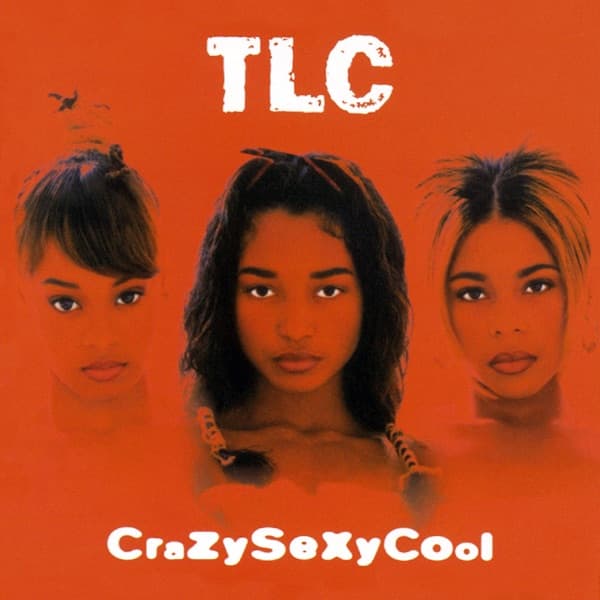
CrazySexyCool by TLC — album cover art

CrazySexyCool by TLC (1994)

Three faces float on a field of burning orange, calm and unblinking. TLC arrived on CrazySexyCool with vulnerability and bare skin instead of baggy hoodies, and the reinvention helped make them the first girl group to go diamond. Here's the story behind that stare.

Label
LaFace / Arista Records
Photographer
Dah Len
Genre
R&B, Hip-Hop
Decade
1990s
Read the full story →
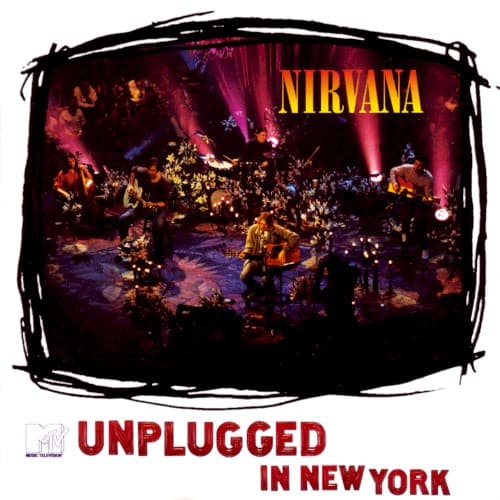
Nirvana: MTV Unplugged in New York by Nirvana — album cover art

Nirvana: MTV Unplugged in New York by Nirvana (1994)

When MTV's producer looked at Kurt Cobain's set requests and asked 'You mean like a funeral?', Cobain answered 'Exactly. Like a funeral.' Seven months later he was dead, and the lilies and black candles on this cover stopped looking like staging and started looking like prophecy.

Label
DGC Records
Designer
Robert Fisher
Genre
Alternative, Rock
Decade
1990s
Read the full story →
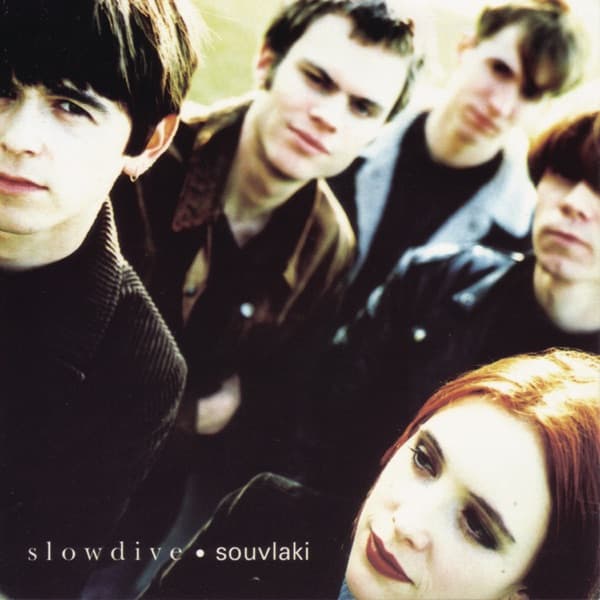
Souvlaki by Slowdive — album cover art

Souvlaki by Slowdive (1993)

Five faces pushed to the front of the frame, lit in a cold green wash, staring out with the flat calm of people who already know they're being overlooked. This is Slowdive's Souvlaki, a 1993 shoegaze record that limped to number 51, got tepid reviews, then quietly became a touchstone. The title came from a filthy prank call.

Label
Creation Records
Photographer
Steve Double
Genre
Pop
Decade
1990s
Read the full story →
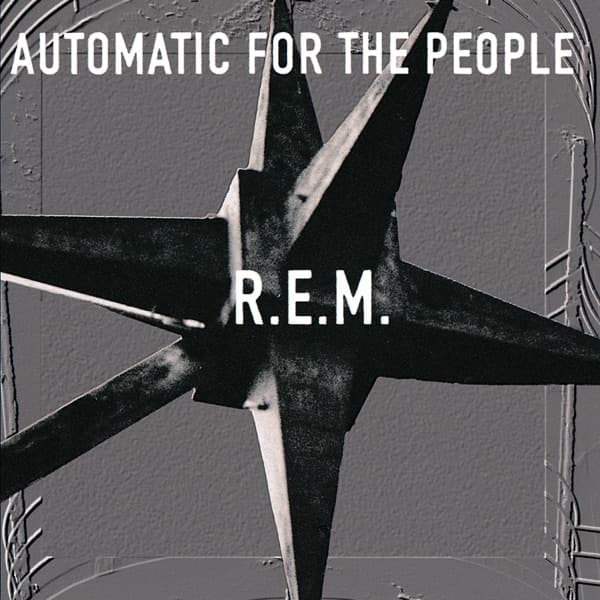
Automatic for the People by R.E.M. — album cover art

Automatic for the People by R.E.M. (1992)

The multi-pointed star on R.E.M.'s 1992 album once topped a motel sign on Miami's Biscayne Boulevard. Michael Stipe photographed it, the band nearly named the record after it, and a hurricane tore it down. Here's how a roadside ornament became the focal point of an alternative landmark.

Label
Warner Bros. Records
Designer
Tom Recchion
Photographer
Michael Stipe
Genre
Alternative, Folk
Decade
1990s
Read the full story →
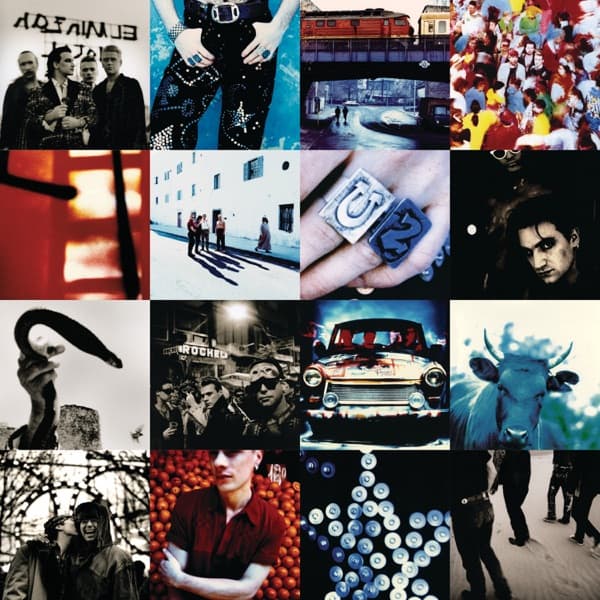
Achtung Baby by U2 — album cover art

Achtung Baby by U2 (1991)

Sixteen photographs in a 4×4 grid, no single hero image. U2 buried their solemn black-and-white past under painted Trabants, carnival masks, a blue cow, and a nude bassist. Here is how Berlin, Tenerife, and Morocco scattered the band across a grid built to feel like flux.

Label
Island Records
Designer
Shaughn McGrath
Photographer
Anton Corbijn
Genre
Alternative, Electronic, Rock
Decade
1990s
Read the full story →
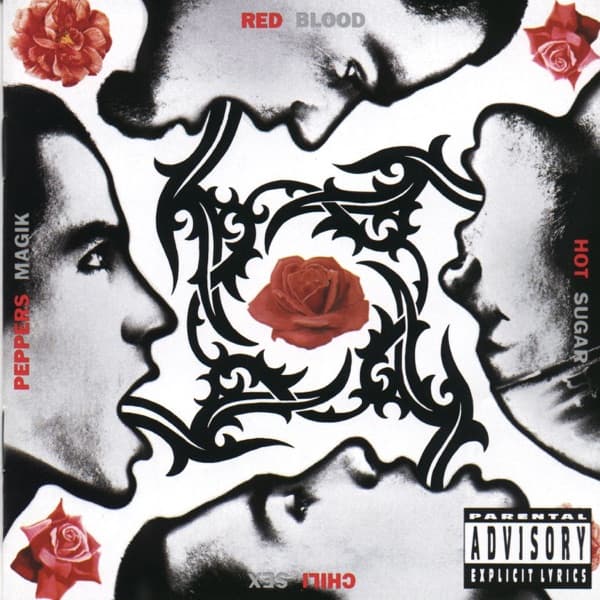
Blood Sugar Sex Magik by Red Hot Chili Peppers — album cover art

Blood Sugar Sex Magik by Red Hot Chili Peppers (1991)

Dutch tattoo artist Henk Schiffmacher designed the tribal artwork while filmmaker Gus Van Sant shot the band portraits for this iconic alternative rock cover. The stylized tongues reaching toward a single rose merged body art culture with grunge aesthetics.

Label
Warner Bros. Records
Designer
Henk Schiffmacher
Photographer
Gus Van Sant
Genre
Alternative
Decade
1990s
Read the full story →
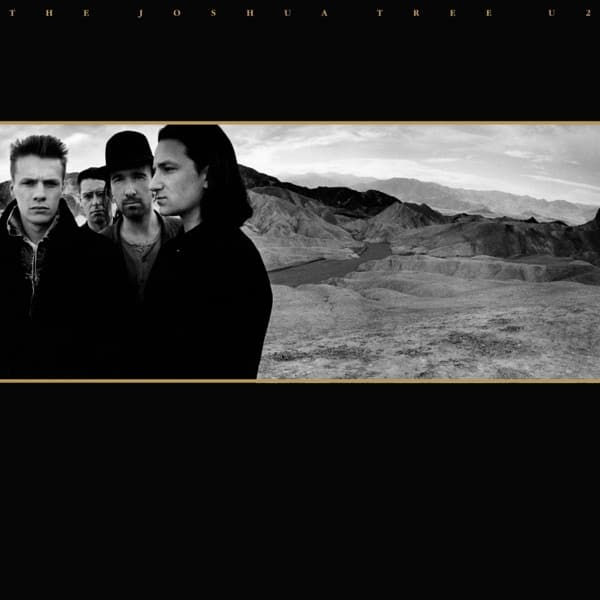
The Joshua Tree by U2 — album cover art

The Joshua Tree by U2 (1987)

Four men stand grim against an endless Death Valley horizon, coats off in freezing cold so it would look hot. The story of U2's 1987 desert journey involves a working title called 'The Two Americas,' a lone tree found in 20 minutes, and a band picture that sent fans on pilgrimages still happening today.

Label
Island Records
Designer
Steve Averill
Photographer
Anton Corbijn
Genre
Rock, Alternative
Decade
1980s
Read the full story →
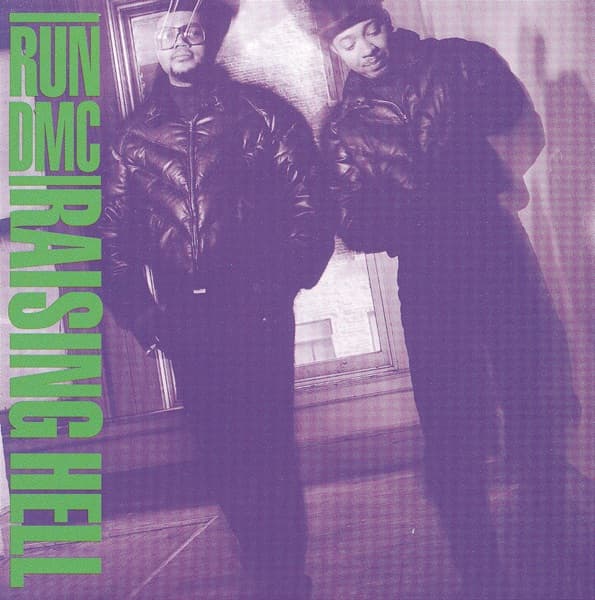
Raising Hell by Run-D.M.C. — album cover art

Raising Hell by Run-D.M.C. (1986)

Two members of Run-DMC lean against a window in matching leather, the whole frame washed in violet and acid green. There was no grand concept behind one of hip-hop's defining 1986 covers, just a label that wanted the band on the front. Here is how a tilted camera and a borrowed eye for color turned that simplicity into something striking.

Label
Profile Records
Designer
Janet Perr
Photographer
Caroline Greyshock
Genre
Hip-Hop, Rock
Decade
1980s
Read the full story →
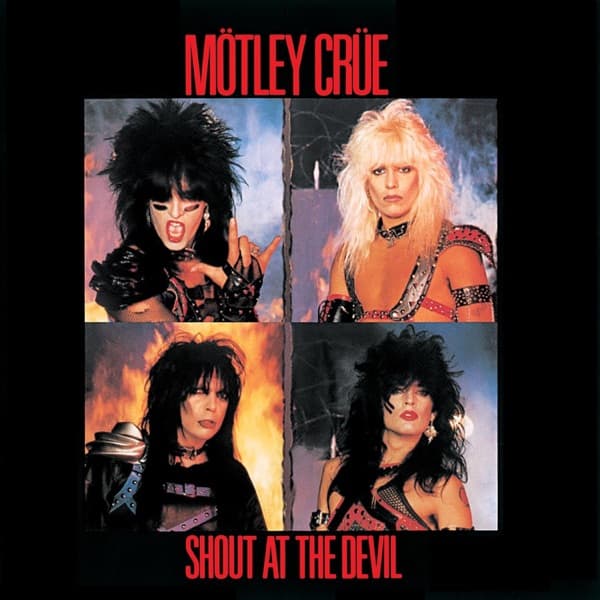
Shout at the Devil by Mötley Crüe — album cover art

Shout at the Devil by Mötley Crüe (1983)

A stark black pentagram on matte cover sparked Christian outrage and landed Motley Crue on ABC News. Photographer Barry Levine conceived the controversial design that defined 1980s metal rebellion.

Label
Elektra Records
Photographer
Barry Levine
Genre
Metal
Decade
1980s
Read the full story →
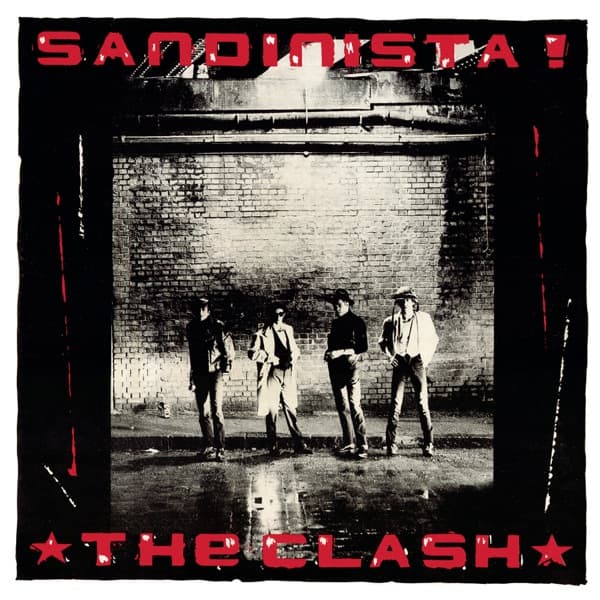
Sandinista! by The Clash — album cover art

Sandinista! by The Clash (1980)

Four figures stand in a rain-slicked King's Cross underpass, shot by Pennie Smith the day The Clash wrapped a video. One of them is still wearing a helmet from the shoot. The band gave up royalties so this triple album could sell cheap.

Label
CBS
Designer
Julian Balme
Photographer
Pennie Smith
Genre
Alternative, Punk, Reggae
Decade
1980s
Read the full story →
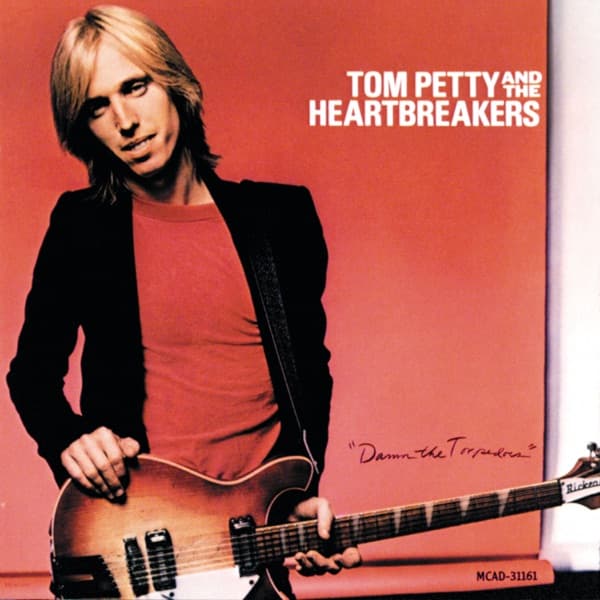
Damn the Torpedoes by Tom Petty and the Heartbreakers — album cover art

Damn the Torpedoes by Tom Petty and the Heartbreakers (1979)

The striking cover photograph by Glen Christensen captures Tom Petty with an enigmatic intensity that mirrors the album's defiant spirit. Art directed by Tommy Steele and designed by Stan Evenson, the image perfectly embodies the breakthrough record that took the Heartbreakers from critical darlings to mainstream stars.

Label
Backstreet Records / MCA Records
Designer
Stan Evenson
Photographer
Glen Christensen
Genre
Rock
Decade
1970s
Read the full story →
London Calling by The Clash — album cover art

London Calling by The Clash (1979)

On 21 September 1979, a frustrated Paul Simonon swung his Fender bass at the floor of New York's Palladium — and Pennie Smith caught it. She thought the shot too blurry to use. Joe Strummer pointed at the contact sheet and said: 'That one.'

Label
CBS Records
Designer
Ray Lowry
Photographer
Pennie Smith
Genre
Punk, Alternative
Decade
1970s
Read the full story →
Rumours by Fleetwood Mac — album cover art

Rumours by Fleetwood Mac (1977)

On the cover of Rumours, Mick Fleetwood strikes a courtly pose with wooden balls dangling between his legs. The story behind those balls, a toilet, and a couple of glasses of English ale, is stranger than anything the music suggests.

Label
Warner Bros. Records
Designer
Desmond Strobel
Photographer
Herbert Worthington
Genre
Rock
Decade
1970s
Read the full story →
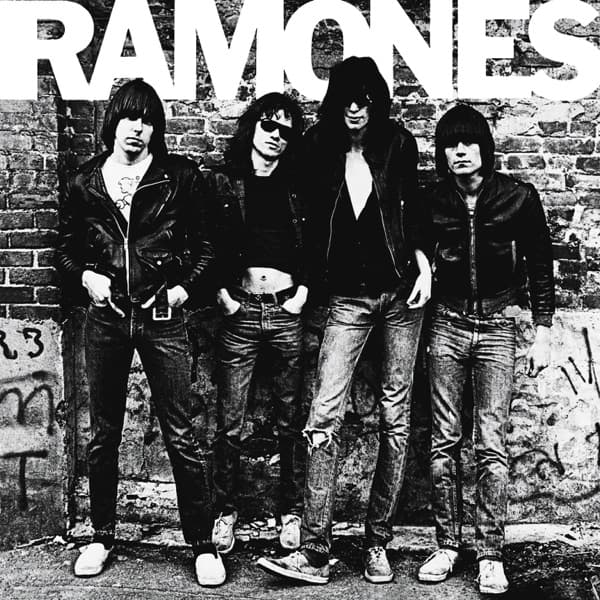
Ramones by Ramones — album cover art

Ramones by Ramones (1976)

Four guys, one brick wall, and a $125 photograph that rewrote what an album cover could be. The Ramones barely sold a copy in 1976, yet the picture they posed for has been copied more than almost any other in rock. Here is how blank stares and ripped jeans became the look of punk.

Label
Sire Records
Photographer
Roberta Bayley
Genre
Punk
Decade
1970s
Read the full story →
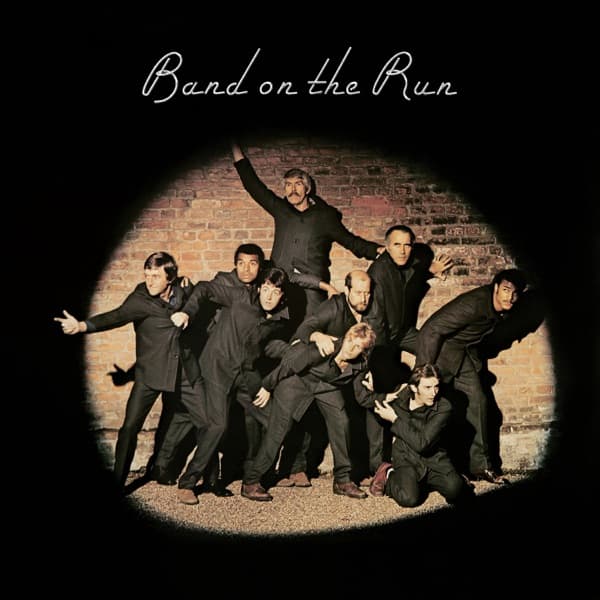
Band On The Run by Paul McCartney & Wings — album cover art

Band On The Run by Paul McCartney & Wings (1973)

An accidental yellow-tinted photograph of prison convicts caught in a spotlight became one of rock's most iconic covers. Shot at a Georgian estate, it features Wings and celebrities including Christopher Lee, Michael Parkinson, and James Coburn as escaped prisoners.

Label
Apple Records
Designer
Storm Thorgerson
Photographer
Clive Arrowsmith
Genre
Rock
Decade
1970s
Read the full story →
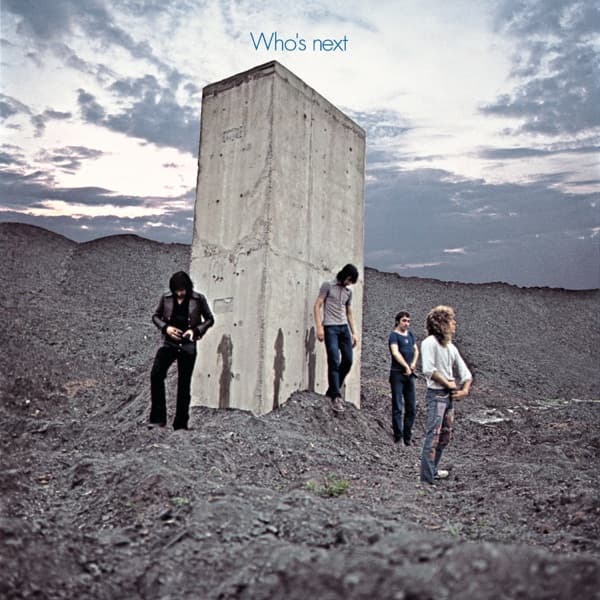
Who's Next by The Who — album cover art

Who's Next by The Who (1971)

A grey concrete slab juts out of a coal slag heap, and four young men stand around it like primates confronting a mystery. The truth behind that pillar involves Stanley Kubrick, empty film canisters, and the fact that only one member of The Who could actually pee.

Label
Track Records (UK) / Decca Records (US)
Photographer
Ethan Russell
Genre
Rock
Decade
1970s
Read the full story →
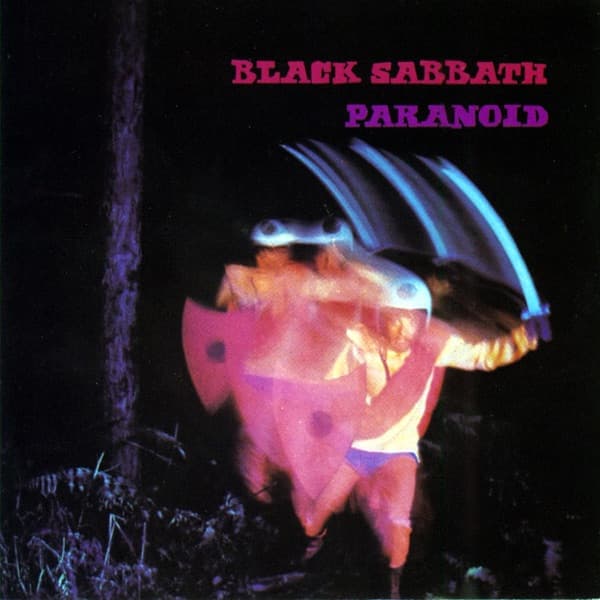
Paranoid by Black Sabbath — album cover art

Paranoid by Black Sabbath (1970)

Keith Macmillan's War Pigs concept became iconic mismatch when label changed album title to Paranoid last-minute. Roger Brown posed as the fluorescent warrior in Black Park for heavy metal's most confusing cover.

Label
Vertigo Records
Designer
Keith Macmillan
Photographer
Keith Macmillan
Genre
Metal
Decade
1970s
Read the full story →
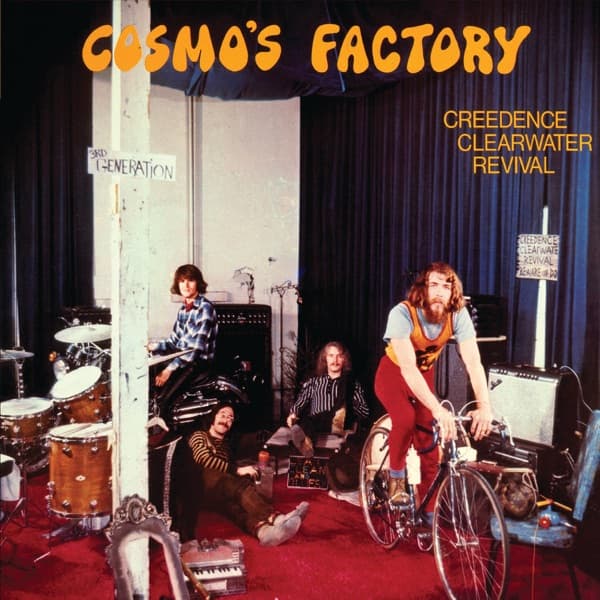
Cosmo's Factory by Creedence Clearwater Revival — album cover art

Cosmo's Factory by Creedence Clearwater Revival (1970)

A candid band photo taken by Bob Fogerty shows CCR in an off-duty moment, complete with a handwritten 3RD GENERATION sign - a cheeky response to critic Ralph Gleason's dismissive review. The uncool, lumberjack aesthetic perfectly captured their working-class appeal.

Label
Fantasy Records
Photographer
Bob Fogerty
Genre
Rock
Decade
1970s
Read the full story →
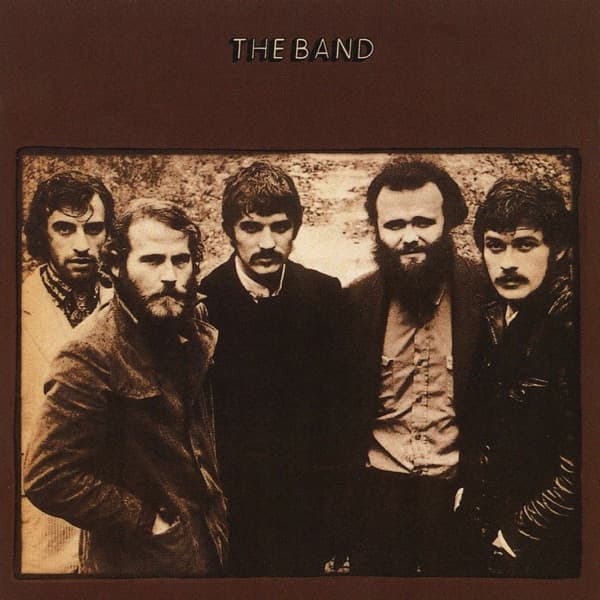
The Band by The Band — album cover art

The Band by The Band (1969)

Five bearded men stare out from a sepia haze, dressed like figures from a century they never lived in. Elliott Landy's portrait made The Band look like ghosts of American folklore, and for a while it was the only picture the public had of them.

Label
Capitol Records
Designer
Bob Cato
Photographer
Elliott Landy
Genre
Rock, Country
Decade
1960s
Read the full story →
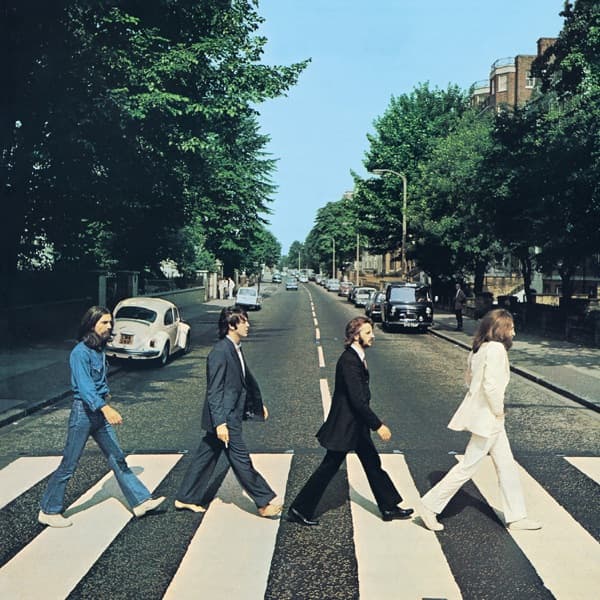
Abbey Road by The Beatles — album cover art

Abbey Road by The Beatles (1969)

Four men, one zebra crossing, traffic held by a hired policeman — and one of the most copied photographs in pop. The Abbey Road cover carries no title and no band name, a decision that triggered a furious midnight phone call from EMI's chairman.

Label
Apple Records
Designer
John Kosh
Photographer
Iain Macmillan
Genre
Rock
Decade
1960s
Read the full story →
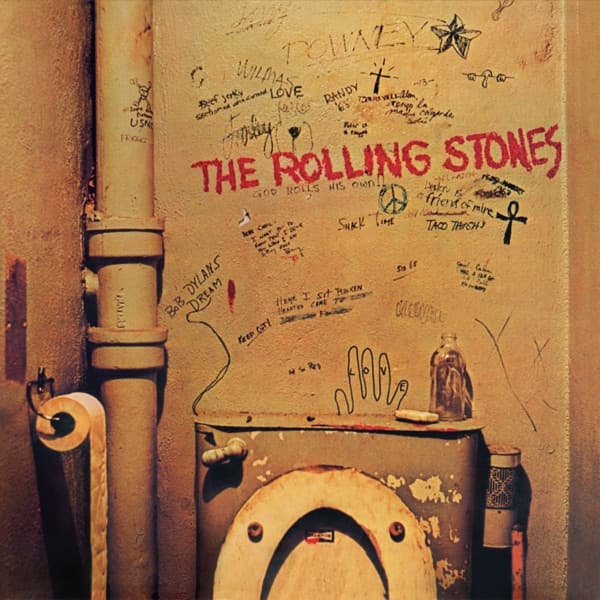
Beggars Banquet by The Rolling Stones — album cover art

Beggars Banquet by The Rolling Stones (1968)

The Rolling Stones' return to their blues roots sparked a six-month delay when both UK and US record labels rejected Barry Feinstein's original toilet cover art, forcing a controversial compromise.

Label
Decca Records
Designer
Tom Wilkes
Photographer
Michael Joseph
Genre
Rock
Decade
1960s
Read the full story →
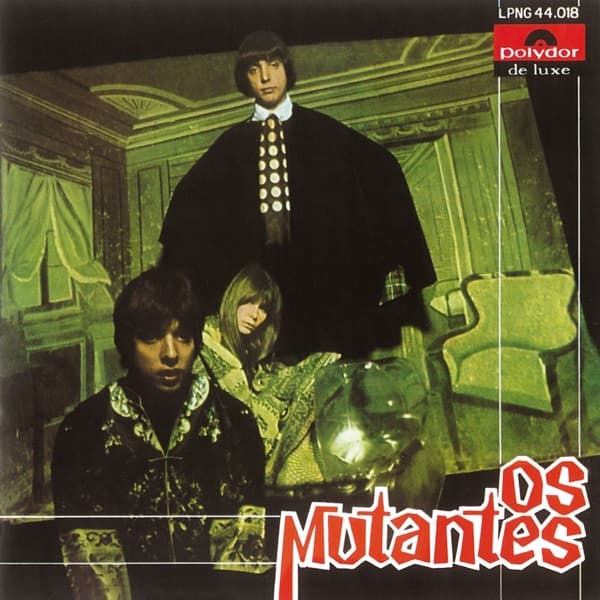
Os Mutantes by Os Mutantes — album cover art

Os Mutantes by Os Mutantes (1968)

The debut album cover for Os Mutantes was designed and photographed by Olivier Perroy from publishing giant Editora Abril in his São Paulo home. The simple presentation matched the band's raw experimental psychedelic sound that would revolutionize Brazilian rock.

Label
Polydor
Designer
Olivier Perroy
Photographer
Olivier Perroy
Genre
Rock
Decade
1960s
Read the full story →
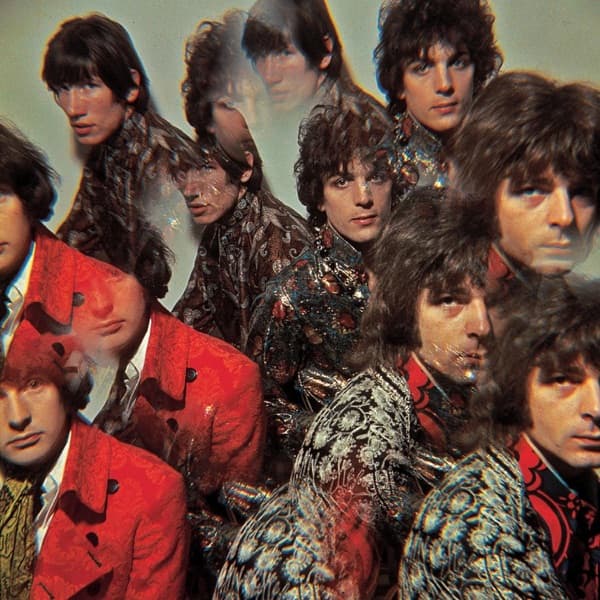
The Piper at the Gates of Dawn by Pink Floyd — album cover art

The Piper at the Gates of Dawn by Pink Floyd (1967)

A fashion photographer borrowed a prism lens from George Harrison, asked a brand-new, unsigned band to wear the brightest clothes they could find, and split their faces into a kaleidoscope. The result became the only Pink Floyd studio album to put the band's own faces on the front. Oh, and he reportedly never got paid.

Label
EMI Columbia
Designer
Syd Barrett
Photographer
Vic Singh
Genre
Rock
Decade
1960s
Read the full story →
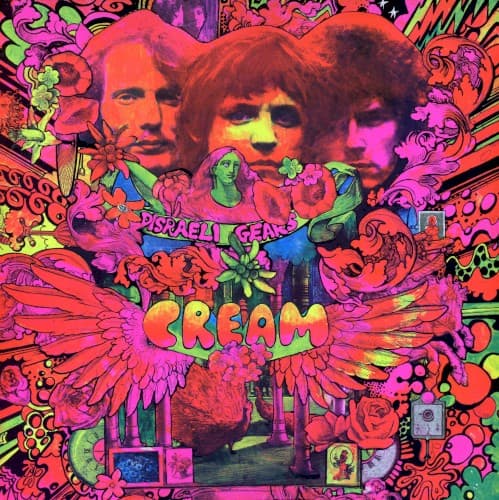
Disraeli Gears by Cream — album cover art

Disraeli Gears by Cream (1967)

A roadie's mispronunciation gave the album its name; a chance meeting in a nightclub gave it its face. Cream's Disraeli Gears wears a fluorescent collage built from a publicity photo, scissors, and paint mixed to capture a 'warm electric sound.'

Label
Reaction Records
Designer
Martin Sharp
Photographer
Robert Whitaker
Genre
Rock, Blues
Decade
1960s
Read the full story →
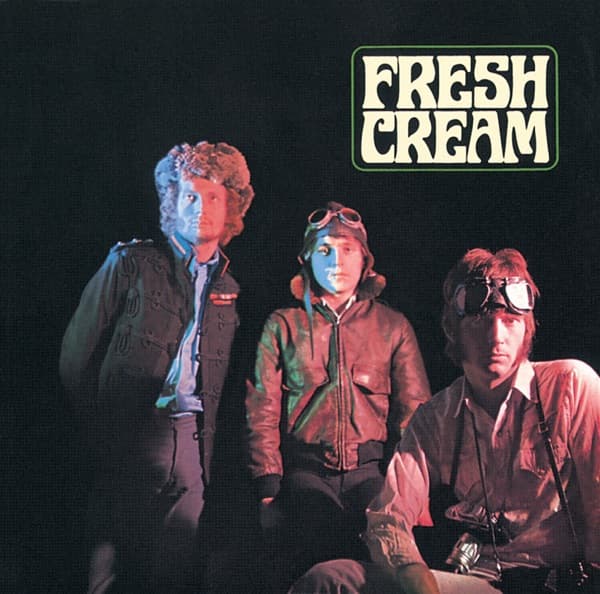
Fresh Cream by Cream — album cover art

Fresh Cream by Cream (1966)

Three young men in aviator jackets and flight goggles stare out of a black void, their faces washed in unnatural blue and red light. It is Cream's 1966 debut, the first LP on Robert Stigwood's Reaction label, and the record that helped push blues into heavy, jamming new territory.

Label
Reaction Records
Designer
Paragon Publicity and Public Relations Ltd.
Genre
Blues, Rock
Decade
1960s
Read the full story →
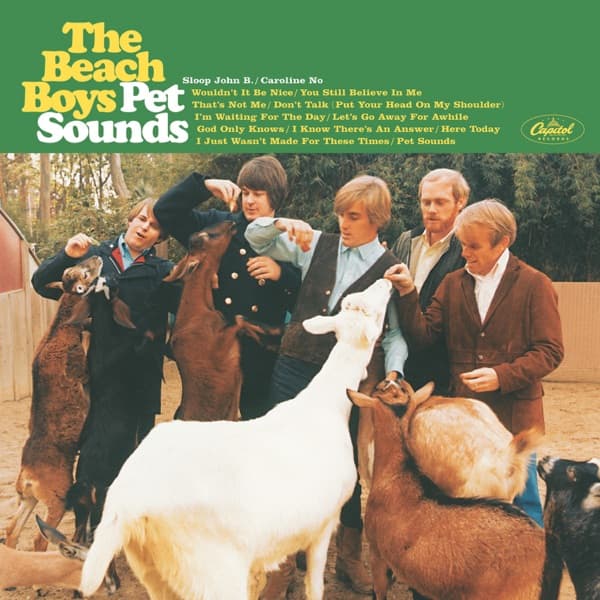
Pet Sounds by The Beach Boys — album cover art

Pet Sounds by The Beach Boys (1966)

Five Beach Boys, an enclosure full of hungry goats, and a title taken so literally it got the band reportedly banned from the San Diego Zoo. The Pet Sounds cover is a pun made flesh — and the sixth member couldn't even be in the photo.

Label
Capitol Records
Photographer
George Jerman
Genre
Pop
Decade
1960s
Read the full story →

Related design themes