Black Album Covers: From Spinal Tap to Jay-Z's Black Album
Black is the cheapest, most expensive choice in record-cover design. Cheap because it shows everything; expensive because if the rest of the cover doesn't justify the void around it, the cover looks like a placeholder. The covers on this page got the rest of the cover right.
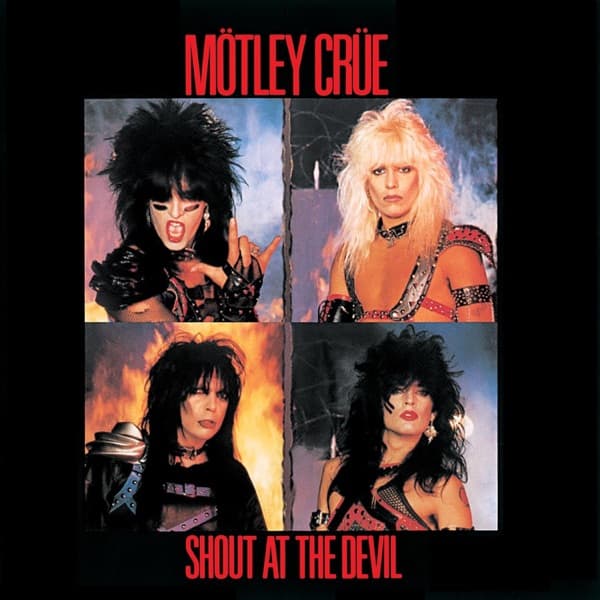
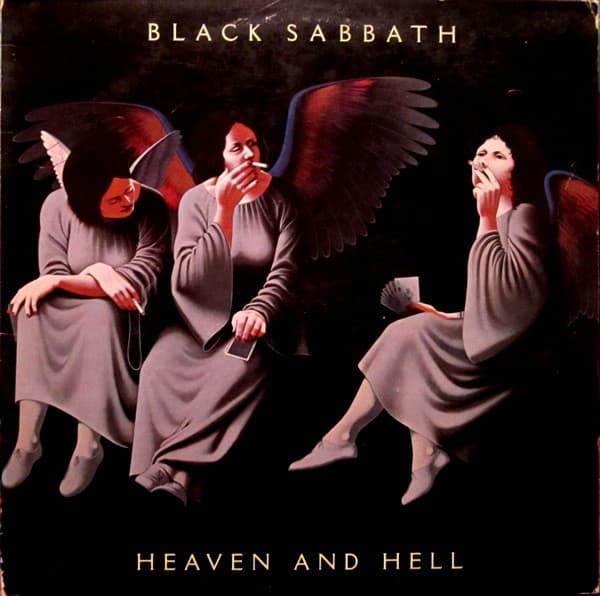
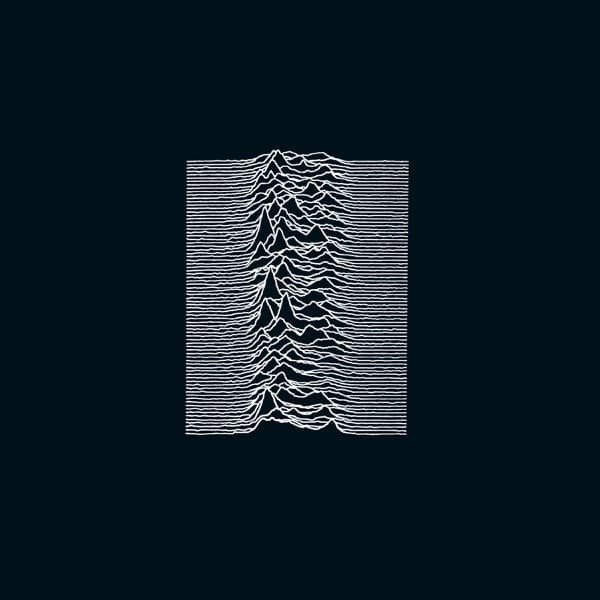
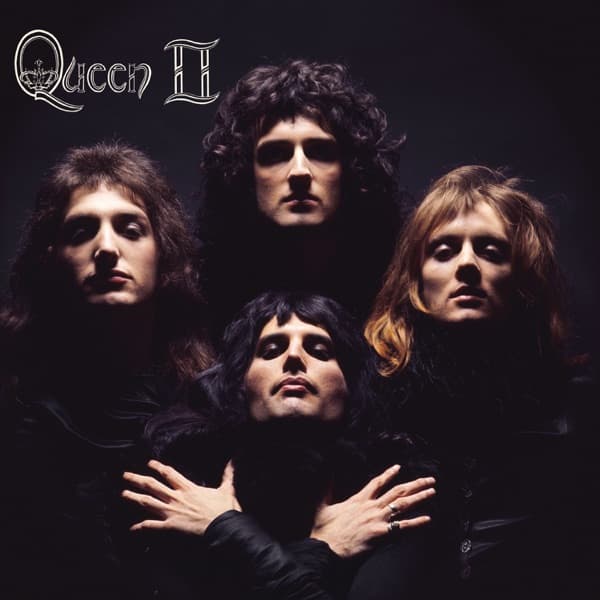
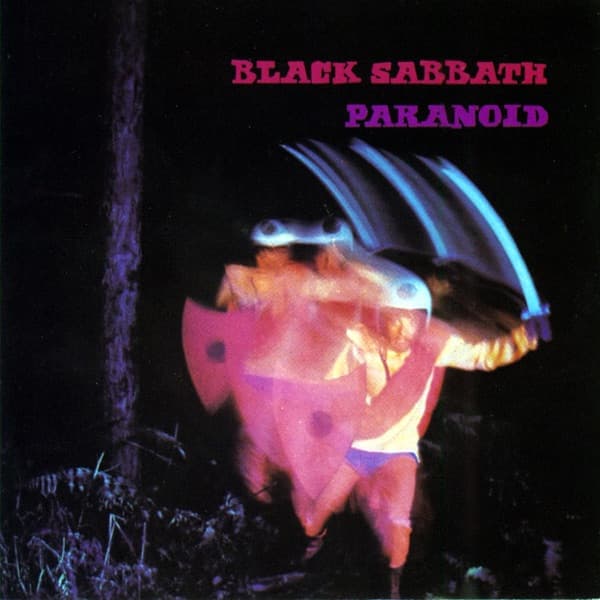
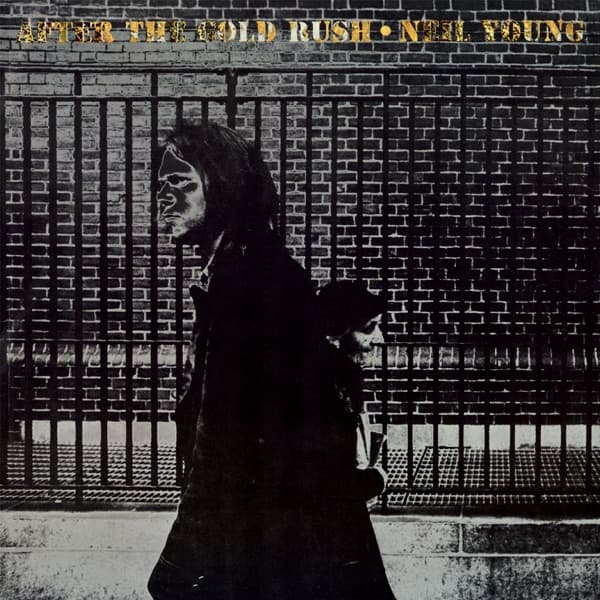
Some of them — Jay-Z's The Black Album, Metallica's untitled fourth record, Spinal Tap's hypothetical Smell the Glove — push to the limit and present a near-empty field. Others, like Pink Floyd's The Dark Side of the Moon and Pink Floyd's Wish You Were Here ad campaign, use black as the stage for a single tightly framed image. A third category — Yeezus, In Utero, Joy Division's Unknown Pleasures — keeps the black background but adds one provocative element: a clear case, an angel, a pulsar.
What runs through the whole set is a rejection of decoration. Black covers don't court attention in a record-store flip-bin the way a vivid colour does. They wait for you to come to them.
For more colour-themed collections, see red album covers, blue album covers, and pink album covers.
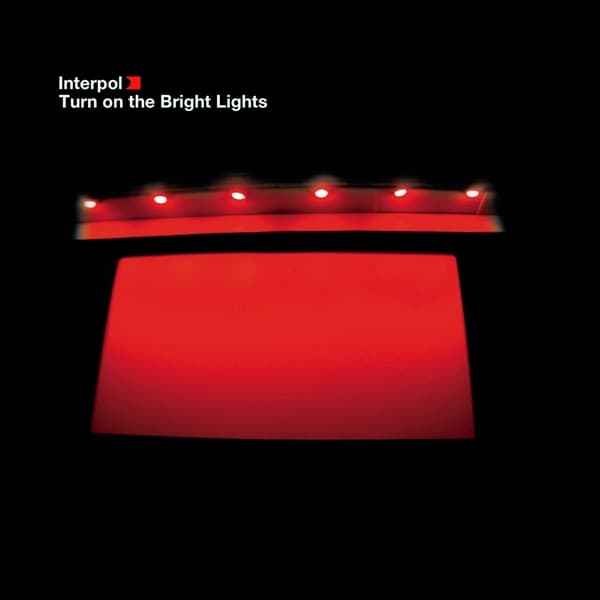
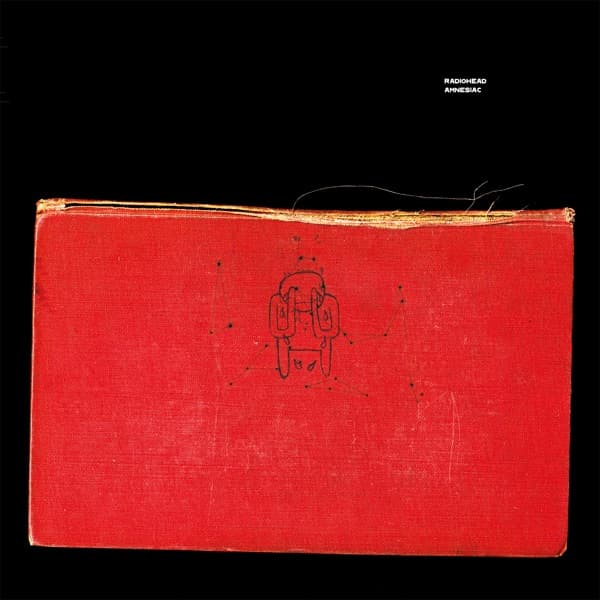
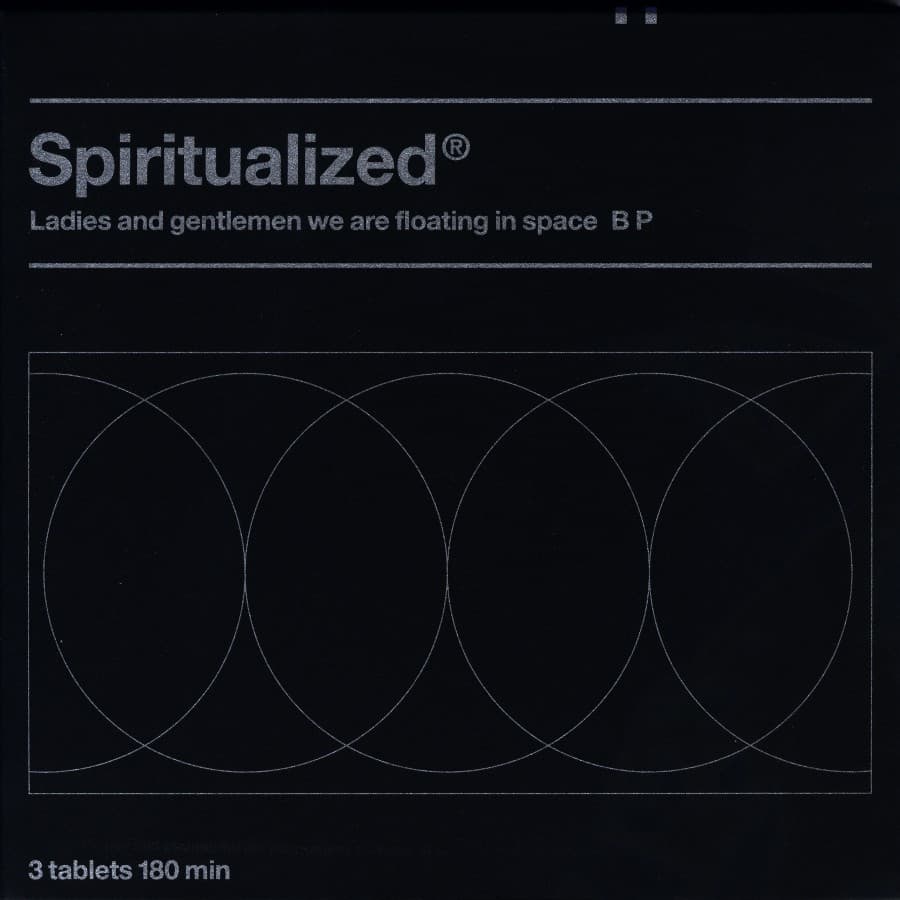
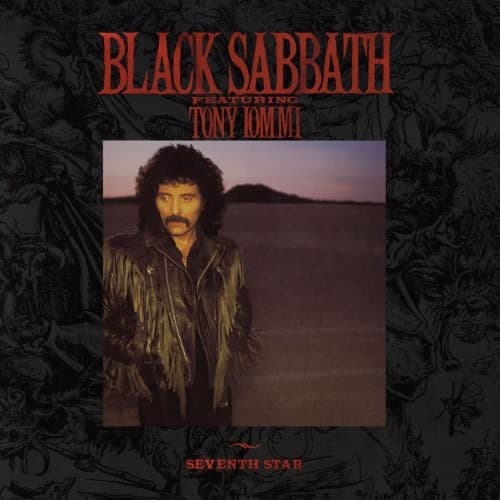
68 black album covers in the archive.
























































Frequently asked questions
- Why do so many albums use black covers?
- Black is associated with seriousness, austerity, and confidence — three qualities a major-label record budget often wants to signal. It's also visually distinct in a crowded display, precisely because so many other covers reach for colour to be noticed.
- Was Spinal Tap's Smell the Glove the first all-black cover?
- No — the satirical 1984 sleeve was riffing on a much older convention. The Beatles' 1968 untitled ("The White Album") inverted the same idea, and rock and avant-garde records had been using mostly-black covers since the 1960s.
- How did you decide which covers count as 'black'?
- We extracted the dominant colour from every cover in our archive using node-vibrant plus a direct pixel-mean reading. A cover is bucketed as black when its overall luma is dark enough that the cover reads as predominantly black, regardless of small accent colours.