
SOS Deluxe: LANA
SZA · 2024
SZA transforms into a shimmering insect creature for this deluxe reissue cover, shot by Cassidy Meyers. The bug persona originated from her Hot Ones appearance where she quipped about being 'tired of not being a bug.'
A psychedelic or surreal album cover is a picture that refuses to behave. Instead of showing a band standing still, it tries to show a state of mind: colour that swirls, patterns that pulse, or a scene staged with a straight face that simply cannot be true. The cover stops being a portrait and becomes a doorway.
This is a working list of 63 of them, from the Beatles' Revolver in 1966 to Lil Nas X's MONTERO. What links a 1967 acid-rock sleeve to a 2021 pop fantasy isn't a palette, it's an ambition: to make the outside of the record look the way the inside sounds.
The obvious thread is the year 1967. In a single twelve months the form arrived nearly complete: Cream's Disraeli Gears, the Rolling Stones' Their Satanic Majesties Request, Pink Floyd's The Piper at the Gates of Dawn, Jefferson Airplane's Surrealistic Pillow, Hendrix's Axis: Bold as Love. The visual language came straight off the concert posters of the San Francisco and London undergrounds, and artists like Martin Sharp and Victor Moscoso carried it onto the jacket.
The second thread is that psychedelia and surrealism are not the same instinct. Psychedelic art distorts perception — the trip rendered as colour and pattern. Surrealism distorts logic — a scene shot realistically that shows the impossible. Storm Thorgerson and Hipgnosis built a whole career on the second kind, from the handshake of a man on fire on Wish You Were Here to the floating pig of Animals. Robert Crumb's comic panels for Cheap Thrills and Barry Godber's screaming face for In the Court of the Crimson King sit at the strange edges of both.
The thing most people miss is that this instinct never went away — it just went digital. Leif Podhajsky's melting, mirrored worlds for Tame Impala do with software exactly what Sharp did with Day-Glo ink: make the cover feel like the altered state the record is chasing. Each card below links to the full story of the sleeve: who made it, what the image is really doing, and how it has aged.
For the covers made by hand rather than warped, see illustrated & painted album covers, and for the sleeves chosen for their hidden meaning, the guide to album cover meanings. To follow a single artist's hand, browse the designers directory.
SZA · 2024
SZA transforms into a shimmering insect creature for this deluxe reissue cover, shot by Cassidy Meyers. The bug persona originated from her Hot Ones appearance where she quipped about being 'tired of not being a bug.'
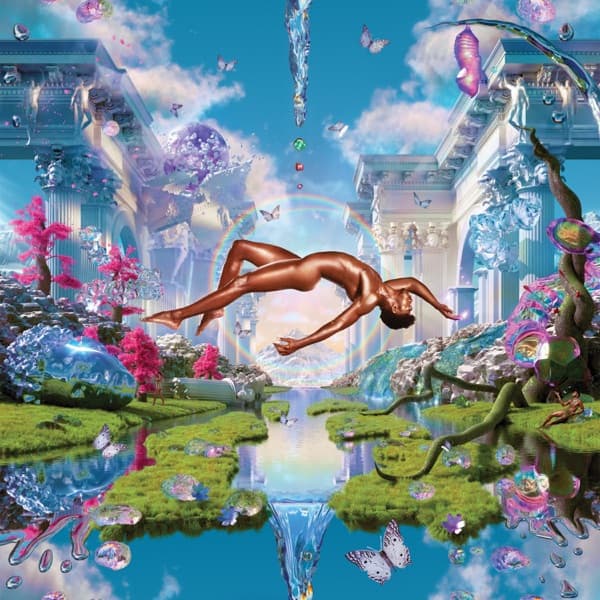
Lil Nas X · 2021
Lil Nas X floats nude in this heavenly digital dreamscape shot by Charlotte Rutherford and designed by Pilar Zeta. The psychedelic cover transforms John Stephens' Genesis II artwork into a queer-coded Garden of Eden, sparking the rapper's bold artistic transformation and becoming one of 2021's most talked-about album covers.

Bad Bunny · 2020
A boy pedals a blue BMX straight at you while a car flies through a darkening suburban sky and a house burns behind him. On Bad Bunny's YHLQMDLG cover, look closer: there's a third eye in the middle of his forehead. This is the story of that eye.
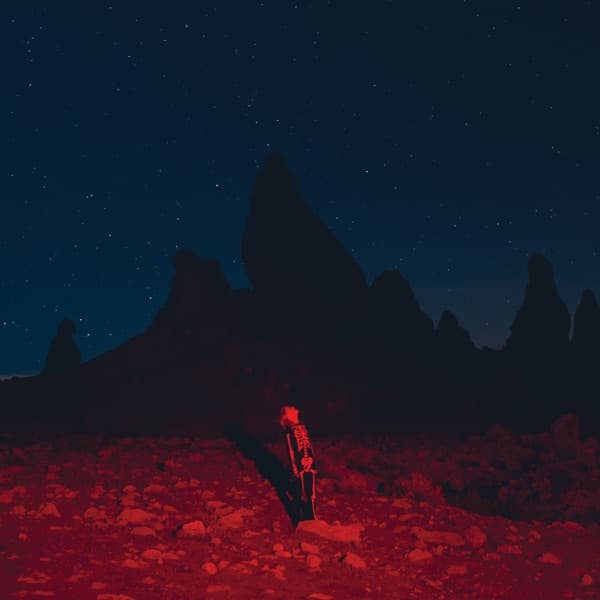
Phoebe Bridgers · 2020
At 3 AM in a pitch-black desert, photographer Olof Grind painted the sand red with a flashlight and a gel filter while Phoebe Bridgers stood dead still in a skeleton suit, waiting to be beamed into the sky. The Punisher cover turns a 30-second exposure into a scene of cosmic abduction.
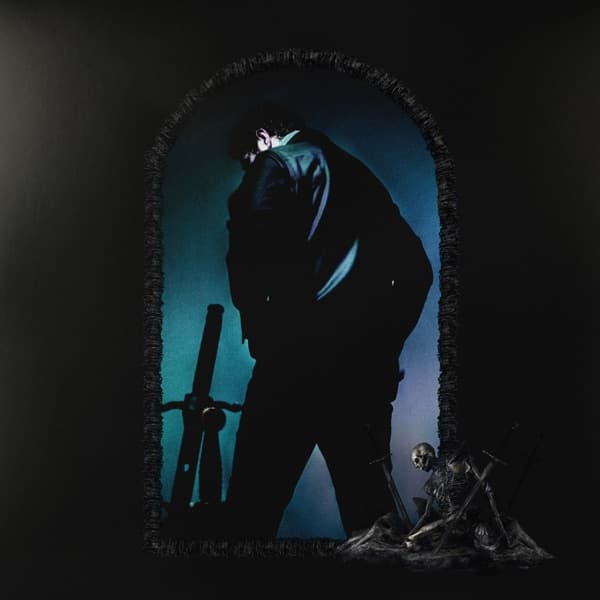
Post Malone · 2019
A silhouetted figure in a leather jacket turns his back on the viewer inside a glowing archway, a sword and a skeleton at his feet. The image that fronts Post Malone's Hollywood's Bleeding was made by an artist he was already a fan of, and it looks less like a pop record than a fantasy paperback come to life.
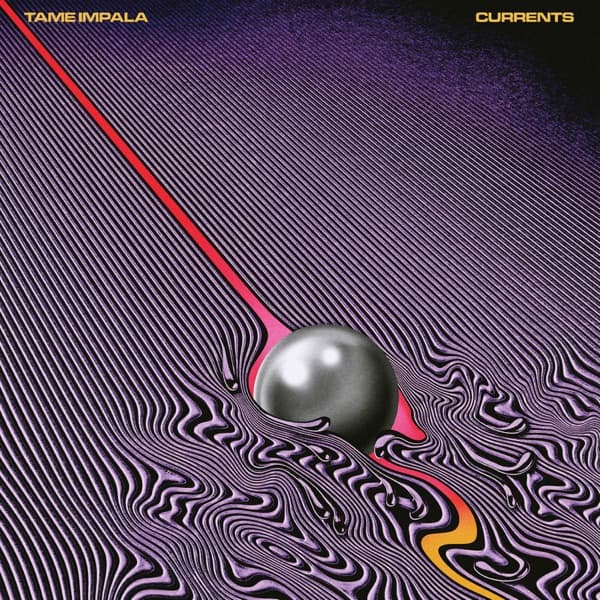
Tame Impala · 2015
Robert Beatty's abstract image of swirling liquid in vivid colors visualizes the album's theme of overwhelming change — something solid becoming liquid, a form dissolving and reforming as something new. Not chaos, but metamorphosis.
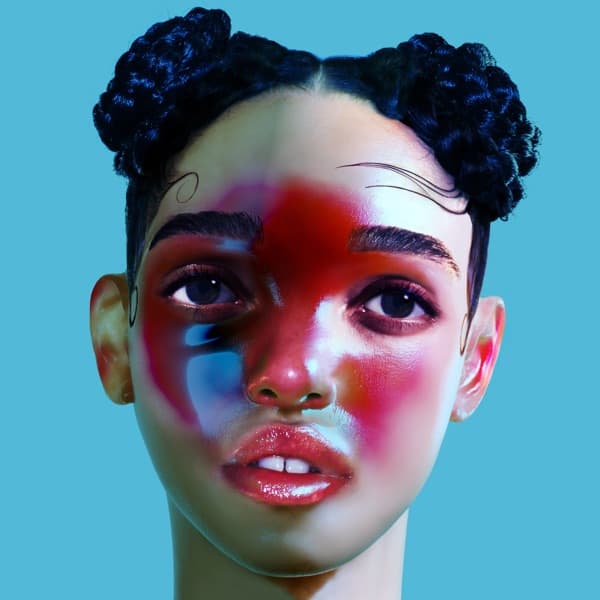
FKA twigs · 2014
Jesse Kanda created LP1's uncanny portrait from photographs of FKA twigs, sculpting and altering her head in 3D, changing texture and lighting, and then painting over the image. Release credits name FKA twigs and Phil Lee for design and Kanda for photography.
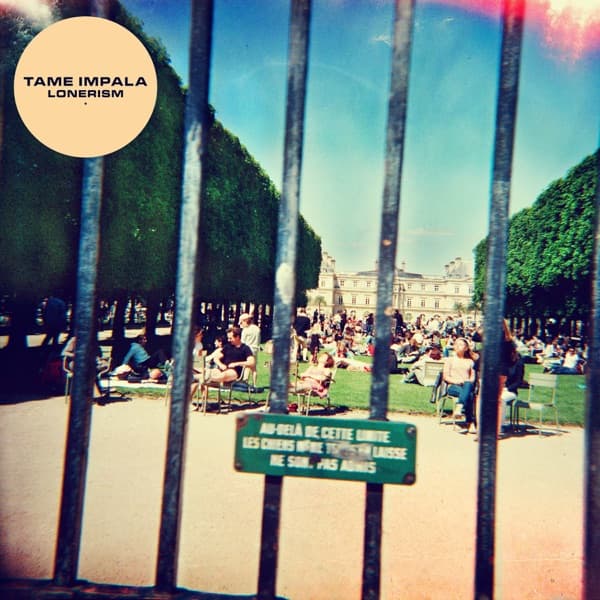
Tame Impala · 2012
Australian designer Leif Podhajsky created this kaleidoscopic masterpiece by digitally manipulating a simple photograph of trees into a swirling vortex that perfectly captures the album's psychedelic introspection.
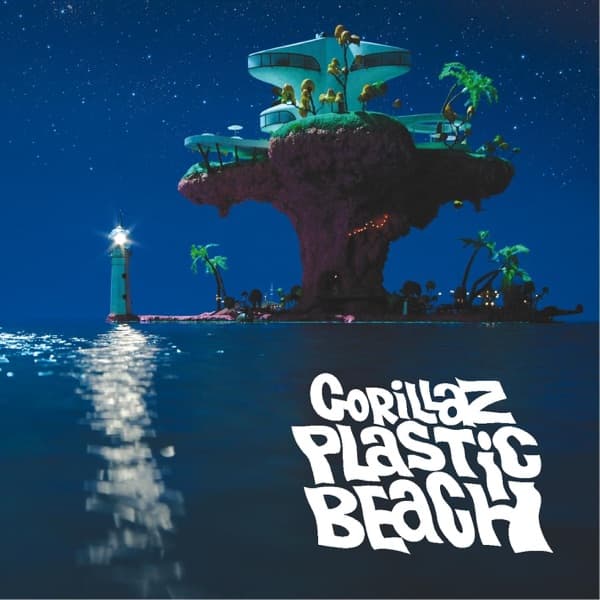
Gorillaz · 2010
That serene tropical island glowing under a starfield isn't a paradise. It's a mound of ocean trash, and to photograph it Gorillaz built a four-metre model and dropped it into a 50,000-litre water tank. Here's how a beach made of garbage became one of the prettiest sights of 2010.
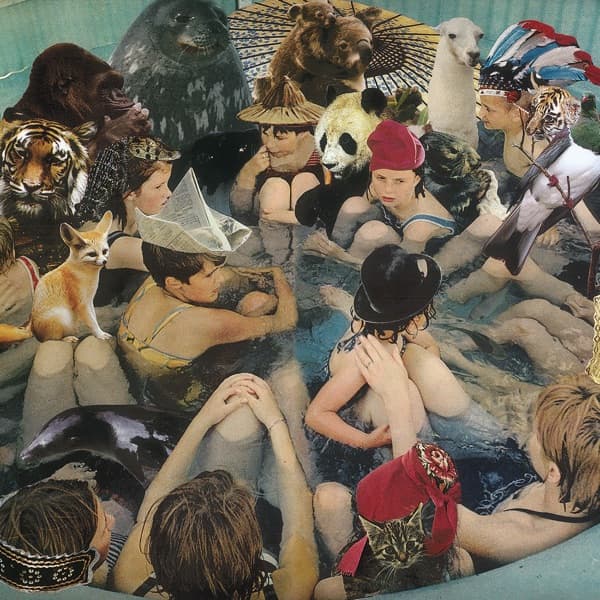
Panda Bear · 2007
Panda Bear's psychedelic masterpiece features a self-designed cover inspired by his move to Lisbon, with swirling patterns and vibrant colors that perfectly capture the album's hypnotic sound collages.
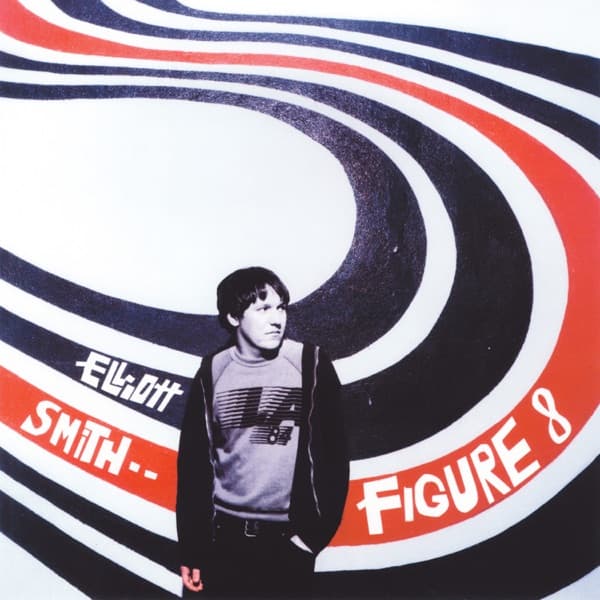
Elliott Smith · 2000
A young man stands dwarfed by a swirling black, red, and white mural on a Los Angeles sidewalk. Autumn de Wilde chose that wall because she'd loved it since childhood, calling it the ugliest mural she'd ever seen and then the most beautiful. After Elliott Smith's death in 2003, it became a shrine.
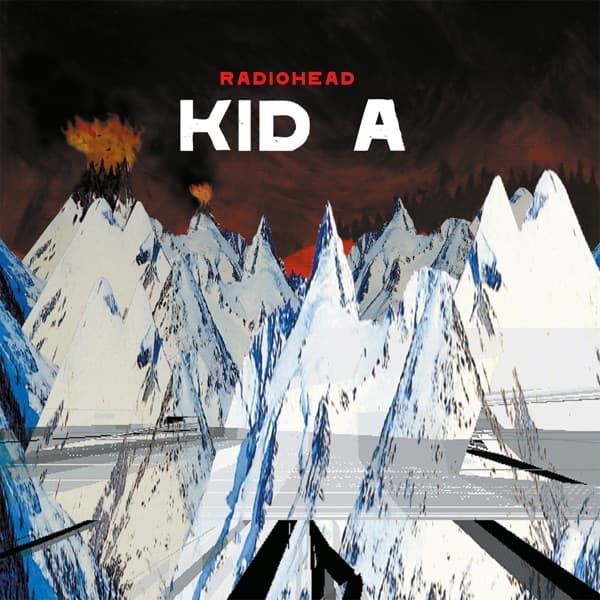
Radiohead · 2000
Radiohead's Kid A wears a range of barbed, snow-blasted peaks with fire pouring from their summits. Stanley Donwood painted those canvases with knives and sticks, and a Kosovo war photo of debris in snow lit the fuse. One late Oxfordshire night, too many cover versions were taped to a fridge until the right one announced itself.
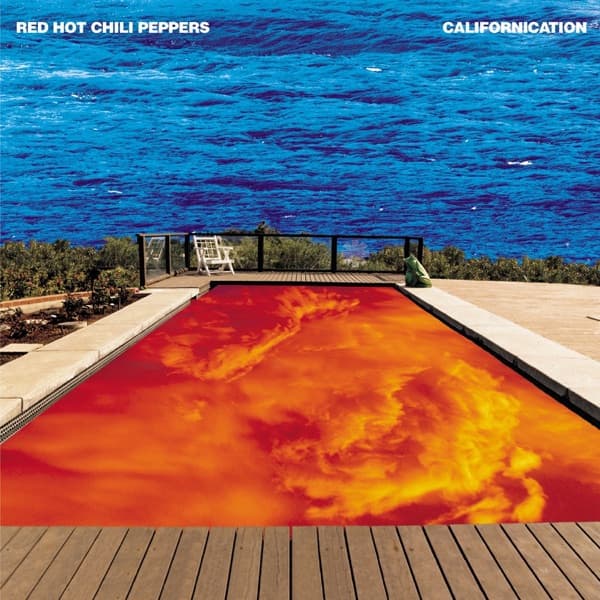
Red Hot Chili Peppers · 1999
A surreal dream vision of a swimming pool where water becomes sky, creating one of alternative rock's most memorable album covers through a groundbreaking digital collage.
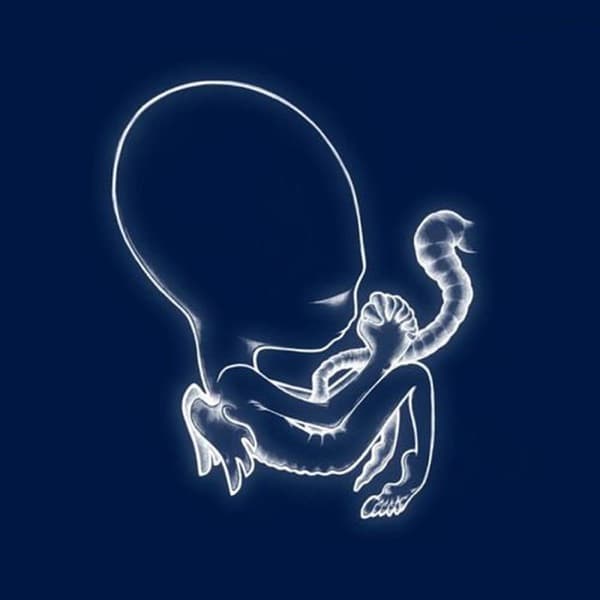
Sigur Rós · 1999
It looks like an X-ray of something that shouldn't exist: a curled human foetus with wings, glowing white against deep navy. The truth behind it is even stranger. One Icelandic artist drew the whole thing with a single Bic ballpoint pen, then flipped it into light.
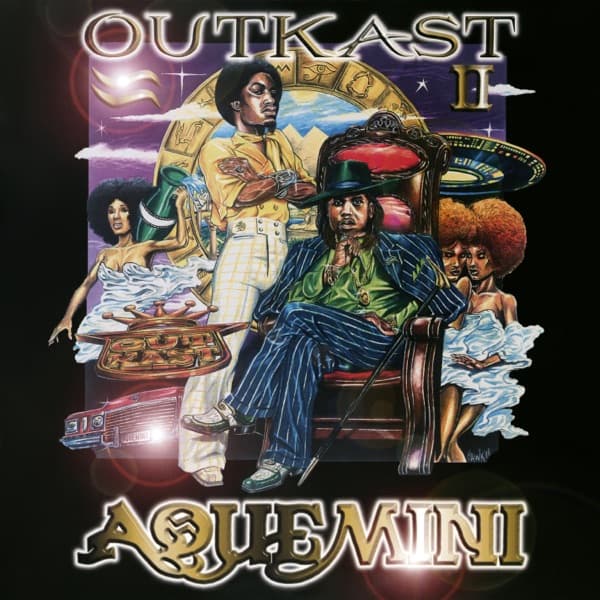
OutKast · 1998
A phone call relayed André 3000's request to a Columbus painter, who got two or three days to turn OutKast's music into a 1970s funk fantasy. The result, with its hovering mothership and gold Egyptian medallion, reached millions and became one of the most celebrated Black album covers in hip hop.
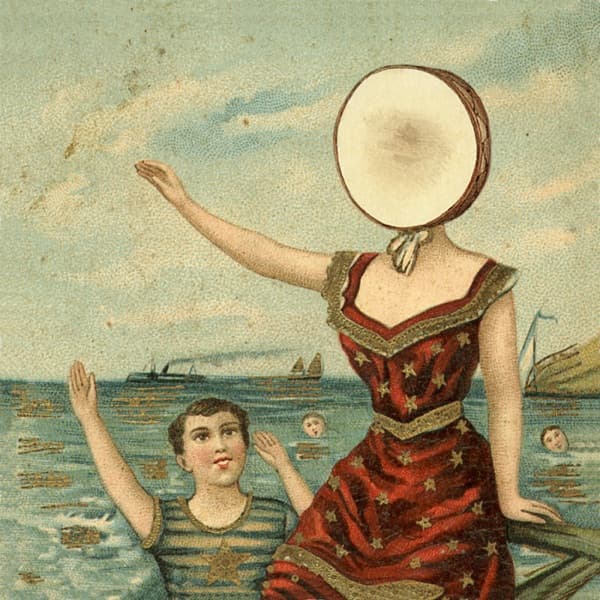
Neutral Milk Hotel · 1998
Neutral Milk Hotel's In the Aeroplane Over the Sea cover began with a vintage seaside postcard. Jeff Mangum brought designer Chris Bilheimer a collection of found images; Bilheimer altered the postcard, replacing the seated bather's face with a round drumhead and carrying the postcard's aged paper texture through the rest of the package.
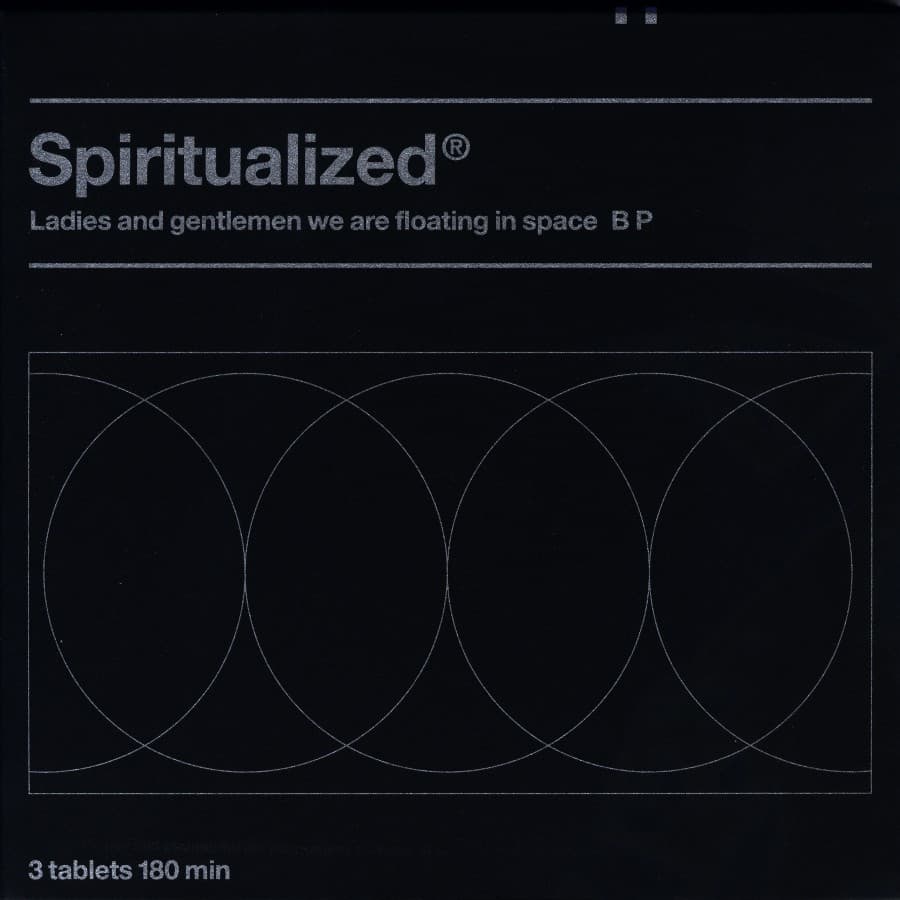
Spiritualized · 1997
Spiritualized turned the 1997 release of Ladies and Gentlemen We Are Floating in Space into a piece of pharmaceutical theatre. Jason Pierce and designer Mark Farrow packaged the CD like medicine, complete with blister pack, foil backing, dosage language and patient-information-style typography. The idea grew from Pierce's belief that music could function like medicine for the soul.
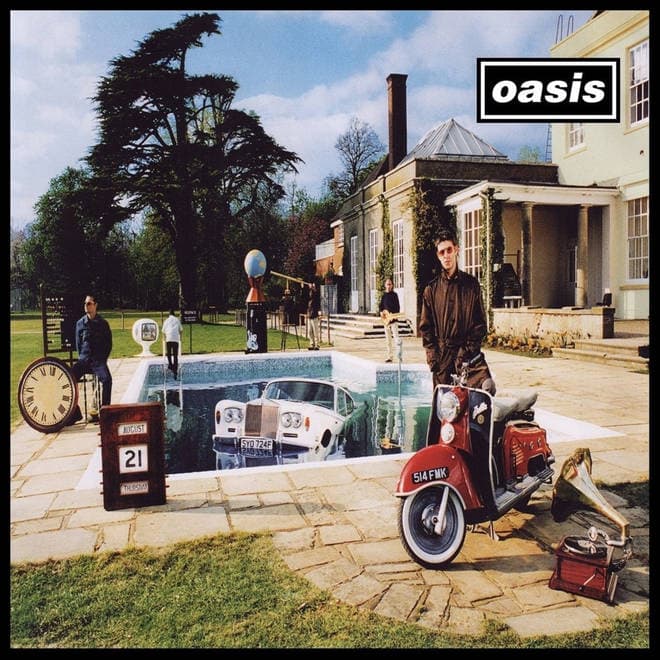
Oasis · 1997
Oasis turned the cover of Be Here Now into a deliberately extravagant rock-and-roll tableau: the band scattered around the grounds of Stocks House in Hertfordshire, a white Rolls-Royce sunk into the swimming pool, and an assortment of oversized props arranged by designer Brian Cannon and photographed by Michael Spencer Jones. The famous car began with Bonehead invoking the Keith Moon pool story; many of the other objects were chosen for visual effect rather than a hidden symbolic code.
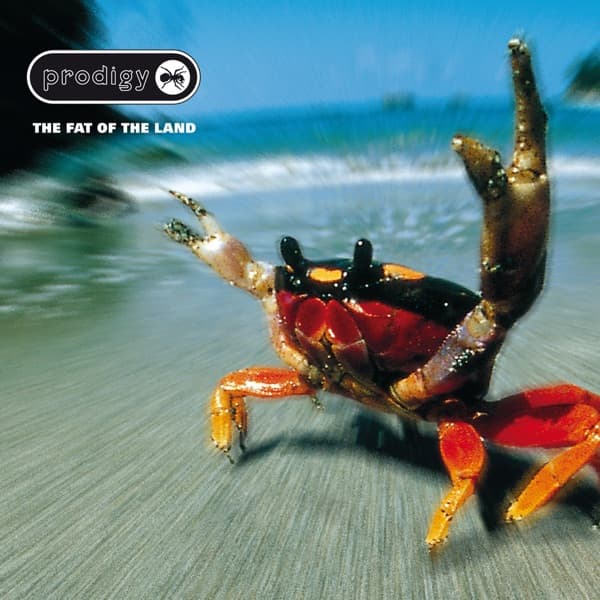
The Prodigy · 1997
Alex Jenkins turned a sourced dancing-crab photograph into The Prodigy's confrontational 1997 sleeve after Liam Howlett rejected a photographed doner-kebab concept at the last minute. Jenkins enlarged the raised claw until the tiny beach animal looked like it was giving the world a rude gesture.
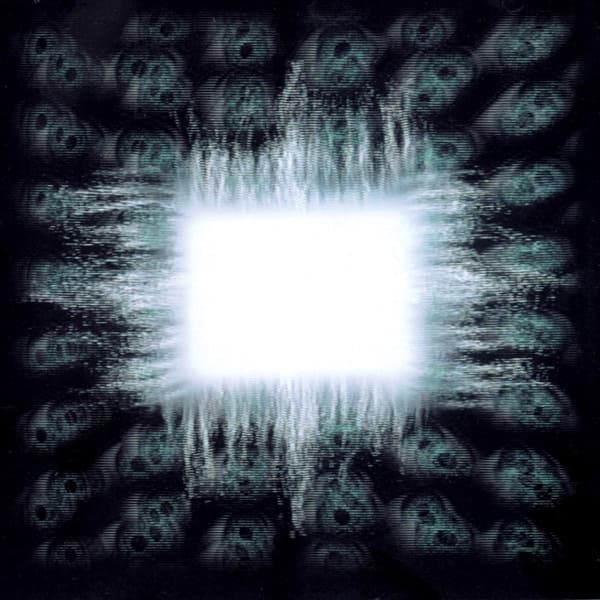
Tool · 1996
Tool guitarist Adam Jones created one of metal's most disturbing covers by combining stop-motion animation techniques with medical imagery and occult symbolism. The ribcage-like structure opening to reveal organs was inspired by his background in special effects for Hollywood horror films.
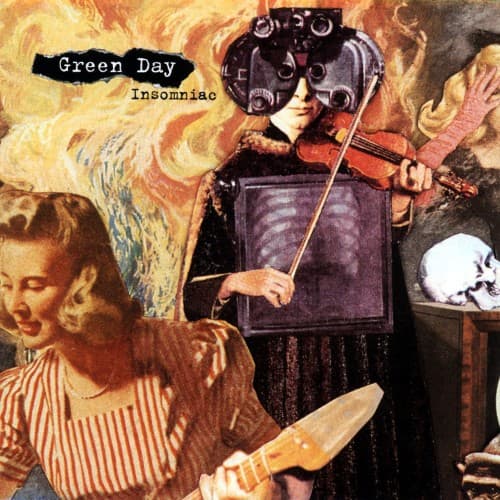
Green Day · 1995
Green Day followed Dookie's cartoon chaos with a darker visual world: Winston Smith's hand-built collage God Told Me to Skin You Alive. Original release credits distinguish Smith's artwork from Dirk Walter's art direction and David Harlan's typographic design, a creator chain the story preserves rather than flattening into a single generic design credit.
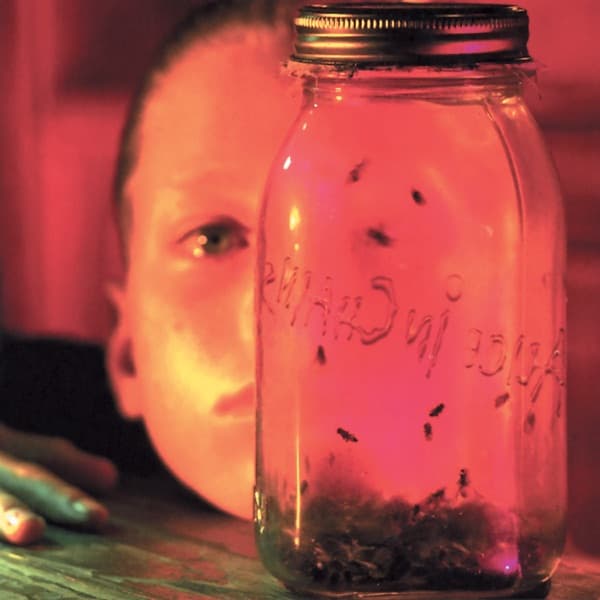
Alice in Chains · 1994
A child's face glows red behind a Mason jar clouded with real flies, the band's name embossed backwards in the glass. The image traces back to Jerry Cantrell's third-grade science experiment, and to a photographer whose assistant kept refilling the jar from a horse stable because the flies would not stop dying.

Soundgarden · 1994
Fans call it the 'Screaming Elf,' but that laughing face burning at the center of Soundgarden's Superunknown is Chris Cornell, flanked by two bandmates whose warped features look like flailing arms. Kevin Westenberg called the whole thing 'one glorious accident.' There was no plan that day, and one member got cropped out entirely.
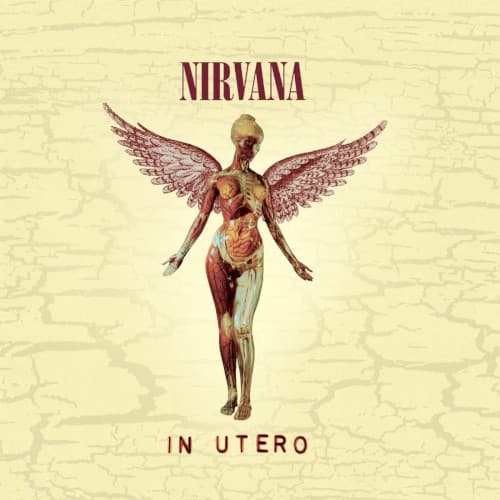
Nirvana · 1993
Nirvana's final studio album features anatomical collages by artist Robert Fisher that Walmart and Kmart refused to stock, forcing the band to create sanitized alternate covers for major retailers while the original became a statement of artistic integrity.
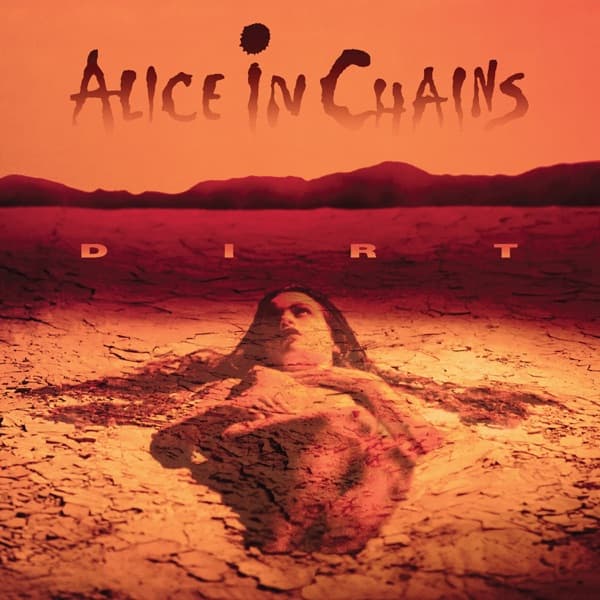
Alice in Chains · 1992
Alice in Chains' Dirt cover shows model Mariah O'Brien half-buried in a cracked, orange-lit desert set that photographer Rocky Schenck built inside his Hollywood studio. Mary Maurer handled art direction and visual effects, while Doug Erb is credited with design.
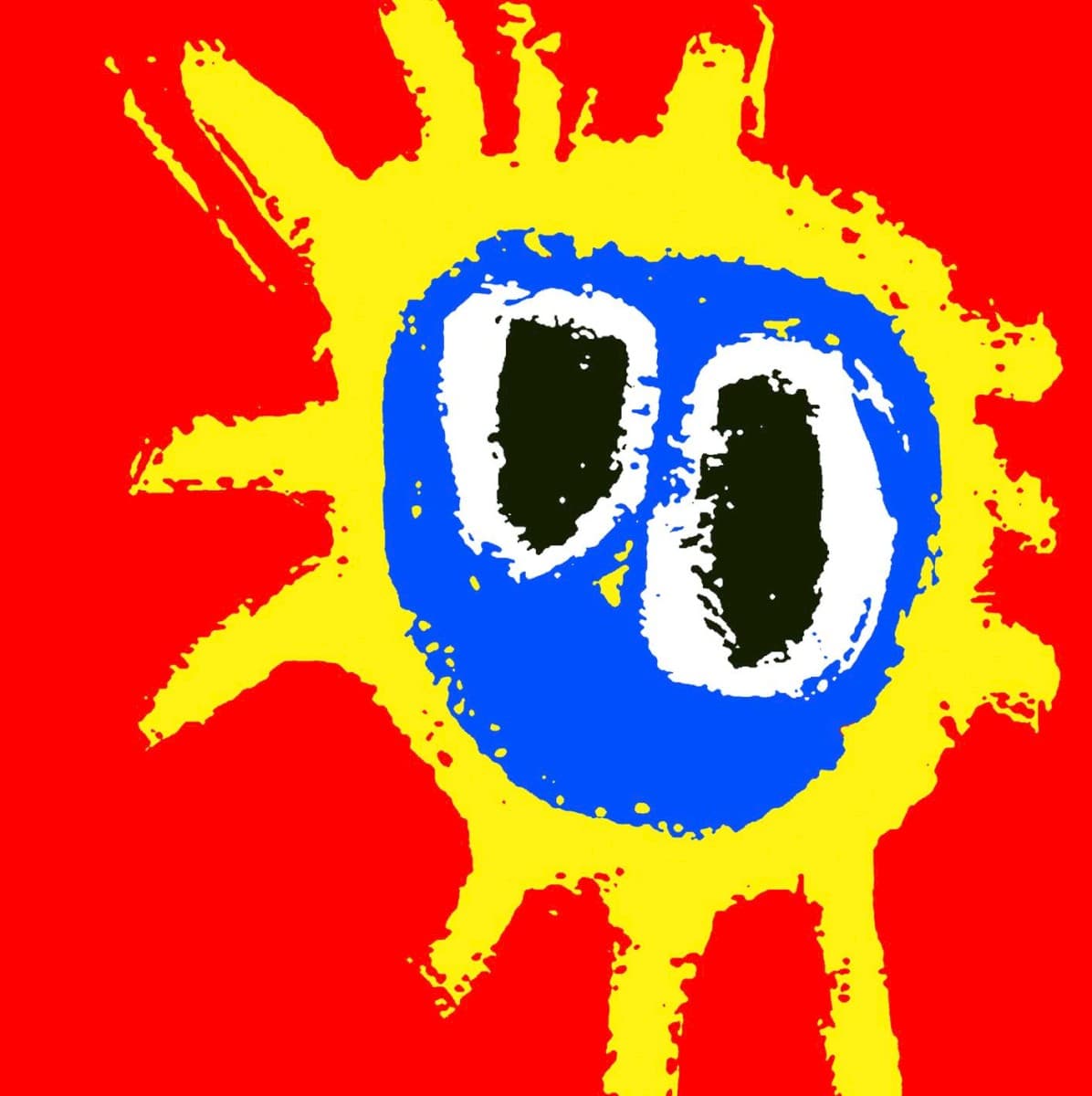
Primal Scream · 1991
Primal Scream's Screamadelica cover is a psychedelic face reduced to a handful of blazing shapes. East London artist Paul Cannell painted it after developing the loose, childlike visual language he had already used for the band's singles. The image became inseparable from the album's collision of rock, rave and acid-house culture.
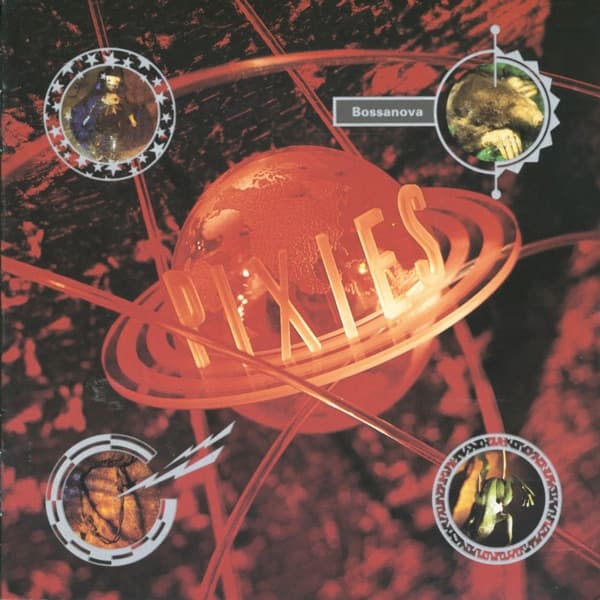
Pixies · 1990
A glowing orange planet spins at the center of Pixies' third album, ringed by the band's name and orbited by four strange specimen-photos. Vaughan Oliver turned the record's sci-fi lyrics into a solar system you can hold in your hands.
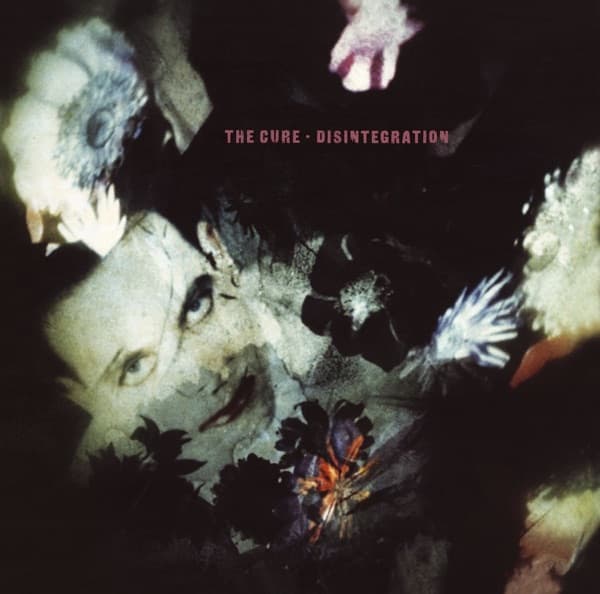
The Cure · 1989
A face half-drowned in flowers and shadow, blurred to the edge of vanishing. The man behind The Cure's Disintegration never meant to be on its cover at all, yet there he is, seeping into the dark. Andy Vella built the whole image from Polaroids, projected and re-photographed until colour itself came apart.
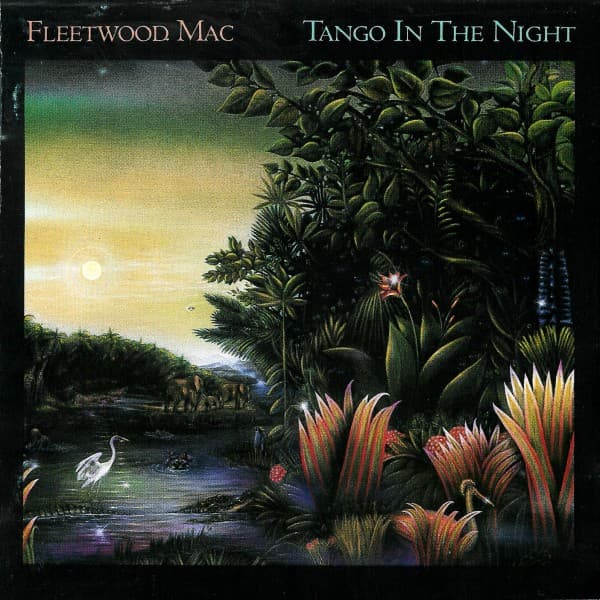
Fleetwood Mac · 1987
Fleetwood Mac's Tango in the Night turns a painting already hanging in Lindsey Buckingham's home into a moonlit jungle dream: Brett-Livingstone Strong's Homage à Henri Rousseau, photographed for the sleeve by Greg Gorman and shaped into the package under Jeri Heiden's art direction.
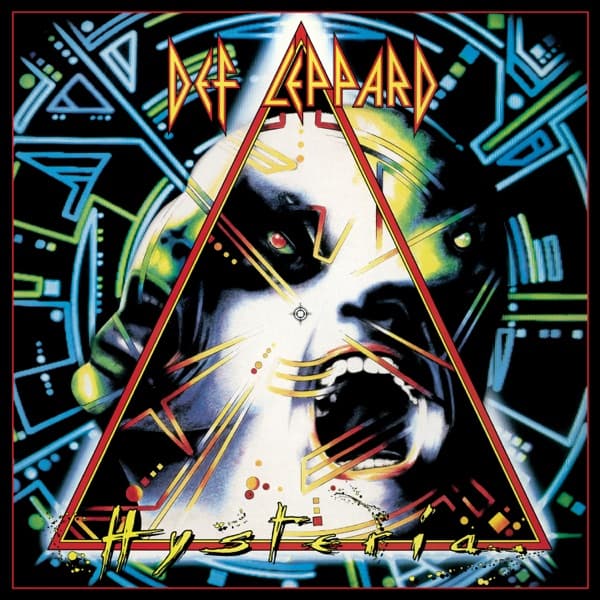
Def Leppard · 1987
A screaming, distorted face stares out from inside Def Leppard's triangle on 1987's Hysteria. Designer Andie Airfix reworked an entire eagle-lion-shark concept when the album's title changed, then split the art into nine secret panels that assembled into one giant mural.
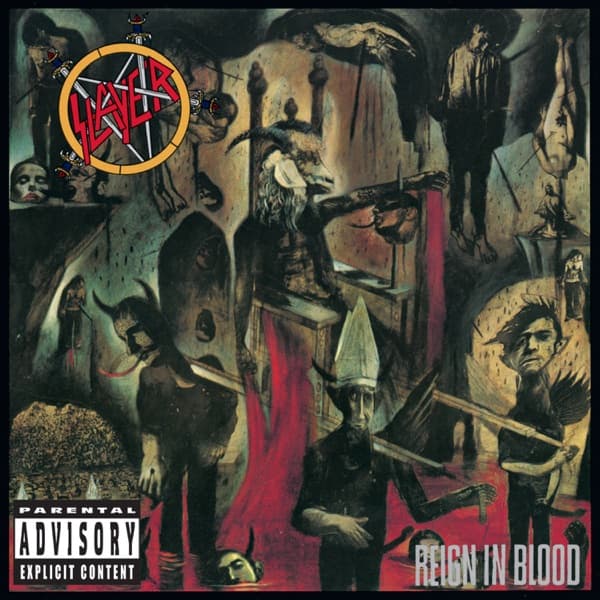
Slayer · 1986
Rick Rubin phoned a political illustrator who was drawing for the Village Voice and asked him to imagine hell. What Larry Carroll delivered was a three-foot canvas of goat-headed rulers and dangling bodies that Kerry King once dismissed as the work of a 'warped demented freak' before admitting it redefined metal.

Metallica · 1986
Metallica and manager Peter Mensch developed the concept for Master of Puppets, and illustrator Don Brautigam painted the famous front cover: rows of white military-style crosses tethered to puppet strings beneath controlling hands and a blood-red sky. The front is an illustration/painting, not a cemetery photograph.
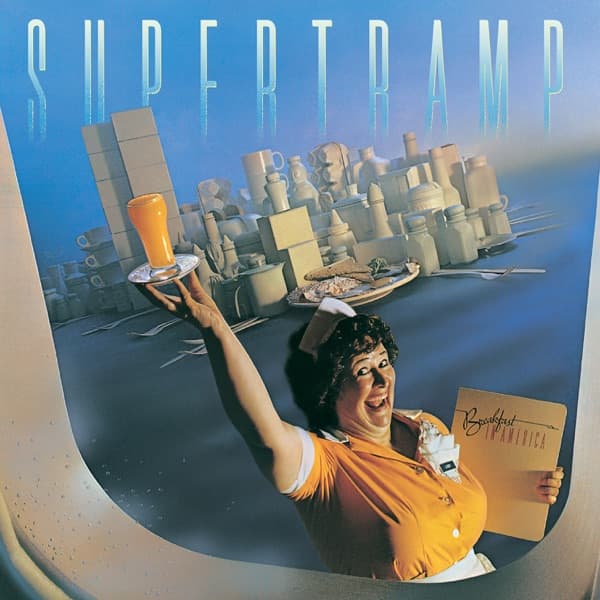
Supertramp · 1979
A jolly waitress named Libby hoists a glass of orange juice where the Statue of Liberty should hold her torch, and behind her Manhattan is built entirely from cereal boxes and cutlery, all spray-painted white. Supertramp's 1979 blockbuster turned a diner breakfast into the New York skyline and won a Grammy for it.
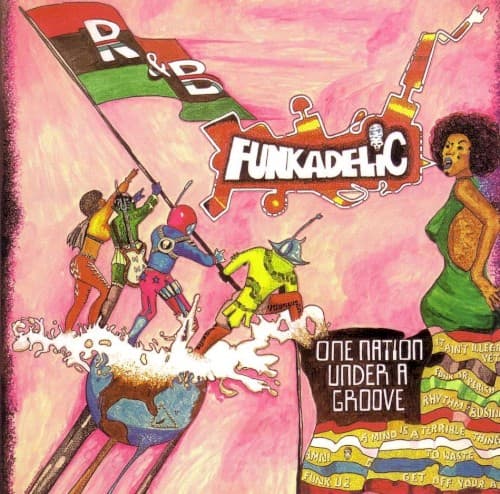
Funkadelic · 1978
George Clinton called Pedro Bell an 'urban Hieronymus Bosch' who 'inverted psychedelia through the ghetto.' On Funkadelic's biggest album, Bell didn't just draw a cover — he built the visual myth of P-Funk itself, signing on as an 'electric marker heathen of speedomatic dabblings.'
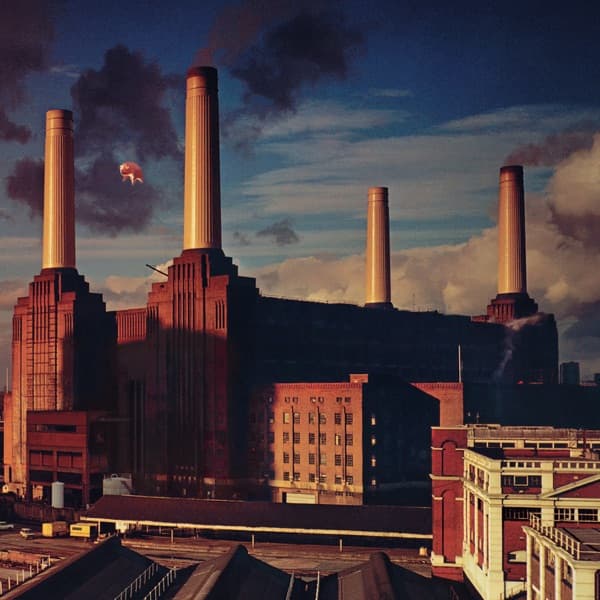
Pink Floyd · 1977
A 40-foot helium pig named Algie floats between the chimneys of Battersea Power Station on Pink Floyd's 1977 cover. During the shoot it broke free, drifted into Heathrow's flight paths and grounded planes before landing in a Kent farmer's field. The image you see is a splice of two different days.
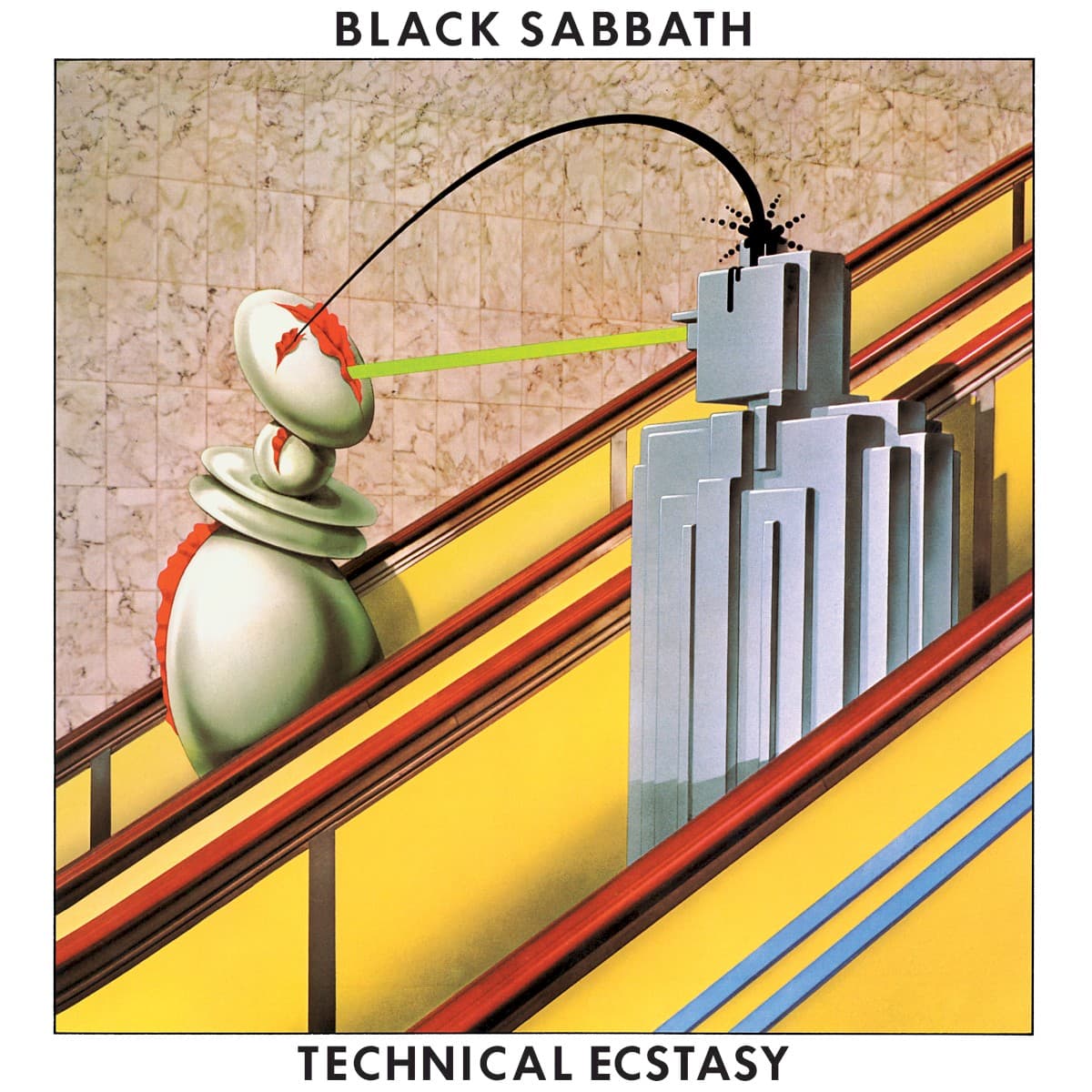
Black Sabbath · 1976
Black Sabbath's Technical Ecstasy turns an escalator encounter into one of Hipgnosis's strangest mechanical romances. Storm Thorgerson developed the concept, George Hardie designed the male and female robots and handled the graphics, and Richard Manning executed the robot illustration and photographic retouching that made the impossible scene look almost plausible.
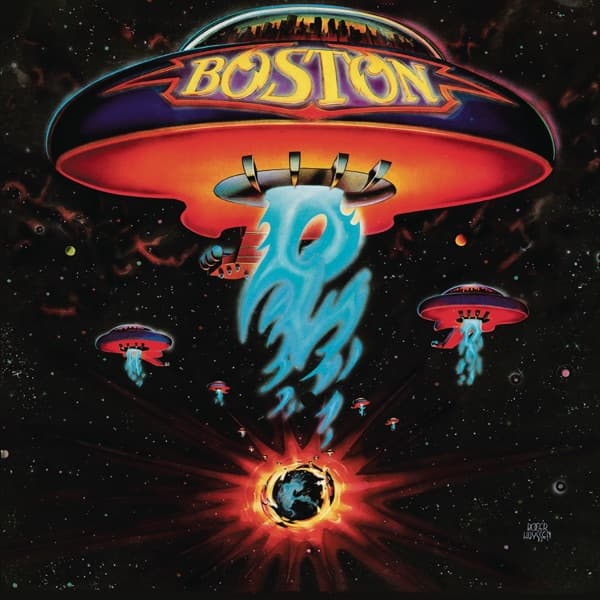
Boston · 1976
Before the guitar-spaceships, an album cover team seriously pitched Boston lettuce, Boston cream pie, and a pot of baked beans. What won instead was a fleet of upside-down guitars escaping a dying Earth, an optical illusion millions never caught until Reddit lost its mind decades later.

Elton John · 1975
Alan Aldridge's airbrush masterpiece drew inspiration from Hieronymus Bosch's Garden of Earthly Delights. Created with Harry Willock, the psychedelic artwork surrounds Elton John with mythical creatures in vivid detail.
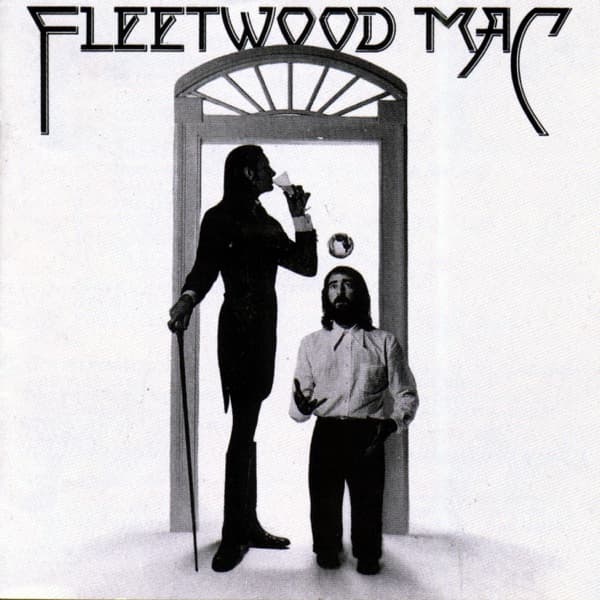
Fleetwood Mac · 1975
Two men in a doorway, one impossibly tall in a dark leotard sipping champagne, the other short and hovering a crystal ball at his fingertips. This colorless 1975 sleeve introduced a brand new Fleetwood Mac and picked up a nickname it never shook: the White Album.

Pink Floyd · 1975
Two businessmen shake hands on a sun-baked studio backlot — and one of them is on fire. Pink Floyd asked Storm Thorgerson how to picture people who hide their true feelings, and he answered: 'Set a man on fire.' A real stuntman, fifteen takes, and a singed moustache later, here's the result.
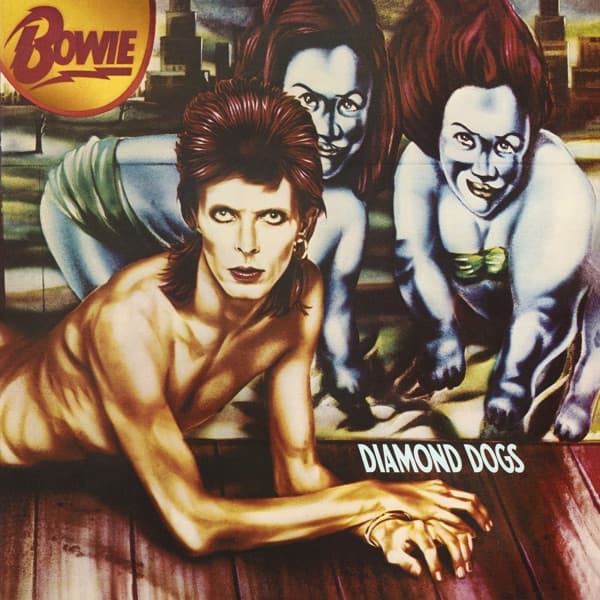
David Bowie · 1974
David Bowie posed as a half-man, half-dog for a 1974 painting so explicit that RCA airbrushed out the creature's genitals. The few uncensored copies that slipped into shops became some of the priciest records ever traded. The twist? The Belgian artist who painted it says Bowie tricked him into the job.
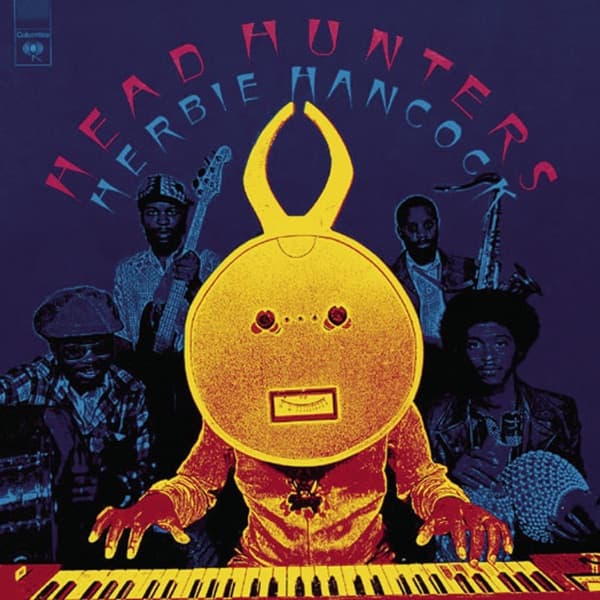
Herbie Hancock · 1973
Psychedelic poster artist Victor Moscoso created this mind-bending tribal mask design using his signature vibrating color technique, making it one of the most visually arresting jazz album covers ever produced and helping Herbie Hancock cross over to funk audiences.
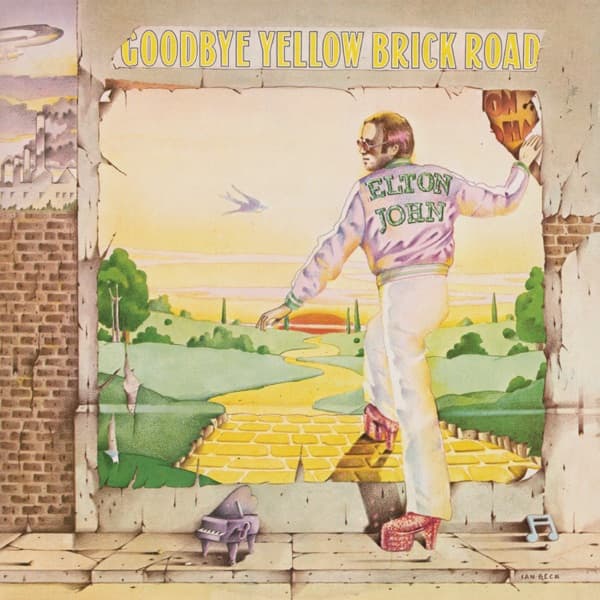
Elton John · 1973
A man in platform heels steps off a cracked brick wall and into a torn poster of Oz. Ian Beck built the whole scene up in pencil before slowly adding color, signing it in the corner. The road he walks won him the job, and it started with an Irish folk singer's record sleeve.
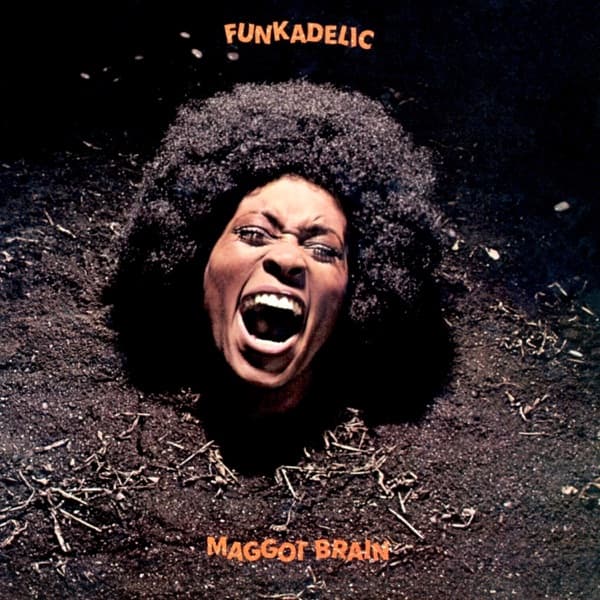
Funkadelic · 1971
A Black woman's face emerging from earth — mouth open in a scream or ecstatic cry — matches the primal intensity of Eddie Hazel's legendary guitar solo, recorded in a single take under the influence of LSD.
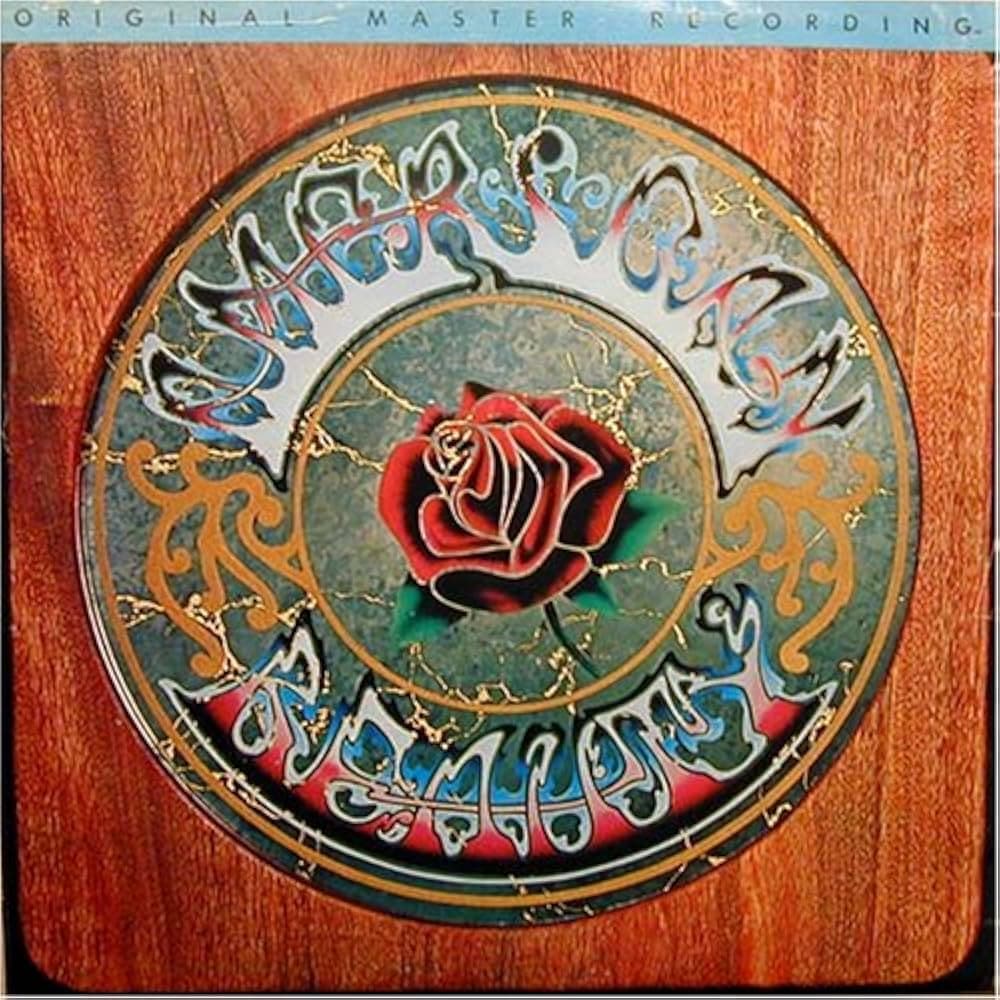
Grateful Dead · 1970
Stare at the rose on the Grateful Dead's 1970 cover, then read the swirling script around it. It says American Beauty. It also says American Reality. The same letters, two meanings, deliberately built that way by two poster artists who turned a single word into a riddle.
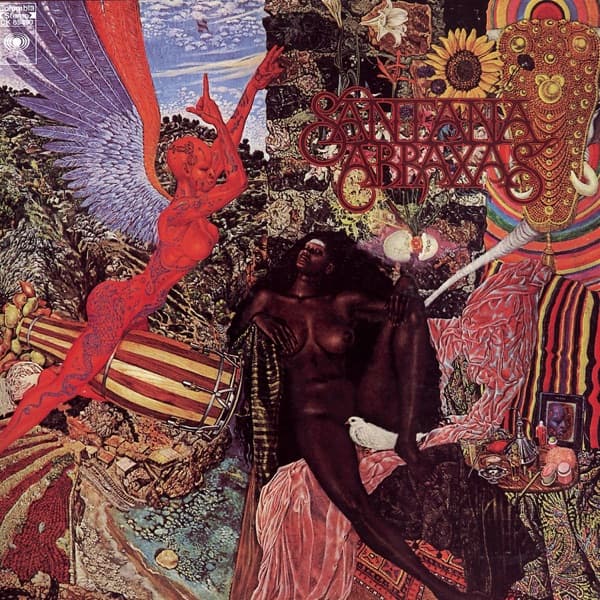
Santana · 1970
A red, winged, tattooed angel points skyward over a conga drum while a naked dark-skinned Mary sits among flowers and a white dove. Carlos Santana spotted this painting in a magazine and demanded it for his band's 1970 album — and it ended up pinned inside a shaman's hut and a Rastafarian's truck worldwide.
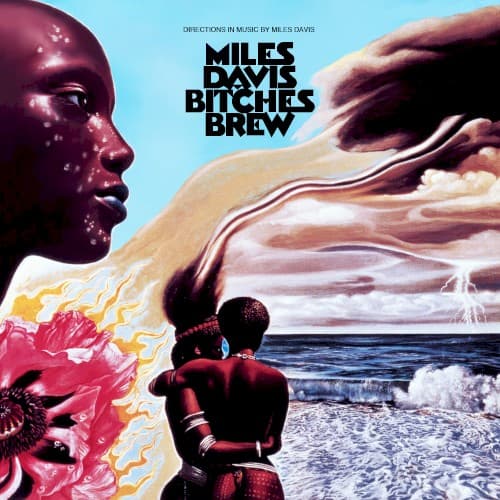
Miles Davis · 1970
Mati Klarwein's Afro-psychedelic painting depicts two Black faces in profile surrounded by swirling organic forms — flowers, waves, fire, and cosmic phenomena — a visual match for the album that essentially invented jazz fusion.
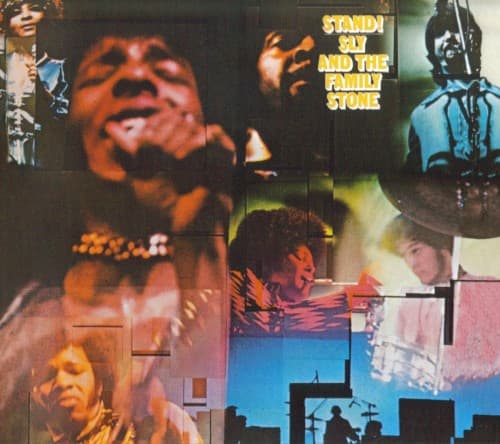
Sly and the Family Stone · 1969
The explosive red-orange burst radiating from the center creates one of funk's most dynamic covers, perfectly matching the revolutionary energy of Sly Stone's music. The simple yet powerful design became a template for psychedelic soul artwork.

The Who · 1969
Mike McInnerney designed and painted The Who's Tommy sleeve as a blue, diamond-cut sphere meant to suggest confinement and release. His original artwork did not include the band; small photographs were added after the record company asked that The Who appear on the cover.
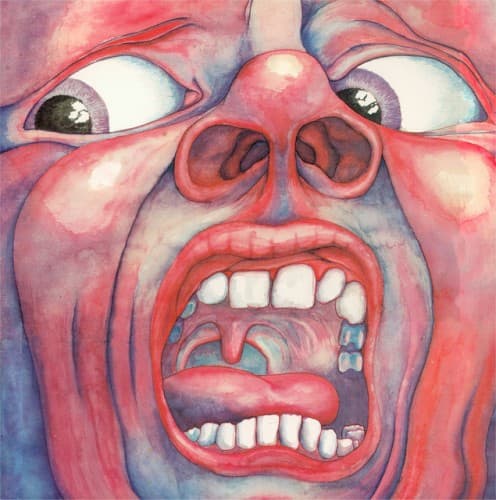
King Crimson · 1969
A screaming face fills every inch of King Crimson's 1969 debut: terror painted in pink, red and bruised purple. It was the only painting Barry Godber ever made, and he modeled the horror on his own face in a mirror. Months later, at 24, he was dead.
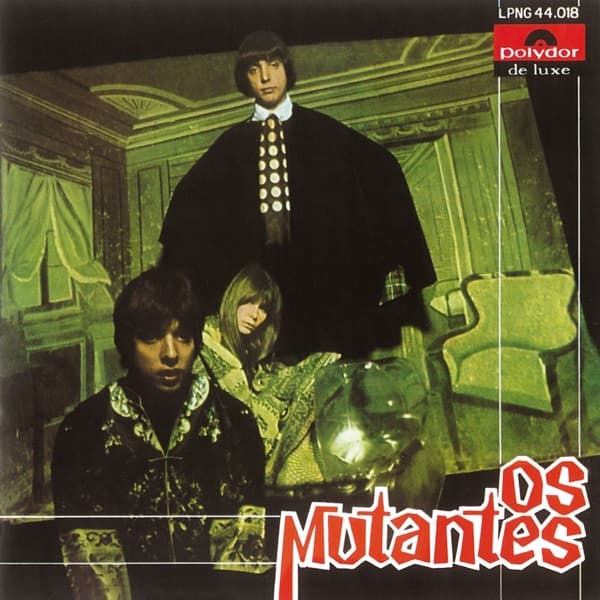
Os Mutantes · 1968
The debut album cover for Os Mutantes was designed and photographed by Olivier Perroy from publishing giant Editora Abril in his São Paulo home. The simple presentation matched the band's raw experimental psychedelic sound that would revolutionize Brazilian rock.
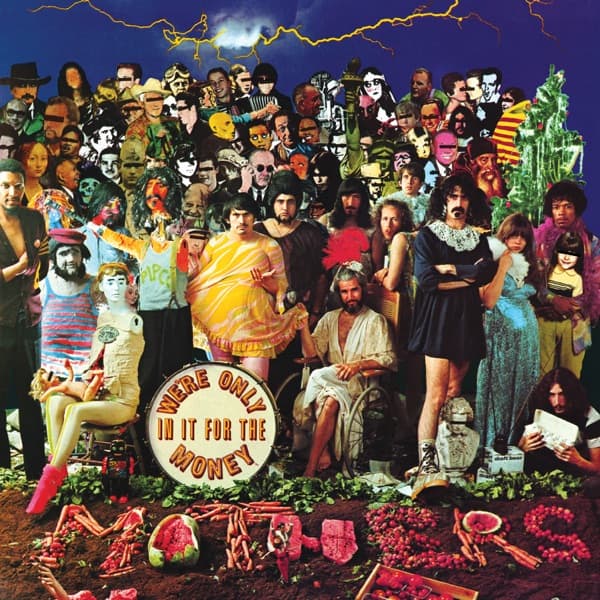
The Mothers of Invention · 1968
In 1968 Frank Zappa set out to make a photographic negative of Sgt. Pepper: thunderstorm instead of blue sky, dresses instead of uniforms, rotting vegetables instead of flowers. Then the Beatles' label got nervous, the packaging got flipped inside-out, and Jimi Hendrix showed up in person. Behind the lurid crowd lies a lawsuit-shadowed act of sabotage aimed straight at the summer of love.
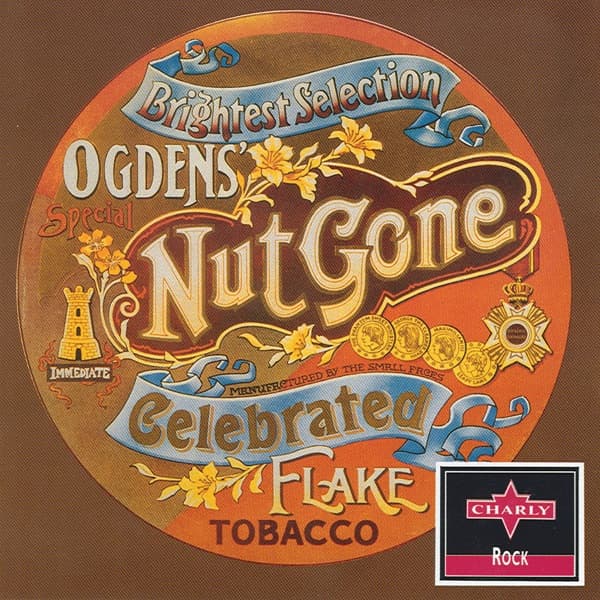
Small Faces · 1968
Steve Marriott swapped one word on a real tobacco tin and turned a Liverpool firm's brand into a wink about being out of your head. The Small Faces' 1968 round sleeve was a publicity stunt, a hash joke and a packaging nightmare all at once.
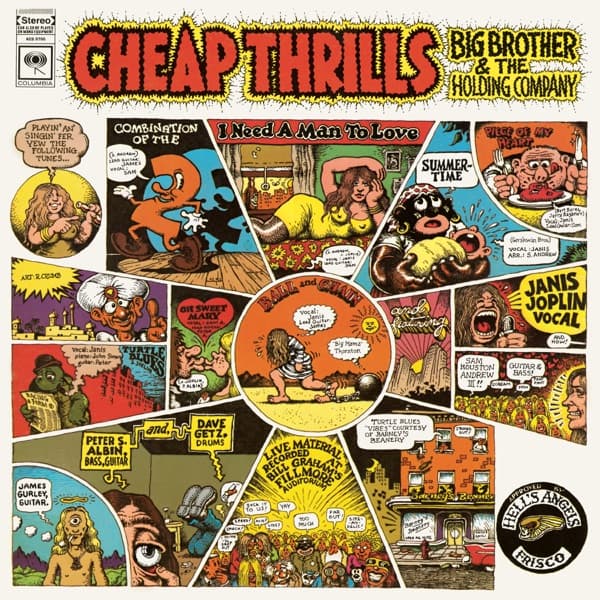
Big Brother and the Holding Company · 1968
Underground cartoonist Robert Crumb created this hand-drawn comic book cover for just $600, turning down Columbia's slick photography concept. His whimsical cartoon style became one of rock's most beloved covers.
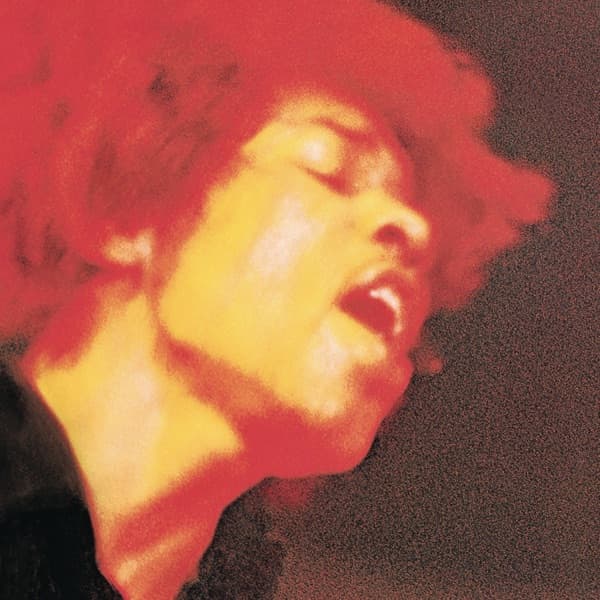
The Jimi Hendrix Experience · 1968
Jimi Hendrix's double album sparked international controversy with its provocative cover featuring 19 nude women photographed by David Montgomery. The image was so scandalous that many countries banned it, forcing alternative covers to be created for different markets.
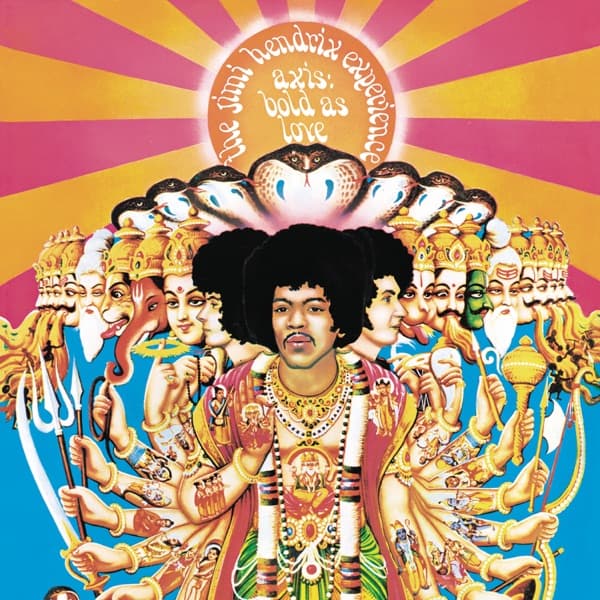
The Jimi Hendrix Experience · 1967
A London store's mass-produced Hindu devotional poster became the frame for a rock band: Jimi Hendrix and his bandmates painted as arms of the god Vishnu, glowing in pink, orange and turquoise. Hendrix hated it. Decades later, a nation's censors seized copies. Here is the strange life of a cover its own star disowned.
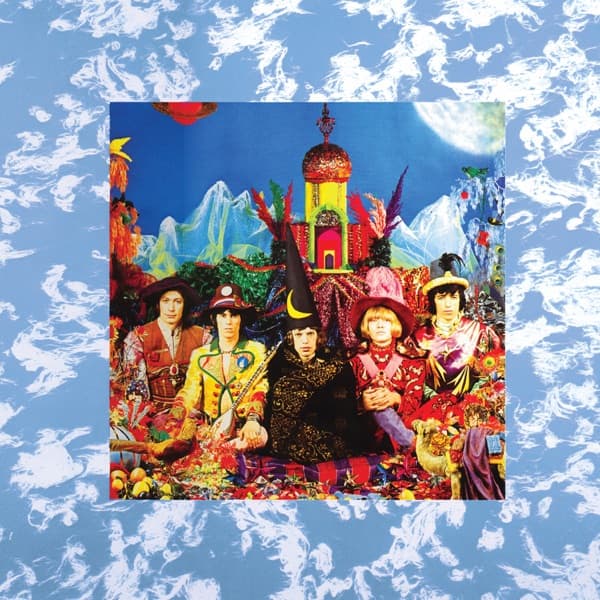
The Rolling Stones · 1967
The Rolling Stones' psychedelic masterpiece featured the first 3D lenticular cover in rock history, created by fashion photographer Michael Cooper. The elaborate shoot took place in a rented studio with elaborate costumes, flowers, and optical effects that cost a fortune.
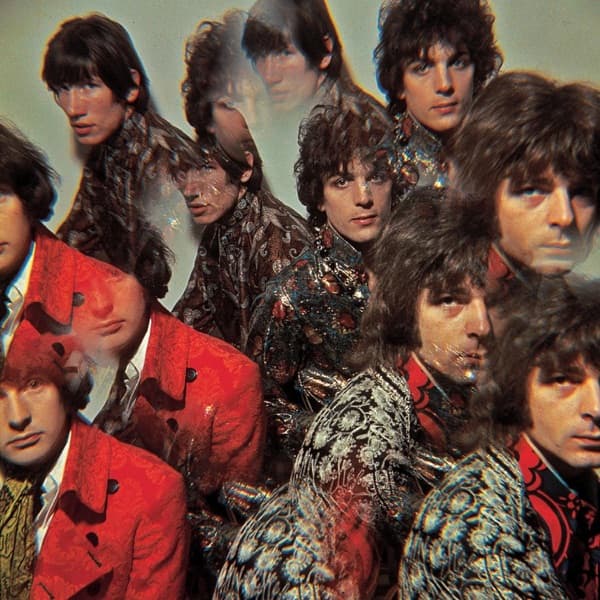
Pink Floyd · 1967
Fashion photographer Vic Singh made Pink Floyd's kaleidoscopic Piper at the Gates of Dawn front cover with a prism lens George Harrison had given him, a Hasselblad, strobe light and the band's brightest psychedelic clothes. Syd Barrett created the rear-cover illustration, not the front photograph.
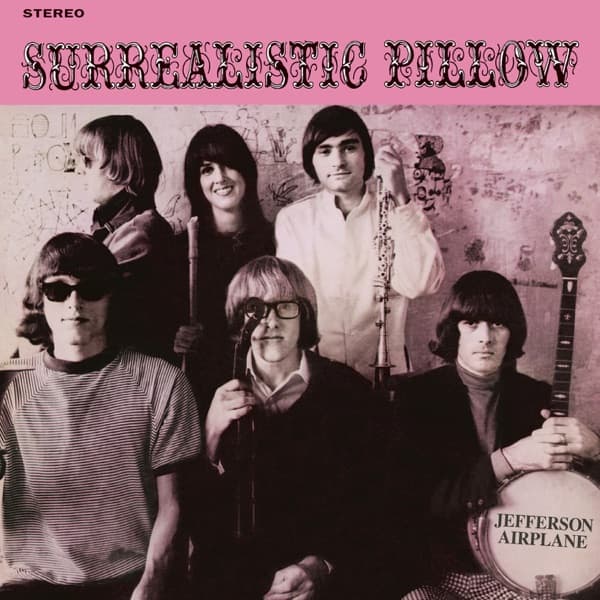
Jefferson Airplane · 1967
Photographer Herb Greene captured Jefferson Airplane in an infrared dreamscape that perfectly matched their psychedelic sound. The otherworldly technique turned the band into ghostly figures floating through a surreal landscape.
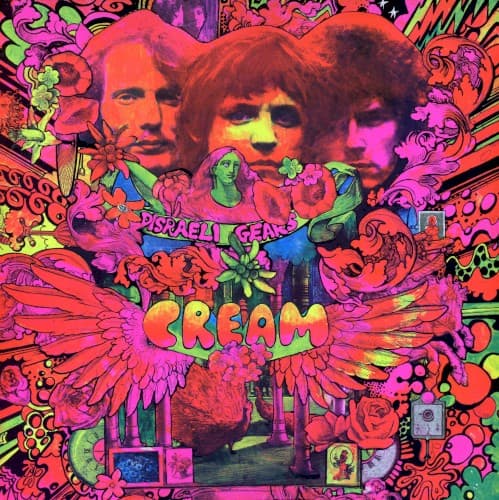
Cream · 1967
A roadie's mispronunciation gave the album its name; a chance meeting in a nightclub gave it its face. Cream's Disraeli Gears wears a fluorescent collage built from a publicity photo, scissors, and paint mixed to capture a 'warm electric sound.'
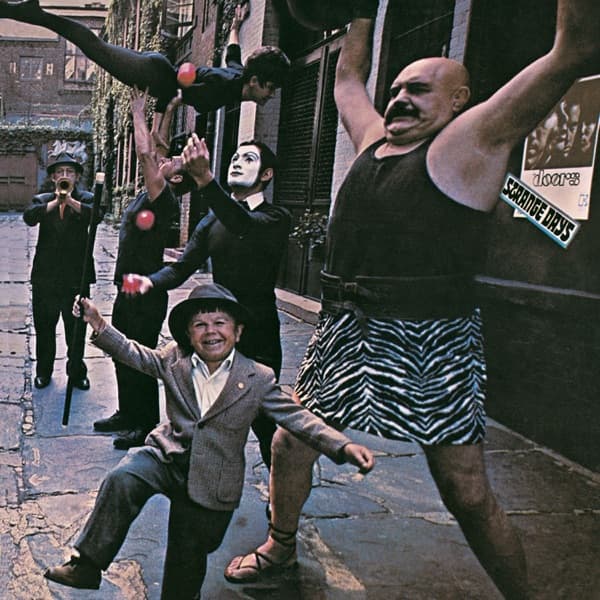
The Doors · 1967
The Doors are nowhere on their own second album cover. Instead, a strongman, a juggler and a dwarf perform in a Manhattan alley, because Jim Morrison flatly refused to pose. Look closely and the only sign of the band is a tiny poster taped to a brick wall.
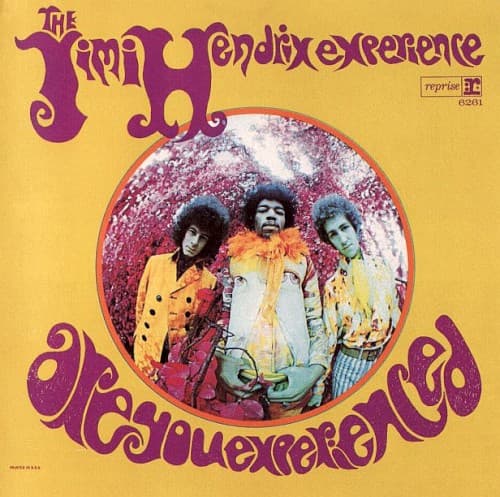
The Jimi Hendrix Experience · 1967
Karl Ferris pioneered the use of infrared film for album art, creating an otherworldly image where the band appears in unnatural purple, orange, and green hues through a fisheye lens — as if Hendrix had literally arrived from another dimension.
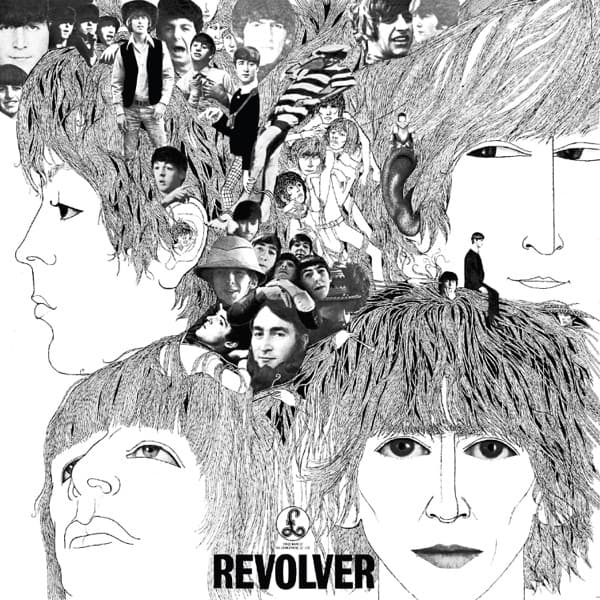
The Beatles · 1966
Klaus Voormann's revolutionary black-and-white collage combines pen-and-ink drawings with photographs, using the Beatles' flowing hair to create a psychedelic masterpiece that won the first Grammy Award for rock album artwork in 1967.