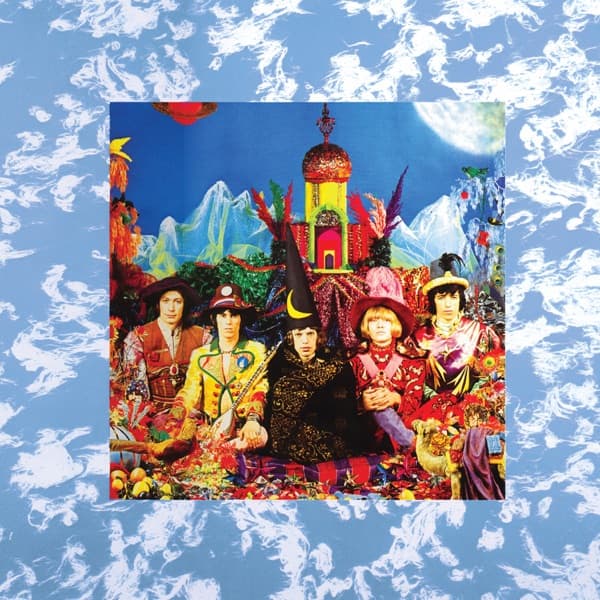


Their Satanic Majesties Request became rock's first album to feature a lenticular 3D cover, a technological marvel that cost Decca Records a small fortune and required cutting-edge printing techniques unavailable to most labels in 1967. The cover image appears to shift and move as you tilt it, creating an otherworldly effect that perfectly matched the Stones' brief flirtation with psychedelia.
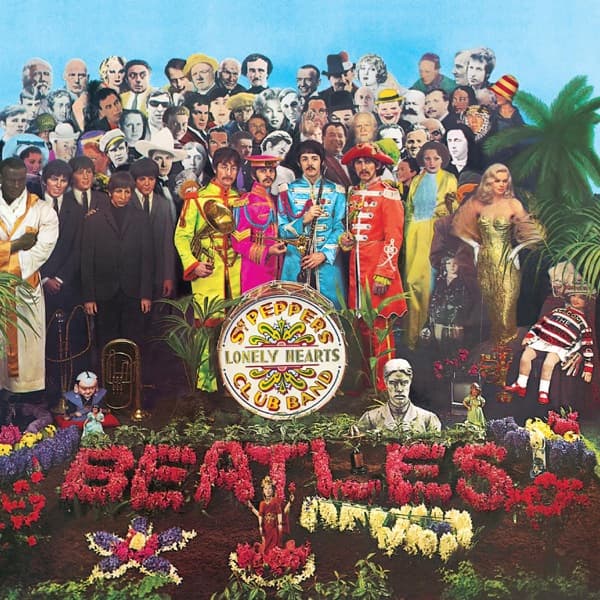
The concept emerged during the height of the Summer of Love, when the Rolling Stones were desperately trying to compete with The Beatles' Sgt. Pepper's Lonely Hearts Club Band. Mick Jagger and the band wanted something that would visually outdo their Liverpool rivals, leading them to explore expensive experimental printing techniques that most rock bands couldn't afford.
Michael Cooper, the fashion photographer who had also shot The Beatles' Sgt. Pepper cover, was hired to create the elaborate image. Cooper rented a large studio and constructed an elaborate set filled with exotic flowers, fabrics, and mystical props that would create the perfect psychedelic tableau for the 3D photography process.
The actual photo shoot was an all-day affair requiring the band to pose in elaborate costumes designed to enhance the 3D effect. Mick Jagger wore flowing robes and a pointed wizard hat, while Keith Richards and the other band members donned equally theatrical garments that would pop in the lenticular process.
Cooper used a specialized camera system that captured multiple images from slightly different angles, allowing the lenticular printing process to create the illusion of depth and movement. The technical requirements meant every element in the frame had to be carefully positioned to maximize the 3D impact.
The printing process itself was revolutionary for its time, requiring a specialized facility capable of applying the ridged plastic lenticular material to the album covers. Decca Records had to work with cutting-edge printing technology that was more commonly used for novelty postcards and scientific applications than album artwork.
When the album was released in December 1967, the cover immediately became a talking point, though not always for positive reasons. Critics dismissed it as gimmicky, while others praised it as a bold artistic statement that pushed the boundaries of what album packaging could achieve.
The public reaction was mixed, with many fans fascinated by the visual tricks but others finding the effect distracting from the music itself. Record store owners complained about the higher costs and the fragility of the lenticular surface, which could be easily damaged during shipping and handling.
The cover's influence on album art was significant, inspiring other artists to experiment with unconventional packaging and special effects. However, the high cost and technical complexity meant that few other albums attempted similar lenticular effects during the era.
The Their Satanic Majesties Request cover became a landmark in album packaging history, proving that record labels were willing to invest heavily in visual presentation during the peak of the album era. It represented the intersection of art, technology, and rock music commerce in ways that hadn't been seen before.
Decades later, the original lenticular covers have become highly sought-after collector's items, with mint condition copies commanding premium prices due to the fragile nature of the 3D surface and the album's status as a technological curiosity from rock's most experimental period.