Behind the Covers

The Rolling Stones

4 album covers in our archive

The Rolling Stones is featured in Behind the Covers' archive with 4 album covers spanning the 1960s and 1970s. Released across Decca Records and Rolling Stones Records labels, the artwork sits in the rock tradition. Each cover is documented in our archive with design notes covering controversial, photography, band photo, iconic, psychedelic, 3d lenticular. Below you'll find the full story behind each The Rolling Stones cover — designers, photographers, label history, and the visual choices that defined the release.

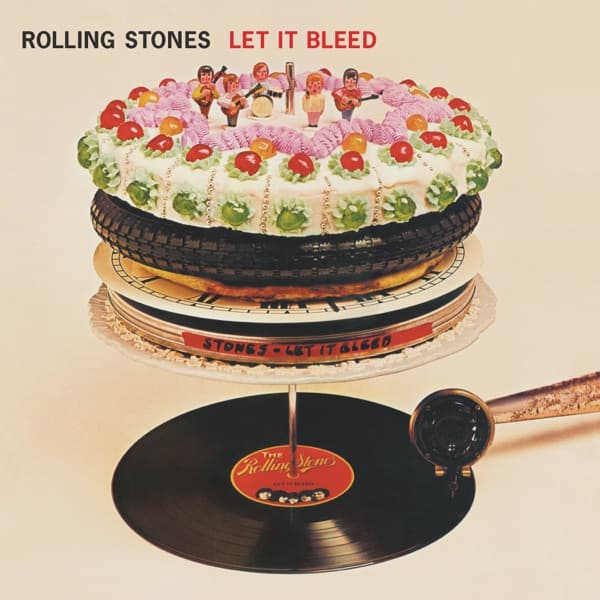
Let It Bleed by The Rolling Stones — album cover art

Let It Bleed (1969)

Robert Brownjohn created a surreal gastronomic sculpture featuring a record player made entirely of cake, with the turntable arm crafted from a car tire and pizza slice. The elaborate edible construction required multiple attempts as the cake kept collapsing during photography sessions.

Label
Decca Records
Designer
Robert Brownjohn
Genre
Rock
Decade
1960s
Read the full story →
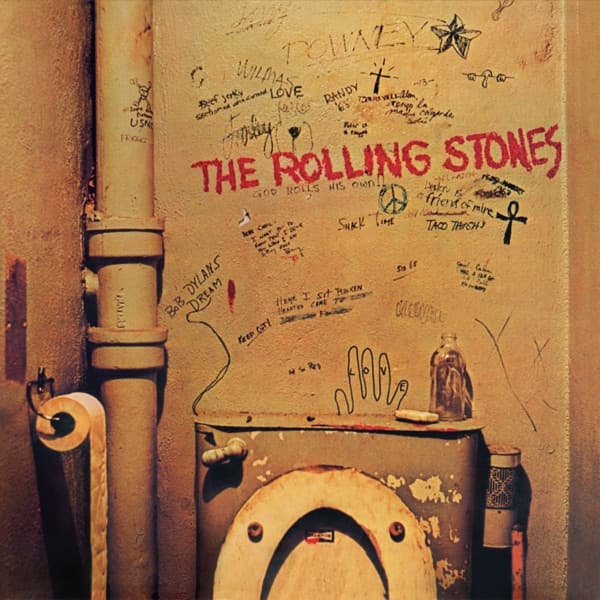
Beggars Banquet by The Rolling Stones — album cover art

Beggars Banquet (1968)

The Rolling Stones' return to their blues roots sparked a six-month delay when both UK and US record labels rejected Barry Feinstein's original toilet cover art, forcing a controversial compromise.

Label
Decca Records
Designer
Tom Wilkes
Photographer
Michael Joseph
Genre
Rock
Decade
1960s
Read the full story →
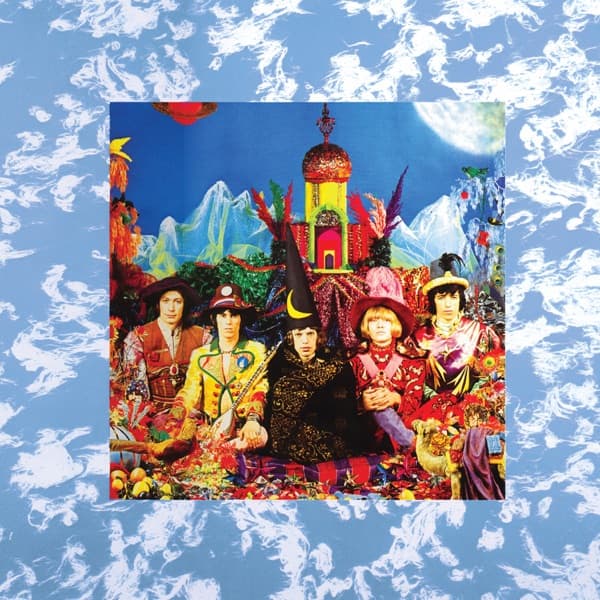
Their Satanic Majesties Request by The Rolling Stones — album cover art

Their Satanic Majesties Request (1967)

The Rolling Stones' psychedelic masterpiece featured the first 3D lenticular cover in rock history, created by fashion photographer Michael Cooper. The elaborate shoot took place in a rented studio with elaborate costumes, flowers, and optical effects that cost a fortune.

Label
Decca Records
Designer
Michael Cooper
Photographer
Michael Cooper
Genre
Rock
Decade
1960s
Read the full story →
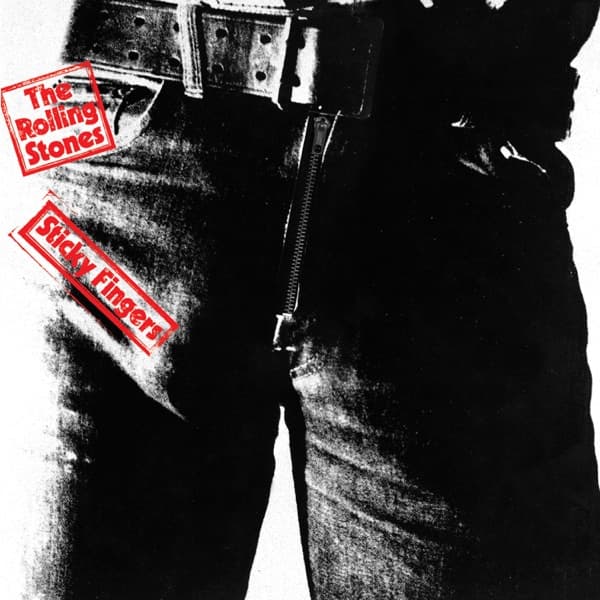
Sticky Fingers by The Rolling Stones — album cover art

Sticky Fingers (1971)

Andy Warhol's close-up of a man's crotch in tight jeans featured a real functioning zipper on the original LP — when unzipped, it revealed white underwear. The album also debuted the iconic tongue-and-lips logo by John Pasche.

Label
Rolling Stones Records
Designer
Andy Warhol
Photographer
Billy Name
Genre
Rock
Decade
1970s
Read the full story →

Browse related design themes

More album cover stories from the 1960s