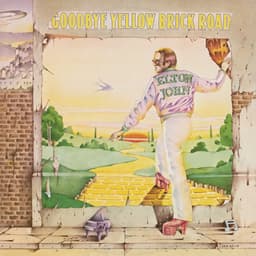
The original artwork for Captain Fantastic and the Brown Dirt Cowboy stands as one of the most intricate album covers of the 1970s. Alan Aldridge created this surreal landscape using airbrushing techniques on board, measuring 13.25 x 26.325 inches. The preliminary drawing was masked out with tape, then each individual area of color was cut, removed, and recovered for airbrushing.
Aldridge drew his inspiration from Hieronymus Bosch's Renaissance masterpiece The Garden of Earthly Delights, specifically the middle panel known as the Garden of Lusts. This connection to Bosch's fantastical creatures and otherworldly imagery became the foundation for the album's psychedelic menagerie. Bosch painted three large triptychs between 1490 and 1510 covering themes from the Garden of Eden to the last judgement.
The cover's creation was a collaboration between Aldridge and illustrator Harry Willock. Their partnership had developed at Penguin Books, where Aldridge would create basic skeletal drawings and hand them to Willock to unleash his airbrush magic. This working relationship produced the Captain Fantastic artwork that Elton John called a visual package beyond his wildest dreams.
Graphics concept and art direction were handled by David Larkham and Bernie Taupin. Typography came from Geoff Halpin at Bloomsbury Group, while inner-sleeve photography was captured by renowned photographer Terry O'Neill. O'Neill had been documenting Elton John's career since the early 1970s and would continue photographing him for over 45 years.
The lavish package included two booklets - a Lyrics booklet and another called Scraps, which collected photos, reviews, diary entries and memorabilia from John and Taupin's early years. The original LP also contained a poster of the album's cover. Package design was credited to David Larkham & friends.
Alan Aldridge was a British pop artist and graphic designer known for his psychedelic artwork. Born in 1938, he had worked on covers for The Beatles, The Who, and Cream before creating the Captain Fantastic artwork. His bold, surreal, and colorful style was unique compared to the more restrained Swiss style of the era.
Terry O'Neill was one of the world's most collected photographers, with work hanging in national art galleries worldwide. Born in 1938, he photographed the frontline of fame for over six decades, capturing everyone from The Beatles to Nelson Mandela. His candid celebrity portraits became iconic representations of 1960s and 70s culture.
The album's commercial reception was unprecedented. It became the first album by any artist to enter the Billboard Top 200 at number one, selling 1.4 million copies within four days of release. The elaborate packaging, combined with the compelling artwork, helped drive this historic achievement.
Elton John praised Aldridge's work extensively. He said the artist delivered a visual package beyond his wildest dreams and that he had never been so pleased with artwork for an album. The cover's Grammy nomination for best album package recognized its artistic achievement alongside the musical content.
The cover's visual composition centers on Elton John in elaborate costume near a piano, surrounded by a menagerie of extraordinary creatures. The airbrushing technique created embossed lines and paint buildup along each color's edge, giving the artwork its distinctive dimensional quality. The color palette ranges from vivid oranges and blues to deep earth tones.
Typographically, the album title uses ornate lettering that complements the fantastical imagery. Aldridge's design integrates text seamlessly into the overall composition, with the band name and album title becoming part of the visual narrative rather than mere functional elements.
The artwork's cultural impact extended beyond music. Aldridge's psychedelic style influenced graphic design throughout the 1970s, and the Captain Fantastic cover became a touchstone for elaborate album packaging. It demonstrated how album art could be as ambitious and conceptual as the music itself.
The cover's legacy endures in contemporary design. Aldridge's approach to combining traditional illustration techniques with modern airbrush technology created a template that influenced generations of album artists. The work remains a pinnacle achievement in the golden age of vinyl album art.
An intriguing detail about the original artwork's creation: Aldridge and Bernie Taupin took a holiday to Barbados together to write a screenplay for a potential Captain Fantastic movie. They barely worked on the project, having more fun partying and even holding a drinking contest with actor Oliver Reed. The film was eventually scrapped, but Aldridge's cover design lived on as one of rock's most celebrated visual achievements.