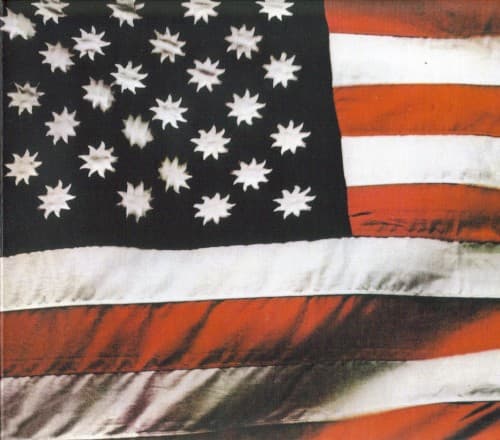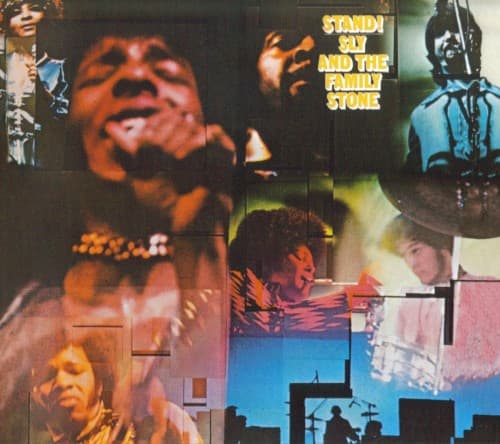

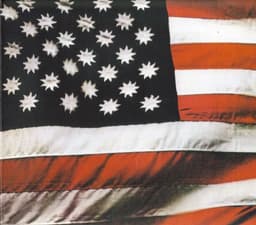
The Stand! cover art emerged from Epic Records' desire to create visual artwork as revolutionary as Sly Stone's genre-breaking music. The label knew they needed something that could capture the explosive energy of tracks like "I Want to Take You Higher" and the title song in a single image.
The concept centered on pure kinetic energy radiating outward from a central point. This wasn't just abstract art — it was a visual representation of how Sly and the Family Stone's music was exploding across racial and musical boundaries in 1969.
The execution involved creating a starburst pattern that seems to pulse with movement. The design team used radiating lines that create an optical illusion of motion, as if the cover itself is vibrating with the funk rhythms contained within.
The typography treatment places the band name and album title in clean, readable fonts that don't compete with the explosive central design. The text appears to be pushed outward by the same force creating the starburst effect.
Epic Records and Sly Stone immediately recognized they had something special. The cover perfectly embodied the band's message of unity and revolution through music, with the radiating pattern suggesting energy spreading outward to touch everyone.
Music critics praised how the artwork matched the album's sonic innovation. The cover became as recognizable as the music itself, appearing on countless "best album covers" lists and inspiring other soul and funk artists to embrace bold, abstract designs.
The Stand! cover influenced a generation of album artwork in the funk and soul genres. Artists like Funkadelic and Earth Wind & Fire would later use similar radiating energy patterns in their own cover designs.
The design technique used — creating movement through radiating lines — became a staple of psychedelic and funk album artwork throughout the 1970s. The cover proved that abstract art could be just as powerful as photography in conveying musical energy.
Graphic designers still study the Stand! cover as an example of how to create visual rhythm and movement in static design. The artwork demonstrates how simple geometric patterns can generate complex emotional responses.
Decades later, the starburst pattern remains instantly associated with the revolutionary spirit of late-1960s soul music. The cover art has appeared on museum walls and in design textbooks as an example of perfect synergy between visual and musical art.