geometric

8 cover stories in our archive

Behind the Covers' archive includes 8 album covers documented under the "geometric" design theme, spanning the 1960s, 1970s, 1980s, 1990s, 2000s. These covers sit within the alternative, rock, indie, electronic, pop, punk, jazz, funk, soul tradition and feature work by Bloc Party, Death Cab for Cutie, Aphex Twin, The Police and others. Each entry below includes the cover artwork, the designers and photographers behind it, and a short story about the visual choices that defined the release.

Silent Alarm by Bloc Party — album cover art

Silent Alarm by Bloc Party (2005)

Peter Saville transformed a simple mathematical formula into one of the most striking album covers of the 2000s, using pure geometry and bold color to capture Bloc Party's angular post-punk sound in visual form.

Label
Wichita Recordings
Designer
Peter Saville
Genre
Alternative, Rock, Indie
Decade
2000s
Read the full story →
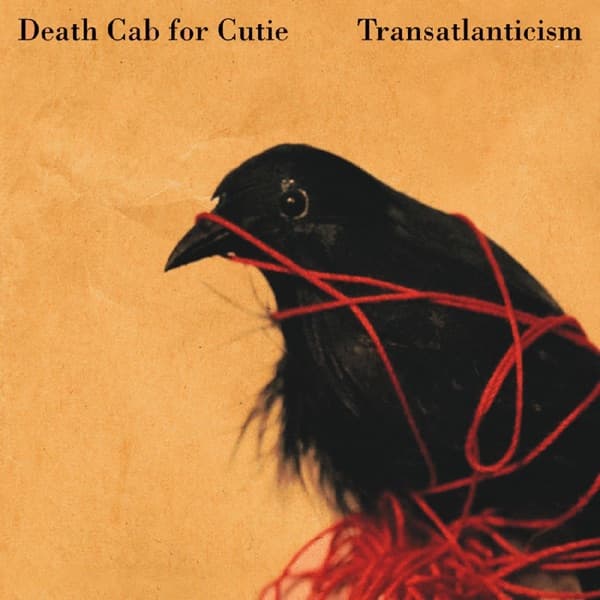
Transatlanticism by Death Cab for Cutie — album cover art

Transatlanticism by Death Cab for Cutie (2003)

Death Cab for Cutie's Transatlanticism cover was created by Seattle artist Adde Russell: a black bird tangled in vivid red string against a warm ochre field, developed from a white Styrofoam hobby-shop bird and credited to Russell for original artwork and layout.

Label
Barsuk Records
Designer
Adde Russell
Genre
Indie, Alternative
Decade
2000s
Read the full story →
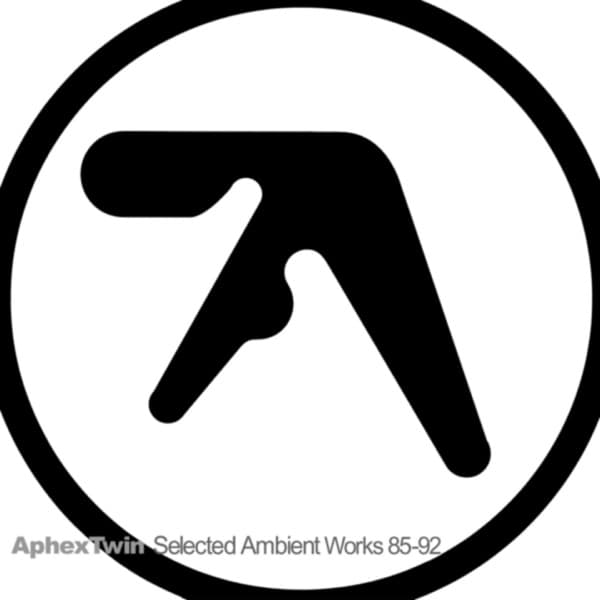
Selected Ambient Works 85-92 by Aphex Twin — album cover art

Selected Ambient Works 85-92 by Aphex Twin (1992)

The debut album that launched ambient techno featured one of electronic music's most minimalist covers—just the Aphex Twin logo floating in stark white space. This radical simplicity perfectly matched Richard D. James's anonymous, mysterious persona and became a template for countless electronic releases.

Label
R&S Records
Genre
Electronic
Decade
1990s
Read the full story →
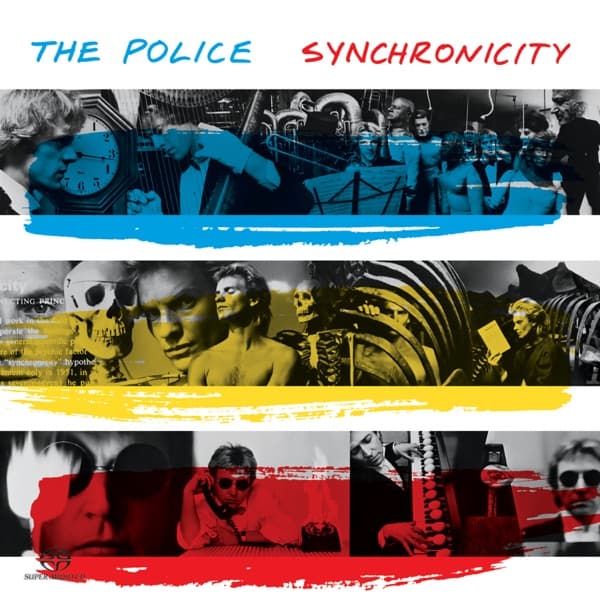
Synchronicity by The Police — album cover art

Synchronicity by The Police (1983)

The Police's final masterpiece features striped portraits that weren't supposed to match but created an accidental optical illusion. Each band member was photographed separately, yet the lines align perfectly when placed together - a visual metaphor for synchronicity itself.

Label
A&M Records
Designer
Norman Moore
Photographer
Duane Michals
Genre
Rock, Pop
Decade
1980s
Read the full story →
Rio by Duran Duran — album cover art

Rio by Duran Duran (1982)

Patrick Nagel's striking illustration of model Marielle Gomar became one of the 1980s most recognizable album covers, featuring bold geometric shapes and vivid colors that perfectly captured MTV's new aesthetic. The artwork was created as an illustration, not a photograph, using Nagel's signature airbrush technique.

Label
EMI
Designer
Malcolm Garrett
Photographer
Patrick Nagel
Genre
Pop, Rock
Decade
1980s
Read the full story →
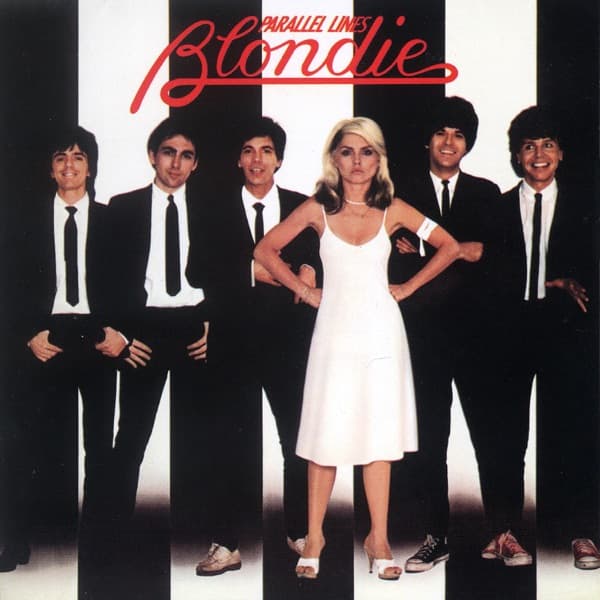
Parallel Lines by Blondie — album cover art

Parallel Lines by Blondie (1978)

The iconic black-and-white photograph of Blondie in matching outfits against a stark white wall became one of new wave's defining images. Shot by fashion photographer Edo Bertoglio, it perfectly captured the band's blend of punk attitude and pop sophistication.

Label
Chrysalis Records
Designer
Ramey Communications
Photographer
Edo Bertoglio
Genre
Rock, Pop, Punk
Decade
1970s
Read the full story →
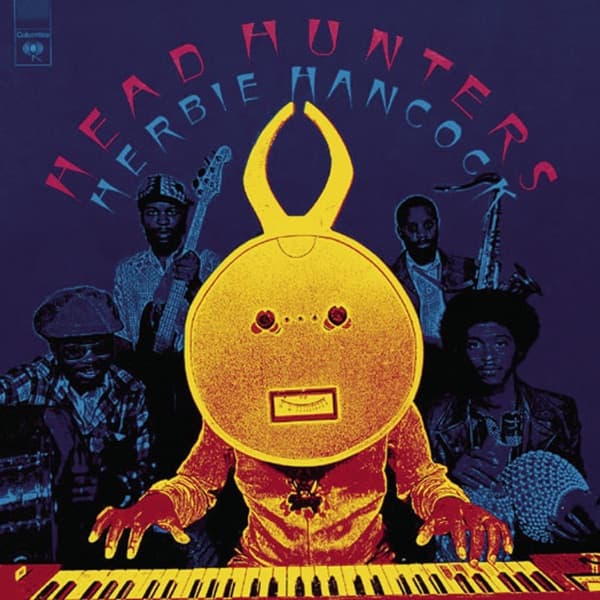
Head Hunters by Herbie Hancock — album cover art

Head Hunters by Herbie Hancock (1973)

Psychedelic poster artist Victor Moscoso created this mind-bending tribal mask design using his signature vibrating color technique, making it one of the most visually arresting jazz album covers ever produced and helping Herbie Hancock cross over to funk audiences.

Label
Columbia Records
Designer
Victor Moscoso
Genre
Jazz, Funk
Decade
1970s
Read the full story →
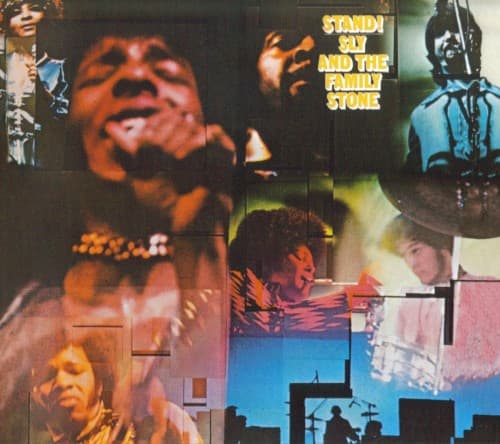
Stand! by Sly and the Family Stone — album cover art

Stand! by Sly and the Family Stone (1969)

The explosive red-orange burst radiating from the center creates one of funk's most dynamic covers, perfectly matching the revolutionary energy of Sly Stone's music. The simple yet powerful design became a template for psychedelic soul artwork.

Label
Epic Records
Genre
Funk, Soul, Rock
Decade
1960s
Read the full story →

Related design themes