monochrome

25 cover stories in our archive

Behind the Covers' archive includes 25 album covers documented under the "monochrome" design theme, spanning the 1960s, 1970s, 1980s, 1990s, 2000s, 2010s, 2020s. These covers sit within the indie, alternative, folk, rock, hip-hop, pop, country, electronic, metal, soul, funk, r&b tradition and feature work by Taylor Swift, David Bowie, Danny Brown, Beach House and others. Each entry below includes the cover artwork, the designers and photographers behind it, and a short story about the visual choices that defined the release.

folklore by Taylor Swift — album cover art

folklore by Taylor Swift (2020)

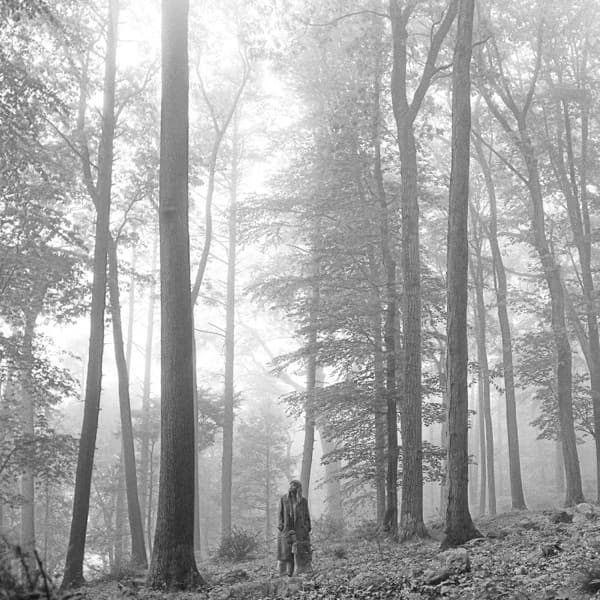
In July 2020, with the world shut down, Taylor Swift vanished into a friend's woods with one photographer, no crew, and nightgowns ordered online. The black-and-white image she came back with shows her almost lost among the trees, a tiny pioneer figure swallowed by fog. The cover for folklore is a story about scale, solitude, and making art with whatever you have.

Label
Republic Records
Photographer
Beth Garrabrant
Genre
Indie, Alternative, Folk
Decade
2020s
Read the full story →
Blackstar by David Bowie — album cover art

Blackstar by David Bowie (2016)

David Bowie's final album cover shows no face, only a solid black star and a row of broken fragments. Designer Jonathan Barnbrook built it around mortality, hidden fields of stars, and a secret spelled out beneath the symbol. Bowie died two days after its release.

Label
ISO / Columbia / Sony
Designer
Jonathan Barnbrook
Photographer
Jimmy King
Genre
Rock
Decade
2010s
Read the full story →
Atrocity Exhibition by Danny Brown — album cover art

Atrocity Exhibition by Danny Brown (2016)

Danny Brown's Atrocity Exhibition features stark, industrial artwork that mirrors the album's chaotic hip-hop experimentalism. The cover's brutalist aesthetic perfectly captures the Detroit rapper's descent into addiction and mental fragmentation.

Label
Warp Records
Genre
Hip-Hop
Decade
2010s
Read the full story →
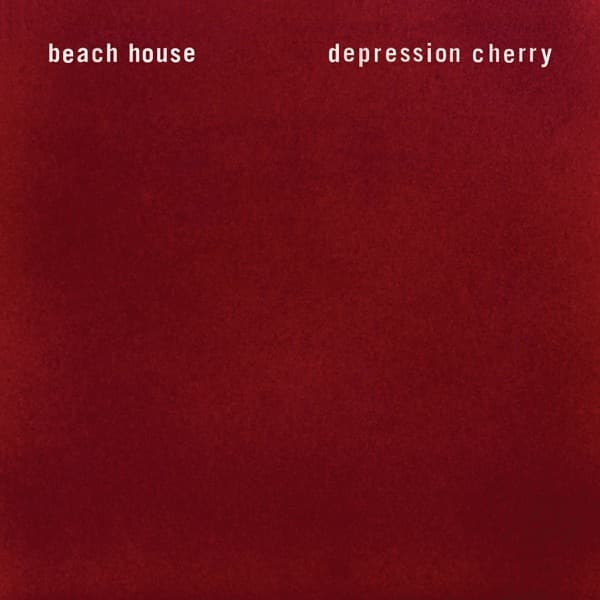
Depression Cherry by Beach House — album cover art

Depression Cherry by Beach House (2015)

Beach House wrapped their 2015 album in a cover you were supposed to feel, not scroll past: a sleeve lined with red velvet, soft to the touch, an object built to resist the frictionless swipe of the internet. The image is almost nothing but deep red and two lines of quiet lowercase type. Here is why that emptiness is the whole point.

Label
Sub Pop
Genre
Pop
Decade
2010s
Read the full story →
Whatever People Say I Am, That's What I'm Not by Arctic Monkeys — album cover art

Whatever People Say I Am, That's What I'm Not by Arctic Monkeys (2006)

The cover features a blurry, candid photo of Arctic Monkeys' friend Chris McClure smoking in a nightclub, captured during their early Sheffield club days. This lo-fi snapshot perfectly embodied the band's working-class authenticity and DIY aesthetic.

Label
Domino Recording Company
Genre
Indie, Rock, Alternative
Decade
2000s
Read the full story →
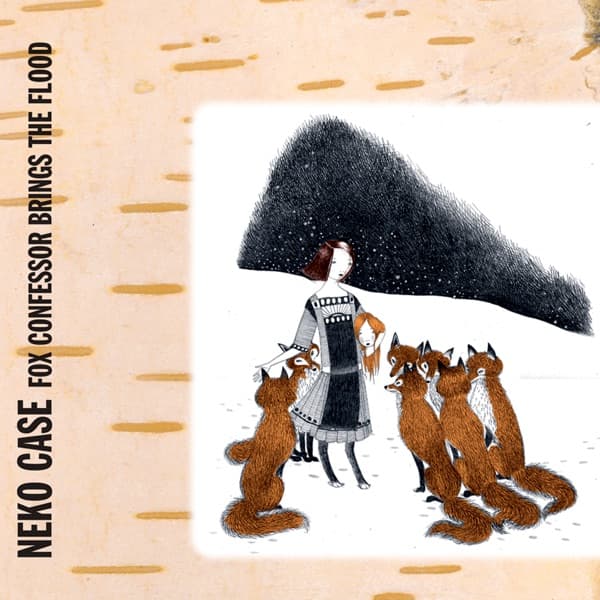
Fox Confessor Brings the Flood by Neko Case — album cover art

Fox Confessor Brings the Flood by Neko Case (2006)

Neko Case shot this haunting self-portrait in her own bathroom, creating one of indie rock's most striking covers with just natural light and a vintage Polaroid camera. The intimate DIY approach perfectly captured the album's themes of vulnerability and transformation.

Label
Anti-
Designer
Neko Case
Photographer
Neko Case
Genre
Alternative, Indie, Folk
Decade
2000s
Read the full story →
Transatlanticism by Death Cab for Cutie — album cover art

Transatlanticism by Death Cab for Cutie (2003)

The stark white cover of Death Cab for Cutie's breakthrough album features only minimalist typography, rejecting the era's typical indie rock aesthetic. This bold simplicity perfectly captured the album's themes of distance and isolation.

Label
Barsuk Records
Genre
Indie, Alternative
Decade
2000s
Read the full story →
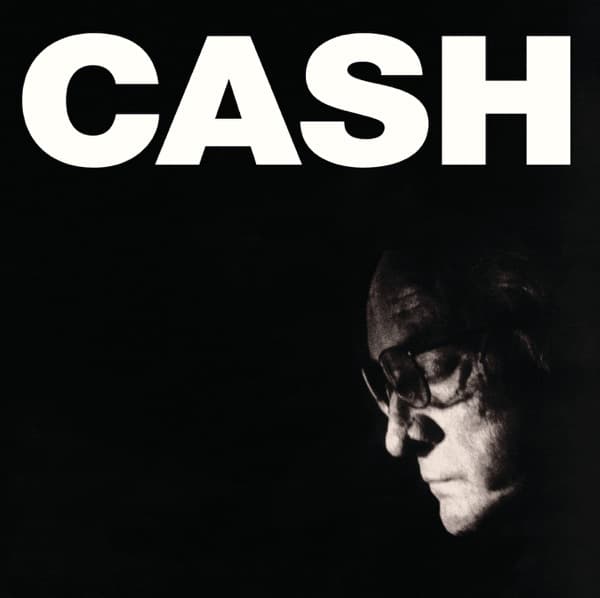
American IV: The Man Comes Around by Johnny Cash — album cover art

American IV: The Man Comes Around by Johnny Cash (2002)

Half a face rises out of darkness beneath four towering white letters: CASH. It was the last album Johnny Cash released while alive, a record haunted by failing sight and closing time, its cover as stripped-down as the music inside.

Label
American Recordings
Designer
Christine Cano
Photographer
Martyn Atkins
Genre
Country, Folk
Decade
2000s
Read the full story →
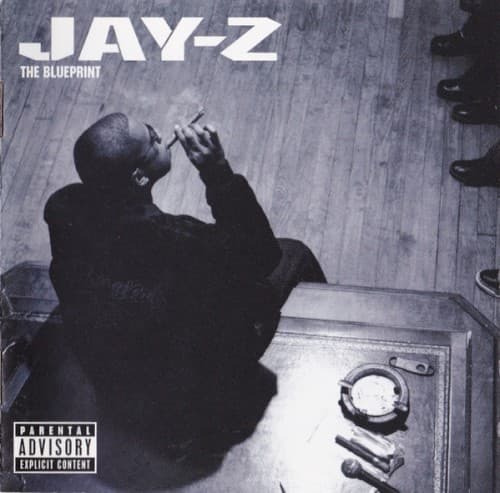
The Blueprint by Jay-Z — album cover art

The Blueprint by Jay-Z (2001)

Jay-Z's Blueprint cover features a minimalist architectural drawing that became one of hip-hop's most iconic designs. The stark blue-on-white technical diagram perfectly matched the album's title while establishing a new standard for sophisticated rap album artwork.

Label
Roc-A-Fella Records
Designer
Uncredited
Genre
Hip-Hop
Decade
2000s
Read the full story →
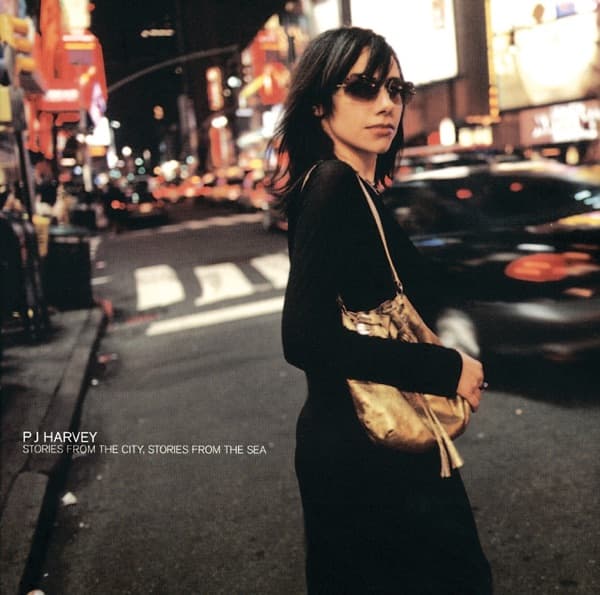
Stories from the City, Stories from the Sea by PJ Harvey — album cover art

Stories from the City, Stories from the Sea by PJ Harvey (2000)

PJ Harvey's Mercury Prize-winning album features a haunting black-and-white portrait that captures the duality of urban grit and oceanic mystery. Photographer Seamus Murphy created an image that perfectly embodied Harvey's artistic transformation.

Label
Island Records
Photographer
Seamus Murphy
Genre
Alternative, Rock
Decade
2000s
Read the full story →
Portishead by Portishead — album cover art

Portishead by Portishead (1997)

A small girl in a white dress stands alone on a pedestal while a giant faceless suit looms in the foreground, both branded with a single letter P. Portishead's 1997 self-titled album froze a frame from the 'All Mine' video into the most austere sleeve the band ever released, and the mysterious P logo began as an old Phillips badge.

Label
Go! Beat
Designer
Marc Bessant
Genre
Electronic
Decade
1990s
Read the full story →
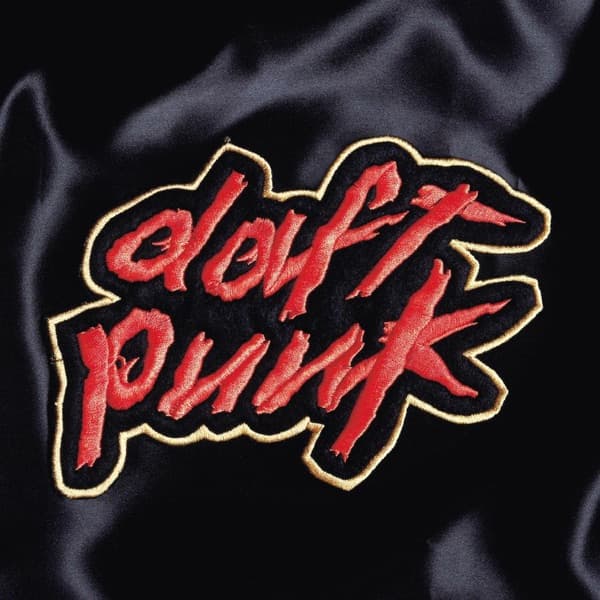
Homework by Daft Punk — album cover art

Homework by Daft Punk (1997)

The iconic silver robot head that launched Daft Punk's visual identity was actually created by unknown designers credited only as "Alex and Martin." This minimalist chrome dome became the template for electronic music's most recognizable brand.

Label
Virgin Records
Designer
Alex and Martin
Genre
Electronic
Decade
1990s
Read the full story →
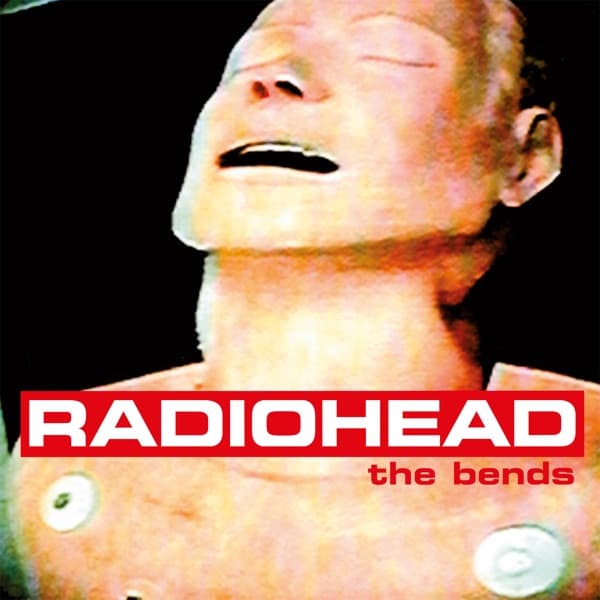
The Bends by Radiohead — album cover art

The Bends by Radiohead (1995)

Stanley Donwood's haunting medical dummy became Radiohead's visual identity by accident - the art student turned a college project into one of the 90s most unsettling album covers using photocopiers and anxiety.

Label
Parlophone
Designer
Stanley Donwood
Genre
Alternative, Rock
Decade
1990s
Read the full story →
Debut by Björk — album cover art

Debut by Björk (1993)

A young woman leaving her band behind, pressing her hands together over her mouth as if holding in a secret or a prayer. Björk's Debut announces its title with a single unguarded face. Here is how Jean-Baptiste Mondino's portrait and Me Company's design framed a new beginning.

Label
One Little Indian
Designer
Me Company
Photographer
Jean-Baptiste Mondino
Genre
Pop, Electronic
Decade
1990s
Read the full story →
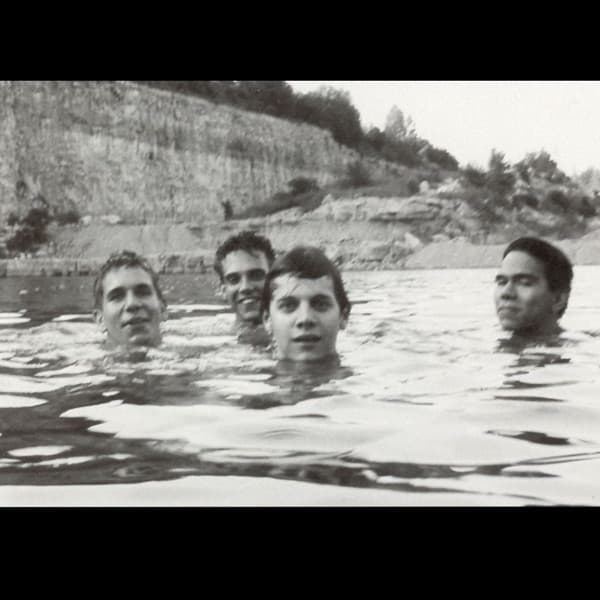
Spiderland by Slint — album cover art

Spiderland by Slint (1991)

The haunting cover of Slint's masterpiece was shot by musician Will Oldham at a local quarry, featuring the band members floating eerily in murky water. The image perfectly captures the album's unsettling atmosphere and became one of indie rock's most mysterious covers.

Label
Touch and Go Records
Designer
Uncredited
Photographer
Will Oldham
Genre
Alternative, Rock, Indie
Decade
1990s
Read the full story →
Surfer Rosa by Pixies — album cover art

Surfer Rosa by Pixies (1988)

A topless flamenco dancer stands against a peeling wall hung with a crucifix and a torn poster for a Spanish film—an image born in a 'topless Spanish bar' and 'loaded with Catholicism.' This is the cover that helped launch a band, fed Kurt Cobain's blueprint for Nevermind, and now sits in the V&A.

Label
4AD
Designer
Vaughan Oliver
Photographer
Simon Larbalestier
Genre
Alternative, Rock, Indie
Decade
1980s
Read the full story →
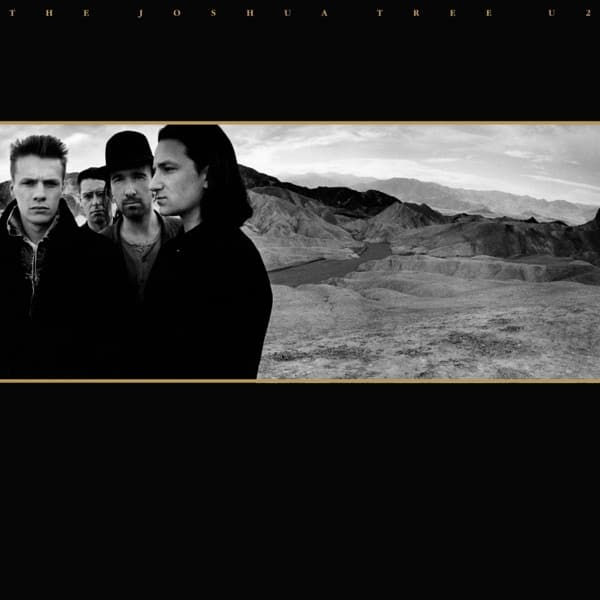
The Joshua Tree by U2 — album cover art

The Joshua Tree by U2 (1987)

Four men stand grim against an endless Death Valley horizon, coats off in freezing cold so it would look hot. The story of U2's 1987 desert journey involves a working title called 'The Two Americas,' a lone tree found in 20 minutes, and a band picture that sent fans on pilgrimages still happening today.

Label
Island Records
Designer
Steve Averill
Photographer
Anton Corbijn
Genre
Rock, Alternative
Decade
1980s
Read the full story →
Master of Puppets by Metallica — album cover art

Master of Puppets by Metallica (1986)

The haunting cemetery scene that graces Metallica's thrash masterpiece was shot at dawn in a San Francisco Bay Area graveyard, with designer Don Brautigam creating one of metal's most iconic images of control and manipulation through meticulous attention to the puppet strings stretching across endless white crosses.

Label
Elektra Records
Designer
Don Brautigam
Genre
Metal
Decade
1980s
Read the full story →
Fear of Music by Talking Heads — album cover art

Fear of Music by Talking Heads (1979)

David Byrne created this stark, unsettling cover by photocopying his own face repeatedly until the image degraded into a haunting, pixelated portrait that perfectly captured the album's paranoid themes.

Label
Sire Records
Designer
David Byrne
Genre
Rock, Alternative
Decade
1970s
Read the full story →
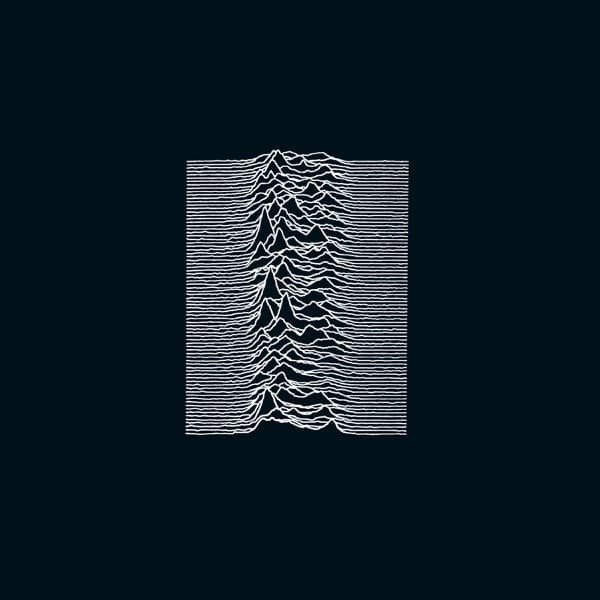
Unknown Pleasures by Joy Division — album cover art

Unknown Pleasures by Joy Division (1979)

A blizzard of white lines on a black field, this 1979 debut carries no band name, no title, nothing. The shape is actually a stack of radio pulses from the first pulsar ever found, and the man who plotted them had no idea his data had become one of rock's most copied images.

Label
Factory Records
Designer
Peter Saville
Genre
Alternative, Rock
Decade
1970s
Read the full story →
Trans-Europe Express by Kraftwerk — album cover art

Trans-Europe Express by Kraftwerk (1977)

Kraftwerk turned a railway emblem into a swooping white bird against pure black, the TEE roundel resting where a heart might be. Behind the calm logo lies a scrapped mirror concept, two cities' worth of mannequin portraits, and a title track that would later power 'Planet Rock.'

Label
Kling Klang
Designer
Emil Schult
Photographer
Maurice Seymour
Genre
Electronic
Decade
1970s
Read the full story →
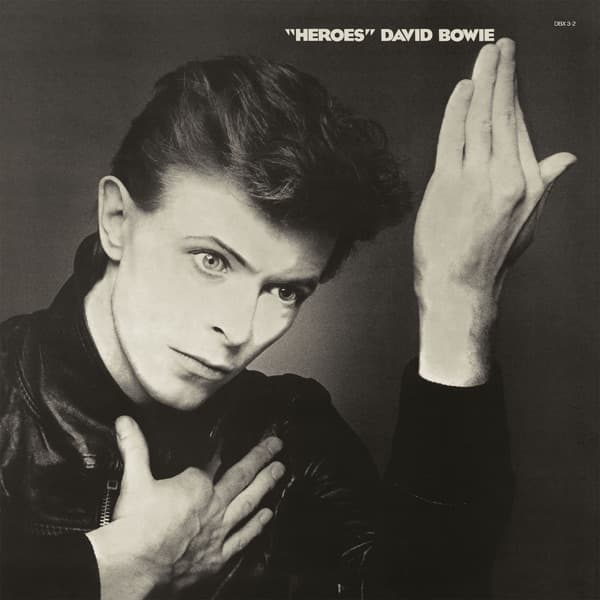
"Heroes" by David Bowie — album cover art

"Heroes" by David Bowie (1977)

A borrowed Tokyo studio, no time to plan, and a pose lifted from a German Expressionist painting: how a single frame shot by Masayoshi Sukita in April 1977 became David Bowie's "Heroes" sleeve, a face that still looms half a century on.

Label
RCA Records
Photographer
Masayoshi Sukita
Genre
Rock, Pop
Decade
1970s
Read the full story →
Superfly by Curtis Mayfield — album cover art

Superfly by Curtis Mayfield (1972)

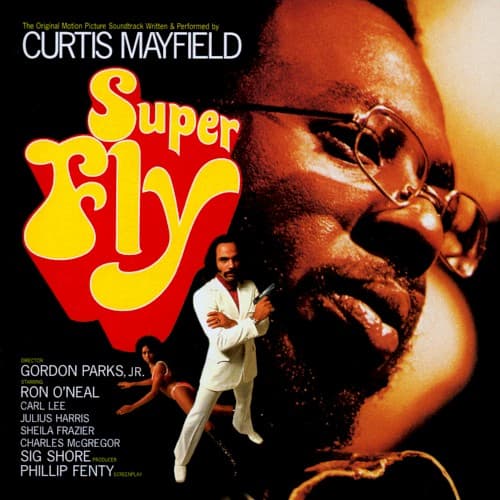
Curtis Mayfield's blaxploitation soundtrack cover became as iconic as the film itself, featuring stark typography and street-level imagery that perfectly captured the gritty urban world of early 1970s cinema.

Label
Curtom Records
Genre
Soul, Funk, R&B
Decade
1970s
Read the full story →
The Band by The Band — album cover art

The Band by The Band (1969)

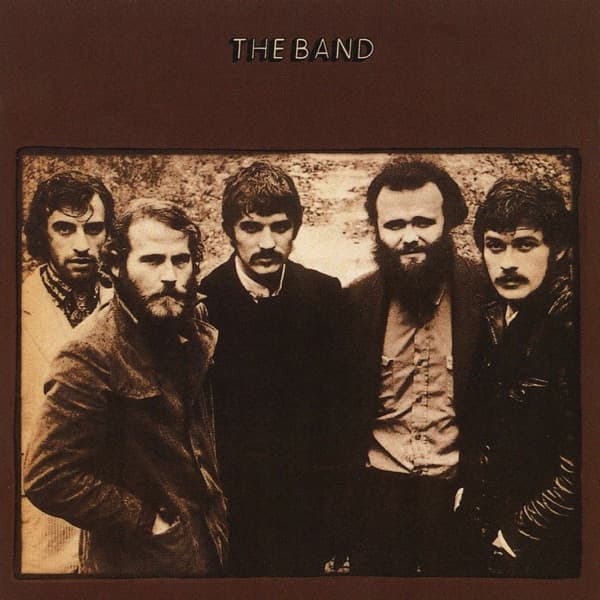
Five bearded men stare out from a sepia haze, dressed like figures from a century they never lived in. Elliott Landy's portrait made The Band look like ghosts of American folklore, and for a while it was the only picture the public had of them.

Label
Capitol Records
Designer
Bob Cato
Photographer
Elliott Landy
Genre
Rock, Country
Decade
1960s
Read the full story →
The White Album by The Beatles — album cover art

The White Album by The Beatles (1968)

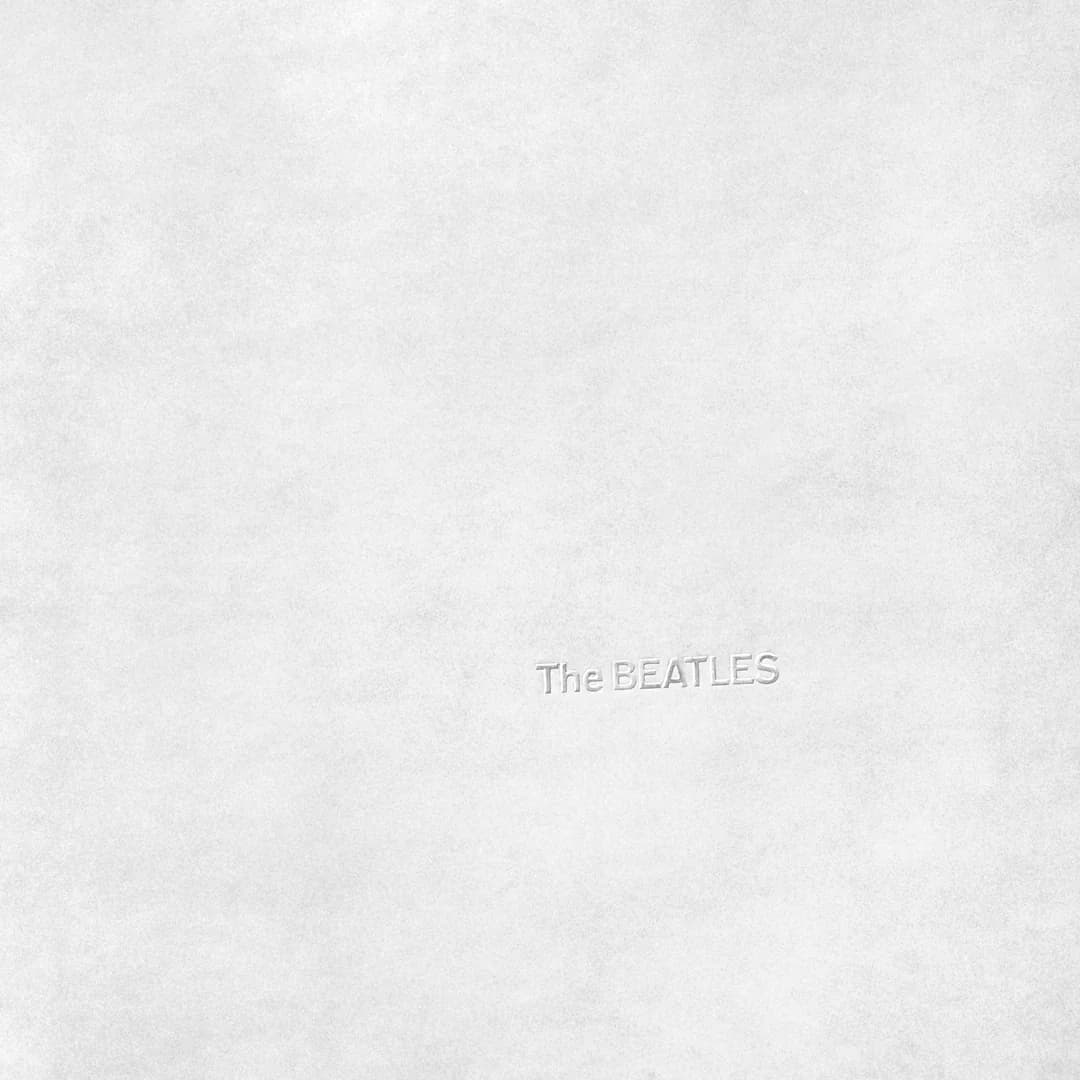
In 1968 the world's biggest band handed record buyers a sleeve that looked like nothing at all: pure white, a whisper of embossed type, a serial number in the corner. Richard Hamilton's blank canvas was the deliberate anti-Sgt. Pepper, and it accidentally rechristened the album forever.

Label
Apple Records
Designer
Richard Hamilton
Genre
Rock
Decade
1960s
Read the full story →

Related design themes