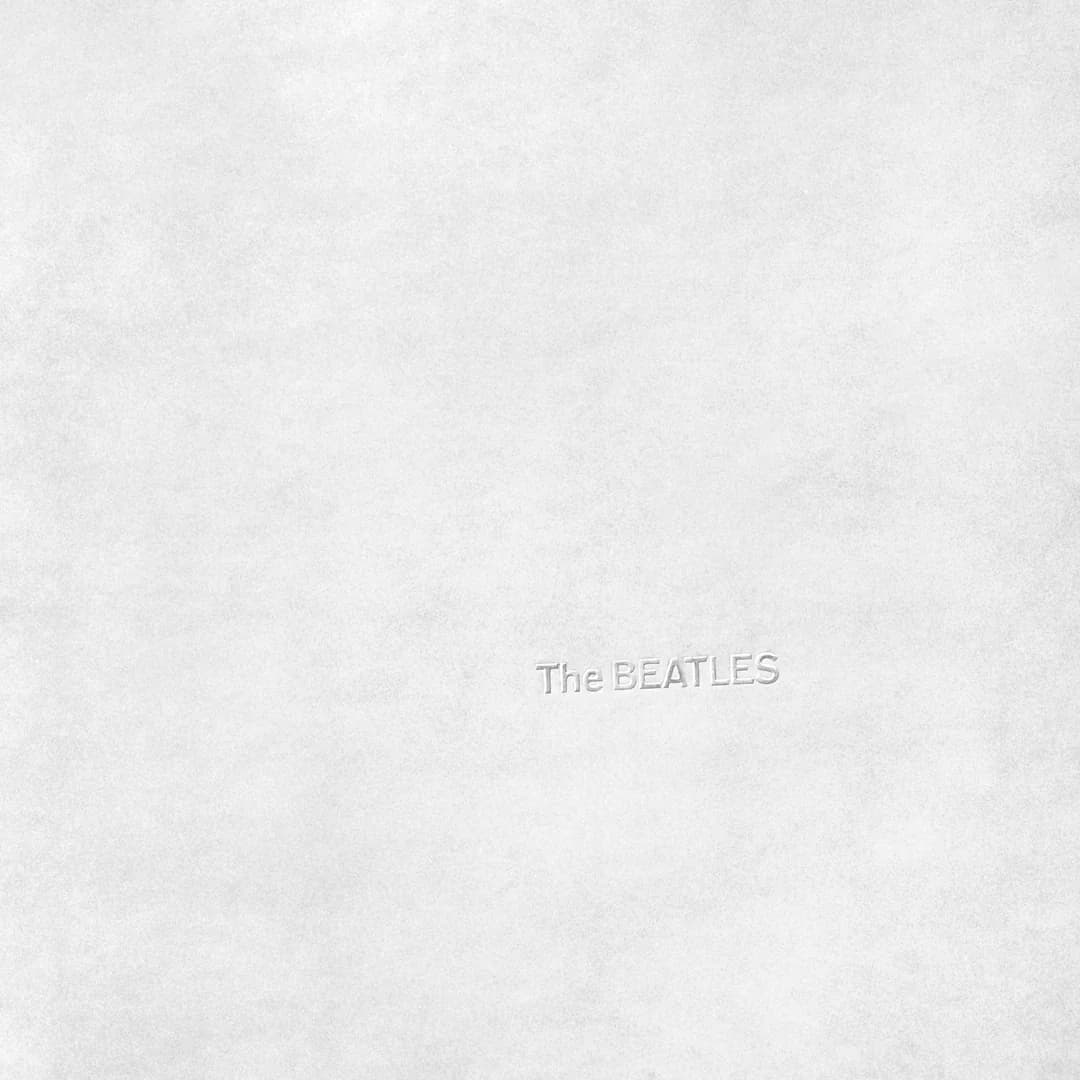
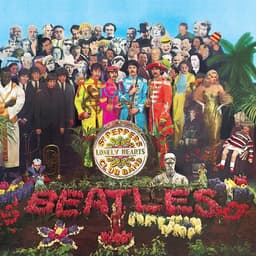
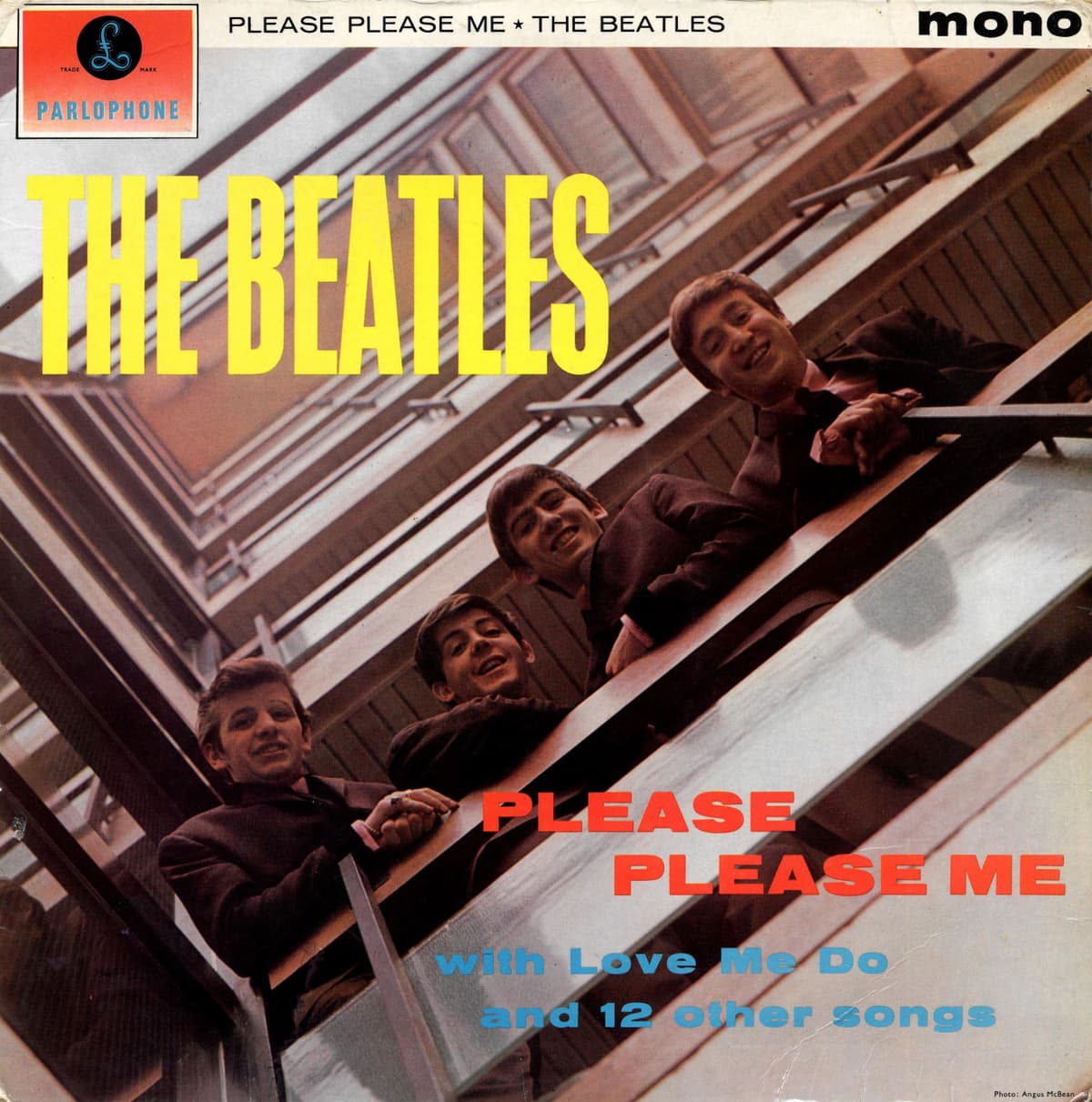
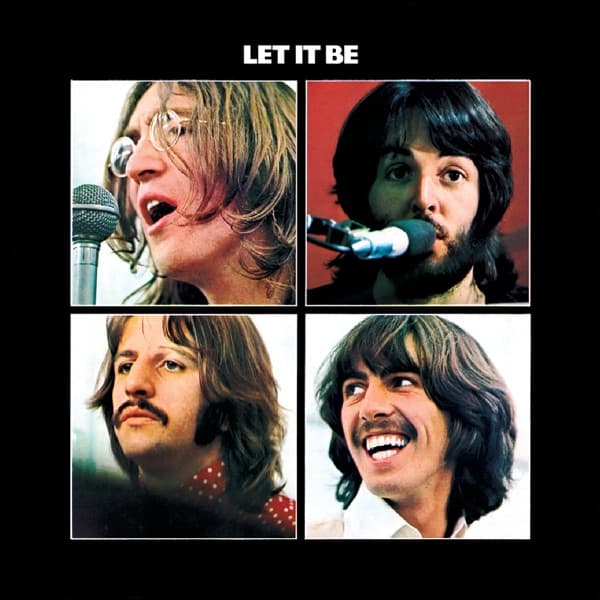
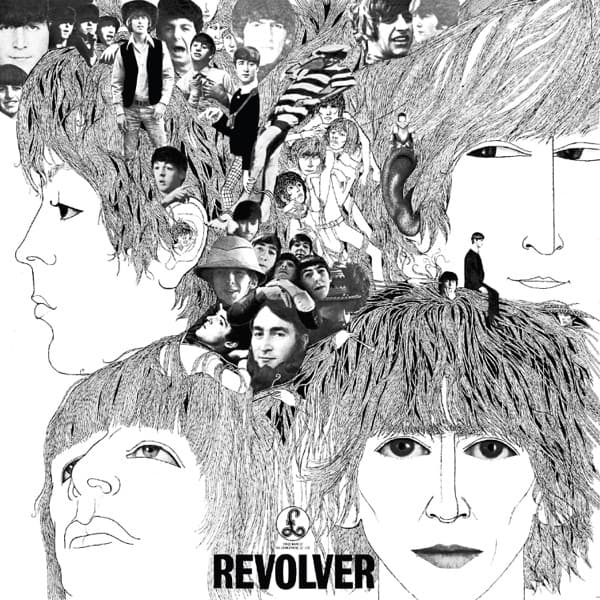
The man behind the void was Richard Hamilton, the British Pop-art pioneer. Paul McCartney brought him in, and the connection came through the art dealer Robert Fraser, the same figure who had recommended Peter Blake and Jann Haworth for the crowded, teeming collage of Sgt. Pepper's Lonely Hearts Club Band. Where that earlier sleeve had been an explosion of faces, uniforms and color, Hamilton went the other direction entirely. As Andrew Wilson, senior curator of modern and contemporary art at Tate Britain, has characterized the decision, Hamilton's reaction was to do "the complete opposite but also apparently the complete minimum" — to hand the biggest band in the world a jacket that was simply white.
Hamilton added one deliberate twist to the emptiness. He suggested making the front behave like a small-press limited edition, with each copy individually numbered, as if every buyer held a print from a short artist's run. He relished the reversal: an edition of five million, numbered as though it were fifty.
Getting that past the record company was not automatic — though the fight was not the one usually assumed. EMI's resistance was practical rather than aesthetic. The designer Gordon House, who managed production for the sleeve, took two requests into an EMI production meeting: thicker white board than standard, and individual numbering for every copy. He was refused outright after a heated discussion. McCartney, told of the rebuff, went over their heads — a round of phone calls and a telegram to EMI's chairman, after which the same executives reappeared asking what was needed. McCartney's own argument for the numbering was blunt engineering: if a milometer can turn over, a production line can do the same to a record sleeve. The embossing caused its own headache, raising the surface enough that a standard hundred-album pack would no longer hold a hundred.
The restraint on the outside made room for indulgence inside. The package held a fold-out poster carrying Hamilton's photo montage on one side, with the album's lyrics printed on the reverse. The collage impulse was not abandoned, simply hidden, folded away where only the buyer who opened the sleeve would find it. McCartney spent days at Hamilton's Highgate studio helping assemble it from childhood snapshots and family photographs the band had dug out of drawers, plus recent images by Linda Eastman — including the bathtub shot that gave the press its only story. McCartney later described watching Hamilton finish the montage by laying strategic pieces of white paper over it, opening up negative space so the image could breathe.
For all its cultural weight, the money involved was almost comic. Hamilton said he was paid around £200 for both the cover concept and the poster — the same figure Blake and Haworth had received for Sgt. Pepper a year earlier, and worth somewhere north of £3,000 in today's terms. His verdict: "I thought that was a bit mean."
One footnote worth keeping honest. In a 1991 fanzine interview, the photographer John Kelly, who shot the four portraits included with the album, claimed that the white concept and the numbering had been his ideas rather than Hamilton's. The claim is not widely corroborated and the credit has long since settled on Hamilton, but it sits in the record.
The Beatles was released on 22 November 1968 on Apple Records, officially titled with nothing more than the band's name.