Blue Note: The Design Language of Modern Jazz
Two-color printing, bold type, and a house photographer: how a jazz label built the most recognizable design system in records.
By Brett Cassidy2 min readUpdated
No label has a more coherent visual identity than Blue Note in its 1950s–60s heyday. The combination of Francis Wolff's session photography and Reid Miles's typographic design produced hundreds of covers that are unmistakably from the same house, even as the music ranged from hard bop to the avant-garde.
This guide breaks down the system — the photography, the typography, and the constraints of cheap printing that the designers turned into a style — and why it remains a reference point for designers far outside jazz.
Francis Wolff's photographs
Wolff, a co-founder of the label, photographed the actual recording sessions. His black-and-white images of musicians at work — caught in concentration, lit dramatically — gave the covers documentary authority and a consistent emotional register. They weren't publicity shots; they were the music being made.
Reid Miles and the typography
Designer Reid Miles built the covers around bold sans-serif type, tight cropping, restrained color, and dramatic use of white space. Working with limited two- and three-color printing budgets, he treated type as image — oversized, rotated, repeated — and made constraint look like confidence.
Miles famously wasn't a jazz fan, which is part of the point: the design was a formal system, not an illustration of the music, and it held together across an enormous catalog.
Why it still matters
The Blue Note look is endlessly revived because it solves a hard problem cleanly: how to make a large body of work feel unified without becoming monotonous. Its influence is visible across reissue culture, graphic design education, and any brand reaching for mid-century cool.
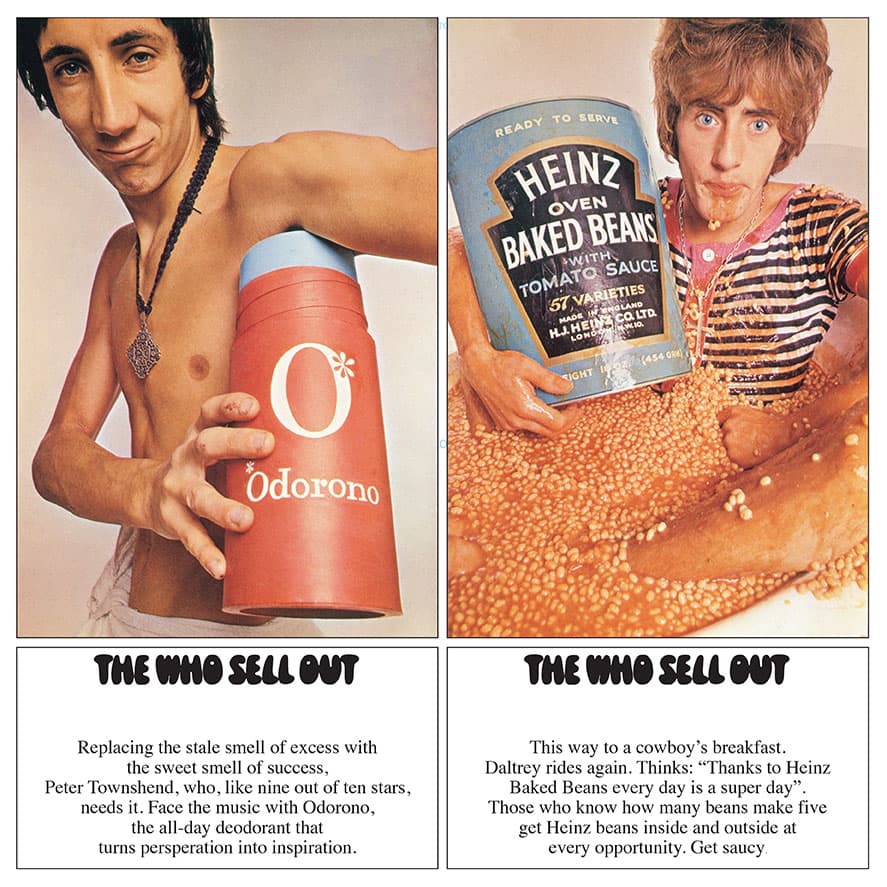
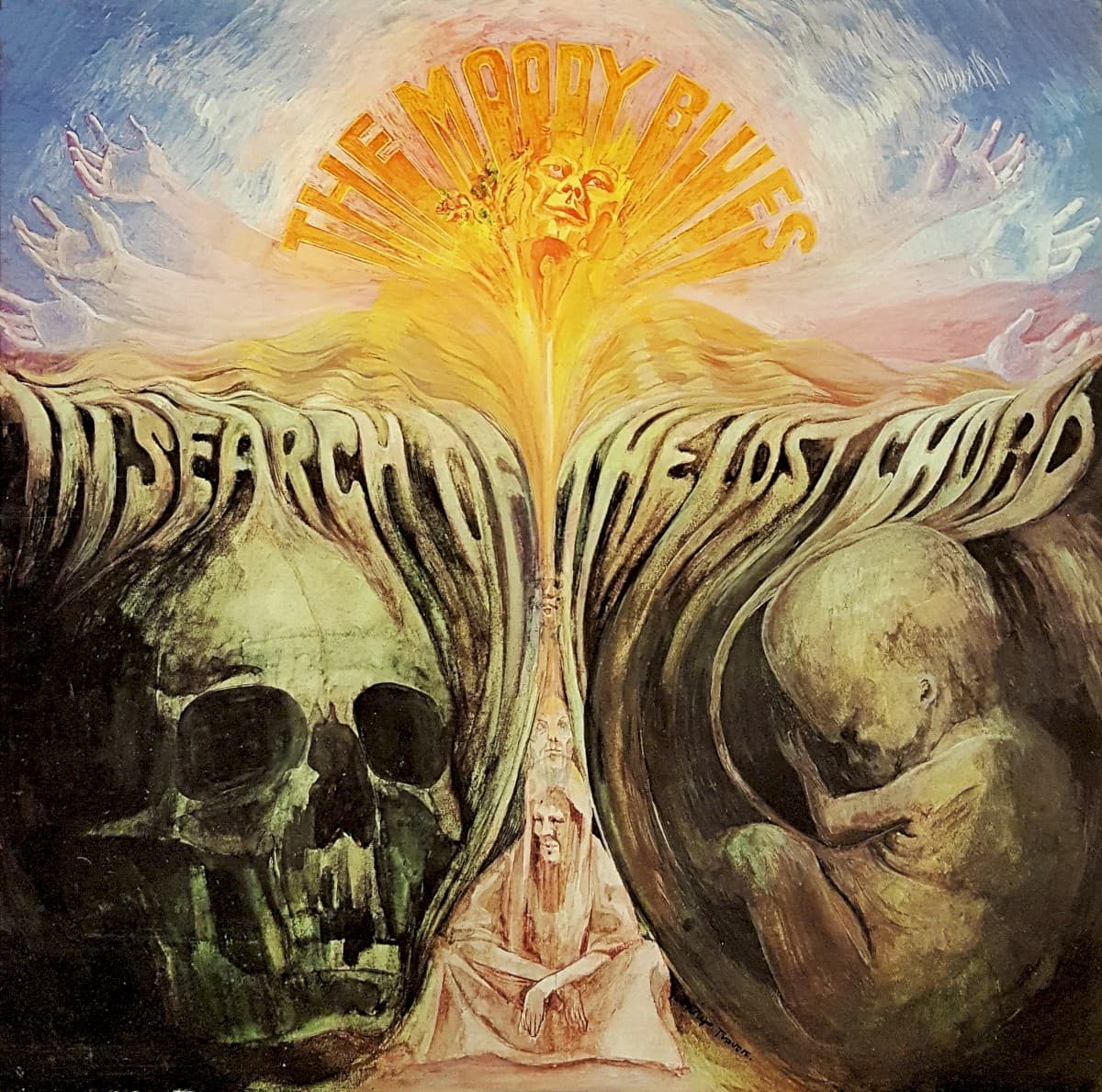
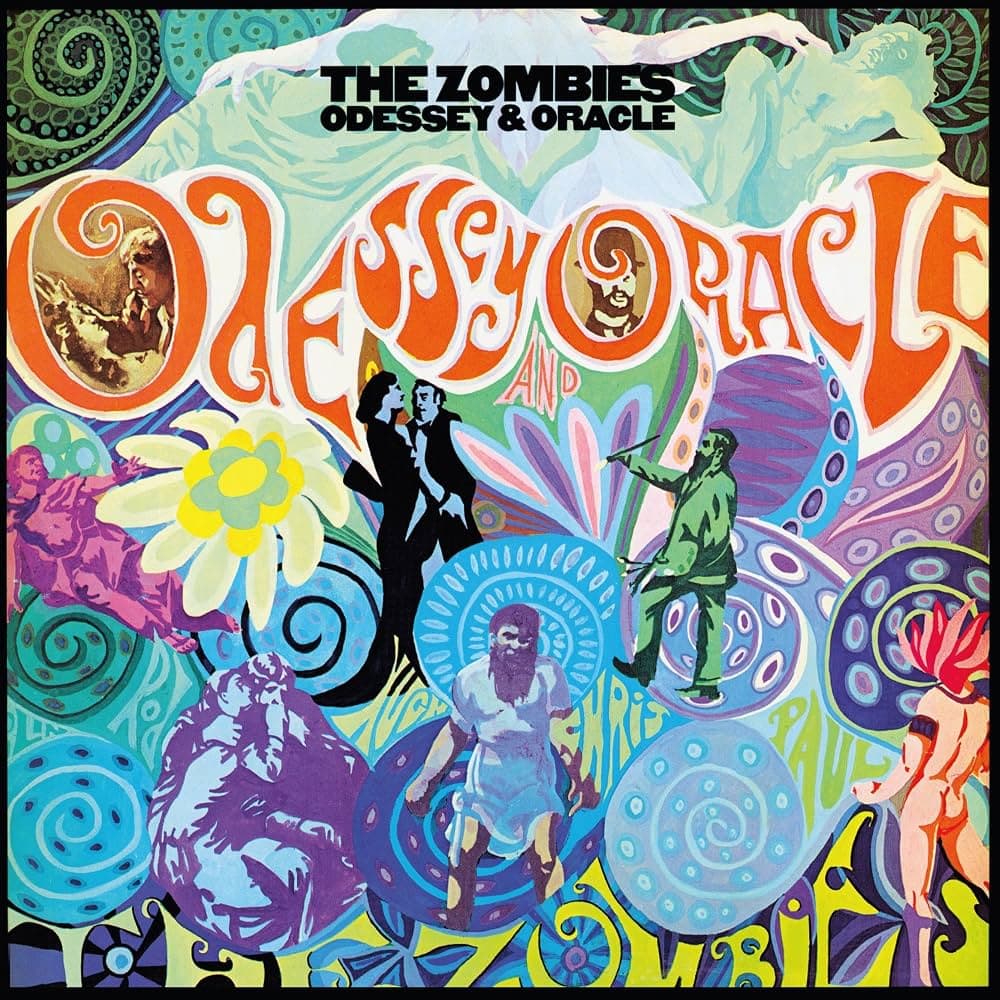
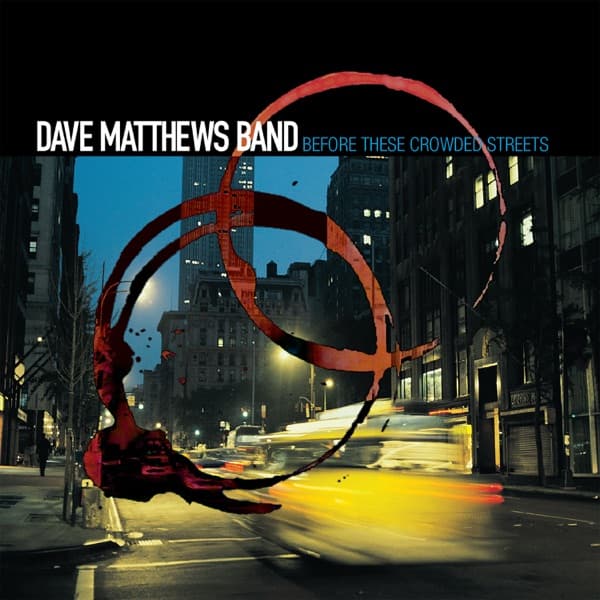
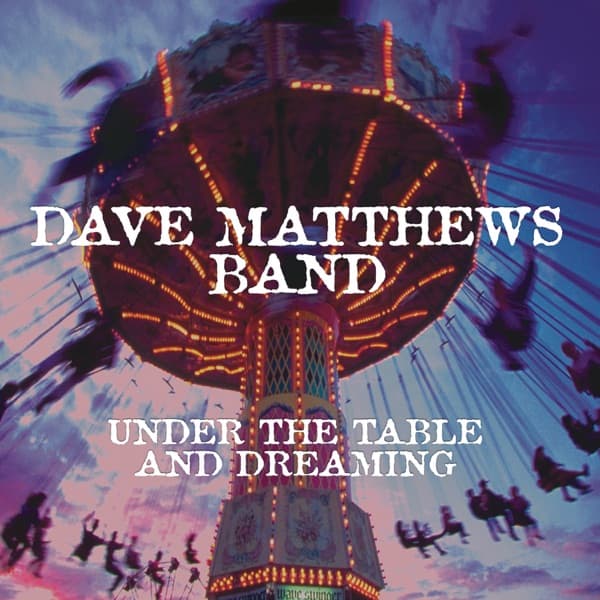
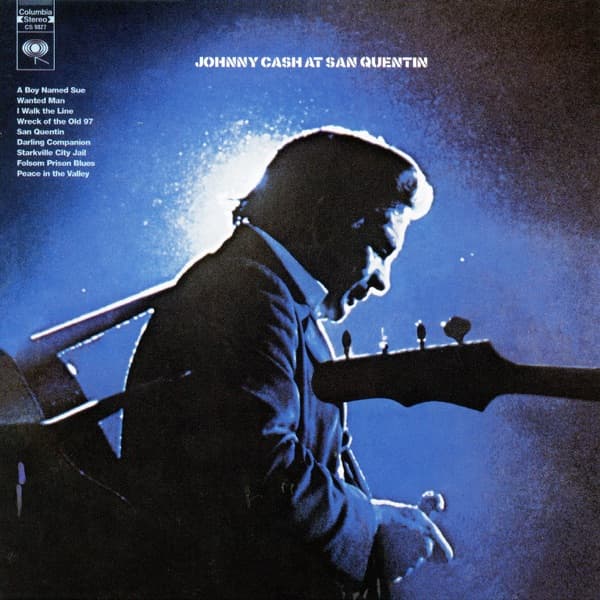
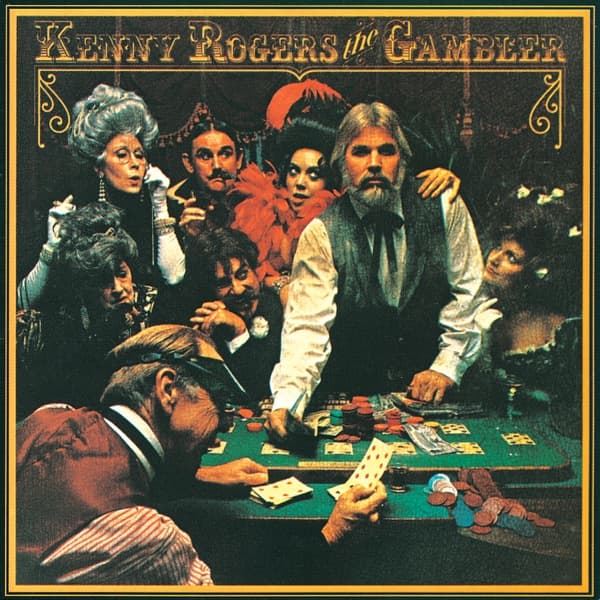
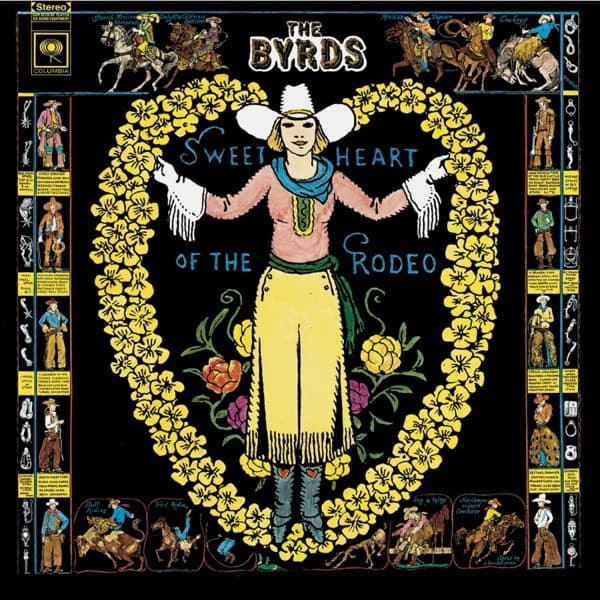
Album covers featured in this guide
Read the full story behind each cover in the archive.


Keep exploring
Sources & further reading
- The Cover Art of Blue Note Records — Graham Marsh & Glyn Callingham
- Blue Note: Album Cover Art — Graham Marsh
- Reid Miles design profiles — AIGA / Eye Magazine
Read more about how we research and source these guides.