A History of Album Cover Art
From plain brown sleeves to a billion-dollar design medium: how the record cover became a canvas.
By Brett Cassidy2 min readUpdated
Album covers did not always exist. For decades records came in plain paper or generic stock sleeves, and the idea that a cover might sell the music — or be art in its own right — had to be invented. This guide traces that invention across the eras, from the first illustrated sleeves to the thumbnail-sized artwork of the streaming age.
Each era added a tool and a question. Photography asked what a cover could capture; the gatefold asked how much space a record deserved; the CD jewel case and then the streaming thumbnail asked how small an image could get and still mean something.
The invention of the cover (1940s–1950s)
The commercial album cover is usually traced to Alex Steinweiss, who in the late 1930s and 1940s argued that a designed sleeve would sell more records than blank board — and was proved right. The 12-inch LP, arriving in 1948, gave designers a generous square canvas, and labels quickly learned that art on the front was a sales tool.
By the 1950s, jazz labels in particular treated the sleeve as a place for serious design, setting a standard that the rest of the industry would chase.
The golden age (1960s–1970s)
Rock and the concept album turned the cover into a statement. Gatefolds, die-cuts, posters, and elaborate inner sleeves became normal, and studios like Hipgnosis built careers on surreal, photographic covers that were as discussed as the music. This is the period most people picture when they think 'album art'.
It was also when the designer's name began to matter — art directors and photographers became recognizable authors, not anonymous staff.
Compression and revival (1980s–today)
The CD shrank the canvas to a 4.75-inch jewel case and then digital shrank it again to a thumbnail, forcing a more graphic, legible style that reads at any size. At the same time, the vinyl revival kept the 12-inch sleeve alive as a deluxe, collectible object.
Today an album's artwork has to work as a tiny streaming icon, a social avatar, and a large-format print all at once — arguably the hardest brief in the medium's history.
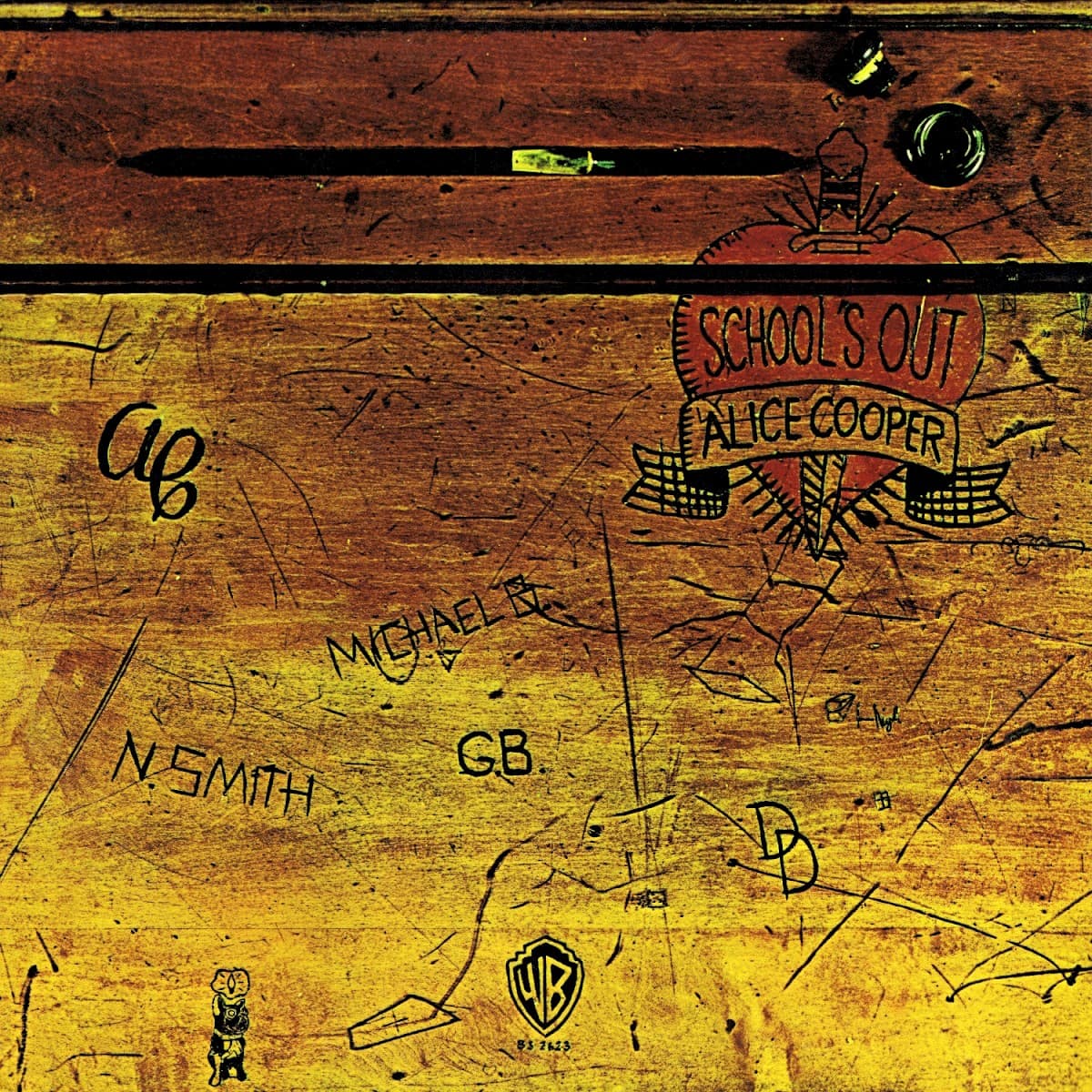
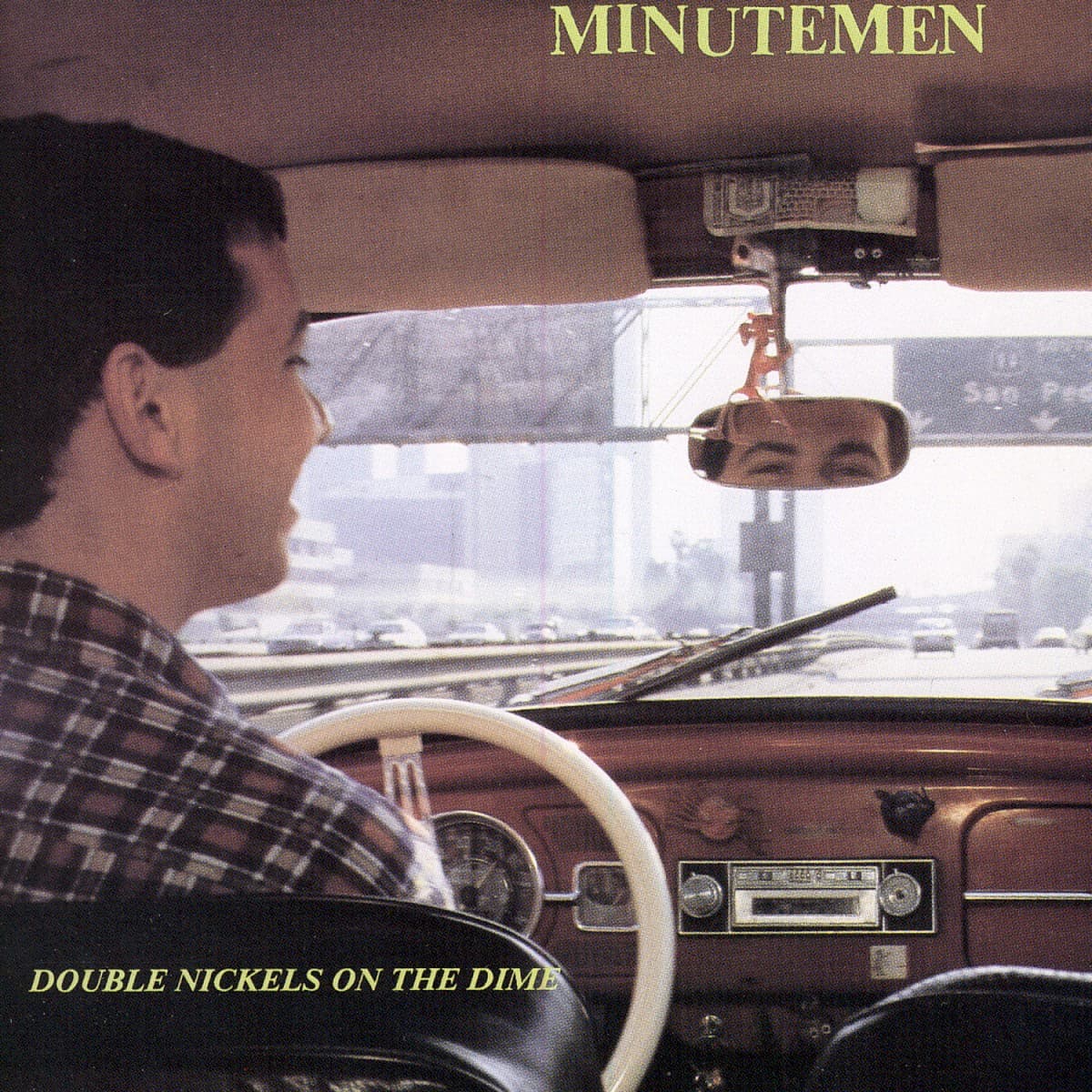
Album covers featured in this guide
Read the full story behind each cover in the archive.










Keep exploring
Sources & further reading
- For the Record: The Life and Work of Alex Steinweiss — Steven Heller / Taschen
- The Cover Art of Blue Note Records — Graham Marsh & Glyn Callingham
- Album cover history overview — The Museum of Modern Art (MoMA)
Read more about how we research and source these guides.