Album Cover Photography: The Single Image That Defines a Record
The portrait, the concept, the decisive moment: how photographers turned one frame into an album's whole identity.
By Brett Cassidy2 min readUpdated
When a cover is a photograph, a single frame has to do an enormous amount of work — establish a mood, fix an identity, and stay interesting for years. This guide looks at the main modes photographers work in on album covers and why the best music photography is closer to authorship than illustration.
Album photographers are often under-credited relative to designers and musicians; part of the aim here is to take their contribution seriously as the thing that makes many covers iconic.
The portrait
The straight portrait is deceptively hard: it has to capture not a likeness but a stance — how the artist wants to be understood. The covers that endure usually have a photographer who got something true and a little unguarded, rather than a flattering publicity shot.
The staged concept
Other covers build an entire scene for the camera — surreal, narrative, or symbolic. This is the Hipgnosis tradition of photographing the impossible, where the labor of staging something real gives the image its uncanny conviction. It treats the camera as a way to make an idea literal.
The documentary frame
A third mode borrows from photojournalism: a real, unstaged moment — on a street, in a studio, at a session — that grounds the music in a place and time. Blue Note's session photography and much hip-hop cover work live here, trading polish for authority.
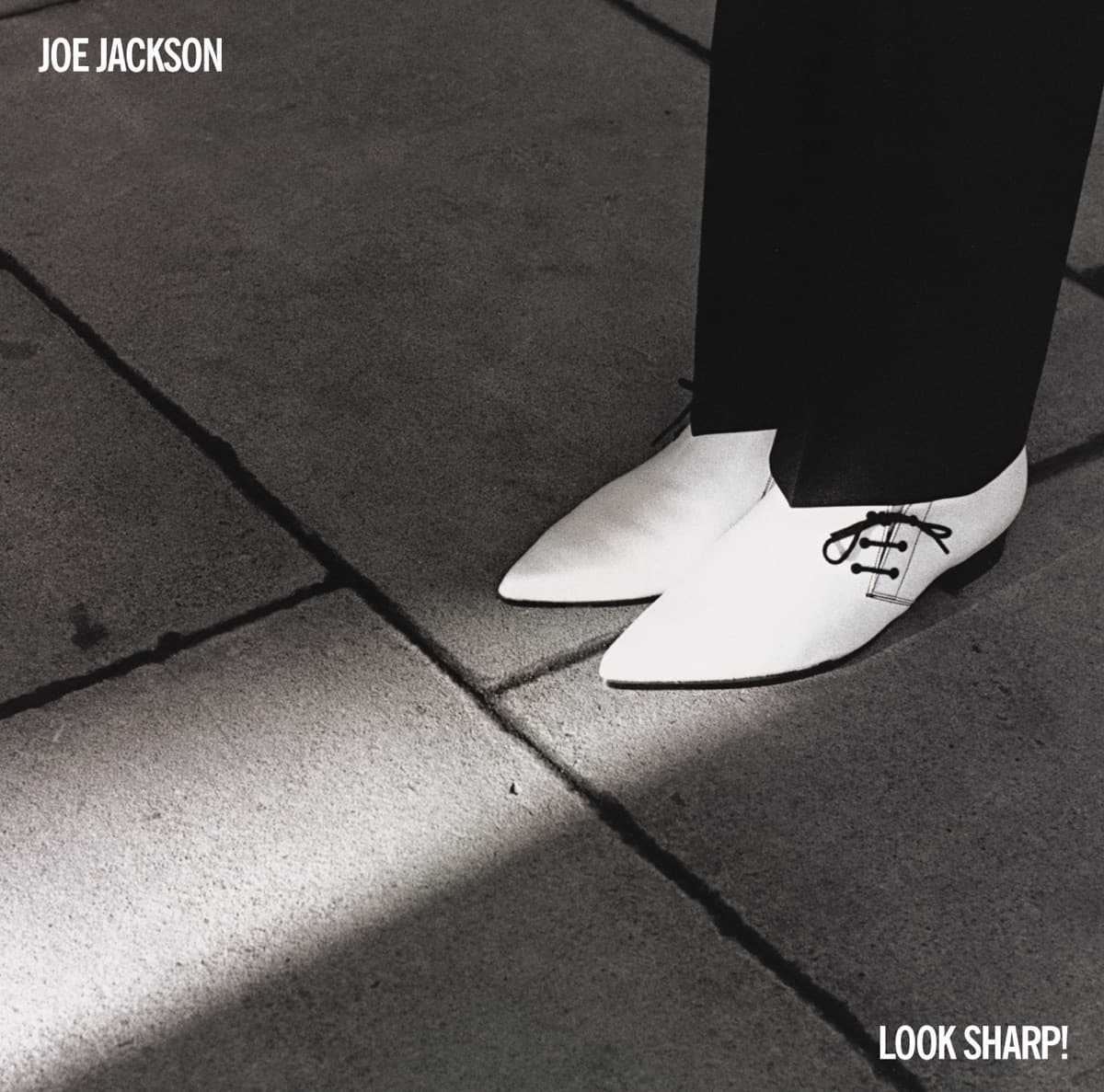
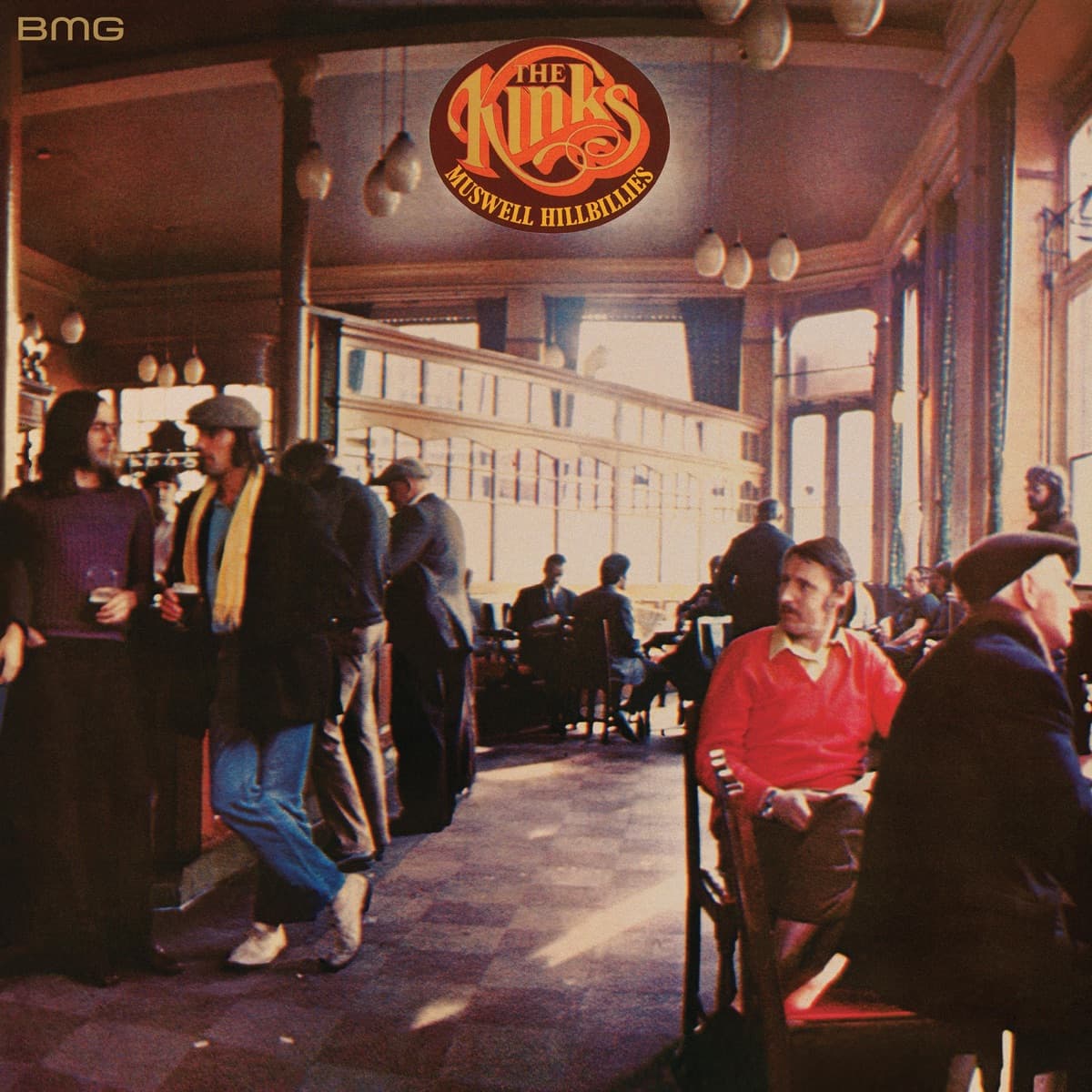
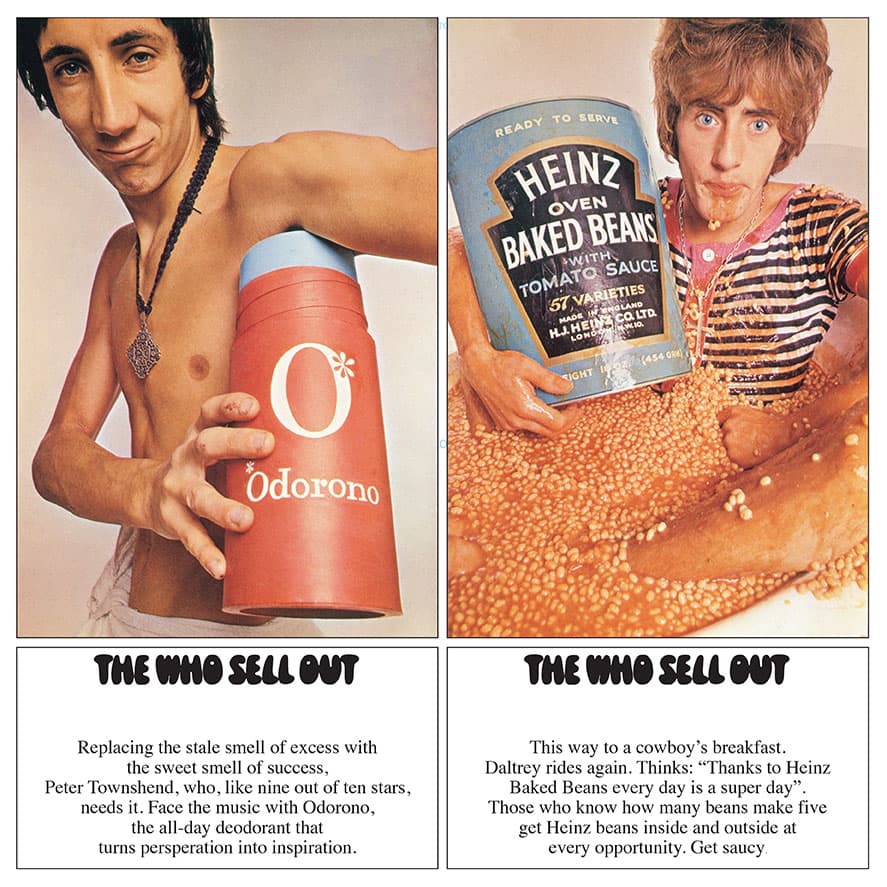
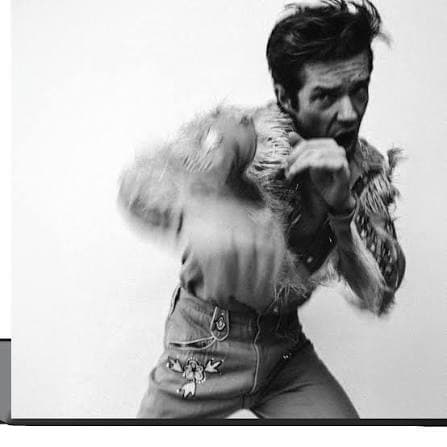
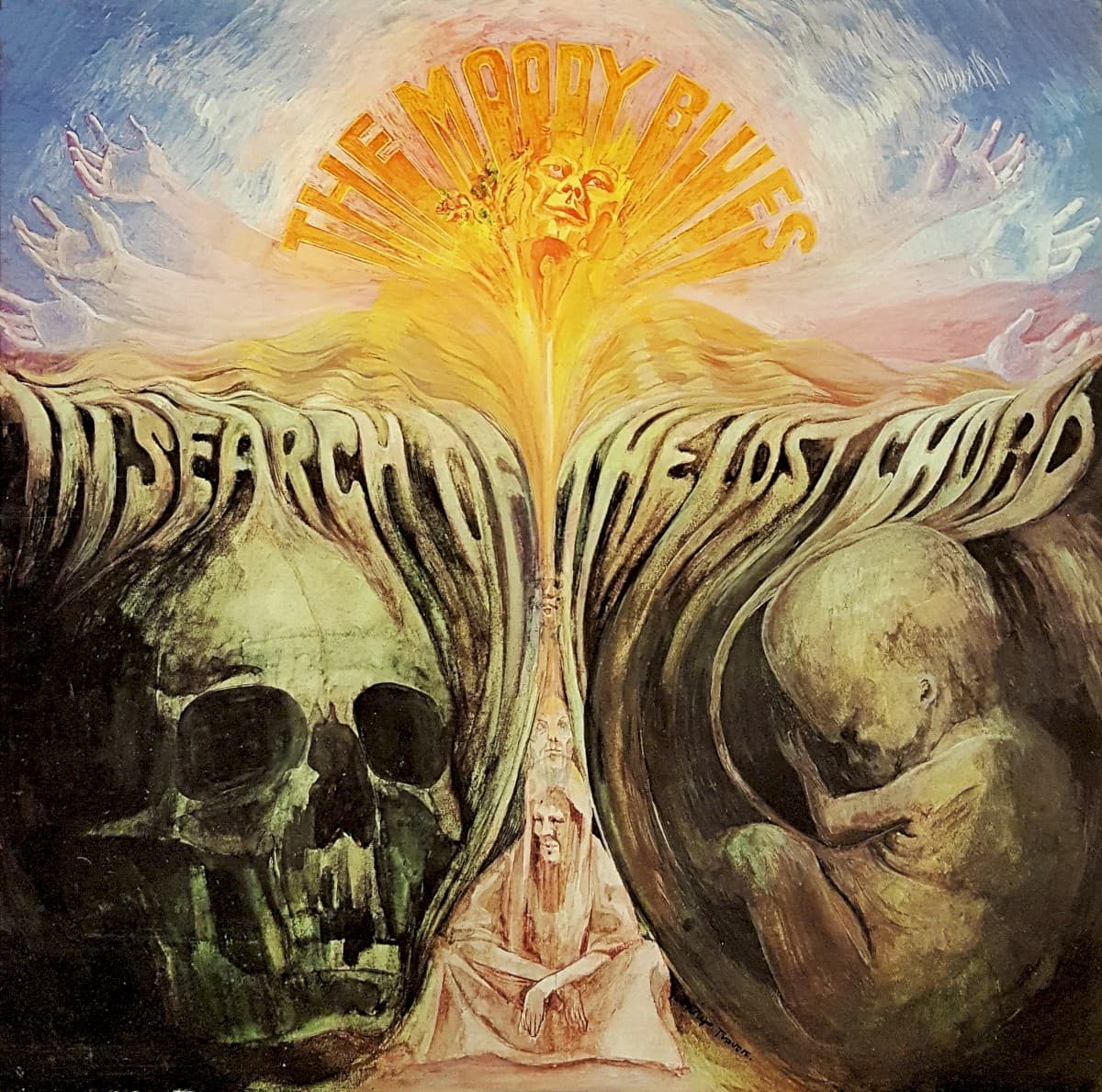
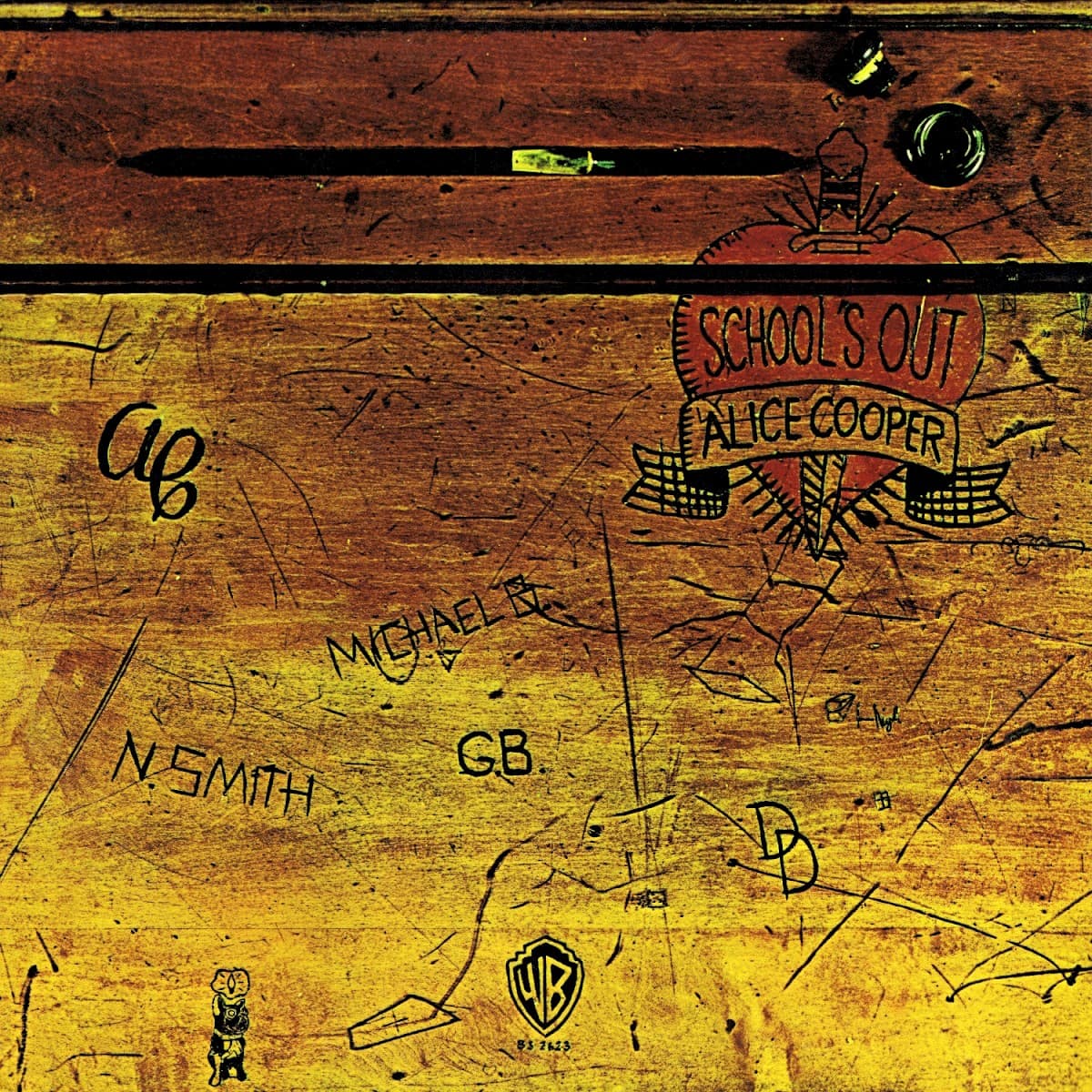
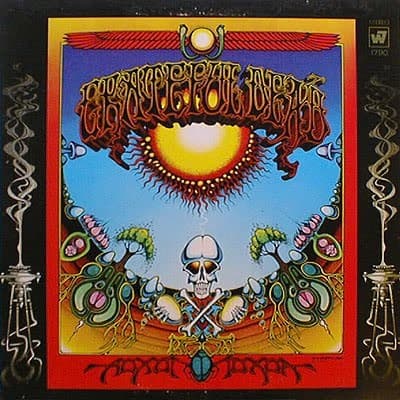
Album covers featured in this guide
Read the full story behind each cover in the archive.

Keep exploring
Sources & further reading
- Contact High: A Visual History of Hip-Hop — Vikki Tobak
- The Cover Art of Blue Note Records — Graham Marsh & Glyn Callingham
- Photographer profiles and interviews — Aperture / British Journal of Photography
Read more about how we research and source these guides.