Album Covers That Changed Graphic Design
The sleeves whose influence escaped music entirely and rewired graphic design itself.
By Brett Cassidy2 min readUpdated
A few album covers matter to designers who don't care about the music at all. They solved a design problem so cleanly — or broke a rule so productively — that their solution entered the general toolkit of graphic design. This guide is about those covers and the specific lessons they taught.
The throughline is transferability: an idea that works on a record sleeve and then turns up in posters, branding, fashion, and screens for decades afterward.
Typography as image
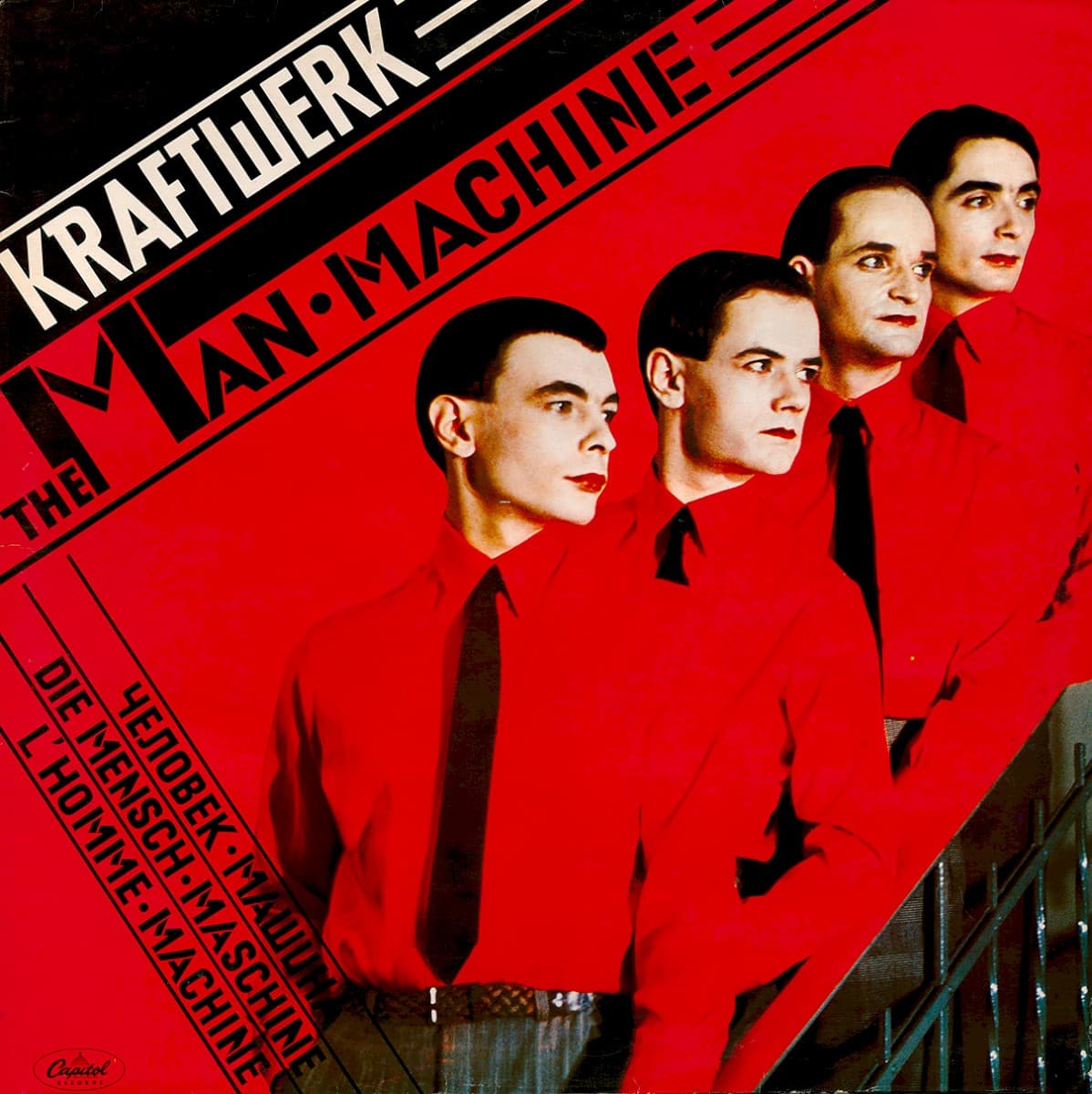
The most exportable lesson is that type alone can carry a cover. Treating letterforms as the primary image — oversized, systematized, or stripped to pure information — proved that confidence and clarity could replace illustration entirely, a principle now standard in branding.
Minimalism and restraint
Several landmark covers showed how much could be communicated by leaving things out: a single graphic on a field of black or white, no band name, no clutter. That restraint reads as authority and has been borrowed endlessly by designers working in luxury, tech, and editorial design.
Concept over decoration
Finally, the idea that a cover should embody a concept rather than decorate a product reframed design as problem-solving. That shift — from making things pretty to making things mean — is arguably the album cover's biggest gift to the wider discipline.
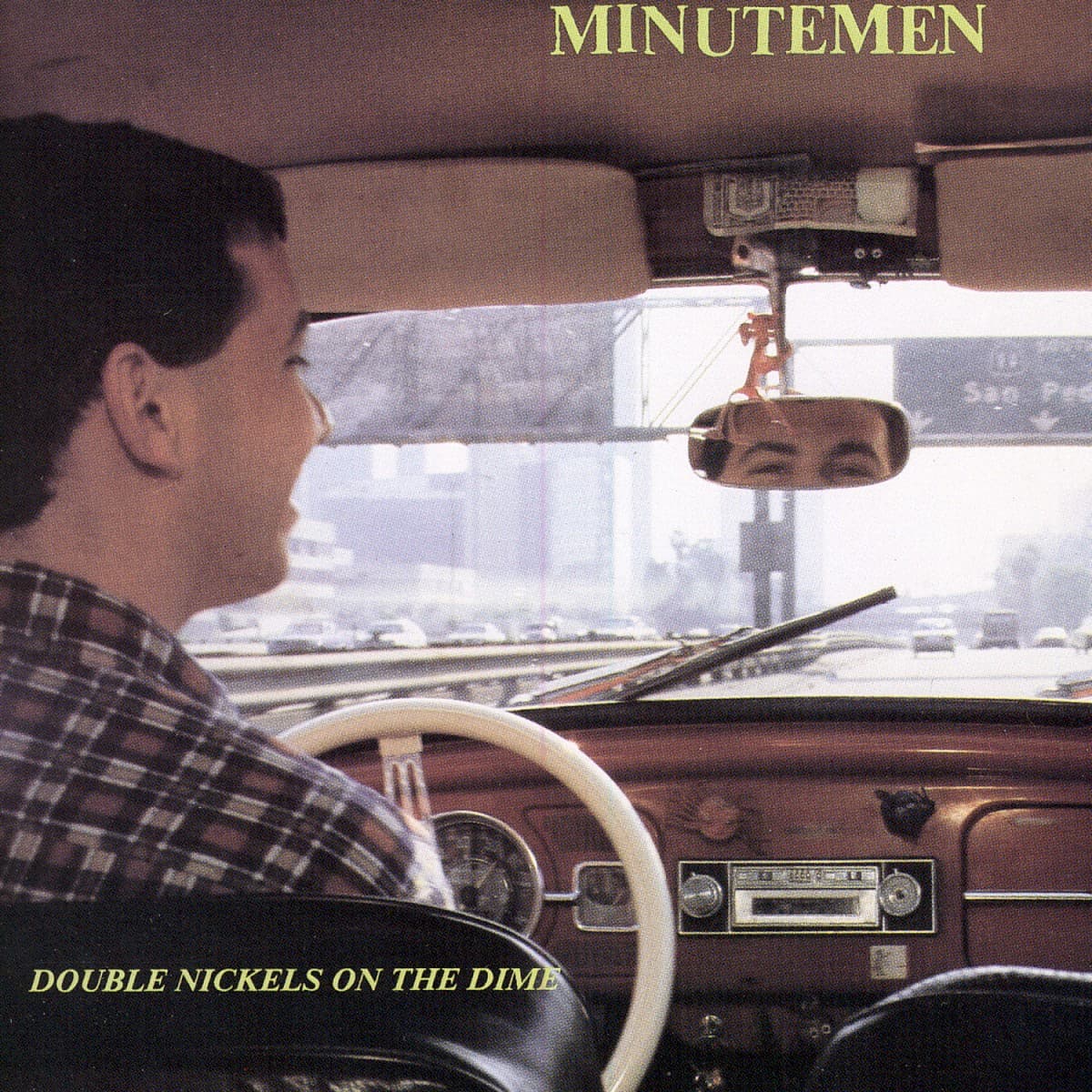
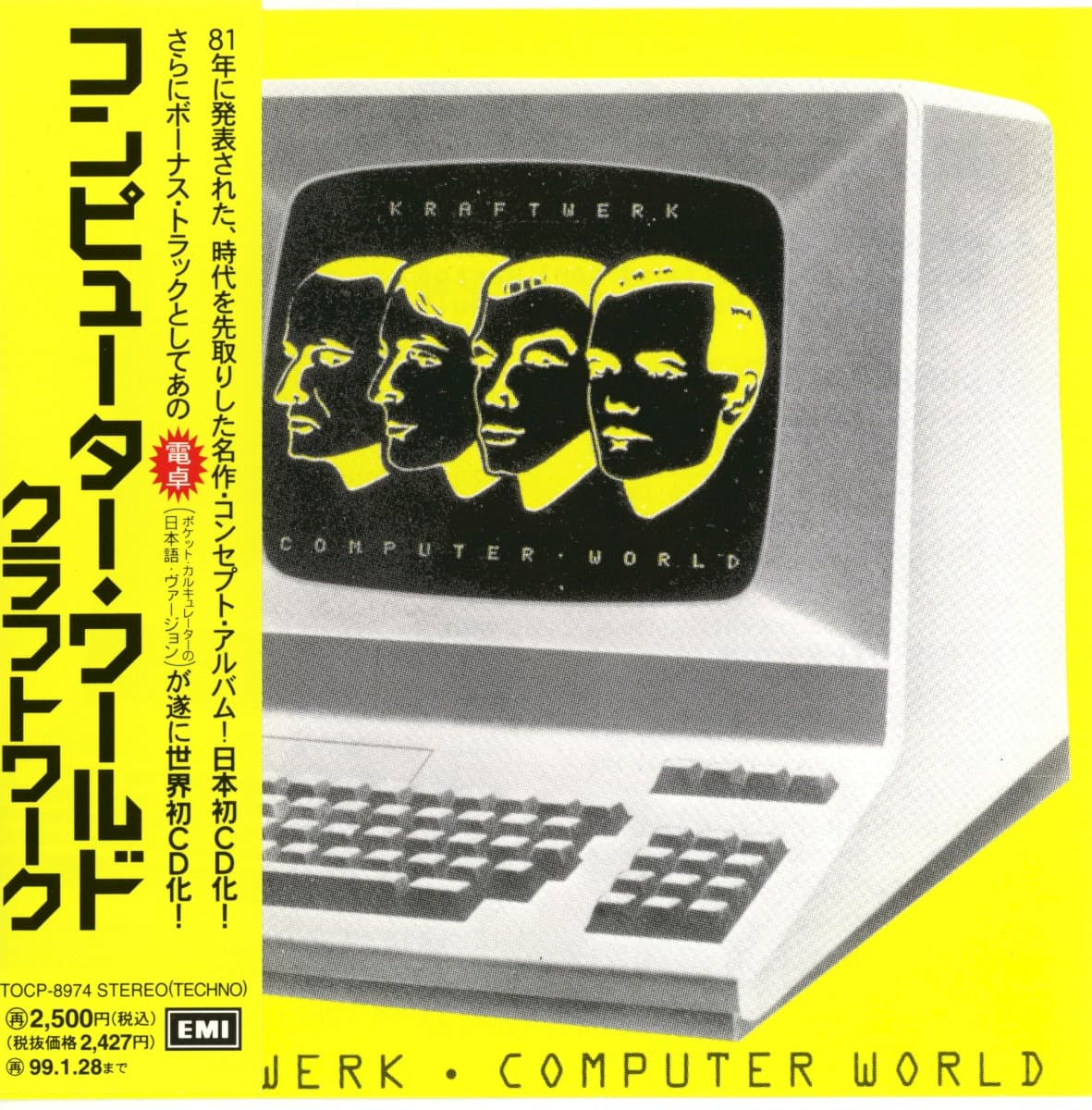
Album covers featured in this guide
Read the full story behind each cover in the archive.

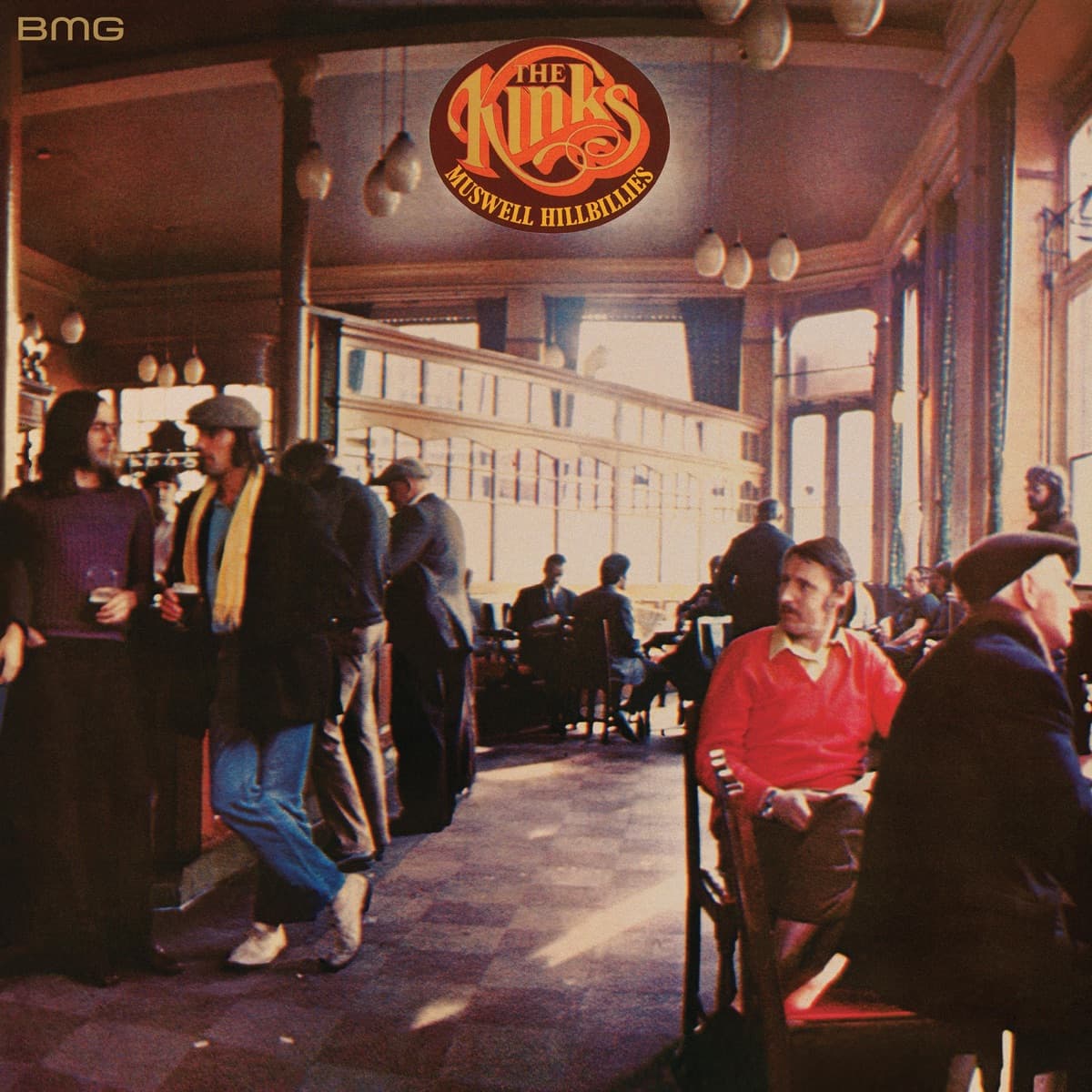
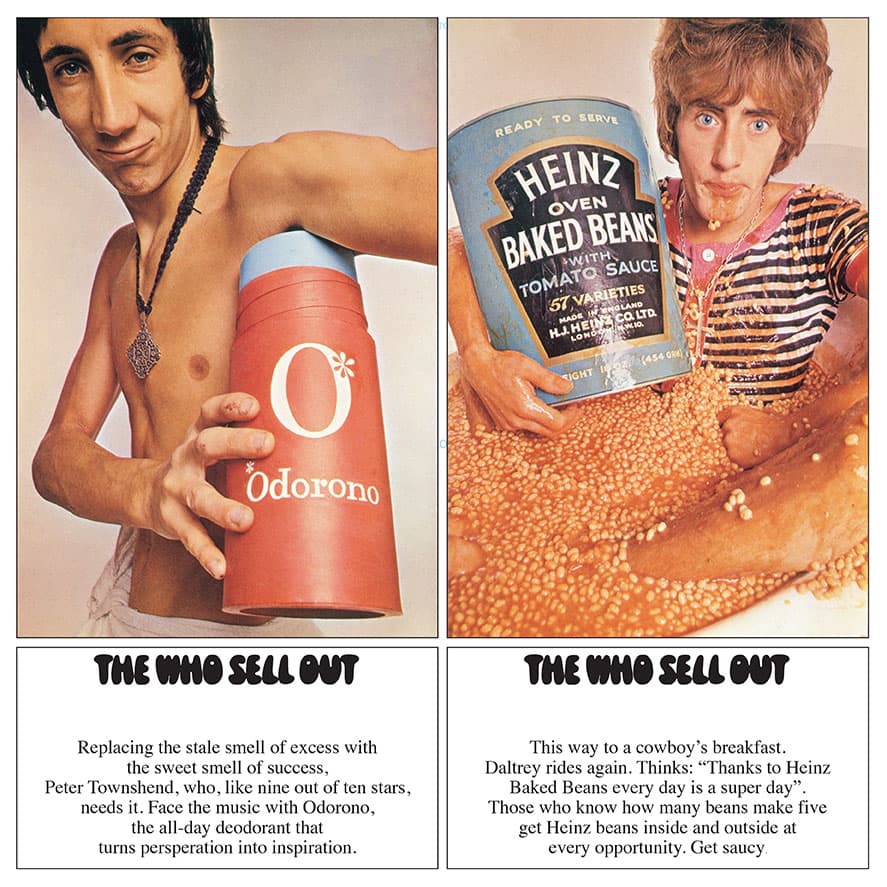


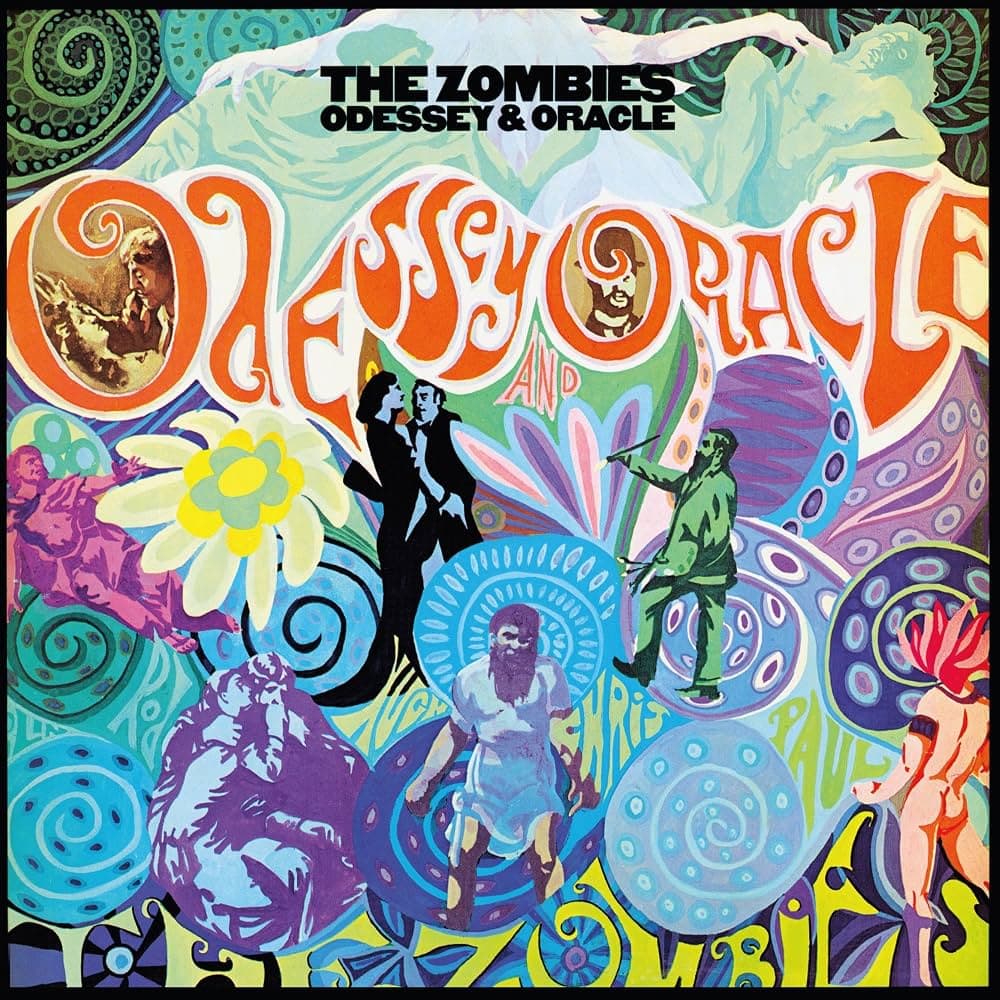
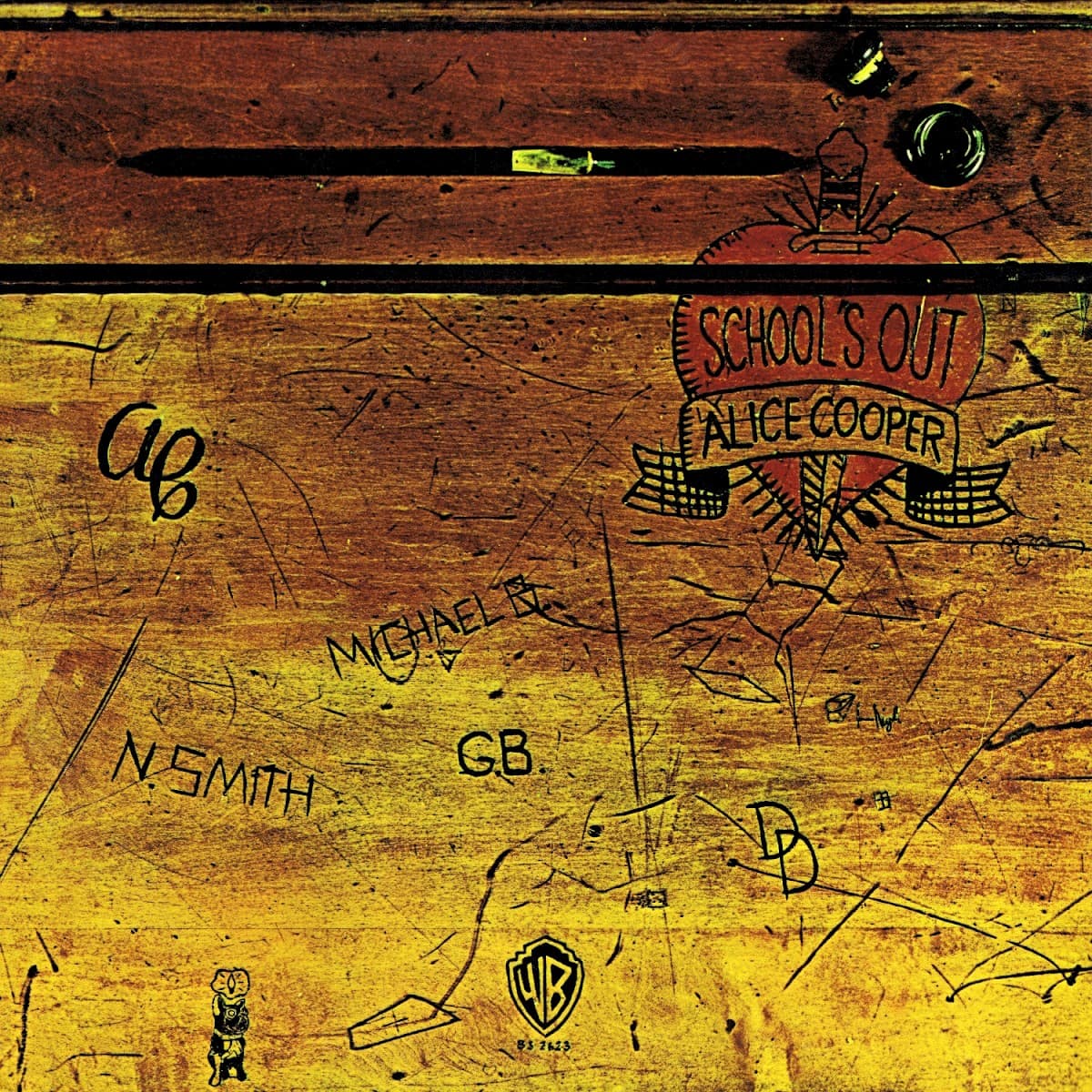


Keep exploring
Sources & further reading
- Designing Record Covers — Eye Magazine
- The album cover as design object — AIGA Eye on Design
- Album art in the design collection — Victoria and Albert Museum
Read more about how we research and source these guides.