Behind the Covers
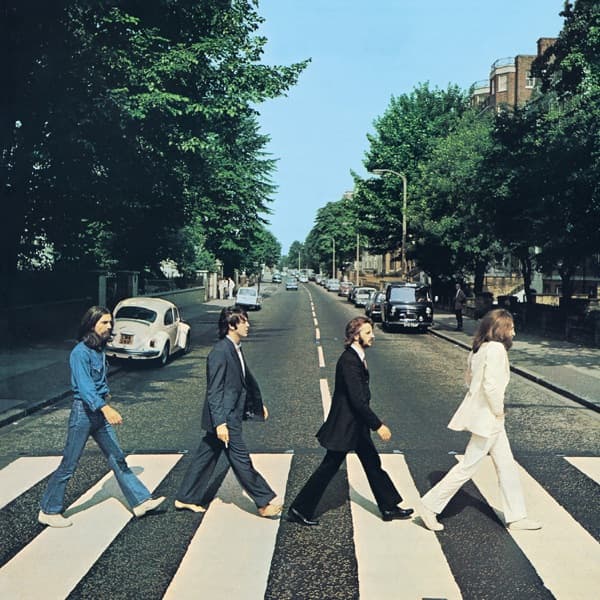
Abbey Road by The Beatles — album cover art

Abbey Road

The Beatles · 1969

Photographer
Iain Macmillan
Label
Apple Records
Decade
1960s
Genre
Rock
Own it on Vinyl

The most famous album cover in rock history was shot in just ten minutes on a busy London street, with photographer Iain Macmillan balanced precariously on a stepladder while a single policeman held back increasingly impatient traffic. What seemed like a spontaneous snapshot was actually Paul McCartney's carefully conceived vision that would become one of the most analyzed and imitated images in popular culture.

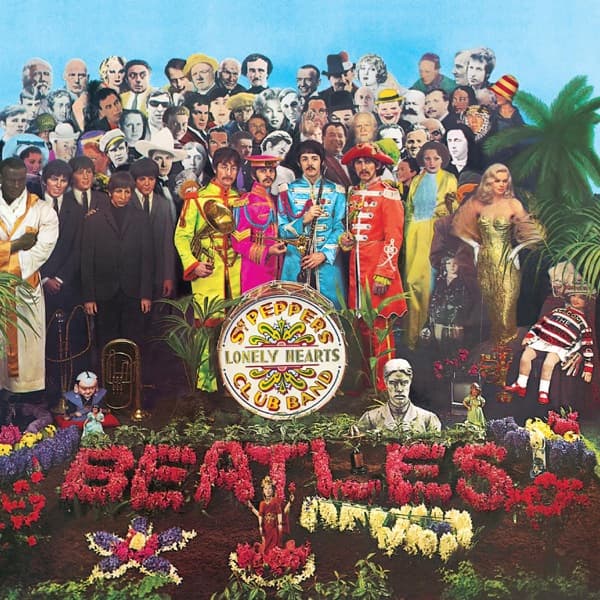
The concept emerged from McCartney's desire for something simple yet striking after the elaborate collage of Sgt. Pepper's Lonely Hearts Club Band. He sketched a rough drawing of the four Beatles walking across the street outside their recording studio, suggesting they simply step outside Abbey Road Studios and create the cover on the spot. The band had grown weary of elaborate photo shoots and expensive art direction, making this stripped-down approach appealing to all four members.

John Lennon, Paul McCartney, George Harrison, and Ringo Starr initially resisted the idea, calling it too mundane. But McCartney persisted, arguing that the image's power would come from its ordinariness transformed into something iconic through their presence. The band finally agreed, partly because it required minimal effort during their increasingly strained final recording sessions.

On August 8, 1969, at 11:35 AM, Macmillan climbed onto a stepladder positioned in the middle of Abbey Road while Police Constable Maurice Hutchins held back traffic with nothing but hand signals. The photographer, a close friend of Lennon and Yoko Ono, shot just six frames as the Beatles walked back and forth across the zebra crossing. Macmillan used a Hasselblad camera with a wide-angle lens, capturing the perfect symmetry of the tree-lined street stretching into the distance.

The Beatles made several passes across the street, but Macmillan knew immediately that the fifth shot was the one. McCartney had suggested they walk "in step," but the final image shows them slightly out of sync, creating a more natural, dynamic composition. The photographer later said he could feel the power of the image even before developing the film, noting how the Beatles' casual stride contrasted beautifully with the formal geometry of the crosswalk.

Iain Macmillan was a Scottish photographer who had met Lennon at art school and later became part of the Beatles' inner circle through his friendship with Yoko Ono. He had previously shot avant-garde art photography and was known for his ability to capture spontaneous moments with precision. His work on Abbey Road became his most famous photograph, though he continued shooting experimental and portrait photography until his death in 2006.

Apple Records executives initially worried the cover was too simple, lacking the commercial punch of previous Beatles albums. Some suggested adding text or graphics to make it more visually interesting, but McCartney insisted the image spoke for itself. When early pressings were sent to radio stations, many DJs complained they couldn't tell which Beatles album it was without reading the spine.

The cover sparked immediate controversy when fans noticed McCartney was barefoot and out of step with the others, leading to elaborate conspiracy theories about his supposed death. Obsessive fans analyzed every detail: Lennon's white suit representing a preacher, Starr's black suit as an undertaker, and Harrison's denim as a gravedigger. The license plate on the white Volkswagen Beetle parked in the background read "LMW 28IF," which conspiracy theorists interpreted as "Linda McCartney Weeps, 28 If he lived."

Within months of the album's release, the Abbey Road zebra crossing became a pilgrimage site for Beatles fans worldwide. The constant stream of tourists recreating the cover photo became such a traffic hazard that local authorities considered removing the crossing entirely. In 2010, the crossing was granted protected status by English Heritage, making it the first street crossing ever to receive historic designation.

The image has been parodied, homaged, and referenced countless times, from Red Hot Chili Peppers' Socks EP to The Simpsons opening credits. Music photographers still consider it the gold standard for album cover photography, proving that sometimes the most powerful images come from the simplest concepts. The original zebra crossing has been repainted countless times due to wear from tourist foot traffic, but the spot remains unchanged.

Macmillan never received royalties from the photograph, having been paid a flat fee of just £75 for the shoot. Decades later, he would joke that those ten minutes on Abbey Road were both the best and worst of his career – creating his masterpiece while ensuring nothing else he photographed would ever receive the same attention.

Loved the story behind Abbey Road? Hear the album or add it to your collection.

Want to explore more?