Behind the Covers

typography

15 cover stories in our archive

Behind the Covers' archive includes 15 album covers documented under the "typography" design theme, spanning the 1970s, 1980s, 1990s, 2000s, 2010s, 2020s. These covers sit within the pop, reggae, indie, alternative, electronic, punk, rock, r&b, funk, hip-hop tradition and feature work by Taylor Swift, Jimmy Cliff, Death Cab for Cutie, Jamie xx and others. Each entry below includes the cover artwork, the designers and photographers behind it, and a short story about the visual choices that defined the release.

reputation by Taylor Swift — album cover art

reputation by Taylor Swift (2017)

A striking black-and-white portrait shows Swift with newspaper-style text covering half her face, embodying her transformation from country sweetheart to defiant pop star after public controversies.

Label
Big Machine Records
Photographer
Mert Alas and Marcus Piggott
Genre
Pop
Decade
2010s
Read the full story →

The Harder They Come by Jimmy Cliff (1972)

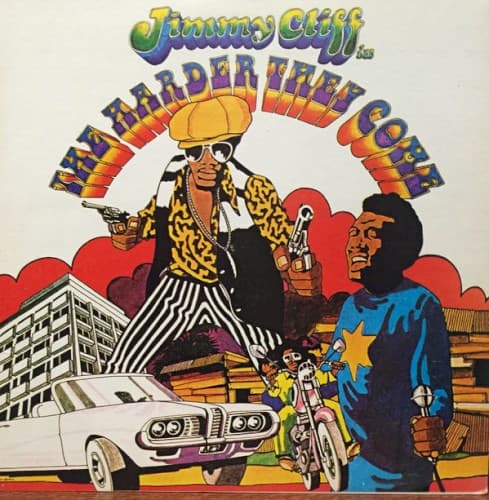
The iconic album cover for this reggae soundtrack featured artwork by John Bryant and sleeve design by London's CCS Associates. Bryant's vibrant illustration depicts Jimmy Cliff with dual pistols, using hand-drawn typography rendered in Bottleneck typeface with colorful gradients.

Label
Island Records
Designer
CCS Associates
Photographer
John Bryant
Genre
Reggae
Decade
1970s
Read the full story →
Transatlanticism by Death Cab for Cutie — album cover art

Transatlanticism by Death Cab for Cutie (2003)

The stark white cover of Death Cab for Cutie's breakthrough album features only minimalist typography, rejecting the era's typical indie rock aesthetic. This bold simplicity perfectly captured the album's themes of distance and isolation.

Label
Barsuk Records
Genre
Indie, Alternative
Decade
2000s
Read the full story →
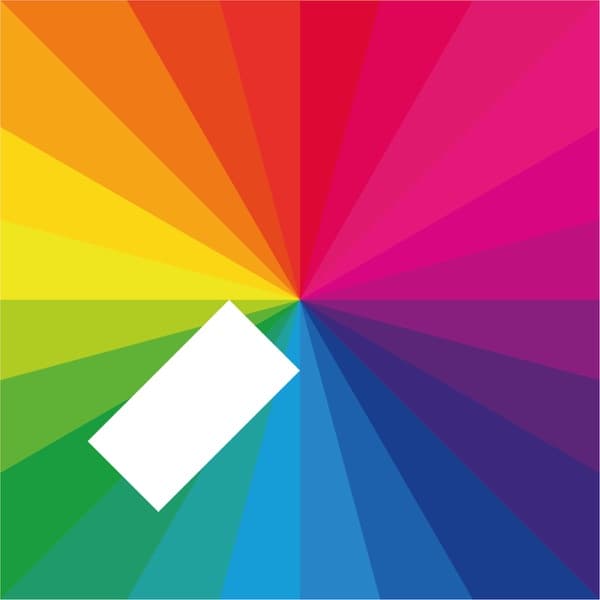
In Colour by Jamie xx — album cover art

In Colour by Jamie xx (2015)

Jamie xx's debut solo album features a deceptively simple cover that captures the essence of his color-obsessed electronic music through minimalist typography and bold chromatic choices that reflect the album's synesthetic approach to sound.

Label
Young Turks
Genre
Electronic
Decade
2010s
Read the full story →
Brat by Charli XCX — album cover art

Brat by Charli XCX (2024)

Charli XCX designed her own deliberately ugly lime green cover using Arial font, creating one of 2024's most memed and culturally impactful album designs. The intentionally amateurish aesthetic spawned countless imitations and redefined pop album art.

Label
Atlantic Records
Designer
Charli XCX
Genre
Pop, Electronic
Decade
2020s
Read the full story →
Never Mind the Bollocks, Here's the Sex Pistols by Sex Pistols — album cover art

Never Mind the Bollocks, Here's the Sex Pistols by Sex Pistols (1977)

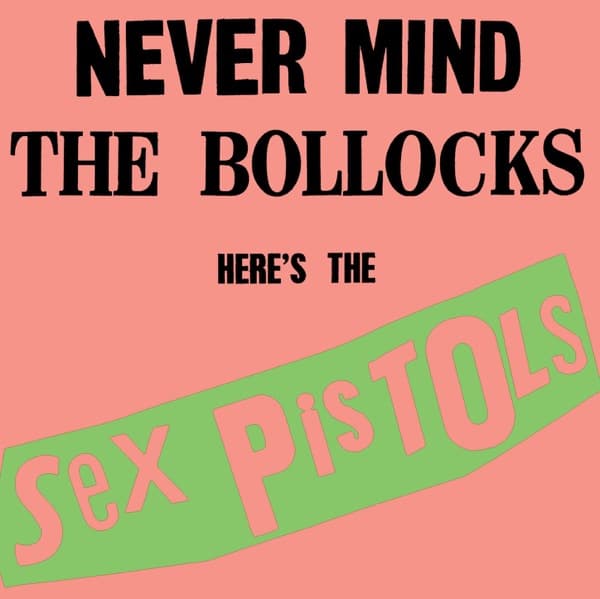
Jamie Reid's ransom note typography and fluorescent yellow background created punk's most iconic visual manifesto. The DIY cut-and-paste lettering launched a thousand photocopied flyers and sparked multiple obscenity prosecutions across Britain.

Label
Virgin Records
Designer
Jamie Reid
Genre
Punk, Rock
Decade
1970s
Read the full story →
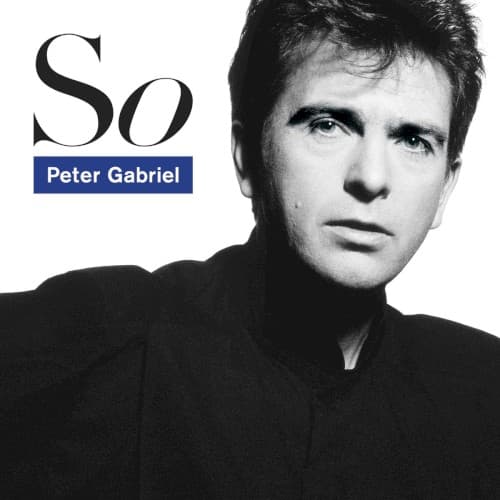
So by Peter Gabriel — album cover art

So by Peter Gabriel (1986)

Peter Saville stripped away all imagery for Gabriel's most commercial album, creating a cover so minimal it consists only of typography on white space. The radical simplicity marked a complete departure from Gabriel's surreal previous covers.

Label
Geffen Records
Designer
Peter Saville
Photographer
Trevor Key
Genre
Rock, Pop
Decade
1980s
Read the full story →
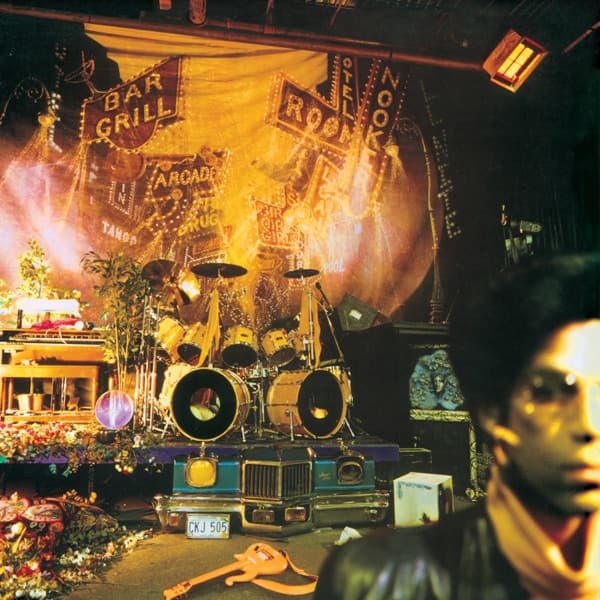
Sign o' the Times by Prince — album cover art

Sign o' the Times by Prince (1987)

Prince stripped away his usual purple fantasy for stark black typography on white—a radical departure that reflected the album's serious social commentary. The minimalist design was Prince's own creation, abandoning rock star imagery for newspaper-style urgency.

Label
Paisley Park Records
Designer
Prince
Genre
R&B, Funk, Rock
Decade
1980s
Read the full story →
Slippery When Wet by Bon Jovi — album cover art

Slippery When Wet by Bon Jovi (1986)

The cover that almost featured a bikini-clad model on a wet slip-and-slide became one of rock's most iconic designs when the band chose bold yellow typography over a mysterious plastic bag instead. The original shoot was deemed too risqué, leading to this instantly recognizable minimalist masterpiece.

Label
Mercury Records
Genre
Rock
Decade
1980s
Read the full story →
Licensed to Ill by Beastie Boys — album cover art

Licensed to Ill by Beastie Boys (1986)

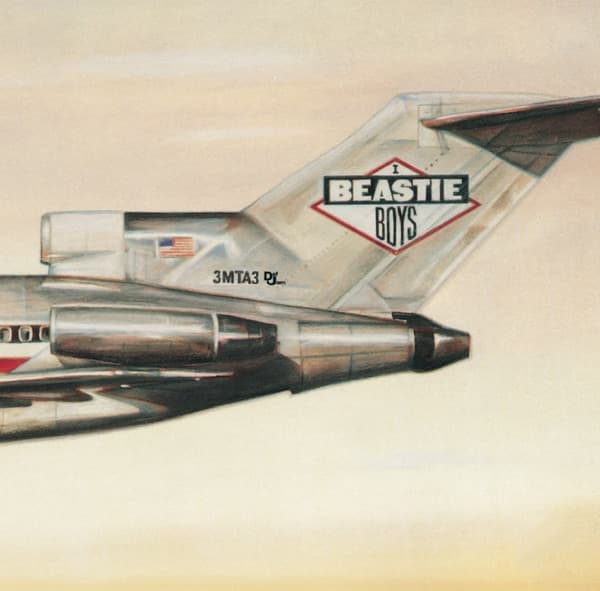
The Beastie Boys' debut features a deliberately generic black background with simple white text, designed by World B. Omes as an anti-cover statement that perfectly captured hip-hop's raw, no-frills aesthetic in 1986.

Label
Def Jam Recordings
Designer
World B
Genre
Hip-Hop
Decade
1980s
Read the full story →
Brothers in Arms by Dire Straits — album cover art

Brothers in Arms by Dire Straits (1985)

The stark, minimal cover for Dire Straits' biggest album features just the band name and title in simple white text against a deep blue background. This stripped-down approach perfectly matched the album's sophisticated, contemplative mood and became iconic through sheer restraint.

Label
Vertigo Records
Designer
Uncredited
Photographer
Uncredited
Genre
Rock
Decade
1980s
Read the full story →
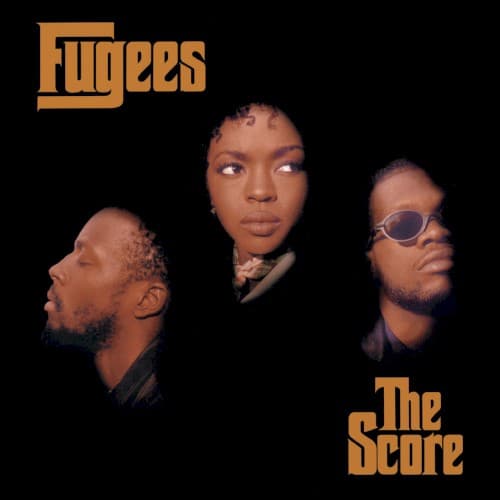
The Score by Fugees — album cover art

The Score by Fugees (1996)

The Fugees' breakthrough album cover features a stark, minimalist design that perfectly captured the trio's cinematic hip-hop vision. The simple typography and muted aesthetic became iconic in 90s hip-hop design.

Label
Ruffhouse Records
Genre
Hip-Hop
Decade
1990s
Read the full story →
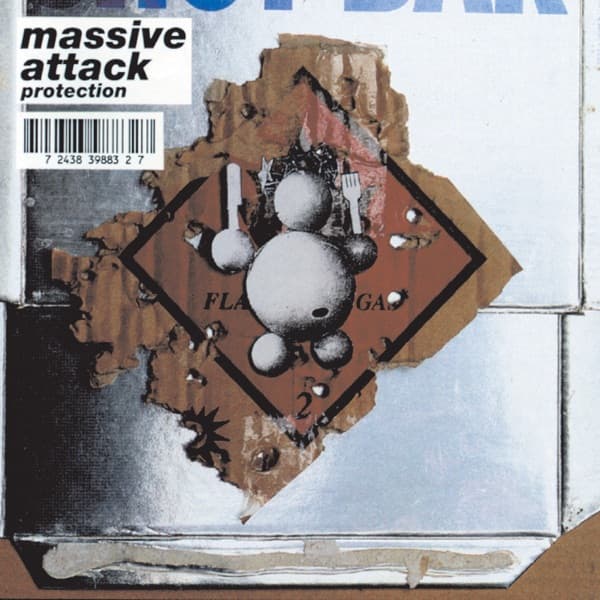
Protection by Massive Attack — album cover art

Protection by Massive Attack (1994)

The stark, minimalist cover for Massive Attack's second album features a simple white background with delicate typography, marking a dramatic shift from their debut's graffiti-style artwork. Designer Tom Hingston created one of the most understated yet influential covers of the 1990s trip-hop era.

Label
Wild Bunch
Designer
Tom Hingston
Genre
Electronic
Decade
1990s
Read the full story →
Yoshimi Battles the Pink Robots by The Flaming Lips — album cover art

Yoshimi Battles the Pink Robots by The Flaming Lips (2002)

The Flaming Lips created their most iconic cover using simple pink lettering on white, letting the intriguing title do all the visual heavy lifting. This minimalist approach marked a radical departure from their previous psychedelic artwork.

Label
Warner Bros
Designer
The Flaming Lips
Genre
Alternative, Indie, Rock
Decade
2000s
Read the full story →
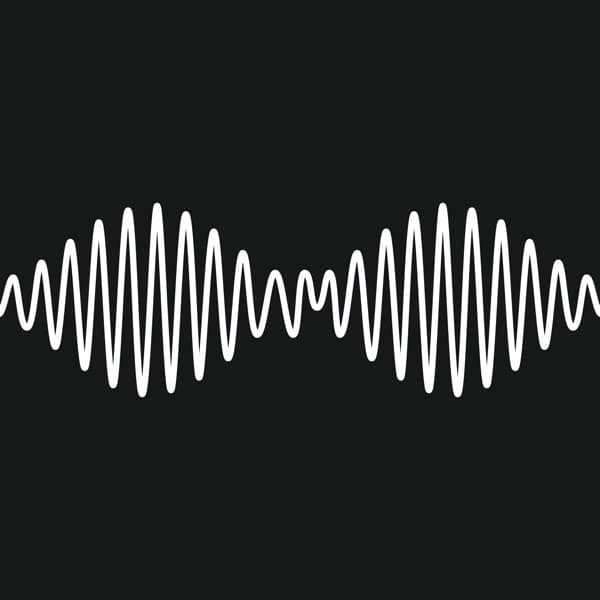
AM by Arctic Monkeys — album cover art

AM by Arctic Monkeys (2013)

The minimalist waveform design conceals 'AM' within its amplitude-modulated signal pattern. Designer Matthew Cooper created this iconic black-and-white artwork that perfectly matched the band's visual aesthetic for their hit 'Do I Wanna Know?' video.

Label
Domino Recording Company
Designer
Matthew Cooper
Genre
Rock
Decade
2010s
Read the full story →

Related design themes