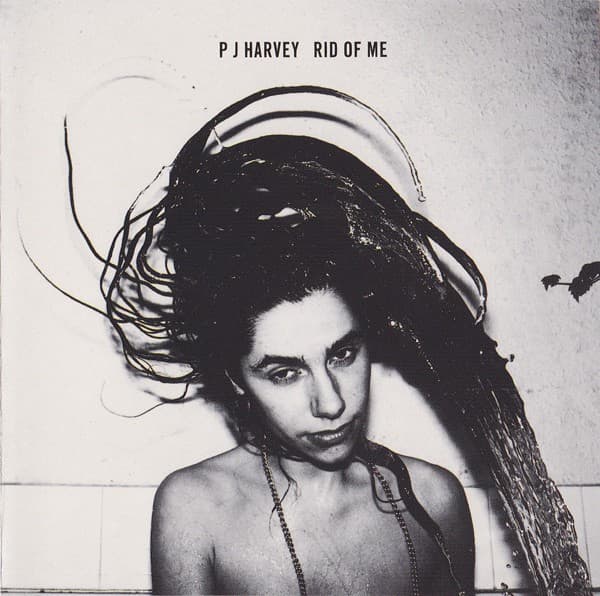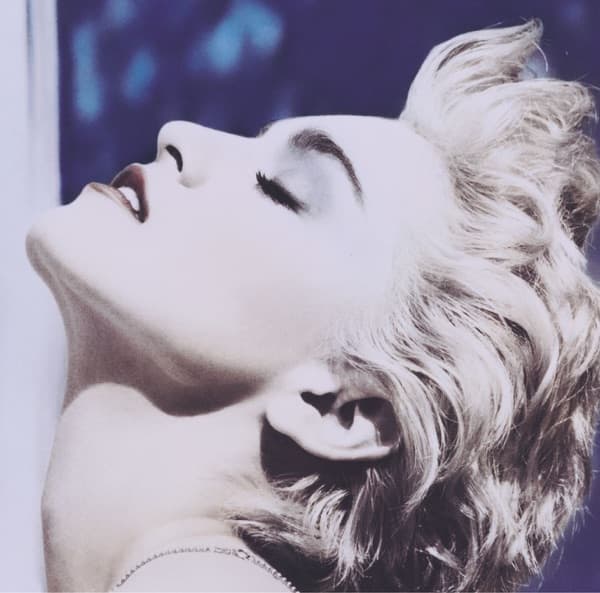

The cover for True Blue began with what Herb Ritts called "the most effortless photo shoot of my career." Madonna arrived at his Hollywood studio in 1986 with wet hair, having just washed it in his sink, and Ritts grabbed his camera for what he assumed would be test shots.
The concept was deliberately simple after the elaborate styling of Like a Virgin. Madonna wanted something more natural and intimate, reflecting the album's personal themes about love and relationships. She told Ritts she was tired of being overly styled and wanted to show a more vulnerable side.
Ritts shot Madonna against a plain backdrop using only natural window light. The wet hair happened by accident, but Ritts loved how it created texture and movement. He used his signature high-contrast black-and-white style, pushing the shadows deep while keeping Madonna's skin luminous.
The Polaroid test shot that became the cover was taken within the first ten minutes of the session. Madonna was barely posed, just looking directly at the camera with her head slightly tilted. Ritts captured dozens of images that day, but they kept returning to that first spontaneous frame.
Jeri McManus, Sire Records' art director, handled the typography and layout. She chose a clean, sans-serif font in white, letting it float over the dark areas of Madonna's hair. The simplicity was radical for mid-80s pop albums, which typically featured elaborate graphics and multiple colors.
The record label initially resisted the cover, arguing it was too stark and uncommercial. Executives wanted something more colorful and fashion-forward, in line with other pop stars of the era. Madonna fought for the image, saying it represented the honesty of the music inside.
When True Blue was released, the cover sparked immediate conversation. Critics praised its sophisticated restraint, comparing it to classic Hollywood portraiture. Fashion magazines began copying the wet-hair look, and the image became synonymous with 80s glamour.
The cover's success launched Herb Ritts into the front ranks of celebrity photographers. His collaboration with Madonna continued through several more iconic shoots, including the "Cherish" music video and various magazine covers throughout the late 80s.
The True Blue aesthetic influenced countless album covers in its wake. The combination of intimate black-and-white photography with minimal typography became a template for artists seeking to project artistic seriousness while maintaining commercial appeal.
Ritts later revealed that Madonna kept that original Polaroid test shot in her personal collection. He said it remained one of his favorite photographs because it captured something unguarded about one of pop culture's most carefully constructed personas.
The cover was shot on medium format film using available light, but Ritts printed it with extra contrast to create the dramatic shadows. This printing technique became part of his signature style and influenced fashion photography throughout the decade.