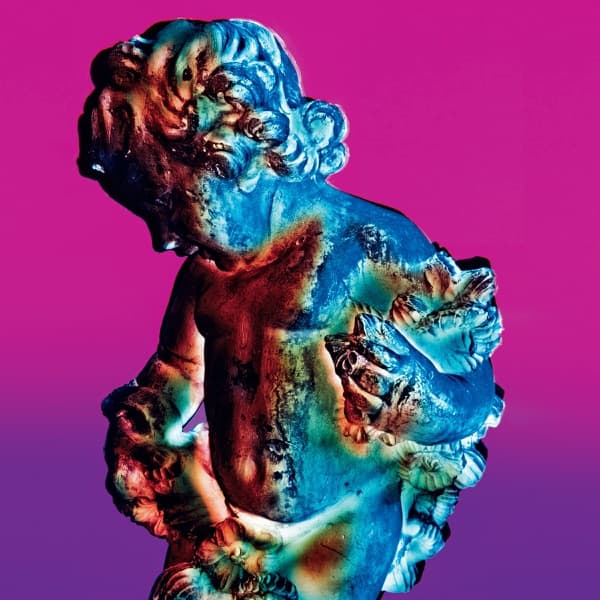


Peter Saville created one of the most enigmatic album covers in pop history with a single lemon floating in pristine white space. The Technique cover represents the culmination of Saville's long-running visual relationship with New Order, where he consistently pushed boundaries between commercial design and fine art.
The concept emerged from Saville's fascination with computer-generated imagery in the late 1980s. He wanted to explore the new possibilities offered by digital technology, moving beyond traditional photography and graphic design into uncharted visual territory.
Saville collaborated with Trevor Key at The Designers Republic to create the cover using cutting-edge computer imaging systems. The lemon was digitally rendered and manipulated, then positioned against an impossibly clean white background that could only be achieved through electronic means.
The choice of a lemon wasn't arbitrary—Saville was drawn to its perfect form and vibrant color as a test subject for the new technology. The fruit's textured skin and organic curves provided an ideal contrast to the sterile digital environment, creating tension between natural and artificial elements.
Tony Wilson at Factory Records immediately embraced the cover's stark minimalism, recognizing it as another bold statement in the label's tradition of uncompromising design. The band themselves were initially puzzled by the concept but trusted Saville's artistic vision completely.
Music press reactions ranged from confusion to admiration, with some critics questioning whether the simple image warranted attention. Others recognized it as a sophisticated commentary on the increasing digitization of both music production and visual culture.
The cover's influence on 1990s design cannot be overstated—it anticipated the clean, minimalist aesthetic that would dominate album artwork throughout the following decade. Countless designers cited Technique as proof that a single well-chosen object could communicate more than complex imagery.
Saville later revealed that the lemon's positioning required dozens of digital adjustments to achieve the perfect balance between object and negative space. Each millimeter mattered in creating the cover's hypnotic sense of floating isolation.
The printing process presented unique challenges, as reproducing the computer-generated image required precise color separation to maintain the lemon's subtle gradations. Factory Records spared no expense ensuring the cover's digital perfection translated to vinyl and CD formats.
Fashion and product designers throughout the 1990s borrowed the cover's "single object, white space" formula for everything from perfume advertisements to furniture catalogs. Technique became a template for communicating sophistication through restraint.
Decades later, the cover remains a masterclass in digital minimalism, proving that the most advanced technology can be used to create the most elemental imagery. That lemon continues to float in its white void, as mysterious and perfect as the day Saville first rendered it.