collage

25 cover stories in our archive

Behind the Covers' archive includes 25 album covers documented under the "collage" design theme, spanning the 1960s, 1970s, 1980s, 1990s, 2000s, 2010s. These covers sit within the hip-hop, alternative, rock, indie, folk, electronic, punk, metal, blues, pop tradition and feature work by XXXTentacion, Tyler, The Creator, Pixies, Kanye West and others. Each entry below includes the cover artwork, the designers and photographers behind it, and a short story about the visual choices that defined the release.

? by XXXTentacion — album cover art

? by XXXTentacion (2018)

A giant question mark, filled with fractured photographs and torn edges, floats on a clean white square while a screaming crowd presses in from every side. XXXTentacion's 2018 album ? turns a single punctuation mark into its whole identity.

Genre
Hip-Hop, Alternative
Decade
2010s
Read the full story →
Flower Boy by Tyler, The Creator — album cover art

Flower Boy by Tyler, The Creator (2017)

Tyler, The Creator designed his own cover for Flower Boy, creating a vibrant polaroid-style collage that perfectly captured his artistic evolution from dark provocateur to colorful creative.

Label
Odd Future Records
Designer
Tyler Gregory Okonma
Genre
Hip-Hop
Decade
2010s
Read the full story →
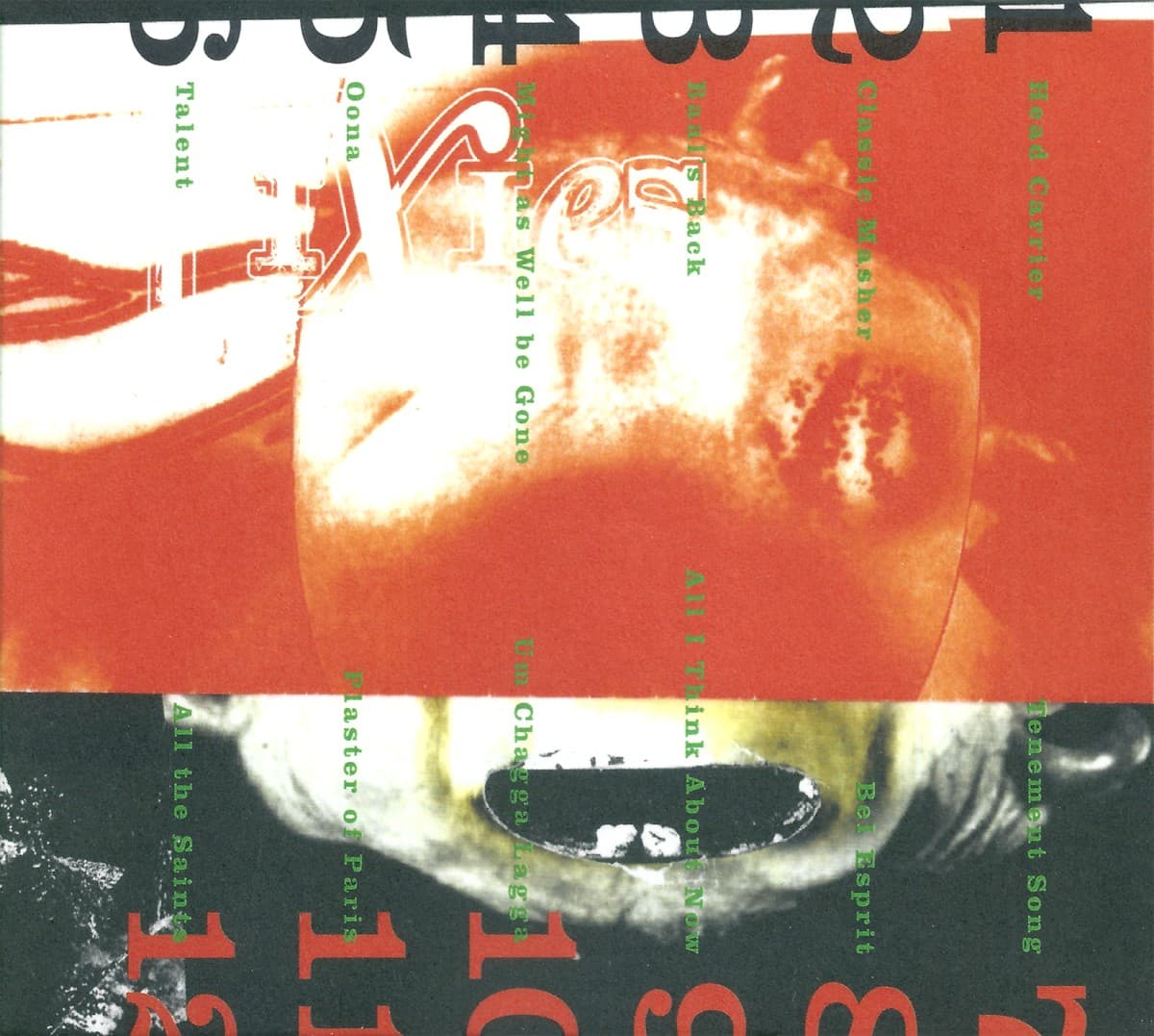
Head Carrier by Pixies — album cover art

Head Carrier by Pixies (2016)

Nearly three decades after he first gave Pixies a visual language at 4AD, Vaughan Oliver returned for Head Carrier with illustrator Ian Pollock and young designer Joshua Price. The orange, uncanny front cover combines lyric-driven imagery with handmade wooden lettering, making the reunion-era record feel connected to the band's past without simply imitating it.

Label
Pixiesmusic / PIAS
Designer
Vaughan Oliver
Genre
Alternative, Rock
Decade
2010s
Read the full story →
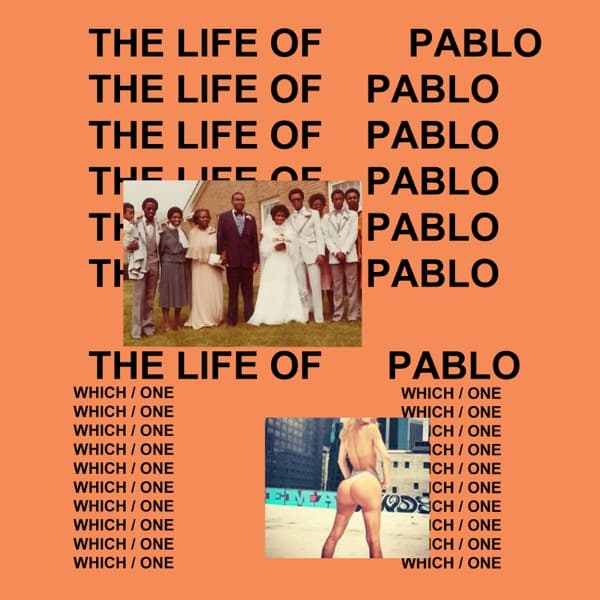
The Life of Pablo by Kanye West — album cover art

The Life of Pablo by Kanye West (2016)

The Life of Pablo's cover was designed by Belgian artist Peter De Potter, who turned repetition, family photographs and an abrasive orange field into an image that felt deliberately unfinished. Kanye West revealed the artwork on February 11, 2016, crediting De Potter directly. Its stacked typography and pasted-in photographs matched an album whose title, track list and even finished mixes kept changing in public.

Label
GOOD Music / Def Jam Recordings
Designer
Peter De Potter
Genre
Hip-Hop
Decade
2010s
Read the full story →
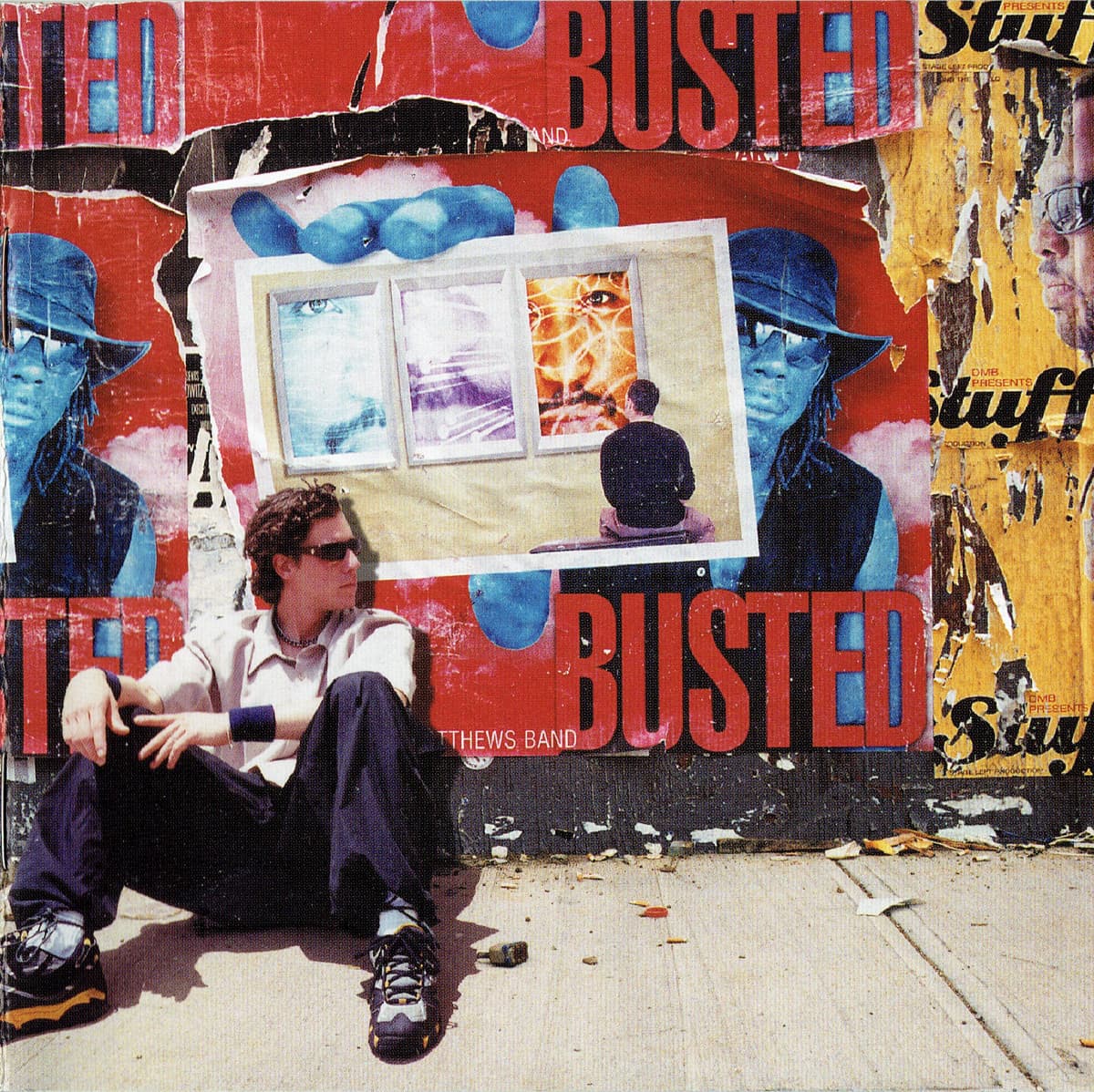
Busted Stuff by Dave Matthews Band — album cover art

Busted Stuff by Dave Matthews Band (2002)

For Busted Stuff, Dave Matthews Band turned the machinery of album promotion into the album cover itself: bassist Stefan Lessard sits beneath a wall of pasted posters carrying fragmented portraits of his bandmates. Danny Clinch photographed the scene, while Thane Kerner's digital collage work helped make the sleeve feel simultaneously like a street photograph, a band portrait and a poster campaign already coming apart at the seams.

Label
RCA
Designer
Thane Kerner, Danny Clinch, Catherine Dee, Dave Matthews
Photographer
Danny Clinch
Genre
Alternative
Decade
2000s
Read the full story →
Since I Left You by The Avalanches — album cover art

Since I Left You by The Avalanches (2000)

Designer Jonathan Zawada created a dreamlike collage of vintage airline imagery that perfectly captured The Avalanches' sample-based sound. The cover became an instant classic of early 2000s electronic music design.

Label
Modular Recordings
Designer
Jonathan Zawada
Genre
Electronic
Decade
2000s
Read the full story →
The Moon & Antarctica by Modest Mouse — album cover art

The Moon & Antarctica by Modest Mouse (2000)

Modest Mouse's breakthrough album features a haunting collage of Antarctic imagery and celestial elements that perfectly captures the band's existential themes. The cover's stark, fragmented design mirrors the album's exploration of isolation and cosmic insignificance.

Label
Epic Records
Genre
Alternative, Indie, Rock
Decade
2000s
Read the full story →
The Shape of Punk to Come by Refused — album cover art

The Shape of Punk to Come by Refused (1998)

Refused treated The Shape of Punk to Come like a manifesto, and its sleeve was built the same way. Dennis Lyxzén handled art direction and layout, José Saxlund also worked on layout, David Sandström assembled the photo collage, and Ulf Nyberg and Axel Stattin supplied distinct photographic material for the package.

Label
Burning Heart Records
Designer
Dennis Lyxzén / José Saxlund
Photographer
Ulf Nyberg / Axel Stattin
Genre
Alternative, Punk
Decade
1990s
Read the full story →
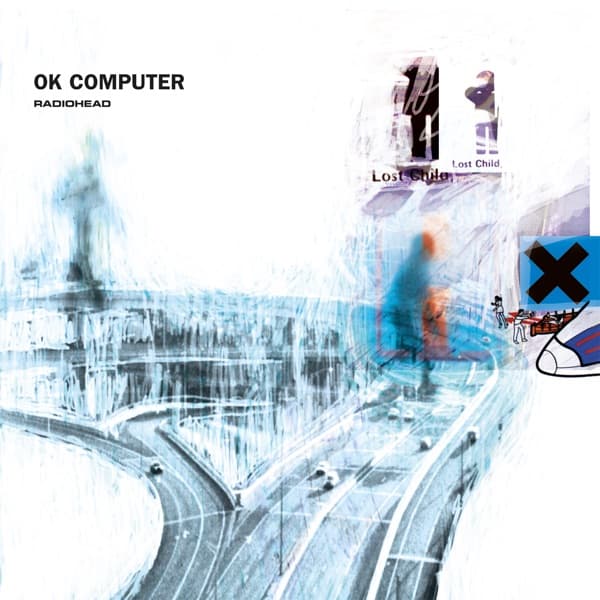
OK Computer by Radiohead — album cover art

OK Computer by Radiohead (1997)

A bleached-bone highway interchange dissolves into white fog, scrawled over with stick figures, the words 'Lost Child,' and a stolen airplane safety card. Radiohead's Thom Yorke and Stanley Donwood built this 1997 collage on a brand-new Mac with one strict rule: no undo key, ever.

Label
Parlophone
Designer
Stanley Donwood
Genre
Alternative, Rock
Decade
1990s
Read the full story →
Insomniac by Green Day — album cover art

Insomniac by Green Day (1995)

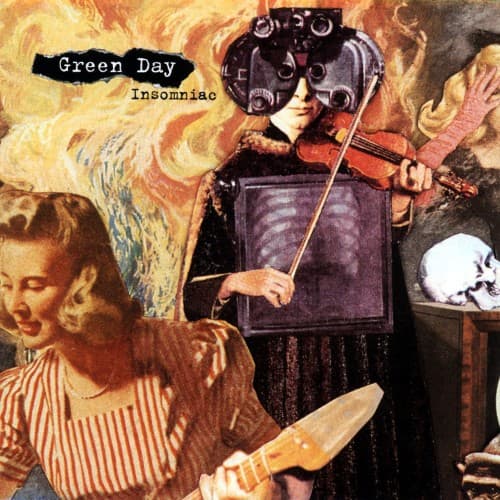
Green Day followed Dookie's cartoon chaos with a darker visual world: Winston Smith's hand-built collage God Told Me to Skin You Alive. Original release credits distinguish Smith's artwork from Dirk Walter's art direction and David Harlan's typographic design, a creator chain the story preserves rather than flattening into a single generic design credit.

Label
Reprise Records
Genre
Punk
Decade
1990s
Read the full story →
Ben Folds Five by Ben Folds Five — album cover art

Ben Folds Five by Ben Folds Five (1995)

Ben Folds Five's debut looks less like a polished major-label campaign than something assembled around a piano: snapshots, handwritten marks and the instrument that made a guitarless trio such an anomaly in 1995 alternative rock. Alexandria Searls is credited for the album's photography. Thirty years later, the cover has fresh relevance as the band reunites around an expanded anniversary edition built from a long-lost first attempt at the record.

Label
Passenger Records
Designer
Uncredited
Photographer
Alexandria Searls
Genre
Alternative, Rock
Decade
1990s
Read the full story →
Vitalogy by Pearl Jam — album cover art

Vitalogy by Pearl Jam (1994)

Pearl Jam's third album featured pages torn from an actual 1920s medical textbook, creating one of the most unique and disturbing covers in rock history. The band found the vintage "Vitalogy" book in a thrift store and used its bizarre medical illustrations to reflect their frustration with fame.

Label
Epic Records
Designer
Ames Design
Genre
Alternative, Rock
Decade
1990s
Read the full story →
In Utero by Nirvana — album cover art

In Utero by Nirvana (1993)

Nirvana's final studio album features anatomical collages by artist Robert Fisher that Walmart and Kmart refused to stock, forcing the band to create sanitized alternate covers for major retailers while the original became a statement of artistic integrity.

Label
DGC Records
Designer
Robert Fisher
Genre
Alternative, Rock
Decade
1990s
Read the full story →
Achtung Baby by U2 — album cover art

Achtung Baby by U2 (1991)

Sixteen photographs in a 4×4 grid, no single hero image. U2 buried their solemn black-and-white past under painted Trabants, carnival masks, a blue cow, and a nude bassist. Here is how Berlin, Tenerife, and Morocco scattered the band across a grid built to feel like flux.

Label
Island Records
Designer
Shaughn McGrath
Photographer
Anton Corbijn
Genre
Alternative, Electronic, Rock
Decade
1990s
Read the full story →
It Takes a Nation of Millions to Hold Us Back by Public Enemy — album cover art

It Takes a Nation of Millions to Hold Us Back by Public Enemy (1988)

Public Enemy's radical collage cover packed surveillance imagery, crosshairs, and militant graphics into a visual manifesto that perfectly captured hip-hop's revolutionary spirit. Designer B.E. Johnson created a chaotic information overload that mirrored the group's dense sonic assault.

Label
Def Jam Recordings
Designer
B.E. Johnson
Genre
Hip-Hop
Decade
1980s
Read the full story →
Reign in Blood by Slayer — album cover art

Reign in Blood by Slayer (1986)

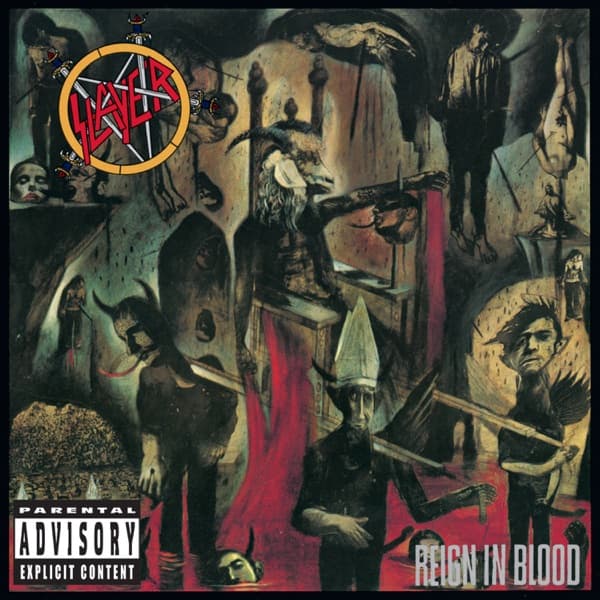
Rick Rubin phoned a political illustrator who was drawing for the Village Voice and asked him to imagine hell. What Larry Carroll delivered was a three-foot canvas of goat-headed rulers and dangling bodies that Kerry King once dismissed as the work of a 'warped demented freak' before admitting it redefined metal.

Label
Def Jam Recordings
Designer
Steve Byram
Genre
Metal
Decade
1980s
Read the full story →
Suicide by Suicide — album cover art

Suicide by Suicide (1977)

It looks like a crime scene rendered as a logo: the word Suicide clawed out in blood-red letters above a splatter that drips down a stark field. Behind the sleeve of Suicide's 1977 debut is a two-man design job, and a rumor that the blood came from a fingertip.

Label
Red Star Records
Designer
Timothy Jackson
Genre
Punk
Decade
1970s
Read the full story →
Animals by Pink Floyd — album cover art

Animals by Pink Floyd (1977)

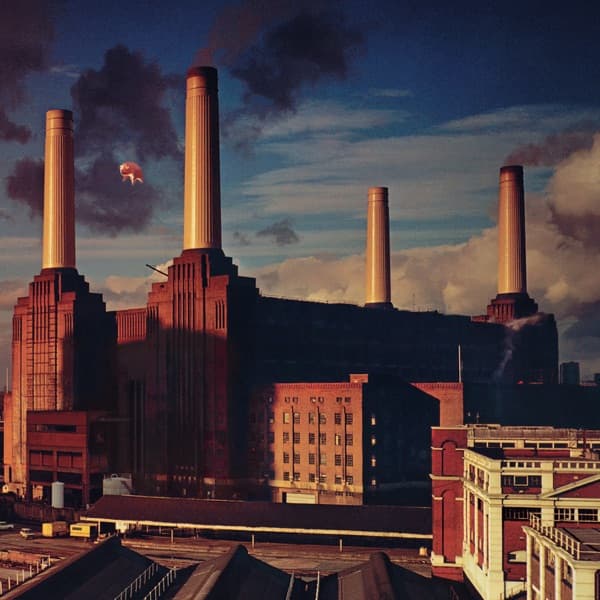
A 40-foot helium pig named Algie floats between the chimneys of Battersea Power Station on Pink Floyd's 1977 cover. During the shoot it broke free, drifted into Heathrow's flight paths and grounded planes before landing in a Kent farmer's field. The image you see is a splice of two different days.

Label
Harvest Records
Designer
Storm Thorgerson
Photographer
Aubrey Powell
Genre
Rock
Decade
1970s
Read the full story →
Physical Graffiti by Led Zeppelin — album cover art

Physical Graffiti by Led Zeppelin (1975)

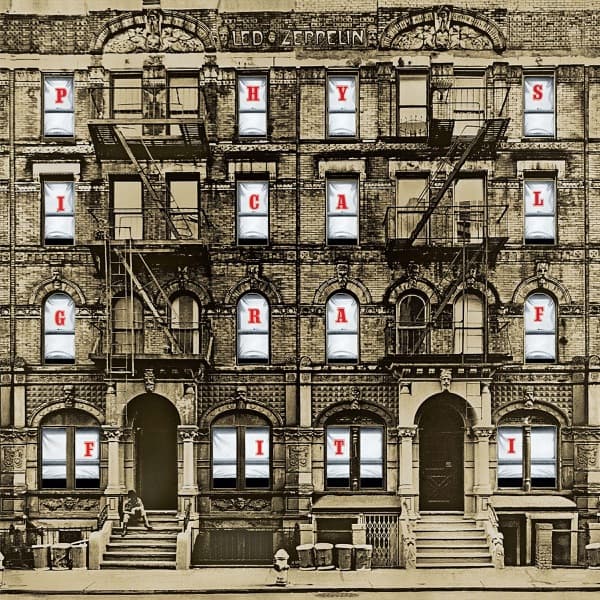
Peter Corriston spent weeks combing New York for the perfect tenement, then cropped out an entire floor so the buildings would fit a square sleeve. The windows of 96-98 St. Mark's Place became die-cut peepholes that could spell out a name and reveal everyone from Buzz Aldrin to Lee Harvey Oswald.

Label
Swan Song Records
Designer
Peter Corriston
Photographer
Elliott Erwitt
Genre
Rock, Blues, Folk
Decade
1970s
Read the full story →
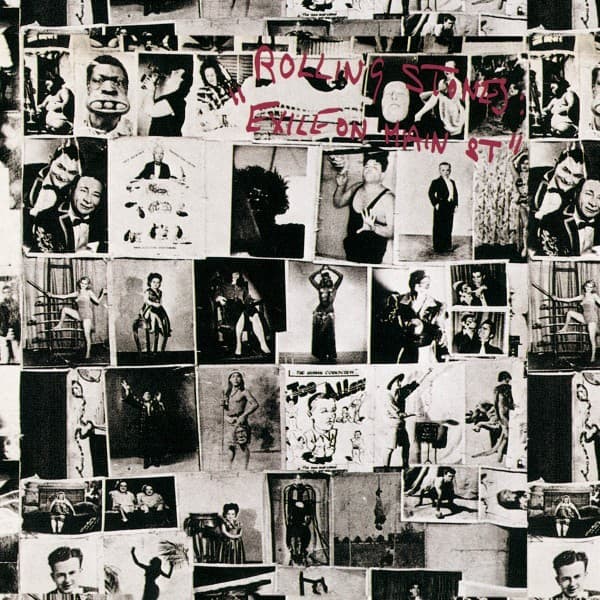
Exile on Main St. by The Rolling Stones — album cover art

Exile on Main St. by The Rolling Stones (1972)

The front of Exile on Main St. is not a photograph of the Rolling Stones at all. It is Robert Frank's older image of a wall crowded with sideshow photographs, pulled from the world of The Americans and turned by John Van Hamersveld into the visual center of a deliberately rough, taped-and-pasted package that made the Stones look like fugitives from polished rock-star imagery.

Label
Rolling Stones Records
Designer
John Van Hamersveld / Norman Seeff
Photographer
Robert Frank / Norman Seeff
Genre
Rock
Decade
1970s
Read the full story →
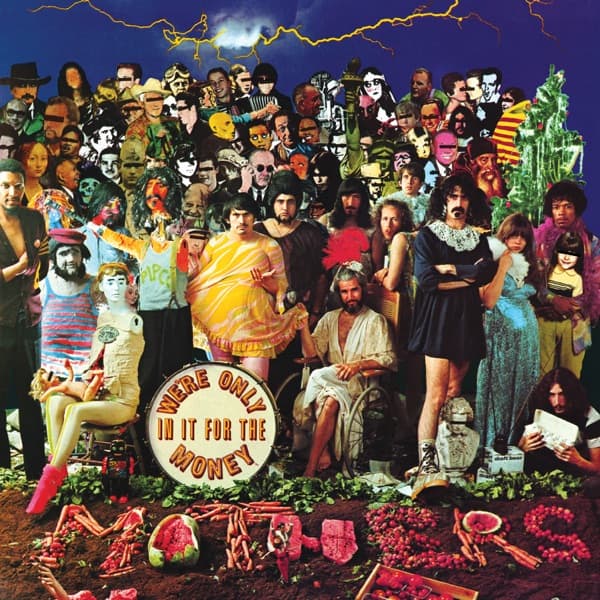
We're Only in It for the Money by The Mothers of Invention — album cover art

We're Only in It for the Money by The Mothers of Invention (1968)

In 1968 Frank Zappa set out to make a photographic negative of Sgt. Pepper: thunderstorm instead of blue sky, dresses instead of uniforms, rotting vegetables instead of flowers. Then the Beatles' label got nervous, the packaging got flipped inside-out, and Jimi Hendrix showed up in person. Behind the lurid crowd lies a lawsuit-shadowed act of sabotage aimed straight at the summer of love.

Label
Verve Records
Designer
Cal Schenkel
Photographer
Jerry Schatzberg
Genre
Rock
Decade
1960s
Read the full story →
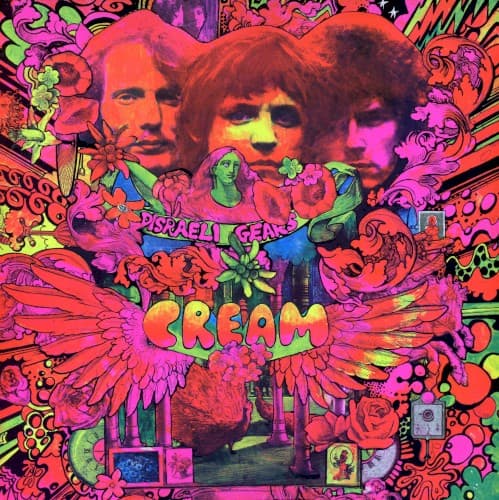
Disraeli Gears by Cream — album cover art

Disraeli Gears by Cream (1967)

A roadie's mispronunciation gave the album its name; a chance meeting in a nightclub gave it its face. Cream's Disraeli Gears wears a fluorescent collage built from a publicity photo, scissors, and paint mixed to capture a 'warm electric sound.'

Label
Reaction Records
Designer
Martin Sharp
Photographer
Robert Whitaker
Genre
Rock, Blues
Decade
1960s
Read the full story →
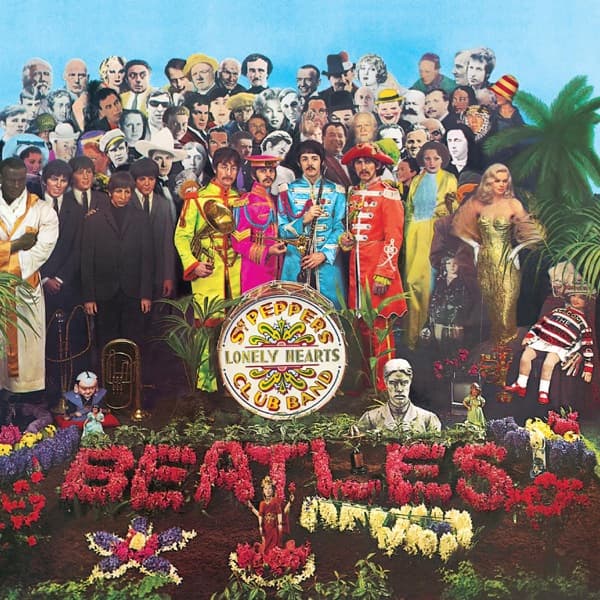
Sgt. Pepper's Lonely Hearts Club Band by The Beatles — album cover art

Sgt. Pepper's Lonely Hearts Club Band by The Beatles (1967)

The concept was born from Paul McCartney's idea that the Beatles would become an entirely fictional band. The cover depicts the band in colorful satin military uniforms standing in front of a crowd of life-size cardboard cutouts of famous figures.

Label
Parlophone / Capitol
Designer
Peter Blake & Jann Haworth
Photographer
Michael Cooper
Genre
Rock, Pop
Decade
1960s
Read the full story →
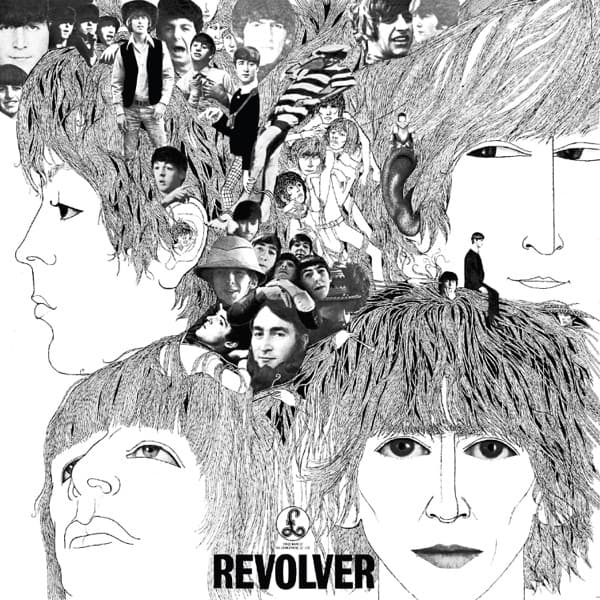
Revolver by The Beatles — album cover art

Revolver by The Beatles (1966)

Klaus Voormann's revolutionary black-and-white collage combines pen-and-ink drawings with photographs, using the Beatles' flowing hair to create a psychedelic masterpiece that won the first Grammy Award for rock album artwork in 1967.

Label
Parlophone
Designer
Klaus Voormann
Photographer
Robert Freeman
Genre
Rock
Decade
1960s
Read the full story →

Related design themes