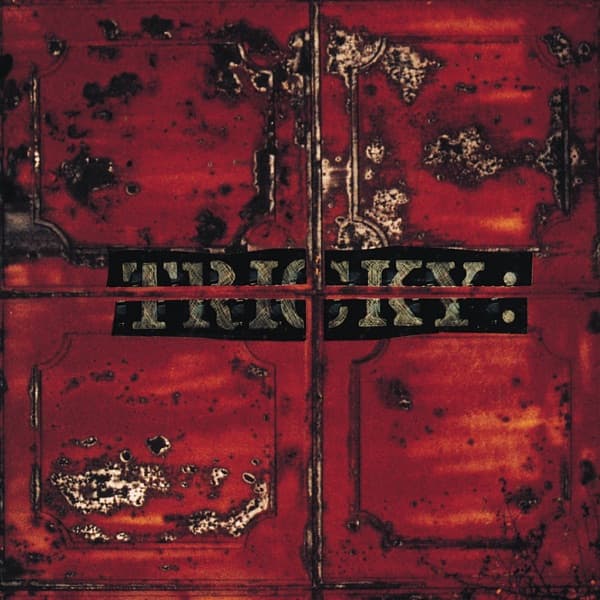
The cover of Maxinquaye presents one of the most enigmatic and haunting portraits in 1990s album art. The stark black and white photograph shows Tricky in an intimate, almost vulnerable pose that mirrors the album's deeply personal and introspective musical content.
The concept emerged from Tricky's desire to create something that felt raw and unpolished, rejecting the glossy aesthetics dominating pop music in the mid-90s. He wanted the cover to reflect the album's themes of urban alienation, personal struggle, and the blurred boundaries between masculine and feminine identity that permeate his music.
The photograph captures Tricky in what appears to be a candid moment, his gaze direct but distant. The lighting creates deep shadows that give the image an almost film noir quality, perfectly complementing the album's cinematic soundscapes and dark atmosphere.
The execution relied on high-contrast black and white photography that strips away any distractions from the subject. The grain and texture of the image add to its raw, unfiltered quality, making it feel more like a documentary photograph than a traditional album cover portrait.
While the specific photographer and designer credits remain unclear, the cover's aesthetic aligns with the underground art and photography movements of early 1990s Bristol. The city's vibrant creative scene, which spawned trip-hop alongside visual artists and photographers, clearly influenced the cover's raw, uncompromising style.
The typography treatment is deliberately understated, with simple white text that doesn't compete with the powerful central image. The artist name and album title appear in clean, sans-serif fonts that feel modern without being trendy.
4th & B'way Records embraced the unconventional cover, recognizing that it perfectly captured the groundbreaking nature of Tricky's music. The label understood that the mysterious, artistic approach would appeal to alternative music fans seeking something more substantial than mainstream offerings.
Music critics and fans immediately connected with the cover's authenticity and emotional resonance. The image became synonymous with the trip-hop movement and Bristol's creative renaissance, helping establish visual conventions for alternative electronic music.
The cover's influence extended beyond music into fashion and art photography, inspiring a generation of portrait photographers to embrace grittier, more intimate approaches. Its success proved that album covers could still function as powerful artistic statements in an increasingly commercial music industry.
The Maxinquaye cover became a template for alternative electronic artists throughout the late 1990s and early 2000s. Its combination of stark portraiture and minimal design influenced countless album covers in the trip-hop, downtempo, and experimental electronic genres.
The album title itself honors Tricky's mother, Maxine Quaye, adding another layer of personal significance to the cover's intimate portrait. This connection between the image and the album's deeply personal content creates a rare unity between visual and musical expression that few album covers achieve.