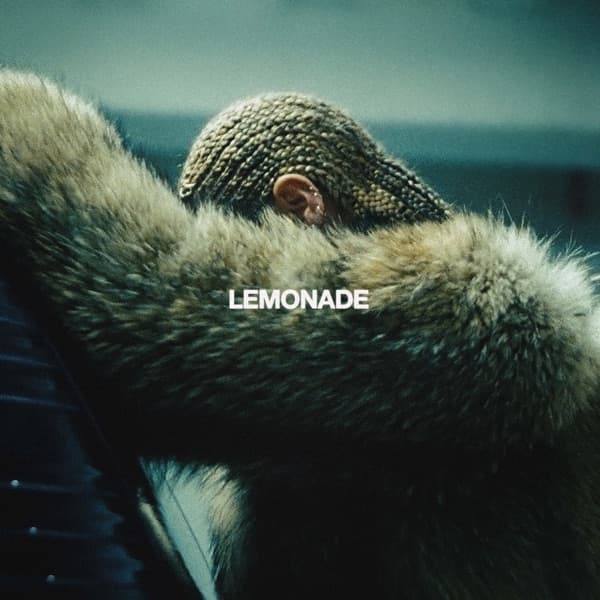


The cover for Beyoncé's Lemonade deliberately chose restraint over spectacle, featuring an intimate black-and-white portrait that stands in stark contrast to the album's explosive visual companion film. While the exact photographer and designer remain officially uncredited, the image captures Beyoncé in contemplative profile, her face partially shadowed in a composition that suggests both vulnerability and strength.
The concept emerged from the album's deeply personal narrative structure, which chronicled a journey through infidelity, rage, and reconciliation. Rather than competing with the accompanying visual album's rich imagery — which featured elaborate costumes, Southern Gothic locations, and symbolic props — the cover opted for stripped-down intimacy. The portrait serves as a quiet entry point into the storm of emotions contained within.
The photograph was likely taken during the same period as the visual album's production, which spanned multiple locations across the American South in 2015 and early 2016. The image quality and lighting suggest professional studio conditions, though the exact circumstances of the shoot remain undocumented. The decision to present Beyoncé without elaborate styling or props marked a departure from her previous album covers.
The execution emphasizes natural lighting and minimal retouching, allowing Beyoncé's expression to carry the emotional weight. Her gaze is directed away from the camera, creating a sense of introspection that aligns with the album's themes of self-examination and healing. The composition crops tightly around her face and shoulders, eliminating distracting elements.
While the specific creative team behind the cover remains officially uncredited, the visual album featured cinematography by Malik Hassan Sayeed and Jonas Åkerlund, among others. The cover's aesthetic choices suggest coordination with the album's overall visual direction, which was overseen by Beyoncé herself as executive producer. The decision to leave credits minimal or absent entirely became part of the album's mysterious rollout strategy.
The album's surprise release in April 2016, accompanied simultaneously by the hour-long visual album on HBO, created immediate cultural shockwaves. Critics and fans noted how the understated cover contrasted with the visual album's baroque imagery of Beyoncé smashing cars with a baseball bat and lounging in elaborate gowns. The cover's restraint allowed the music and visuals within to provide the drama.
Public reaction focused more on the album's content than its cover design, as Lemonade sparked widespread discussion about marriage, infidelity, and Black womanhood in America. However, the cover's intimate approach was praised for avoiding the pitfalls of exploiting personal pain for commercial appeal. Music journalists noted how the subtle presentation matched the album's artistic ambitions.
The cover's minimalist approach influenced subsequent R&B and pop album designs, particularly among artists exploring personal trauma or growth. Its success demonstrated that major artists could opt for understated presentation even when dealing with explosive subject matter. The image became iconic not for its visual complexity but for its emotional directness.
Lemonade's cover art legacy lies in its proof that sometimes the most powerful statement is the quietest one. In an era of increasingly elaborate album presentations, Beyoncé chose to let her artistry speak louder than her imagery. The cover remains a masterclass in knowing when to step back and let the music take center stage.
Interestingly, the physical album releases featured additional imagery from the visual album's production, but the core cover image remained consistent across all formats. This decision reinforced the cover's role as the album's emotional anchor, even as buyers discovered the visual feast contained within the packaging.
Color palette
Dominant colors on this cover
#47b7b3
#9fd9d7
#99945c
#245c5a
#30453b
Inside the Design
Visual analysis
The composition of Lemonade's cover employs classical portraiture techniques, with Beyoncé positioned in three-quarter profile against a neutral background. The framing creates an intimate viewing distance, cropping tightly around her head and shoulders to eliminate visual distractions. The asymmetrical composition places her slightly off-center, with negative space on the right creating visual breathing room that enhances the contemplative mood. Her downward gaze leads the eye through the frame while maintaining the sense of private reflection.
The monochromatic palette strips away color's emotional manipulation, forcing viewers to engage with Beyoncé's expression and the photograph's tonal subtleties. The grayscale treatment creates timeless quality, removing the image from specific fashion moments or color trends that might date it. Soft gradations from deep blacks to bright highlights model her features naturally, while the overall mid-tone balance suggests dawn or dusk lighting — transitional moments that mirror the album's themes of transformation.
Typographic treatment remains minimal and elegant, with Beyoncé's name appearing in simple, understated lettering that doesn't compete with the photograph. The album title Lemonade likely appears in complementary scaling and positioning, maintaining the overall sense of restraint. The typography's restraint reinforces the cover's strategy of letting the artist's presence and expression carry the visual weight, rather than relying on decorative elements or bold graphic statements.
This approach influenced a generation of album covers toward greater photographic intimacy and typographic restraint, particularly among R&B and pop artists exploring personal narratives. The cover demonstrated that major commercial releases could employ fine art portraiture techniques successfully, bridging the gap between commercial appeal and artistic sophistication. Its legacy appears in subsequent album covers that choose emotional directness over visual spectacle, proving that sometimes the most powerful design choice is knowing what to leave out.
Get notified when we publish new cover stories. Download the Behind the Covers app and turn on notifications — a new album art deep dive, every day.
Loved the story behind Lemonade? Hear the album or add it to your collection.
More “portrait” covers
More R&B Covers
More from the 2010s
Keep exploring
Connections across Behind the Covers

Up next
Songs in the Key of Life
Stevie Wonder · 1976 · Uncredited
Stevie Wonder's double album featured an innovative fold-out cover with intricate African-inspired border patterns and symbolic imagery representing life's journey. The artwork's cosmic and spiritual elements perfectly matched Wonder's most ambitious musical statement.
Read this story →Want to explore more?
Never miss a new cover story
Get the Behind the Covers app and turn on notifications — we publish new album art deep dives every day.