

Behind the Covers
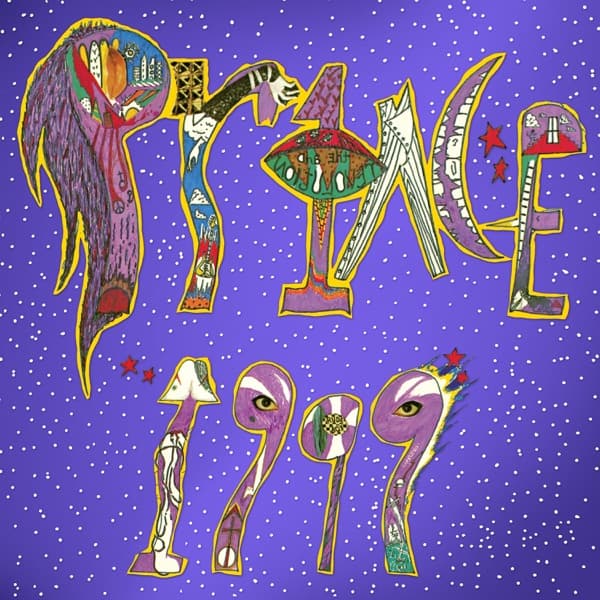
1999 by Prince — album cover art

1999

Prince · 1982

2 min read

Designer
Prince
Photographer
Allen Beaulieu
Label
Warner Bros. Records
Decade
1980s

The cover for Prince's 1999 almost never featured the artist's face at all — Prince initially wanted a completely abstract design with just the album title floating in purple space.

The concept emerged from Prince's desire to create something that felt both futuristic and timeless, matching the apocalyptic themes of the title track. He had been experimenting with purple as his signature color, and this cover would cement that association forever.

Photographer Allen Beaulieu, who had worked with Prince since his early Minneapolis days, was tasked with creating a portrait that felt mysterious and otherworldly. The shoot took place at Beaulieu's studio in a single afternoon session.

Beaulieu used dramatic side lighting to create the stark shadows across Prince's face, while a purple gel filter gave the entire image its ethereal quality. Prince insisted on minimal retouching, wanting the raw intensity of the original photograph to shine through.

The typography was kept deliberately simple — Prince rejected several ornate font options in favor of clean, sans-serif lettering. He personally supervised the color separation process to ensure the purple tones reproduced exactly as he envisioned.

Allen Beaulieu had become Prince's most trusted visual collaborator, understanding the artist's perfectionist nature and minimalist aesthetic. Their working relationship was built on few words but deep creative understanding.

Warner Bros. executives were initially concerned that the cover was too stark and wouldn't grab attention on record store shelves. Prince refused to compromise, insisting that the simplicity would make it stand out among busier designs.

Upon release, the cover became instantly iconic, with the purple-tinted portrait appearing on magazine covers and posters worldwide. Critics praised its sophisticated minimalism in an era of flashy album artwork.

The visual became so synonymous with Prince that purple lighting became standard at his concerts for decades. The cover influenced countless R&B and pop artists to adopt monochromatic color schemes for their own album artwork.

Music photographers began copying Beaulieu's dramatic side-lighting technique, making it a standard approach for moody portrait sessions. The cover's influence extended beyond music into fashion photography and portrait work.

The original color transparencies for the cover shoot were stolen from Beaulieu's studio in the 1990s and have never been recovered, making the existing prints even more valuable to collectors.
Color palette

Dominant colors on this cover

#f1a41c

#e6c45c

#9ca35a

#5f3e23

#2d4327

Inside the Design

Visual analysis

The composition centers Prince's face in the frame with mathematical precision, using the rule of thirds to position his eyes at the optimal focal point. The dramatic side lighting creates a powerful diagonal divide across his face, with light and shadow creating visual tension that draws the viewer's eye in a Z-pattern across the cover.

The purple color palette functions as both branding and mood-setting, with the monochromatic treatment elevating the portrait beyond mere documentation into artistic statement. The purple tones range from deep violet in the shadows to pale lavender highlights, creating subtle gradations that give dimensionality without breaking the unified color scheme.

The typography choice reflects early 1980s modernist design principles, with clean sans-serif letters that complement rather than compete with the photographic image. The white text creates the necessary contrast against the purple background while maintaining the cover's minimalist aesthetic, with generous spacing that allows each element to breathe.

This cover helped establish purple as a signature color in music culture and influenced a generation of R&B and pop album designs toward monochromatic color schemes. The stark minimalism predated the clean design trends that would dominate the late 1980s and 1990s, making it both of its time and ahead of its time in terms of visual culture impact.

Get a new cover story every week

One email, one iconic album cover — the designer, the story, and why it matters.

Get notified when we publish new cover stories. Download the Behind the Covers app and turn on notifications — a new album art deep dive, every day.

Loved the story behind 1999? Hear the album or add it to your collection.

Keep exploring

Connections across Behind the Covers

Sign o' the Times by Prince

Up next

Sign o' the Times

Prince · 1987 · Prince

Prince stripped away his usual purple fantasy for stark black typography on white—a radical departure that reflected the album's serious social commentary. The minimalist design was Prince's own creation, abandoning rock star imagery for newspaper-style urgency.

Read this story →

Want to explore more?

Never miss a new cover story

Get the Behind the Covers app and turn on notifications — we publish new album art deep dives every day.