The composition is built on a single disorienting decision: the figure is inverted, so the natural top-to-bottom reading of a portrait is turned against the viewer. The eye enters at the upper left, follows the heavy metal chain as it runs down to the swing seat, and only then arrives at Rodrigo herself, hooked over the seat with her legs thrown up toward the top of the frame. That downward diagonal gives the image its energy, a body in genuine mid-swing rather than a static pose.
Colour does much of the emotional work. The pink dress reads warm, girlish, sweet, and it sits against an enormous expanse of pale blue washed with the faintest wisps of high cloud. There is no ground in this picture. No playground, no grass, no horizon, just Rodrigo, the chain, and open sky. The emptiness is the point: it strips away every anchoring detail and leaves only the sensation of hanging, weightless and slightly out of control, in the middle of falling. The negative space is not a backdrop so much as the subject's atmosphere.
The smaller details sharpen the tension. Her hands grip near the plastic-coated links, knuckles pale with the effort of holding the impossible pose, so the ease of the smile is contradicted by the strain of the grip. The white socks and chunky black platform heels catch the light and pull the eye upward to where her feet crown the frame. Her dark hair fans out beneath her head, loose strands splayed like ink dropped in water, a soft counterweight to the hard geometry of the chain. Her mouth is open in a smile or a laugh, caught mid-motion.
The title tells you how to read that smile. You Seem Pretty Sad for a Girl So in Love is a sentence that undercuts itself, and the picture performs the same trick visually. Here is a young woman literally flipped, playing on a swing, grinning against a summer sky, and yet the frame is dominated by absence and disorientation. The joy and the vertigo are the same gesture; you cannot separate the delight of swinging from the fear of the drop.
Even the small white Parental Advisory sticker tucked into the upper right corner, warning of explicit content, works within the image. It sits like a note pinned to something otherwise sunny and childlike, a flat rectangular intrusion on all that open blue, a reminder that the innocence on display is qualified.
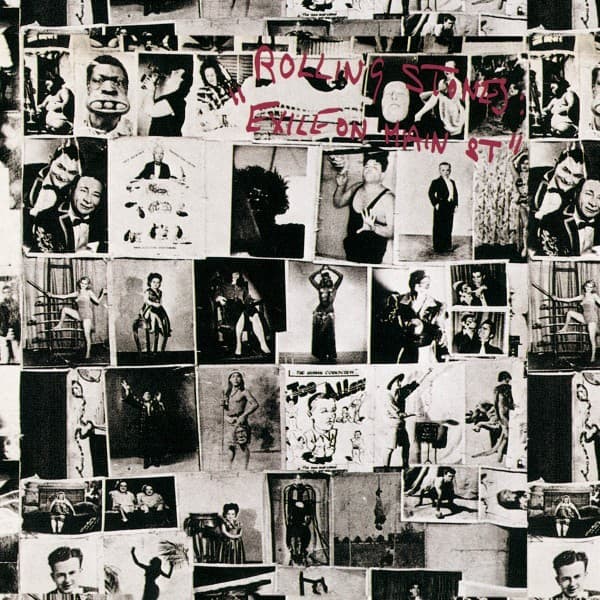
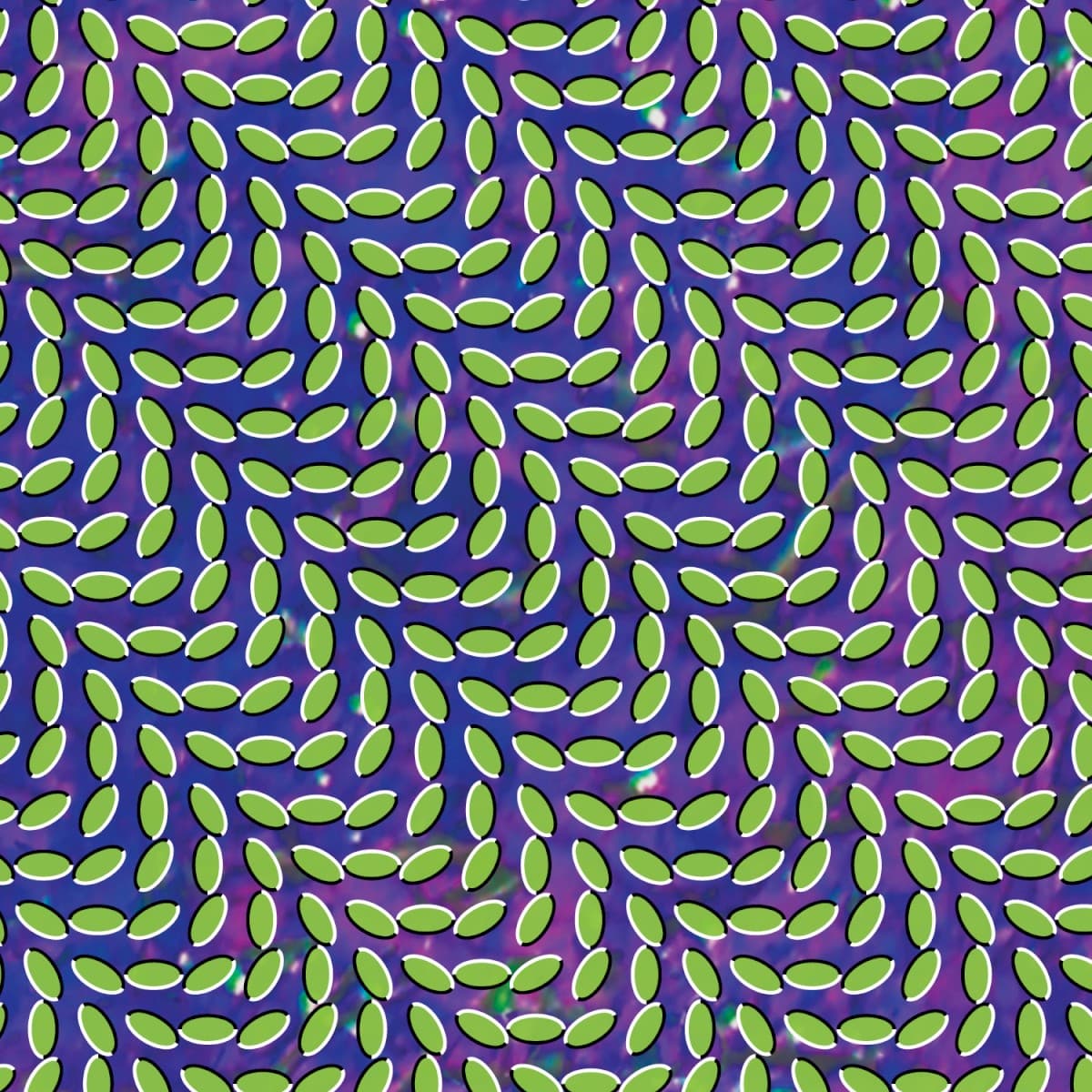
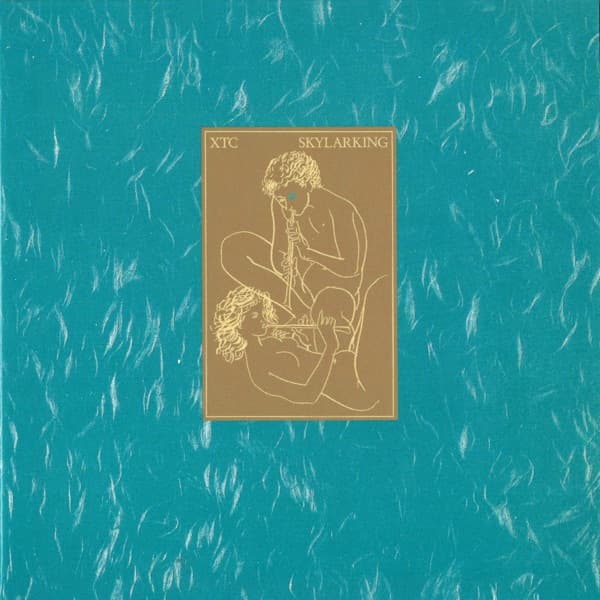
An upside-down figure against open sky is a strong, memorable idea, precisely the kind of image that lodges itself in cultural memory. That clarity is the source of both its force and its fragility: the cleaner and more distilled an image tries to be, the easier it is to hold beside another. What the frame ultimately delivers is a study in balanced opposites, buoyant and blue and precariously suspended, the sad girl so in love smiling upside-down with nothing beneath her but sky.