Psychedelic Album Covers: Color, Distortion, and the 1960s
Melting type, impossible color, and collage: how the 1960s counterculture redrew the record sleeve.
By Brett Cassidy2 min readUpdated
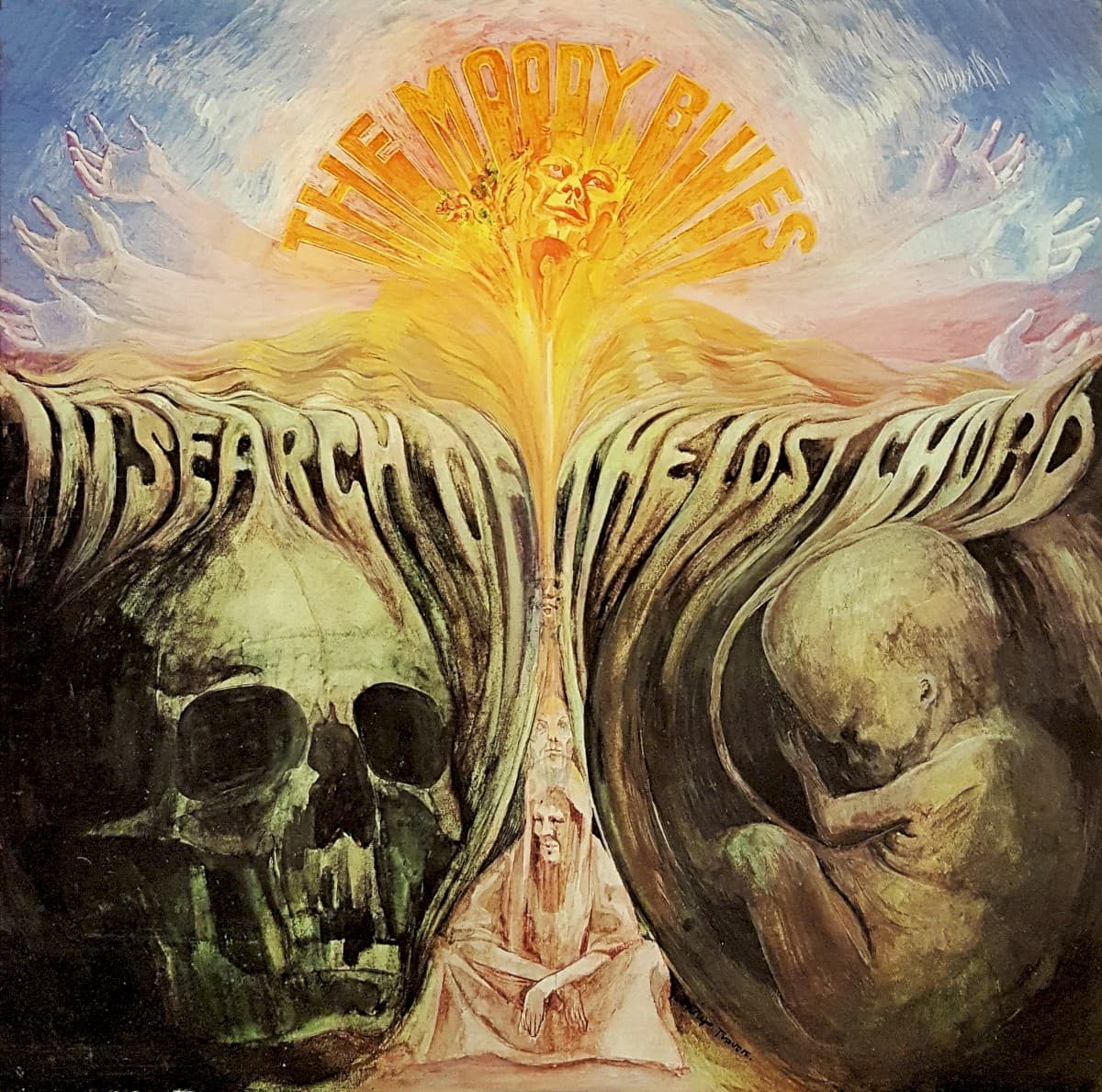
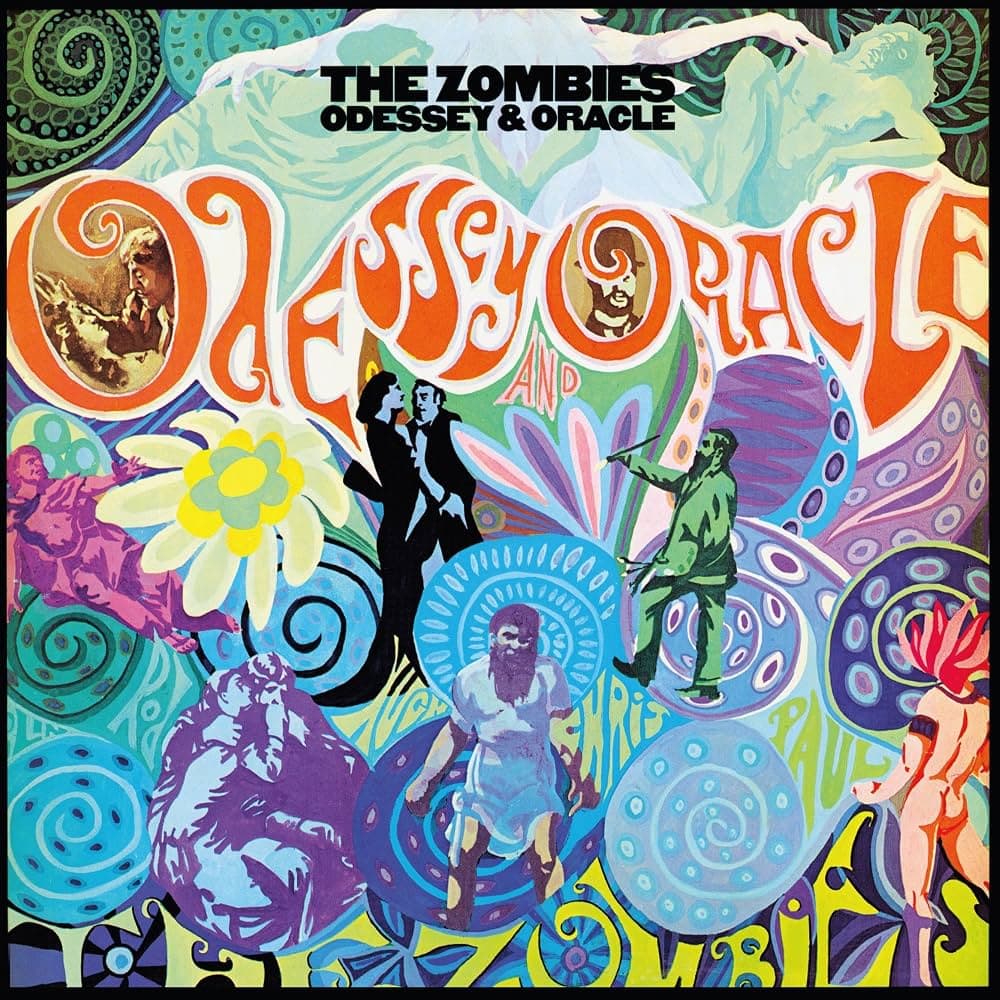
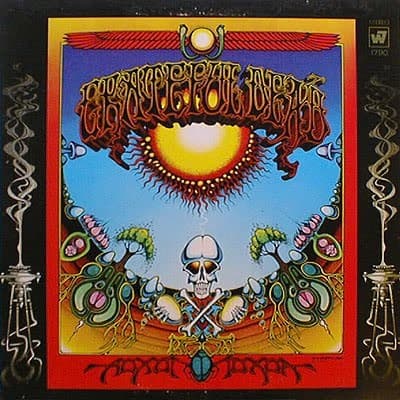
Psychedelic cover art is the moment the sleeve tried to depict an altered state. Borrowing from concert-poster artists, Art Nouveau, and Pop collage, designers reached for saturated color, warped lettering, and dense visual fields meant to reward long, unfocused looking.
This guide covers where the style came from, what its visual signatures are, and how it pushed album art toward the elaborate, idea-driven covers of the 1970s.
From concert posters to record sleeves
The style was incubated on San Francisco concert posters, where artists developed near-illegible, hand-drawn lettering and vibrating complementary colors. When those artists and aesthetics moved onto album covers, the sleeve inherited a deliberately demanding, anti-corporate look.
Collage, color, and the gatefold
Psychedelic covers favored collage and tableau — crowds of references, hidden details, and the gatefold's extra real estate. The Beatles' Sgt. Pepper crowd scene is the canonical example: a cover designed to be pored over, not glanced at.
The visual excess matched the music's ambition and helped normalize the idea that a cover could be a project in its own right.
The afterlife of the style
Psychedelia never really left; it recurs whenever a scene wants to signal freedom, nostalgia, or chemical adventure — from 1990s neo-psych to contemporary festival branding. Its core lesson, that color and density can encode a mood, outlasted the era that invented it.
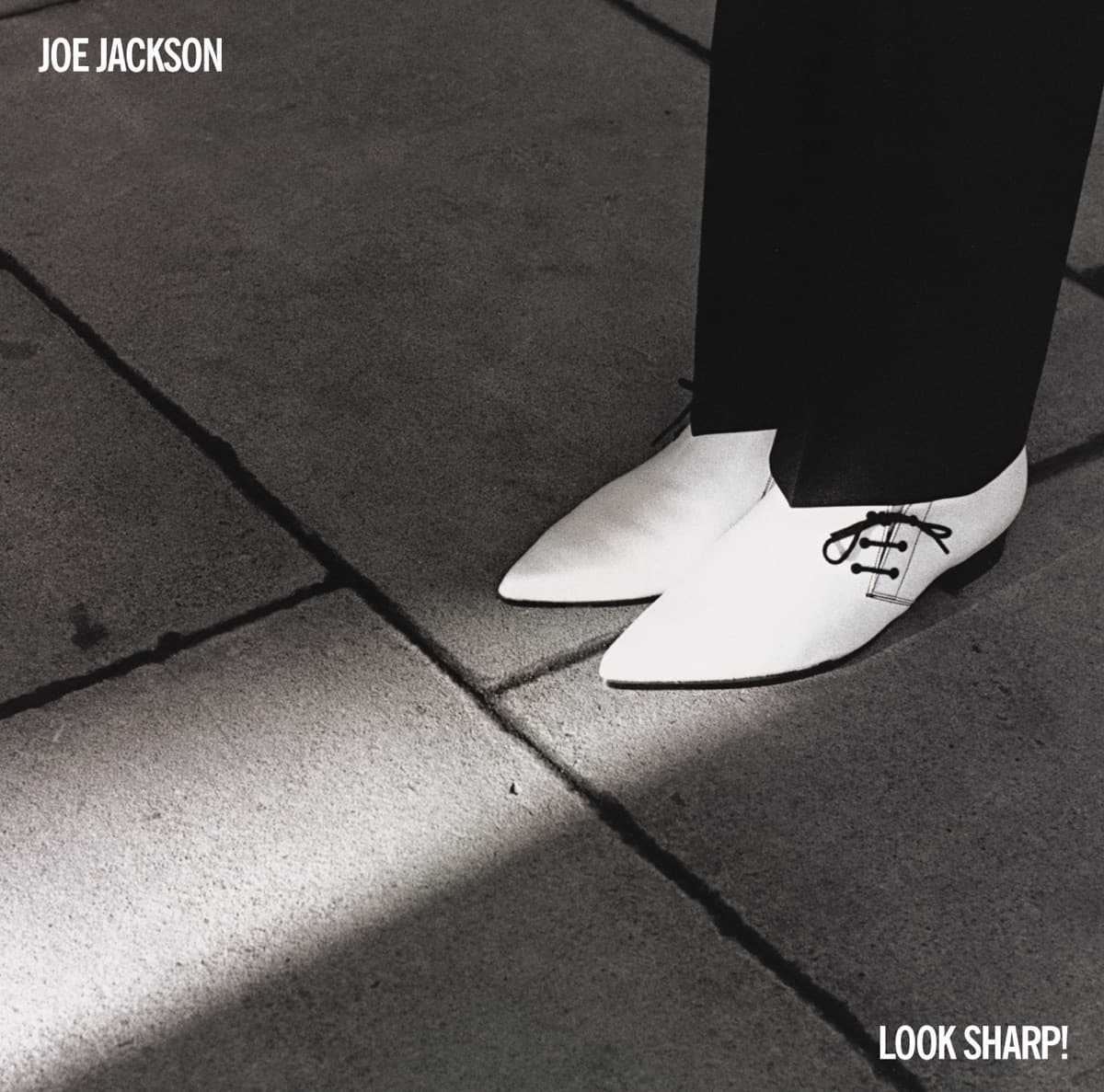
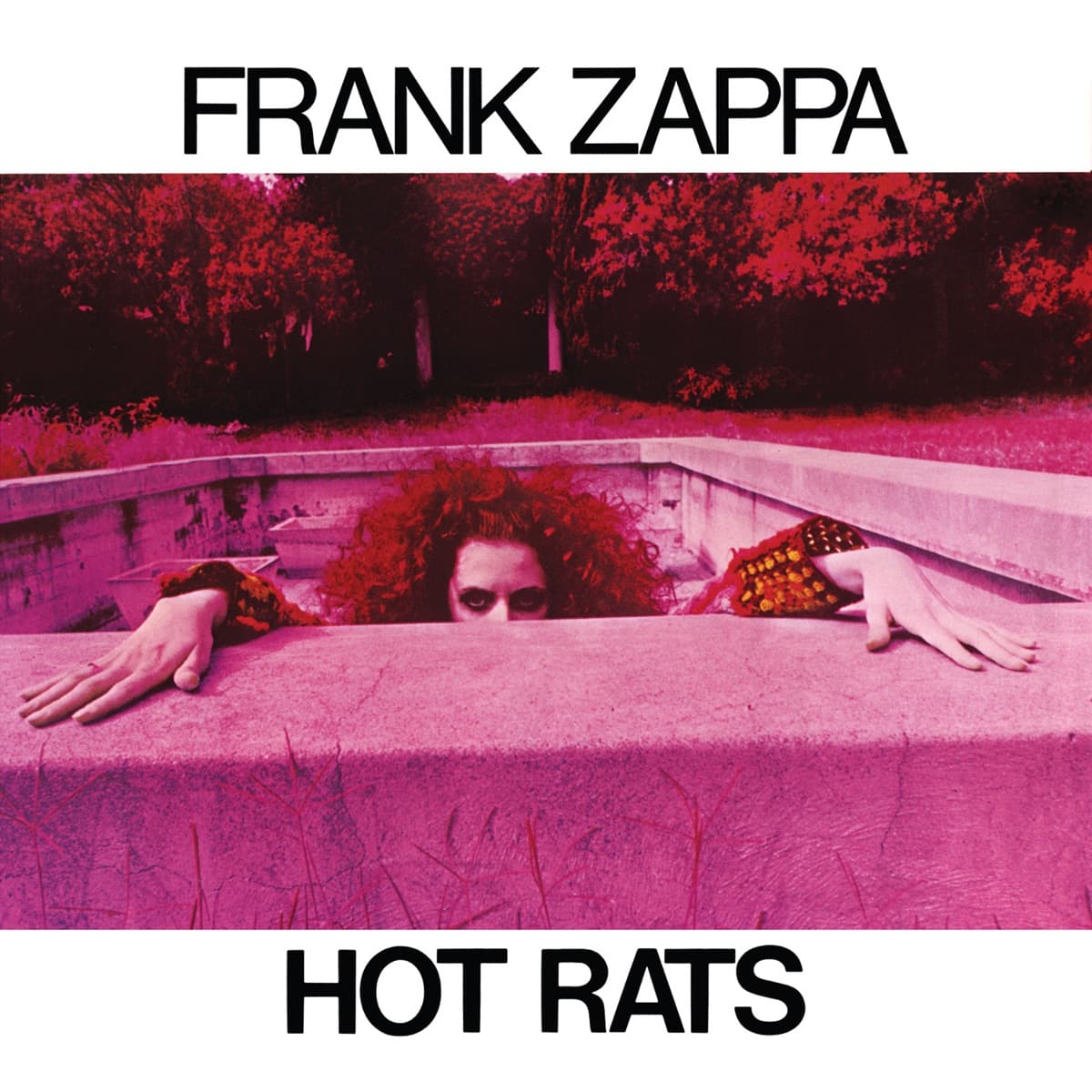
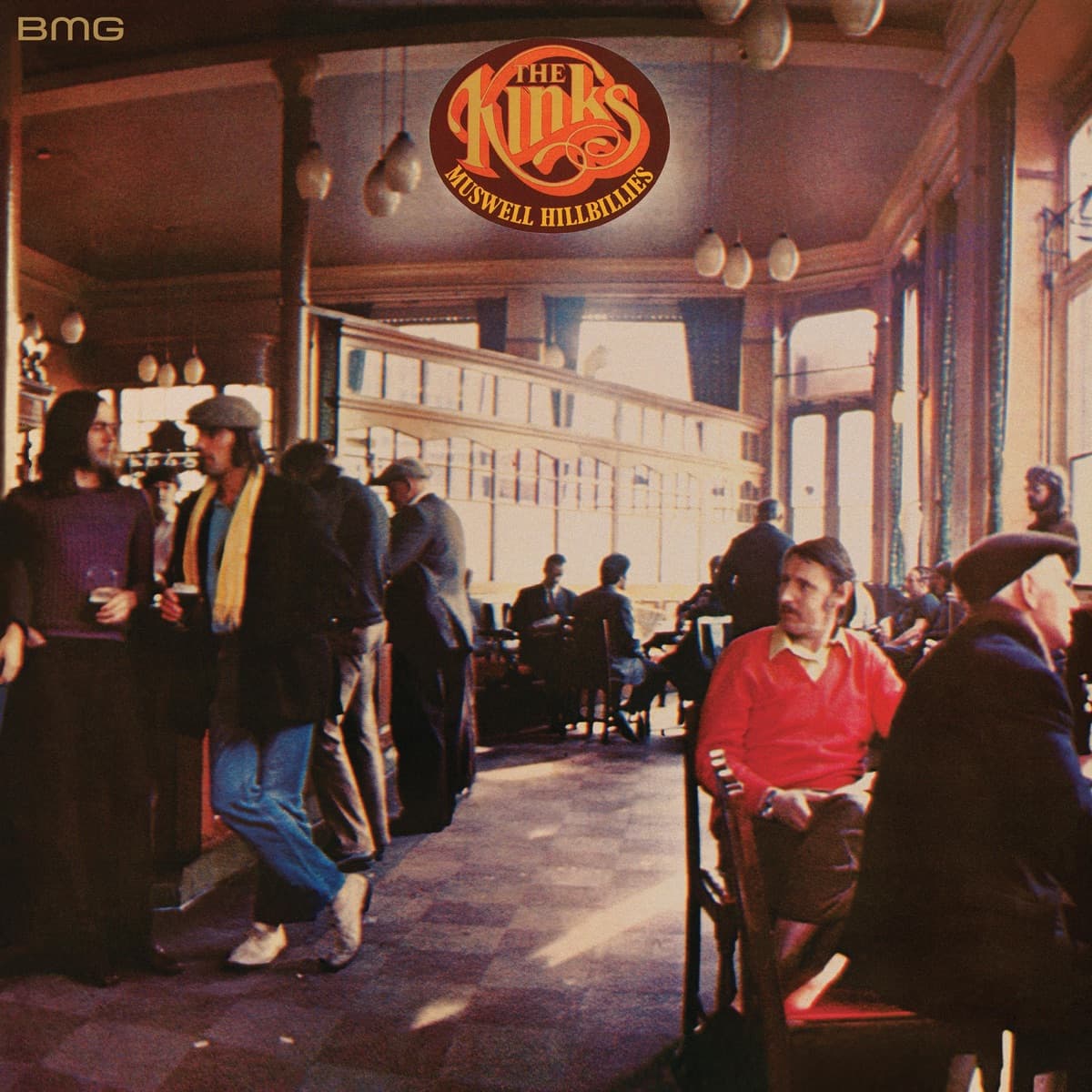
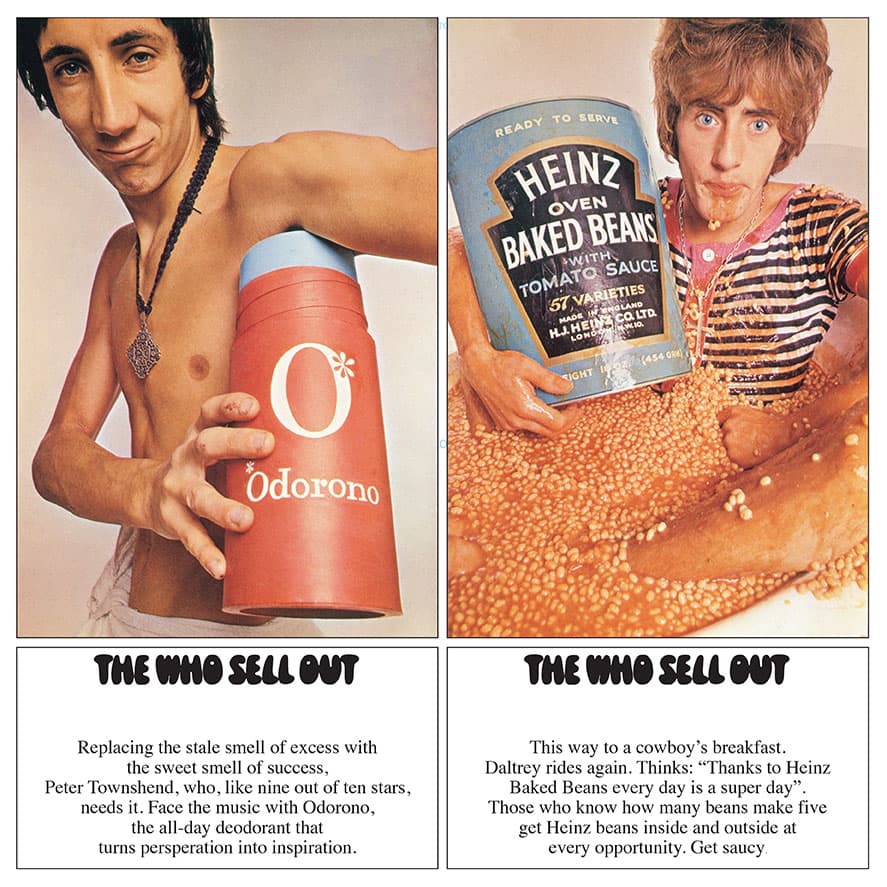
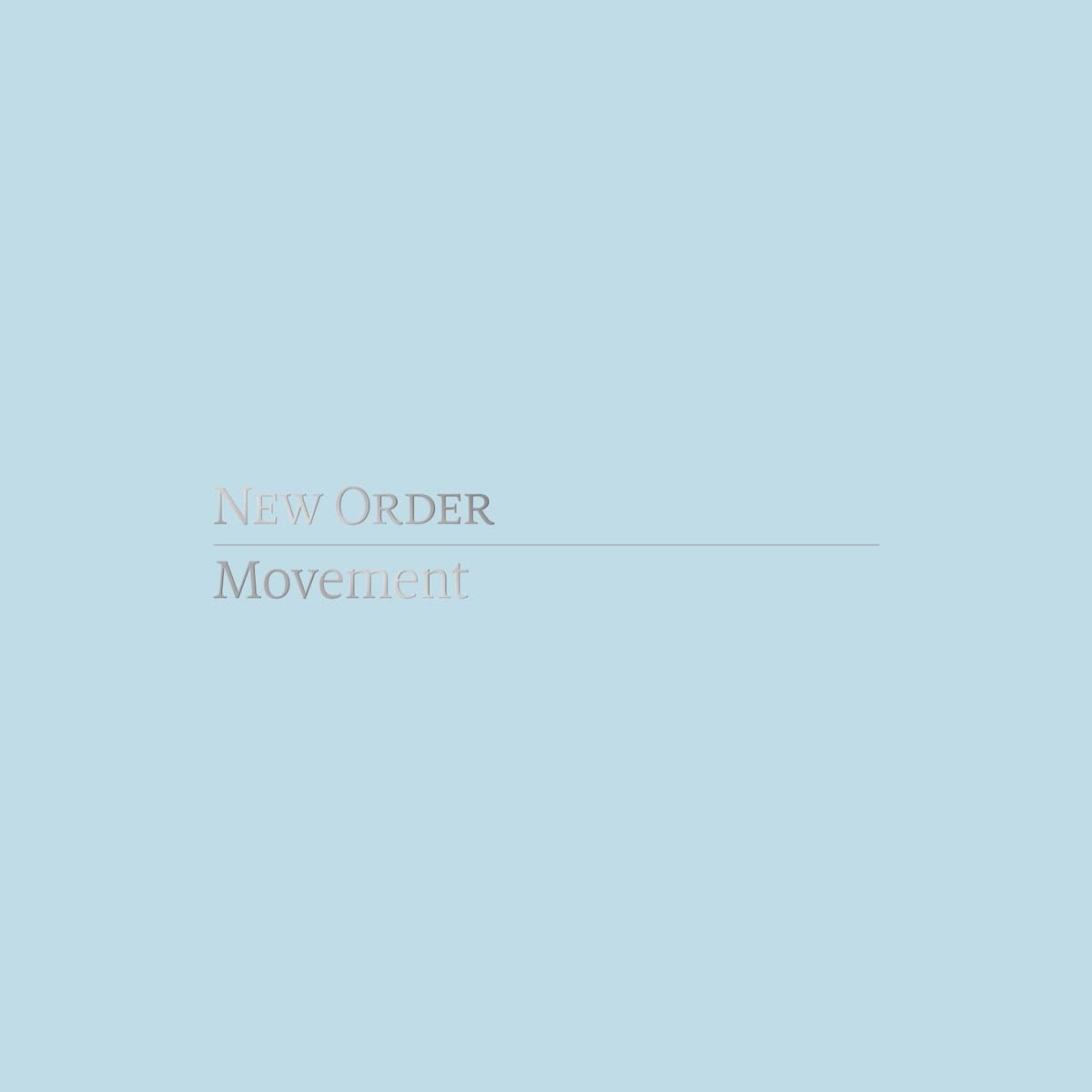
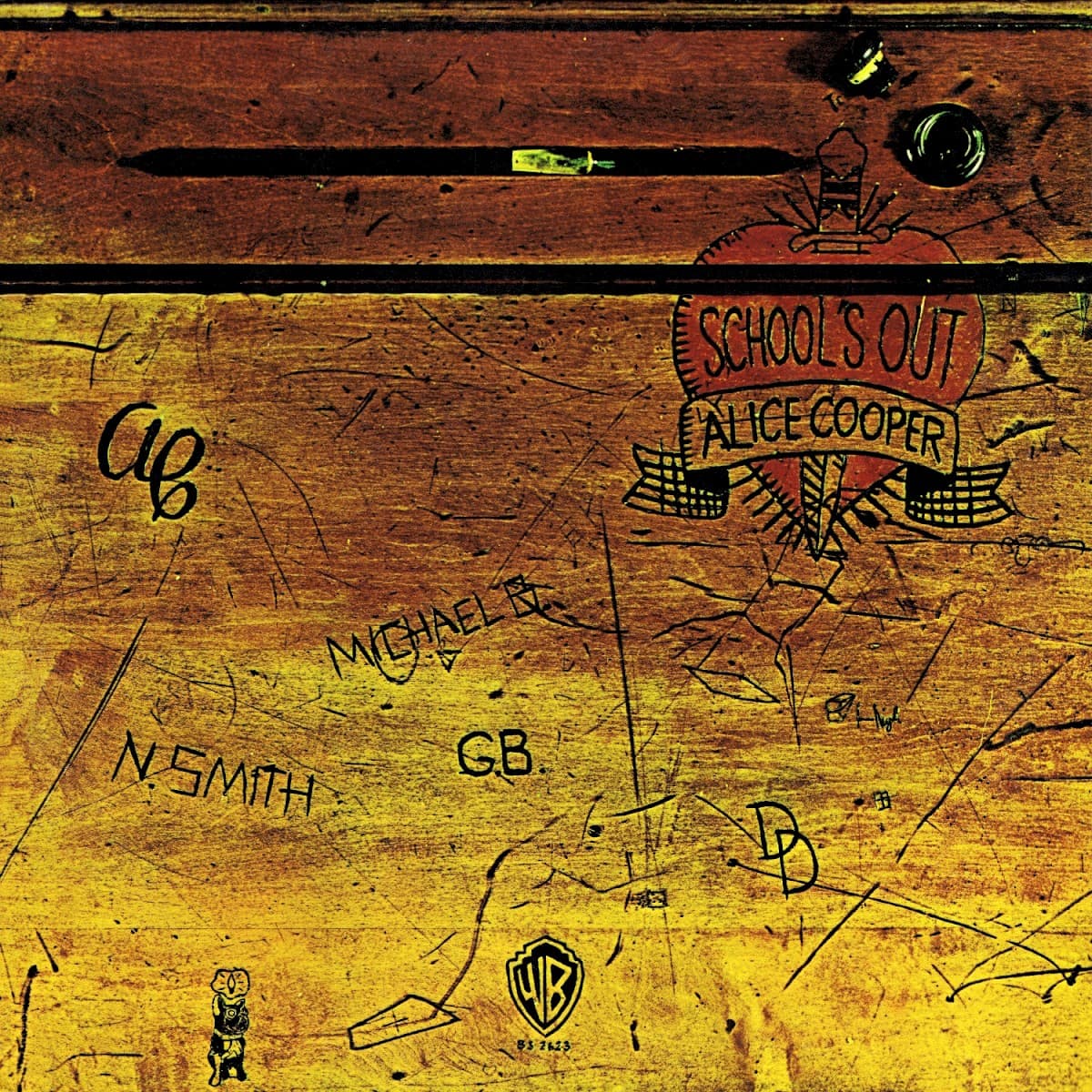
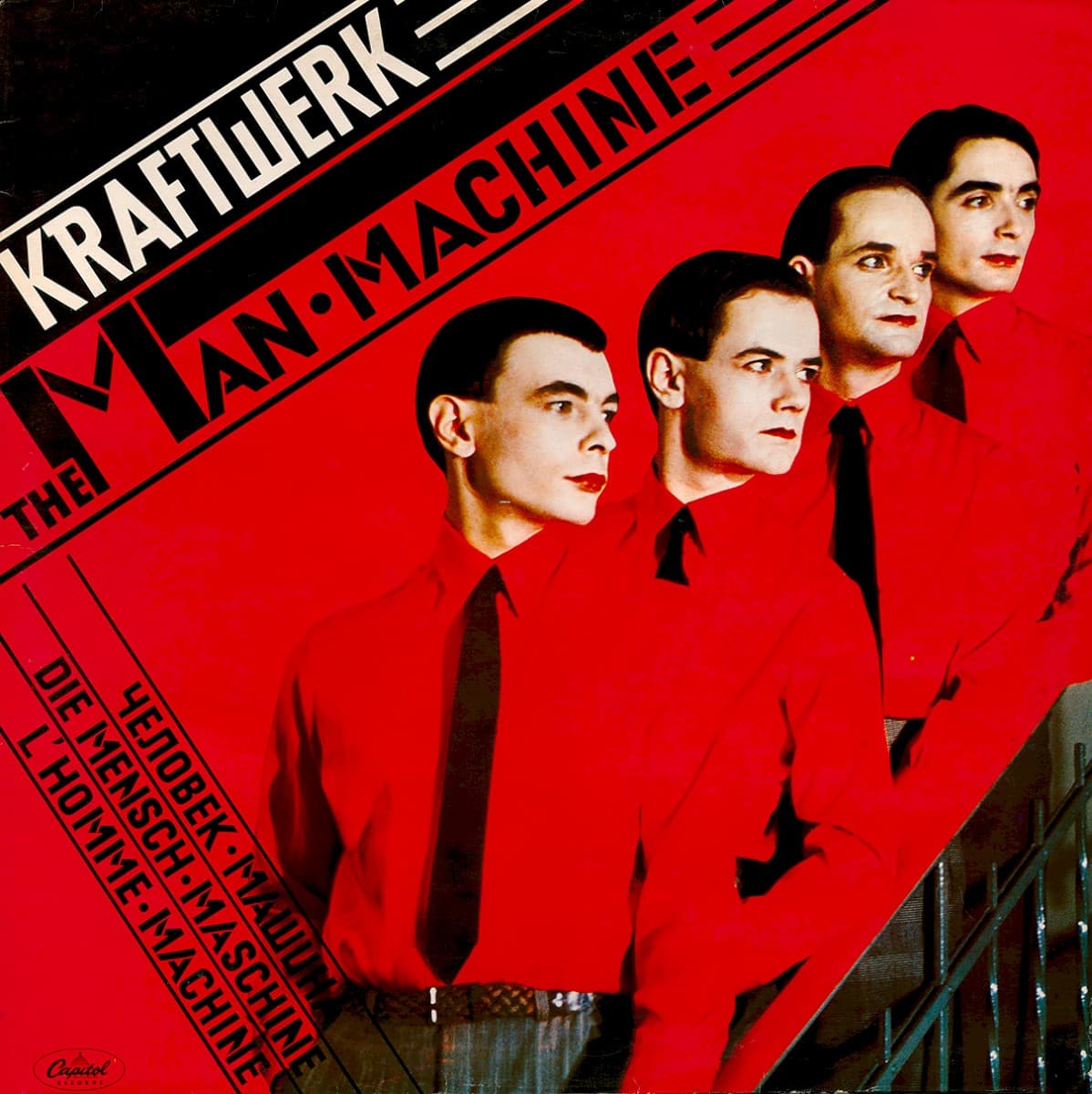
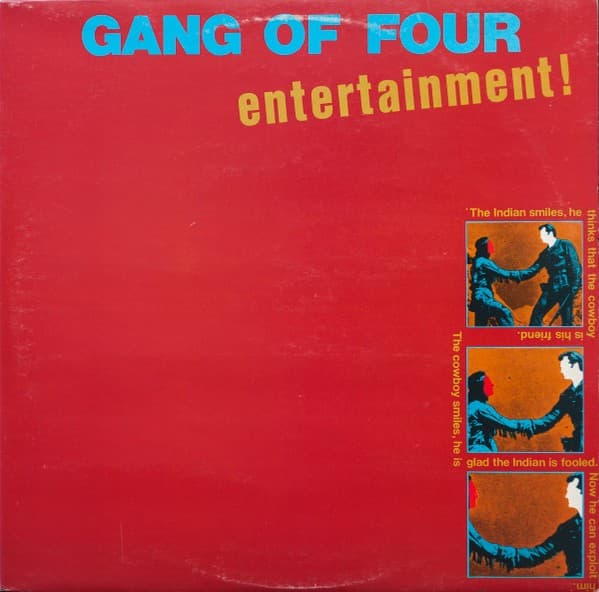
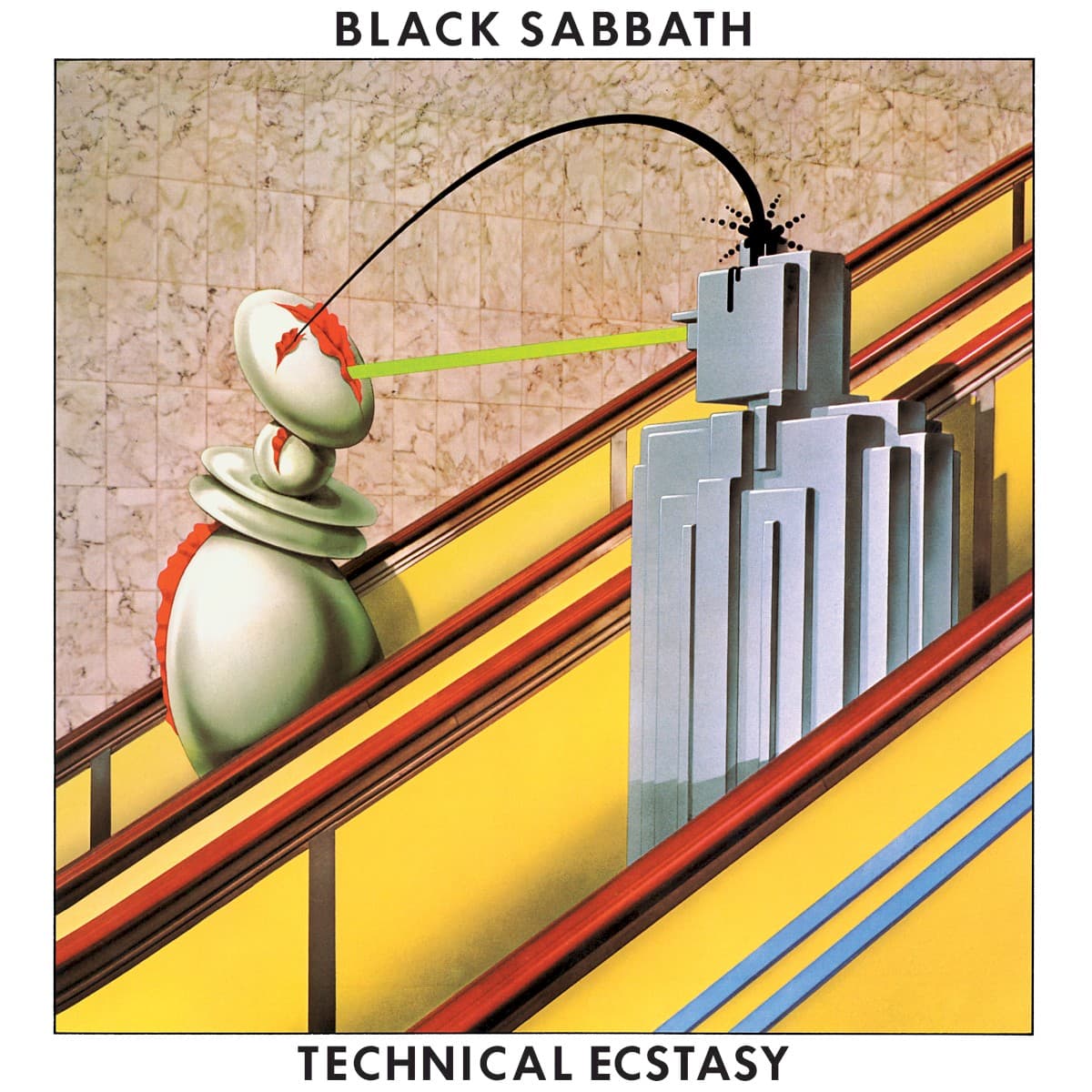
Album covers featured in this guide
Read the full story behind each cover in the archive.
Keep exploring
Sources & further reading
- The Art of Rock: Posters from Presley to Punk — Paul Grushkin
- Classic Album Covers of the 60s — Storm Thorgerson
- Summer of Love exhibition catalog — Whitney Museum of American Art
Read more about how we research and source these guides.