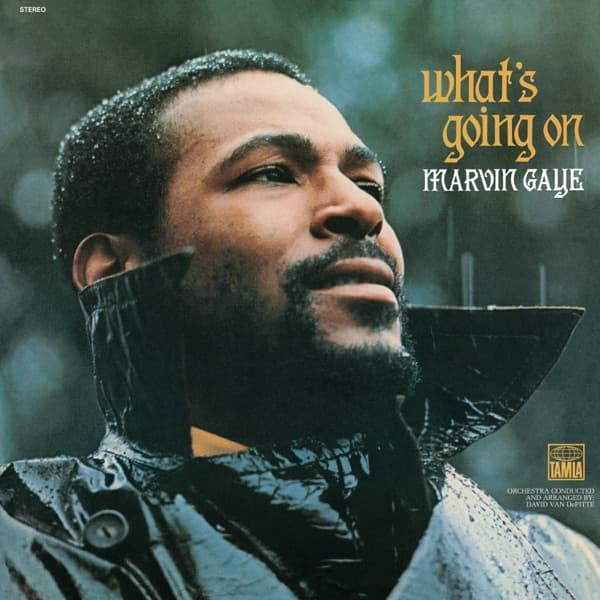
Marvin Gaye insisted on complete creative control over What's Going On, and that extended to the album cover — a decision that would create one of soul music's most iconic images. The cover photograph captures Gaye in an unguarded moment, wearing a simple knit cap and coat, his eyes gazing thoughtfully beyond the camera frame.
The concept emerged from Gaye's desire to present himself as an artist-philosopher rather than a traditional Motown entertainer. This was revolutionary thinking for a label that had built its empire on polished, uniform imagery across all its releases. Gaye wanted the cover to reflect the album's introspective, politically aware content.
The photograph was taken during a period when Gaye was questioning everything — the Vietnam War, civil rights, environmental destruction, and his own role as an artist. The casual styling was deliberate, presenting Gaye as an everyday person grappling with the world's problems rather than a distant pop star.
Unlike the typical Motown portrait sessions with professional lighting and formal attire, this cover embraced a documentary-style realism. The image suggests someone caught in a moment of deep contemplation, perfectly aligning with songs like "What's Going On" and "Mercy Mercy Me."
Berry Gordy initially resisted both the album's content and its understated visual presentation, preferring the glossy aesthetic that had made Motown famous. The label had built its brand on aspirational imagery — artists in evening wear, bright smiles, and polished perfection.
Gaye's artistic vision ultimately prevailed, though not without significant internal debate at Motown. The cover represented a dramatic departure from the label's house style, which typically featured bold colors, elegant typography, and glamorous photography.
When What's Going On was released in May 1971, the cover's intimate approach resonated with audiences hungry for authenticity during tumultuous social times. Critics praised both the music and the visual presentation as evidence of Gaye's artistic evolution.
The understated cover helped signal that this wasn't typical Motown fare — this was art with a message. The image's contemplative quality prepared listeners for the album's serious themes and sophisticated musical arrangements.
The cover's influence on soul and R&B album art was immediate and lasting. It proved that Black artists could present themselves as intellectuals and social commentators, not just entertainers, opening doors for countless musicians to follow.
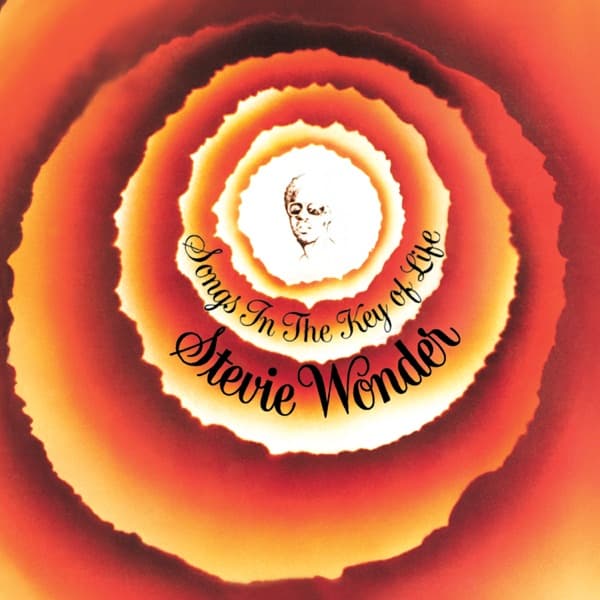
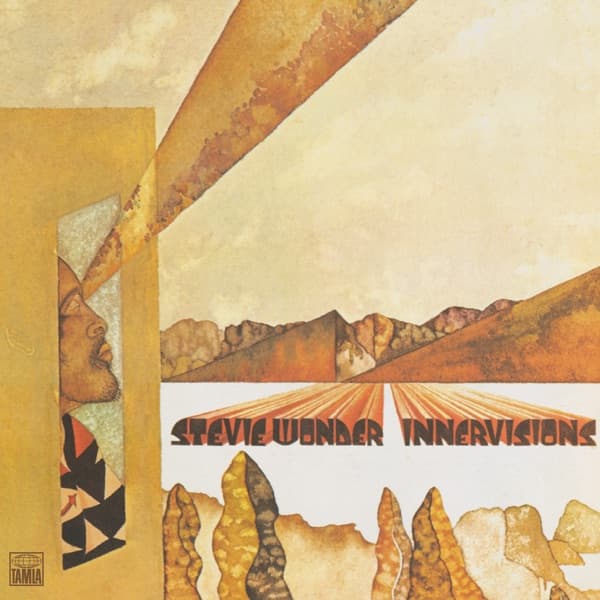
Subsequent albums by Stevie Wonder, Curtis Mayfield, and Gil Scott-Heron would adopt similar approaches, using photography that emphasized the artist's humanity over their celebrity. The cover helped establish a visual language for socially conscious Black music.
The photograph's enduring power lies in its ability to capture a specific moment in American history while remaining timelessly relevant. Gaye's contemplative expression continues to resonate with new generations discovering the album's urgent messages about social justice and environmental consciousness.