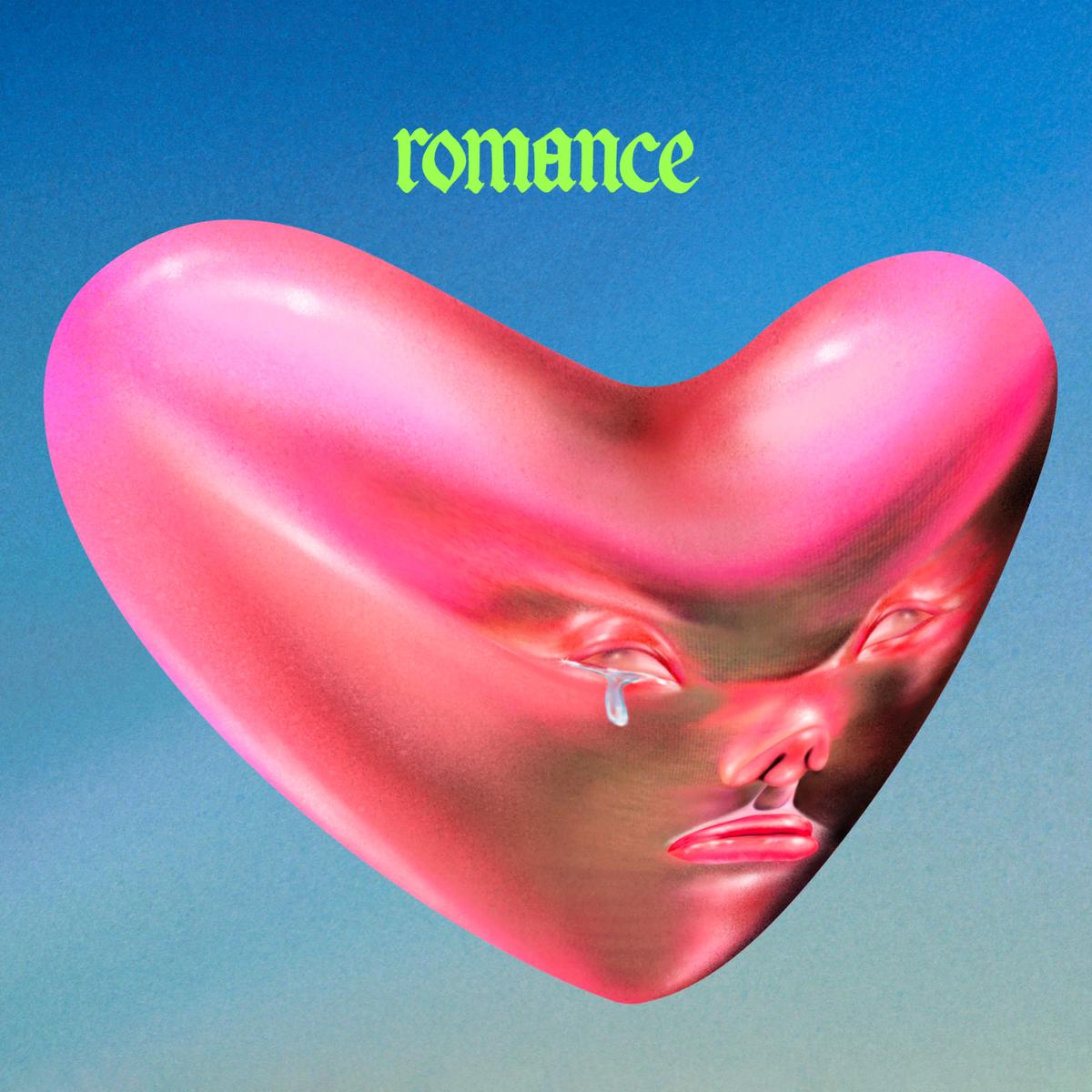

The heart on the cover of Fontaines D.C.'s Romance is crying. It is bright pink and instantly recognizable as a symbol of love, yet it has been given a face: eyes, a mouth and features that seem to have emerged from its soft, distorted surface. The result is funny for a moment, then unsettling. This is not the tidy red heart of a Valentine's card. It looks as though love itself has become a creature, and the creature is having a difficult time.
The image is a painting by Lulu Lin, whose work was selected for the band's fourth album. Its almost synthetic sheen is deceptive. What can initially look like a computer-generated object is an artwork with the strange physicality of painted flesh. That uncertainty is part of its appeal: the heart seems both artificial and painfully human, a familiar sign transformed into something vulnerable.
The painting was not made as a literal illustration of a particular song. Instead, it became the focal point of a wider visual direction developed with the band, including Carlos O'Connell and art director Texas Maragh. Their approach brought together romance, exaggerated feeling, the grotesque and a futuristic sense of unreality. The heart does several jobs at once. It makes the album's title visible without spelling out a sentimental message, and it suggests that affection can be ecstatic, embarrassing, frightening and sad.
Look closely at the face. The eyes give the heart someone to look back at us; the tear gives it an interior life. The familiar silhouette keeps the picture readable even at the size of a streaming thumbnail, but the facial details make it harder to dismiss as a simple logo. The cover succeeds through that collision between immediate recognition and slow discomfort.
The colors are equally important. Rather than surrounding the heart with the restrained palette of an archival photograph, the design leans into a vivid, acidic intensity. The image belongs to the same deliberately heightened world as the band's styling during this period. Romance was not just a change of sleeve; it was a change in how Fontaines D.C. presented themselves.
The lettering provides a quieter connection to the past. The band's distinctive typographic identity, developed in the Skinty Fia era with work by Ash Willerton, continued into the Romance campaign. Against the new palette and Lin's strange painting, that continuity matters. It lets the group alter almost everything about the visual mood without becoming unrecognizable.
Released on 23 August 2024 through XL Recordings, Romance was the band's first album for the label after three records on Partisan. Producer James Ford helped shape a sound that was broader and more theatrical than the urgent guitar music with which Fontaines D.C. first became known. The record moves between the breathless tension of Starburster, the expansive feeling of In the Modern World and the tenderness of Favourite. The crying heart seems capable of holding all three moods.
The title itself is important. Romance can describe attraction and idealization, but it also carries the possibility of disappointment. The cover refuses to choose between those meanings. Its heart is alive with feeling, but not necessarily happy. The face is neither a straightforward portrait of a person nor a diagram of an emotion. It leaves space for the listener to recognize something of their own experience in its exaggerated expression.
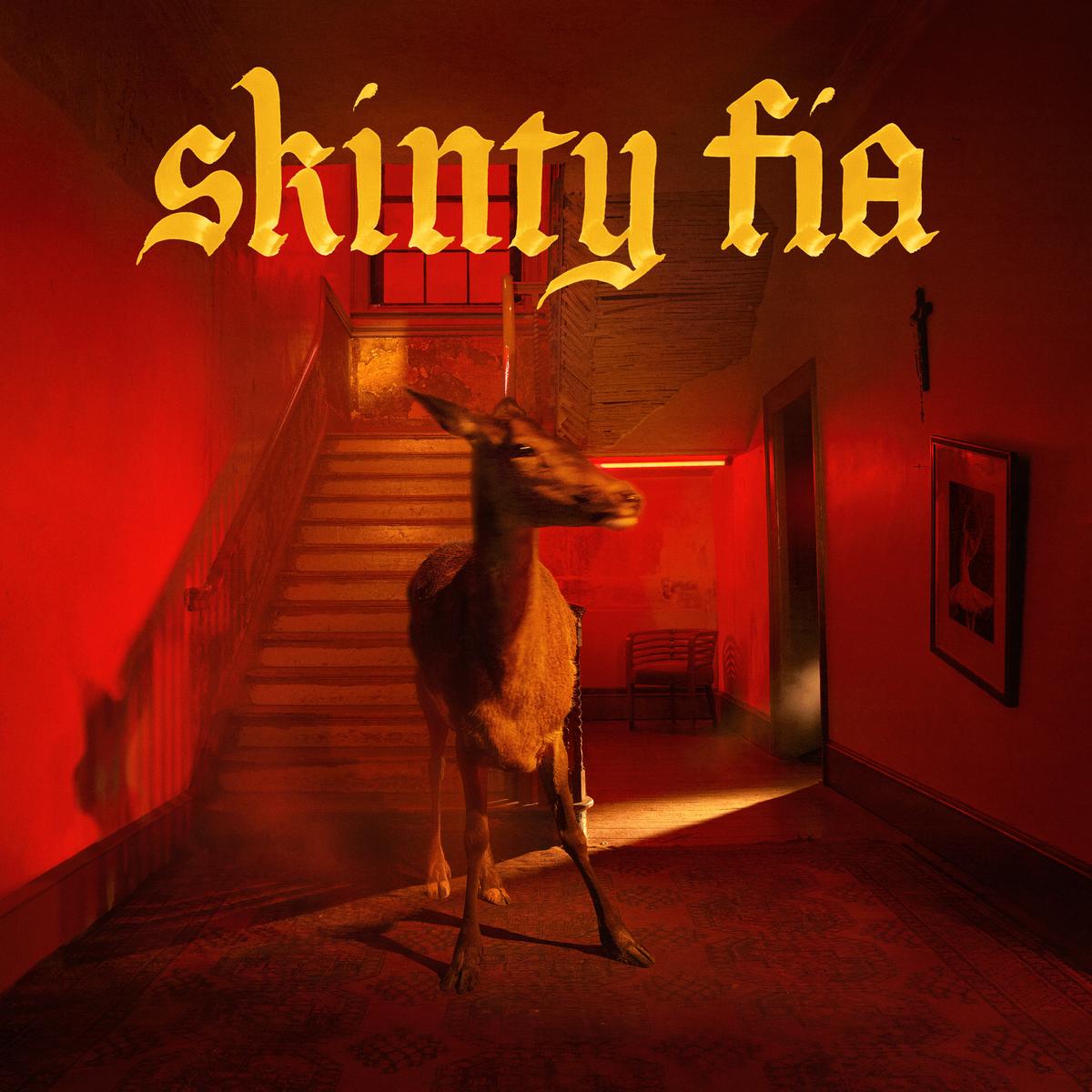
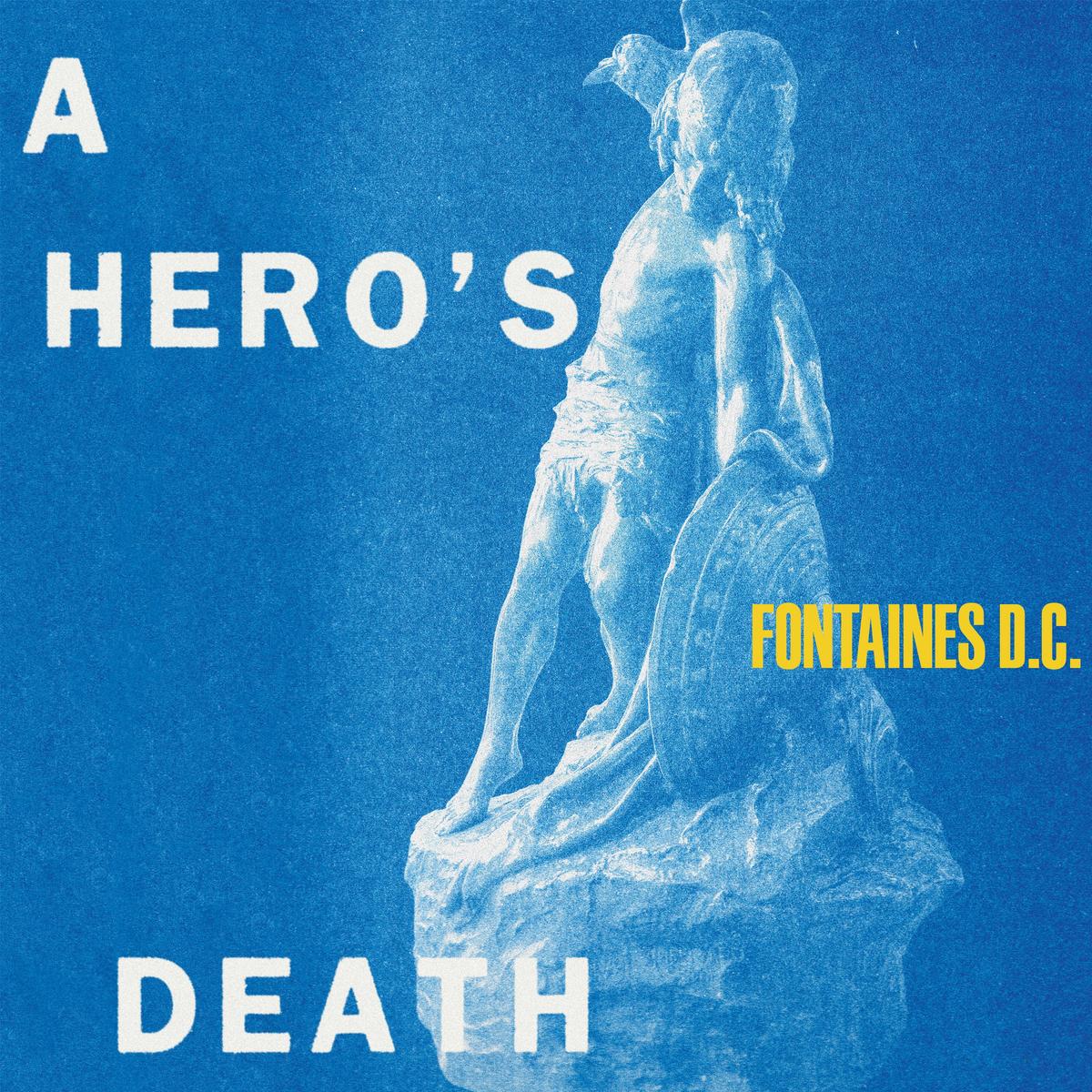
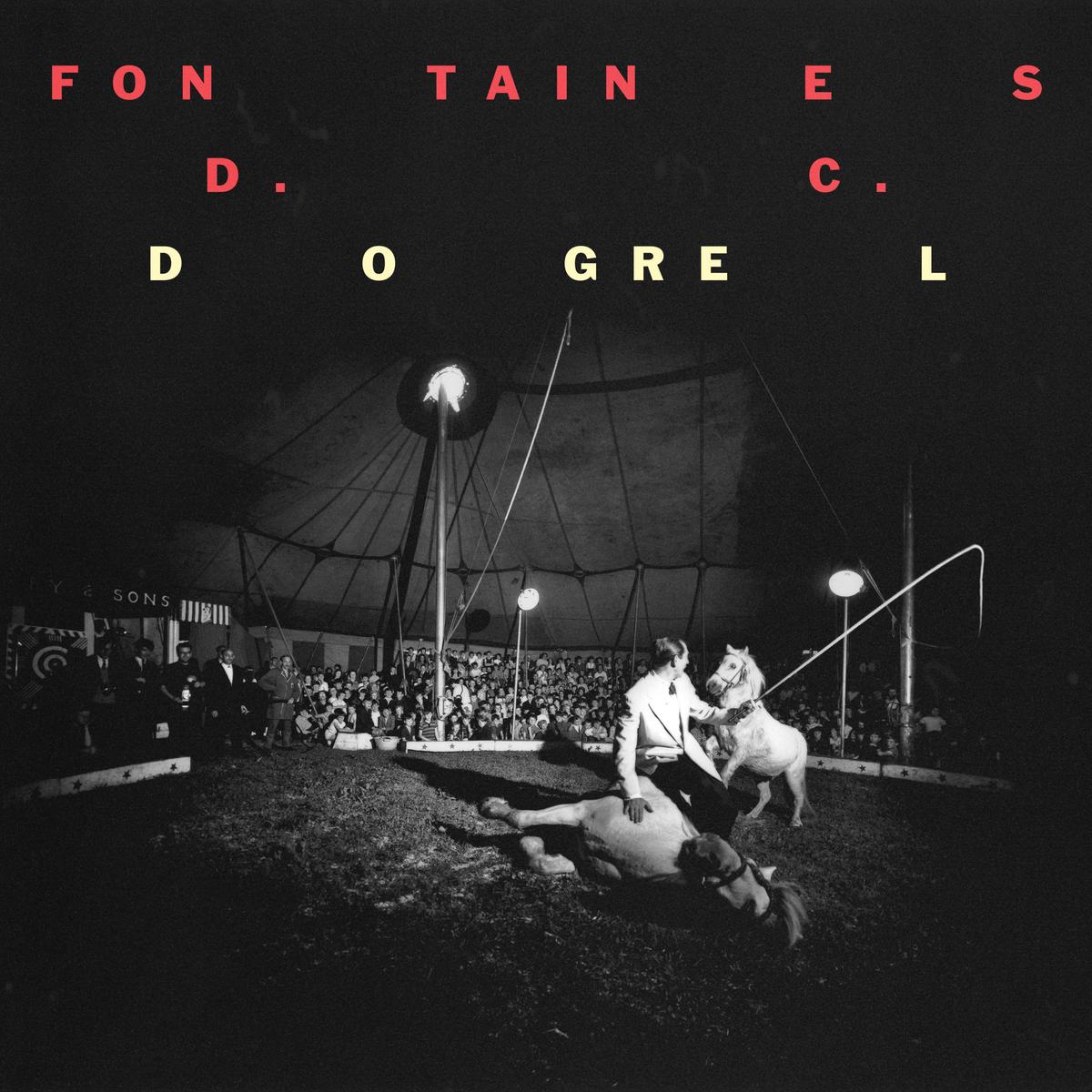
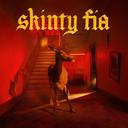
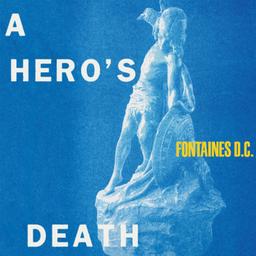
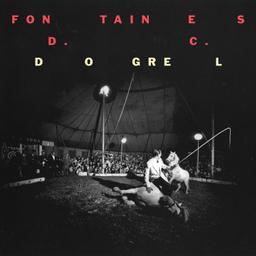
The shift is especially striking beside the band's previous sleeves. Dogrel used Bruce Davidson's photograph of an Irish circus performer. A Hero's Death drew on Oliver Sheppard's sculpture of the dying Cú Chulainn. Skinty Fia placed a deer in an unnerving red-lit interior. Those images were concerned with performance, endurance, belonging and Irish cultural memory. Romance turns toward a more invented, almost cartoonishly emotional world. Yet the band's attraction to charged, ambiguous imagery remains intact.
That is what makes the heart more than an attention-grabbing picture. It is an image that can be understood immediately and still resist a single explanation. A crying heart sounds like a joke until you see how carefully it has been made strange. For an album about love, fear, longing and the intensity of being alive, that ambiguity is a strength.