
Pere Ubu's The Modern Dance sounds like a band dismantling rock music and putting it back together with unfamiliar parts. Released in 1978, the Cleveland group's debut mixed jagged guitar, electronic noise, elastic rhythms and David Thomas's unmistakable voice. The title sounds almost conventional, but the music rarely stays where a listener expects it to.
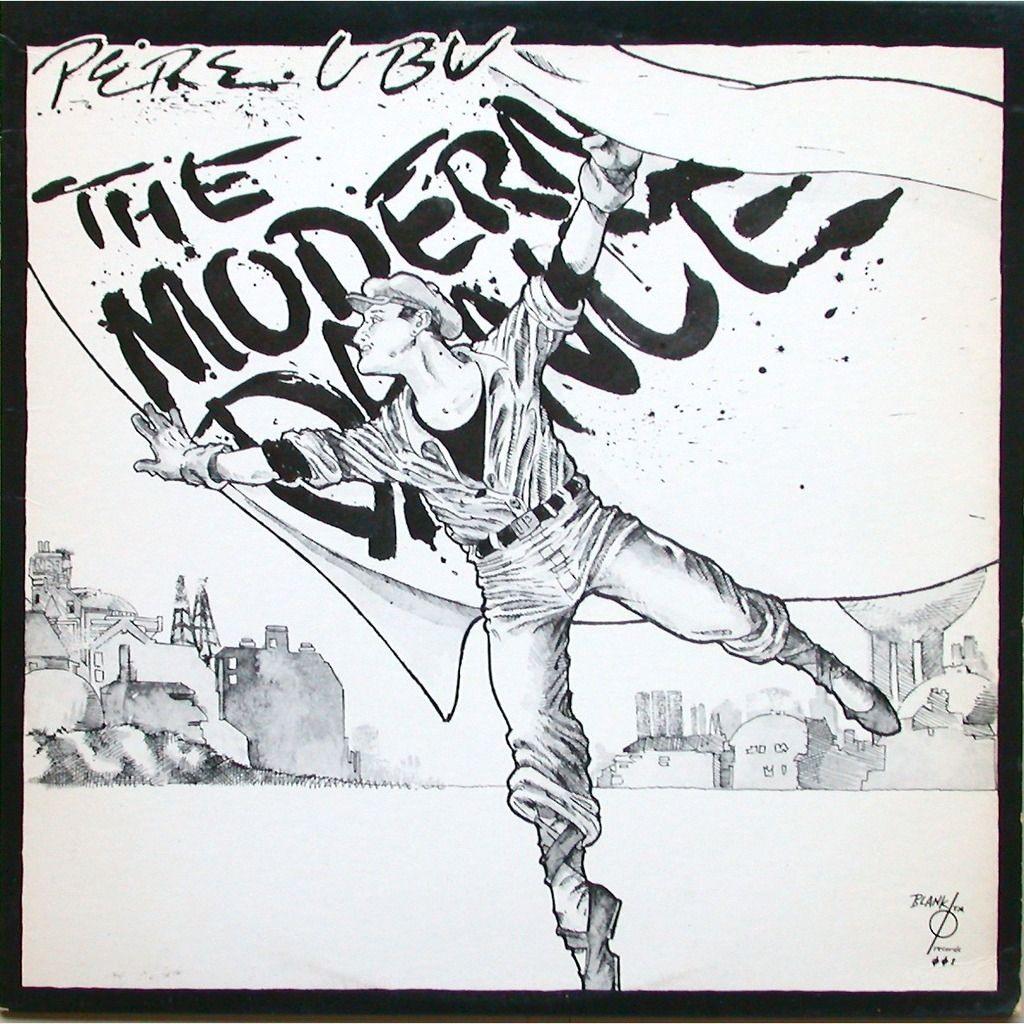
That sense of unease is essential to understanding the album's visual identity. Rather than presenting the band as a polished entertainment product, the sleeve belongs to the group's broader interest in unsettling images and unconventional presentation. It asks the listener to approach the record without the reassuring signals of mainstream rock packaging.
Pere Ubu had emerged from Cleveland's experimental rock scene, and its music carried traces of the city's industrial landscape. On Non-Alignment Pact, a familiar burst of rock energy is disrupted by Thomas's urgent vocal delivery and the band's odd sense of timing. The title track moves between propulsion and disorientation. Sentimental Journey stretches toward something more abstract, allowing noise and atmosphere to become part of the composition.
The group was often associated with punk because of its era and uncompromising attitude, but The Modern Dance was never simply a punk album. Allen Ravenstine's synthesizer added electronic textures that could sound like machinery, interference or a distant signal. The band's arrangements balanced those sounds against the physical attack of guitars and drums.
One of the most interesting things about the record is the gap between its name and its actual sound. A title like The Modern Dance suggests rhythm, fashion and perhaps a social occasion. Pere Ubu offers something far more unstable: music that makes the familiar feel alien. The artwork is part of that first impression, even before a listener understands the band's methods.
The Modern Dance was released on Blank Records, an imprint associated with Mercury, and its reputation grew far beyond its initial commercial reach. Later generations of musicians found in it a model for making adventurous music without abandoning the energy of a rock band.
The album's lasting achievement is the coherence of its strangeness. The songs may lurch, crackle and interrupt themselves, but they belong unmistakably to the same world. Its cover should be understood as the entrance to that world, with the precise original-sleeve imagery and credits verified against the physical edition before publication.