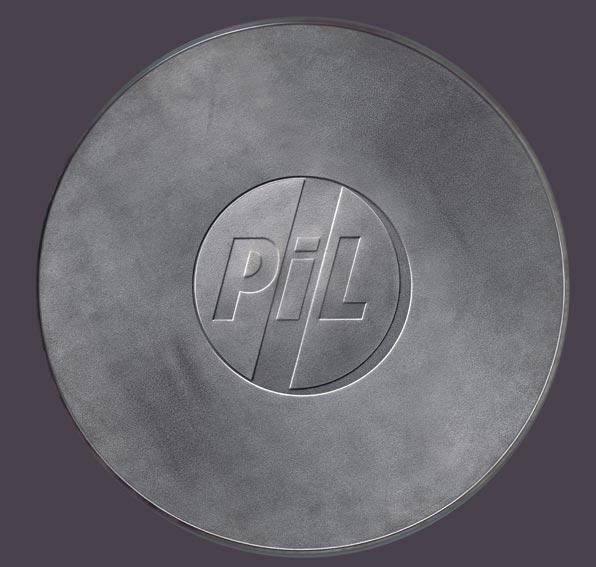
Most record sleeves invite you to look at a picture. Public Image Ltd's Metal Box asks you to handle an object. Released in 1979, the album arrived as three 12-inch records inside a circular metal canister, a package closer in appearance to a film-reel container than a conventional LP jacket.
The container was central to the design. Its plain metal surface offered almost none of the familiar signals of rock packaging: no band portrait, no dramatic illustration and little to distract from the object itself. The weight, texture and awkwardness of opening it became part of encountering the album. Rather than presenting an image of Public Image Ltd, the packaging made the listener confront the record as a physical thing.
Designer and photographer Dennis Morris was closely involved with the band's early visual identity. Metal Box suited a group already preoccupied with the ways public identities are constructed and sold. The absence of a conventional cover image was a striking choice for a band fronted by John Lydon, whose face had become one of punk's most recognizable.
The music was just as resistant to easy classification. Jah Wobble's bass lines occupy enormous space, Keith Levene's guitar cuts across them in sharp, unfamiliar shapes, and Lydon's voice sounds less like a conventional rock singer than someone trying to break out of the song. On Albatross and Poptones, repetition becomes hypnotic and unsettling.
The original format affected the listening experience as well. Instead of a standard double album, listeners received three discs designed to play at 45 rpm. The unusual package was memorable, but it was also expensive and inconvenient to manufacture and distribute. Those practical complications were inseparable from the statement it made.
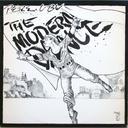
A more conventional release, Second Edition, followed in 1980 with different packaging. The distinction matters because photographs of the later sleeve do not show the same design as the original Metal Box. The metal canister was not simply an alternative illustration; it was the original album's defining visual and physical idea.
Metal Box endures because its packaging and music seem driven by the same impulse. Both strip away familiar comforts and demand a different kind of attention. The record inside is confrontational and spacious, while the container refuses to behave like a normal album cover. Together they turn the act of listening into an encounter with something deliberately unfamiliar.