
The cover of B'Day looks composed, but the story behind it was built out of movement. Beyoncé had just finished a whirlwind stretch that included Destiny's Child's final chapter, film work and the recording of a second solo album made with unusual speed. When it came time to define the visual world around that record, she did not simply repeat the polished pop-star image of Dangerously in Love. She wanted something rooted in family history, Southern atmosphere and a more mature sense of control.
Art director and designer Fuko Chubachi, who had already worked with Beyoncé on Destiny's Child projects and the 'Check on It' single, later described Beyoncé arriving with references that reached toward New Orleans, 1950s fashion, Brigitte Bardot, Spanish moss and classic Black cinema. Chubachi researched period styling and translated those references into a visual language that could feel nostalgic without becoming costume.
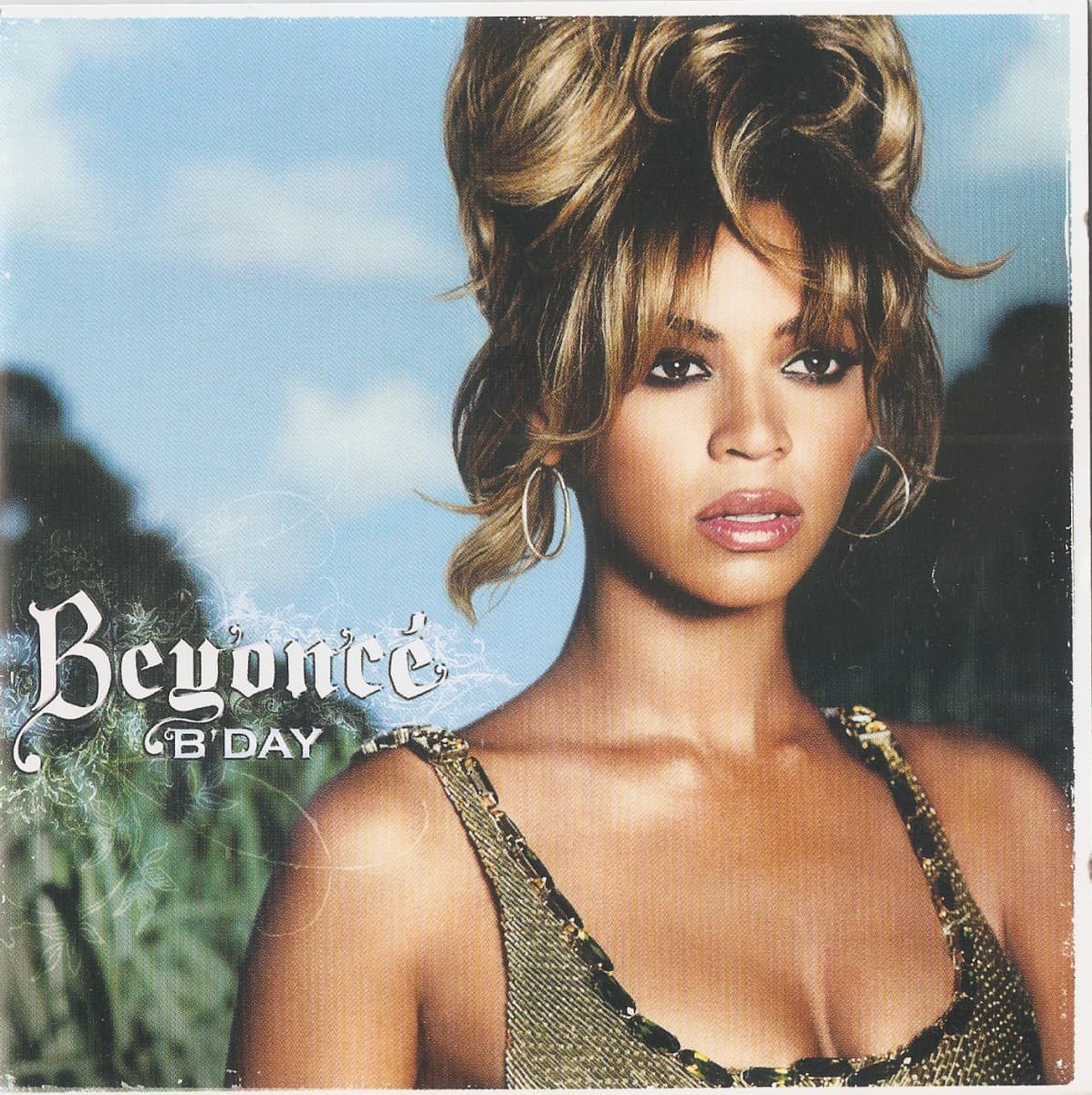
For the photography, Beyoncé chose Max Vadukul, a portrait photographer better known for editorial work than conventional pop packaging. Vadukul has recalled being surprised by the invitation. What struck him during the shoot was Beyoncé's discipline and stillness between takes. That restraint became central to the final image. Instead of a full-body glamour pose, the standard cover narrows attention to her face, hair and off-camera gaze.
The final portrait was not, according to Vadukul, originally planned as the obvious cover. Beyoncé selected it herself. That choice matters. The image avoids the more literal Southern imagery that appeared elsewhere in the B'Day campaign and instead turns the album's front cover into a study in presence. The styling is elaborate, but the expression is quiet. She is not performing toward the viewer so much as looking beyond them.
Elsewhere in the campaign, the visual world became more expansive: swamp settings, fashion references, alligators and imagery tied to Louisiana and the Gulf South. The standard sleeve is the distilled version of that larger concept. It carries the atmosphere without narrating it. Twenty years later, that restraint is one reason the image still reads immediately as B'Day rather than as a generic mid-2000s pop portrait.