Fleetwood Mac Album Covers

5 album covers in our archive

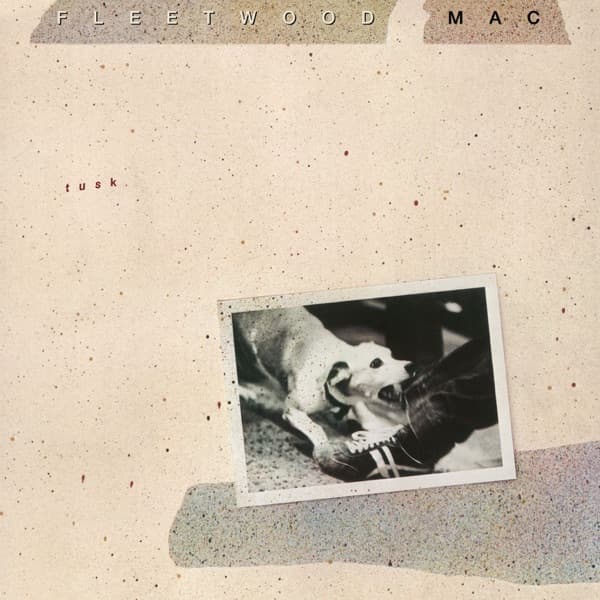
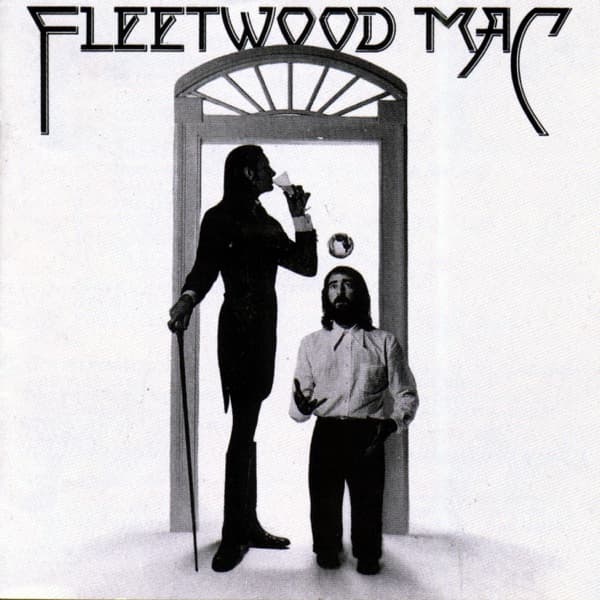
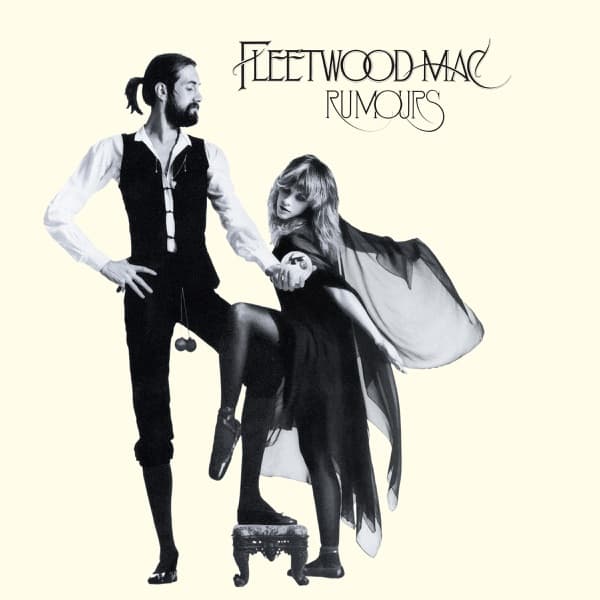
Fleetwood Mac's covers in this archive show how dramatically the band's visual identity changed during its best-known era. The 1975 self-titled sleeve reduces the group to founders Mick Fleetwood and John McVie in Herbert Worthington III's stark black-and-white doorway portrait. Rumours turns Fleetwood and Stevie Nicks into a theatrical pair built from the band's own stage imagery. Tusk then abandons the polished portrait almost completely for Larry Vigon's sparse, unsettling dog photograph. Read together, the three live stories trace a band repeatedly changing the visual rules instead of settling on one signature look.

Cover evolution

Fleetwood Mac · 19751987

  1. 1975
    Fleetwood Mac by Fleetwood Mac — 1975
    Fleetwood Mac
  2. 1977
    Rumours by Fleetwood Mac — 1977
    Rumours
  3. 1979
    Tusk by Fleetwood Mac — 1979
    Tusk
  4. 1982
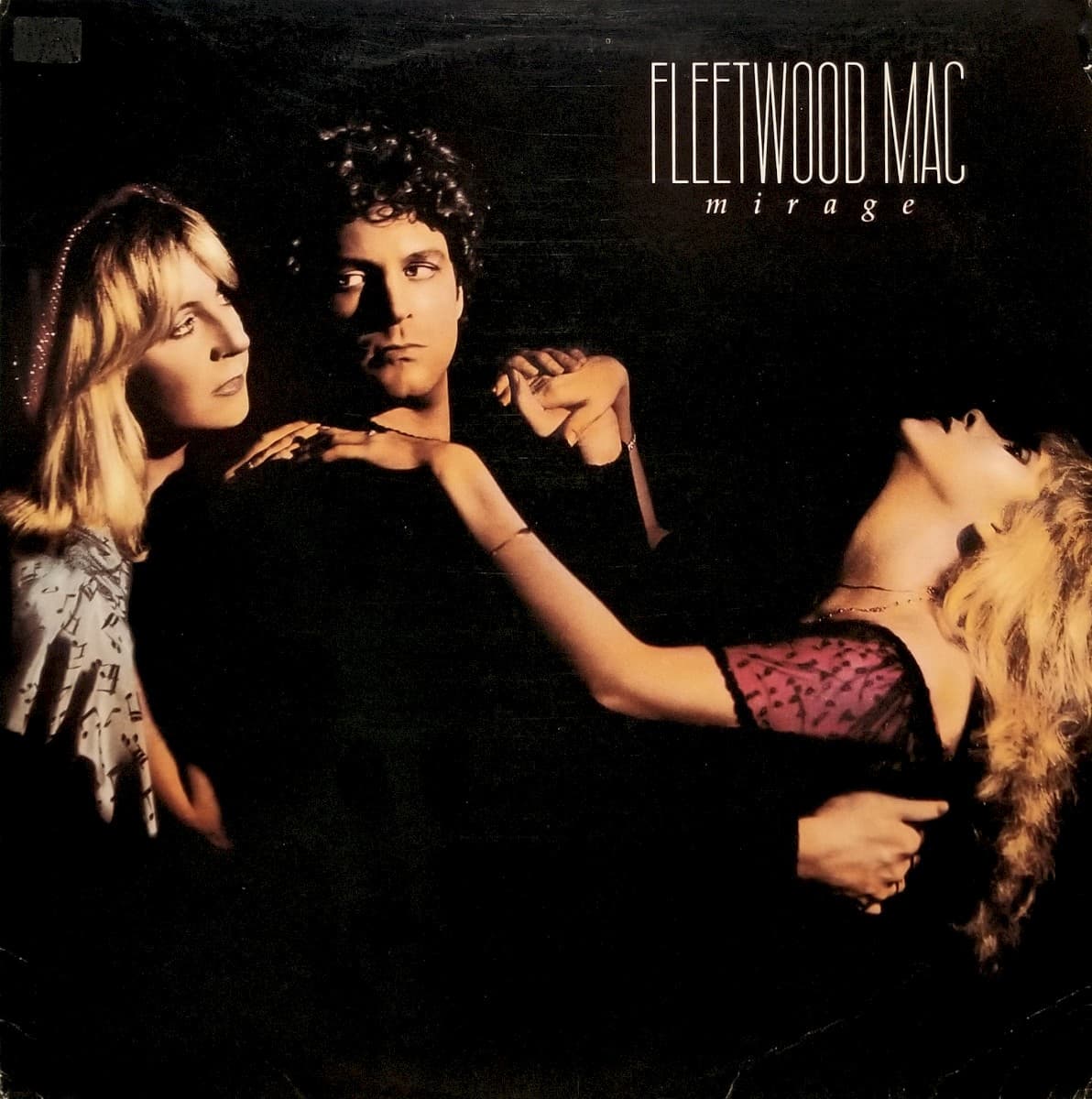
    Mirage by Fleetwood Mac — 1982
    Mirage
  5. 1987
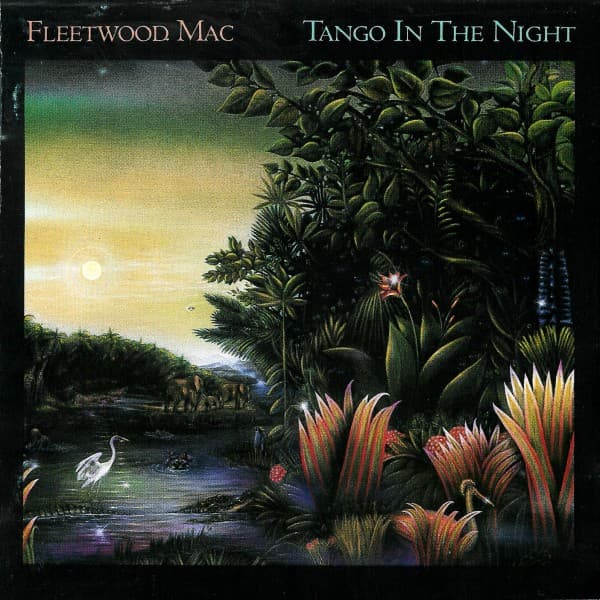
    Tango in the Night by Fleetwood Mac — 1987
    Tango in the Night

Visual history

How Fleetwood Mac's album covers evolved

The 1975 Fleetwood Mac cover is built around the band's two namesakes. Herbert Worthington III photographed Mick Fleetwood and John McVie in black and white inside a doorway, with McVie holding a crystal ball while Fleetwood poses with a cane and champagne flute. Desmond Strobel is credited with the sleeve design. The image is spare enough that the self-titled record became widely known as the band's White Album.

Two years later, Rumours keeps Worthington behind the camera but changes the cast and the mood. Mick Fleetwood now appears with Stevie Nicks in her Rhiannon stage persona, surrounded by props drawn from the band's own visual world: a crystal ball, Worthington's footstool and Fleetwood's wooden lavatory-chain balls. Tusk breaks the sequence. Larry Vigon's 1979 package makes a tiny black-and-white photograph of producer Ken Caillat's dog Scooter tugging at Caillat's trouser leg the focal point of an enormous pale field.

Herbert Worthington's visual thread

The clearest connection between the 1975 self-titled album and Rumours is photographer Herbert Worthington III. His first image centers Fleetwood and McVie, the two surnames behind the band's name. Rumours narrows the band again, this time to Fleetwood and Nicks, and reuses a crystal ball as part of the staged scene.

That continuity matters because the two covers are not simply generic band portraits. Their props already belong to Fleetwood Mac's world. The crystal ball links the images visually, Nicks's clothing comes from her Rhiannon stage persona, and Fleetwood's wooden balls had been part of his stage attire since the group's early blues-club years. The sleeves build recognition out of recurring objects and performance mythology rather than a fixed logo.

Why Tusk had to look different

Tusk arrives after Rumours and deliberately refuses the obvious visual sequel. The band did not bring Worthington back for the front-cover approach. Instead, Larry Vigon and co-art director Jay Vigon built a much broader package from work by Peter Beard, Norman Seeff and Jayme Odgers, while the front itself is dominated by the small photograph of Scooter caught in what looks like a ferocious bite but was actually play.

That break is the useful pattern across these covers. Fleetwood Mac could have repeated the theatrical polish of Rumours; instead, Tusk makes negative space, an ambiguous snapshot and a complicated multi-photographer package part of the album's identity. The visual history becomes a sequence of reinventions: founders in a doorway, stage mythology turned into portraiture, then an anti-glamour image whose apparent threat resolves into a joke.
Questions about Fleetwood Mac's album covers

Who designed Fleetwood Mac's classic album covers?

There is no single designer behind the three Fleetwood Mac covers currently published in this archive. Desmond Strobel is credited with the 1975 self-titled sleeve and Rumours packaging, while Larry Vigon designed Tusk. Herbert Worthington III photographed the 1975 self-titled cover and Rumours.

Who is on the Fleetwood Mac 1975 album cover?

Mick Fleetwood and John McVie, the two members whose surnames form the band's name. Worthington photographed them in black and white in a doorway, with McVie holding a crystal ball and Fleetwood posing with a cane and champagne flute.

Read the cover story →

Who is on the Rumours cover?

Mick Fleetwood and Stevie Nicks appear on the Rumours cover. Nicks is posed in her Rhiannon stage persona, while Fleetwood stands beside a crystal ball and wears the wooden lavatory-chain balls that had long been part of his stage attire.

Read the cover story →

What is the dog on the Tusk cover doing?

The dog is Scooter, owned by producer-engineer Ken Caillat. The photograph catches Scooter tugging playfully at Caillat's trouser leg at an instant that makes the game look much more aggressive than it was.

Read the cover story →
Tango in the Night by Fleetwood Mac — album cover art

Tango in the Night (1987)

Fleetwood Mac's Tango in the Night turns a painting already hanging in Lindsey Buckingham's home into a moonlit jungle dream: Brett-Livingstone Strong's Homage à Henri Rousseau, photographed for the sleeve by Greg Gorman and shaped into the package under Jeri Heiden's art direction.

Label
Warner Bros. Records
Designer
Jeri Heiden
Photographer
Greg Gorman
Genre
Rock, Pop
Decade
1980s
Read the full story →
Mirage by Fleetwood Mac — album cover art

Mirage (1982)

Fleetwood Mac's Mirage cover turns three members into an old-Hollywood tableau: Christine McVie and Lindsey Buckingham face the camera while Stevie Nicks falls backward into shadow, all photographed by legendary glamour portraitist George Hurrell under Larry Vigon's art direction.

Label
Warner Bros. Records
Designer
Larry Vigon
Photographer
George Hurrell
Genre
Rock, Pop
Decade
1980s
Read the full story →
Tusk by Fleetwood Mac — album cover art

Tusk (1979)

A snarling dog clamps onto a man's trouser leg on the front of Fleetwood Mac's Tusk. The truth is gentler: it was producer Ken Caillat's dog Scooter, just playing, frozen forever mid-lunge. Behind that one embossed photo sits a wild sleeve project involving three photographers, blood on a collage, and a band who couldn't stand their own best image.

Label
Warner Bros. Records
Designer
Larry Vigon
Genre
Rock, Pop, Experimental
Decade
1970s
Read the full story →
Rumours by Fleetwood Mac — album cover art

Rumours (1977)

Herbert Worthington III photographed Mick Fleetwood and Stevie Nicks for Rumours in a spare theatrical pose built from the band's own stage imagery: Nicks in her Rhiannon persona, Fleetwood beside a crystal ball and wearing the wooden lavatory-chain balls he had carried since the band's early blues-club days.

Label
Warner Bros. Records
Designer
Desmond Strobel
Photographer
Herbert Worthington III
Genre
Rock
Decade
1970s
Read the full story →
Fleetwood Mac by Fleetwood Mac — album cover art

Fleetwood Mac (1975)

Two men in a doorway, one impossibly tall in a dark leotard sipping champagne, the other short and hovering a crystal ball at his fingertips. This colorless 1975 sleeve introduced a brand new Fleetwood Mac and picked up a nickname it never shook: the White Album.

Label
Reprise Records
Designer
Desmond Strobel
Photographer
Herbert Worthington III
Genre
Rock, Folk, Pop
Decade
1970s
Read the full story →

Browse related design themes

More album cover stories from the 1980s