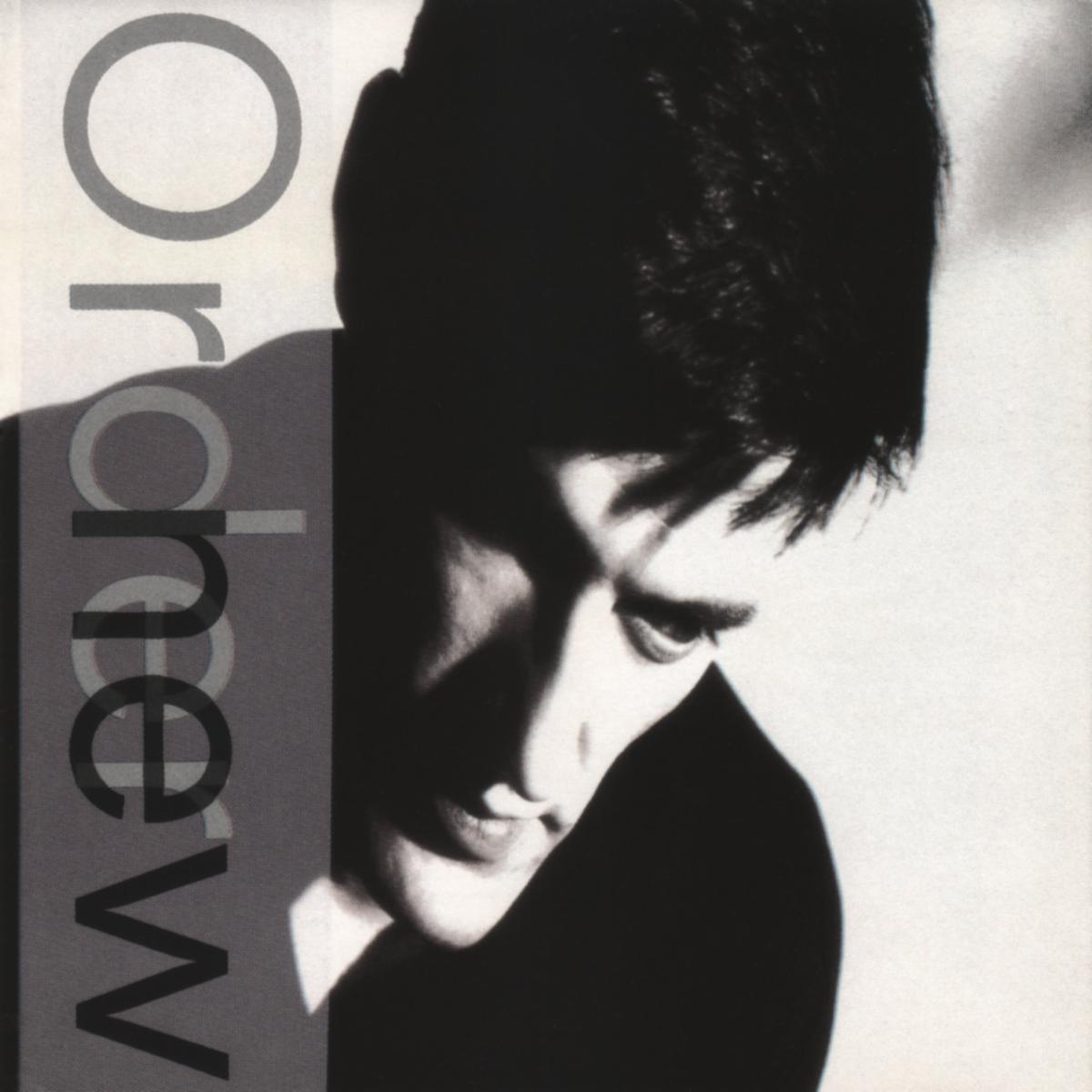


At first glance, the cover of New Order's Low-Life seems almost plain: a close-up photograph of drummer Stephen Morris. But the original 1985 LP was designed to be handled. A translucent outer sheet carried the band's name, allowing the lettering to sit over the photograph beneath it. Lift or move that layer and the composition changes. The sleeve is not just an image; it is a small piece of visual choreography.
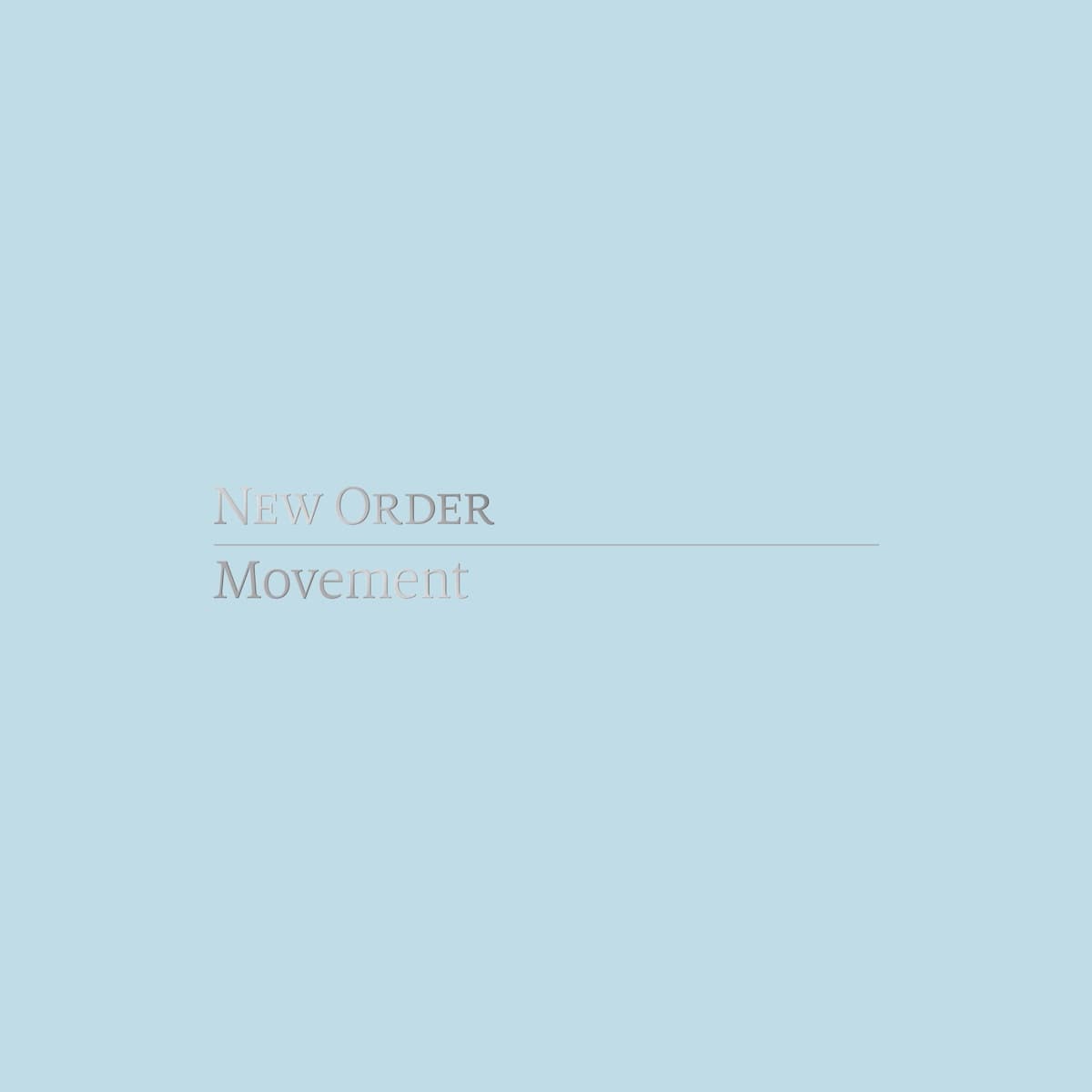
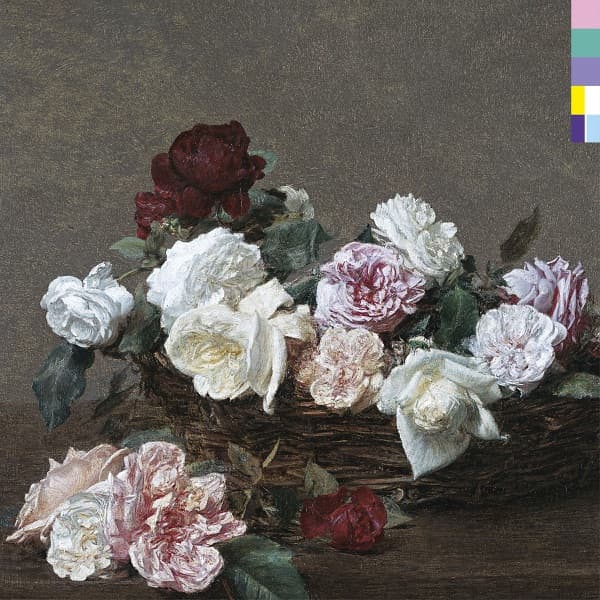
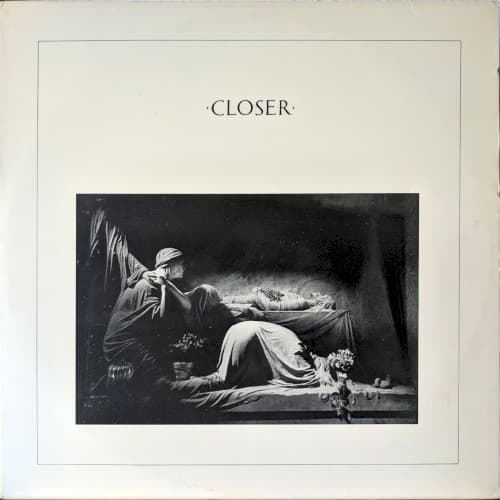
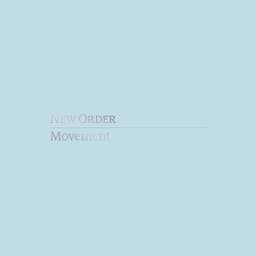
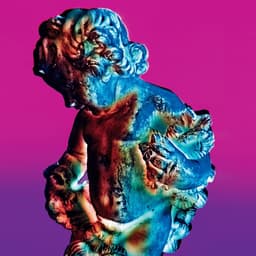
Peter Saville had already helped define the visual identity of Joy Division and New Order, often by avoiding the obvious conventions of rock packaging. Low-Life takes a different route from the stark graphics of Movement or the coded colors of Power, Corruption & Lies. Here, the musicians themselves appear, but the design still refuses to become a standard band portrait.
The front photograph shows Morris, while other portraits belong to the wider package. The translucent wrapper makes the act of revealing the photograph part of the experience. On later editions and streaming services, where the cover is usually flattened into a single image, that physical interaction can disappear altogether.
The design suits the music's balancing act. Released in 1985, Low-Life finds New Order moving confidently between guitars and electronic dance rhythms. Love Vigilantes opens with a deceptively buoyant sound, while The Perfect Kiss builds an elaborate, restless momentum. Elegia is nearly wordless and deeply atmospheric. The album's different moods coexist without losing the band's identity.
Saville's packaging creates a similar interplay between presence and distance. The face is there, but partly mediated by another surface. Typography is present, but not permanently fixed to the photograph. The sleeve gives the listener a portrait while reminding them that a portrait is always something constructed.
Low-Life is a particularly good example of why original LP packaging matters to album-cover history. A digital thumbnail can preserve the famous image and still miss the design. In this case, the paper, transparency and sequence of looking are as important as the photograph itself.