Reggae & Dub Album Covers: Roots, Identity, and the Sound System
Roots imagery, Rastafarian symbolism, and studio culture: the visual world of Jamaican music on record.
By Brett Cassidy2 min readUpdated
Reggae and dub developed a cover aesthetic as distinctive as the music's basslines — drawing on Rastafarian symbolism, Jamaican daily life, and the culture of the recording studio and sound system. The artwork carried political and spiritual weight that pop packaging rarely attempted.
This guide covers the roots imagery, the role of labels like Studio One and Island in shaping the look, and how dub's experimental ethos extended onto its sleeves.
Roots and Rastafarian imagery
Roots reggae covers frequently foreground Rastafarian iconography — the Lion of Judah, red-gold-and-green, Ethiopian and Pan-African references — alongside portraits that present artists as prophets or witnesses rather than entertainers. The cover was a statement of belief and belonging.
Studios, labels, and the crossover look
Jamaican labels and studios like Studio One gave releases a recognizable, often hand-produced character, while Island Records' international packaging helped present reggae to a global rock audience without flattening its identity. The tension between local authenticity and crossover polish plays out across the artwork.
Dub and the experimental sleeve
Dub's studio-as-instrument philosophy — stripping tracks to bass and drums and drowning them in echo — found a visual echo in covers that were playful, surreal, or deliberately rough. The sleeve, like the mix, could be remixed and reimagined.
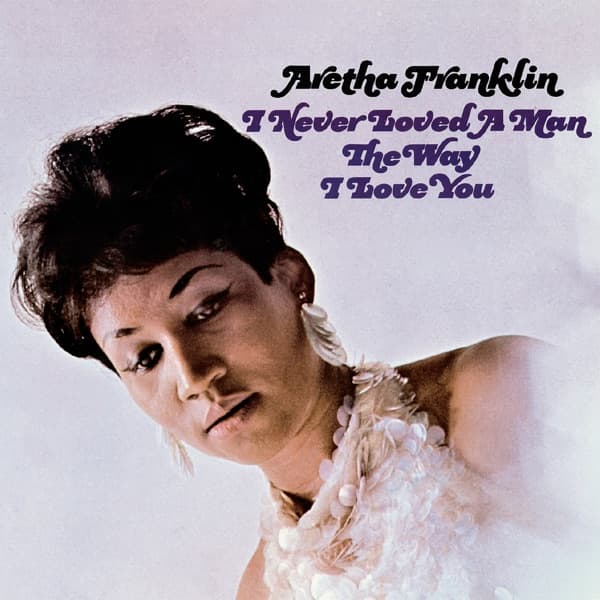
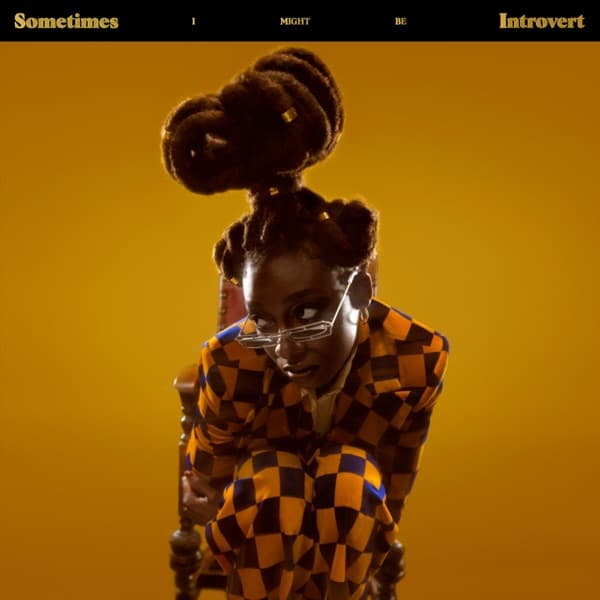
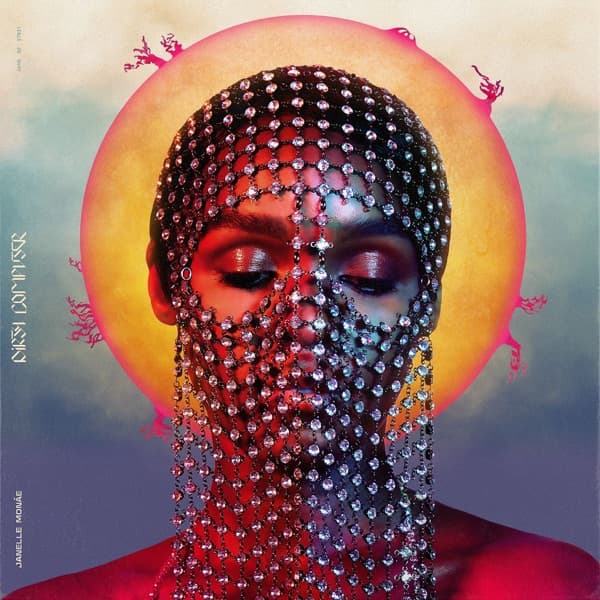
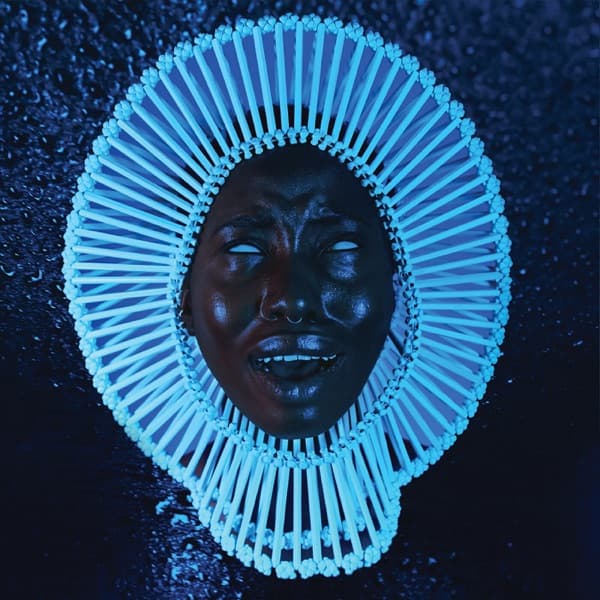
Album covers featured in this guide
Read the full story behind each cover in the archive.




Keep exploring
Sources & further reading
- Reggae 45 Soundsystem: The Label Art of Reggae Singles — Stuart Baker / Soul Jazz
- Island Records visual history — Island Records / V&A
- Bass Culture — Lloyd Bradley
Read more about how we research and source these guides.