The Art of the Gatefold: Album Packaging as Design
Fold it open and the record becomes an object: how packaging, not just the front cover, shaped album art.
By Brett Cassidy2 min readUpdated
An album cover is not only a front image — it's a physical object with an inside, a back, a spine, and sometimes a sleeve, poster, or die-cut surprise. The gatefold, in particular, doubled the canvas and let designers tell a story across a spread. Format has always defined what album art can be.
This guide looks at packaging as design: the gatefold, the inner sleeve, the die-cut, and the deluxe object — and how the move from LP to CD to streaming repeatedly changed the rules.
The gatefold spread
The gatefold gave designers a wide interior canvas for a panoramic image, a tableau, lyrics, or liner essays. It turned the act of opening a record into part of the experience and made the album feel like an event rather than a product — a big reason the 1970s 'golden age' looks so lavish.
Die-cuts, inner sleeves, and extras
Beyond the gatefold, designers used die-cut windows, printed inner sleeves, posters, stickers, and unconventional materials to make the package itself the artwork. These flourishes were expensive and impractical — and that extravagance was exactly the point.
Format shapes the art
Each format rewrote the brief: the CD shrank and flattened packaging, streaming reduced it to a thumbnail, and the vinyl revival revived the large-format object for collectors. Understanding album art means understanding the physical thing it lives on.
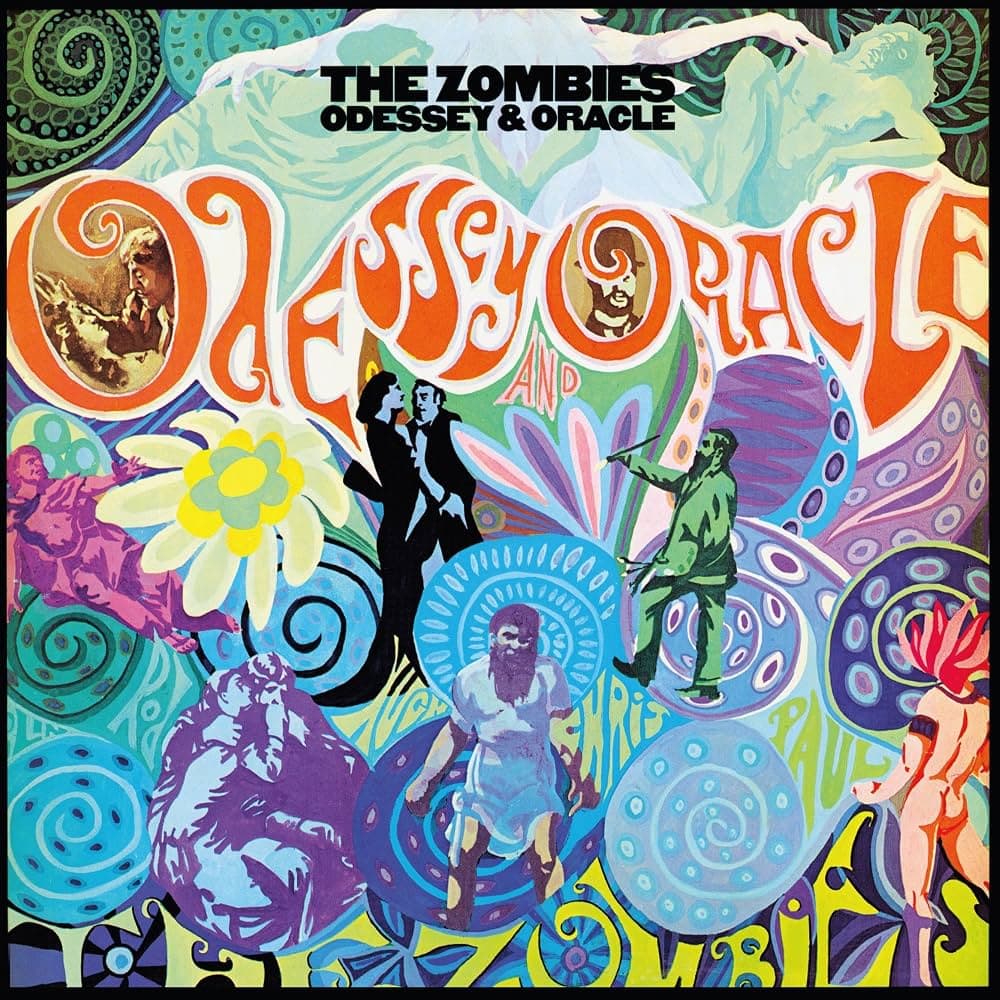
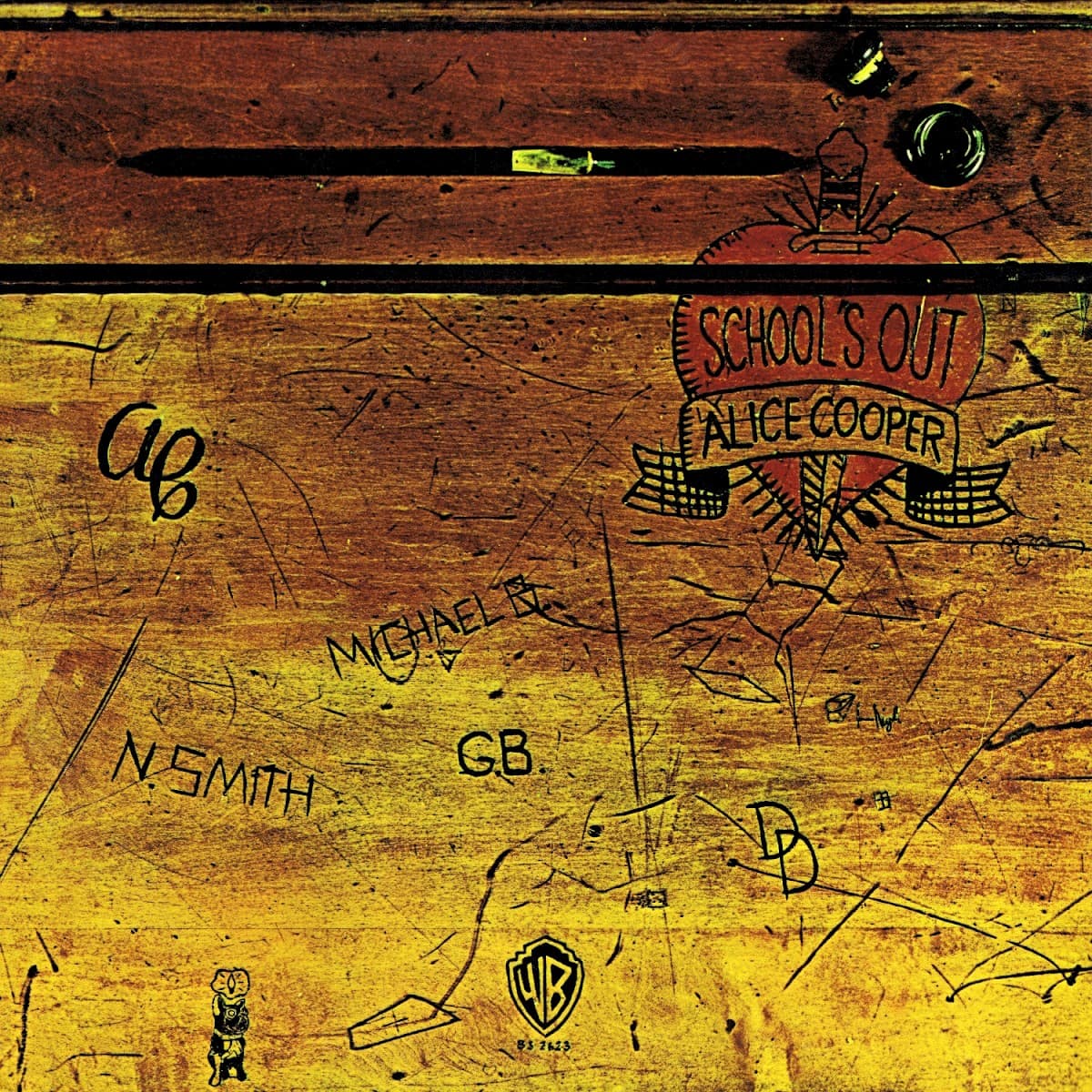
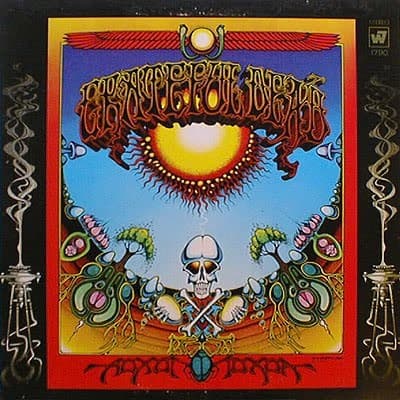
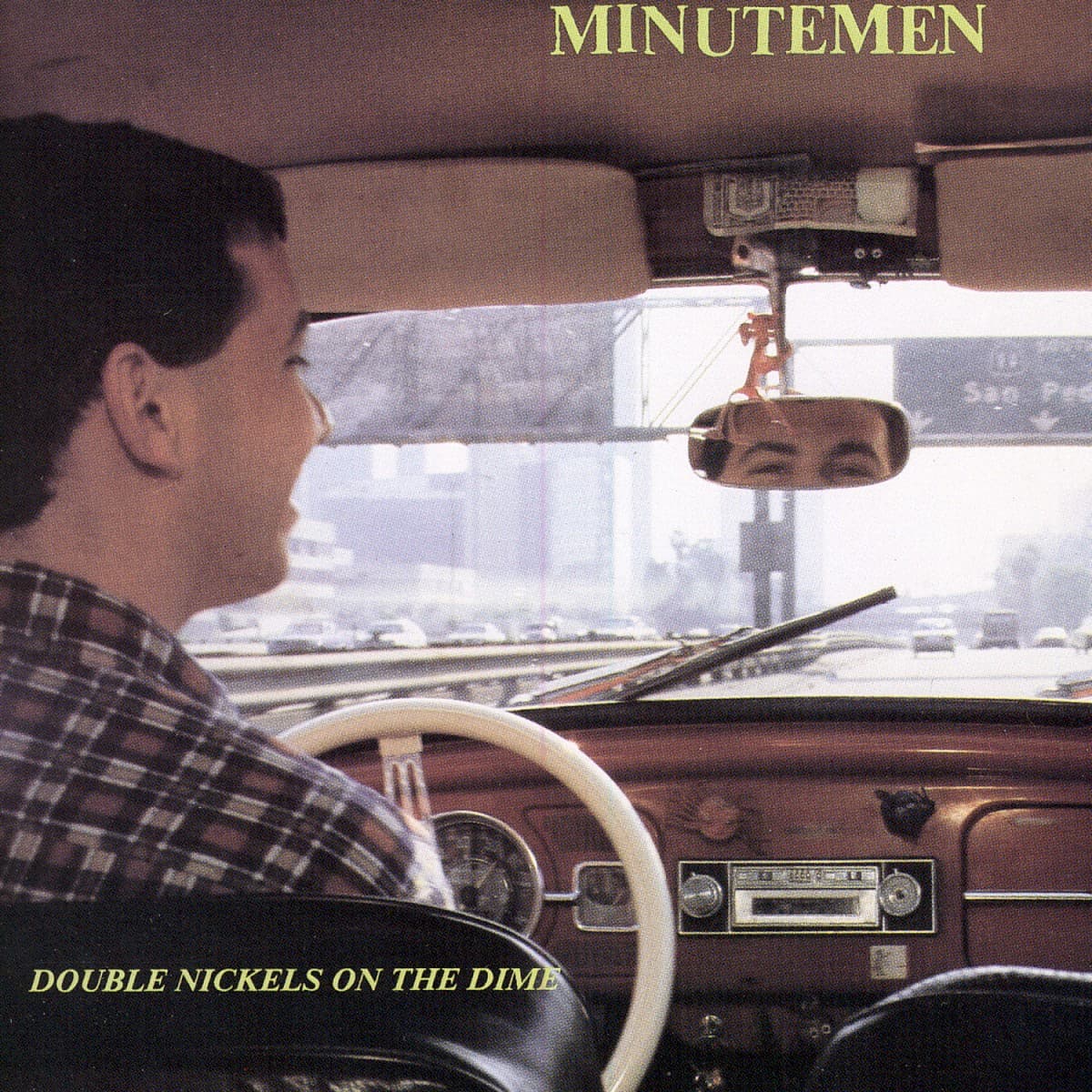
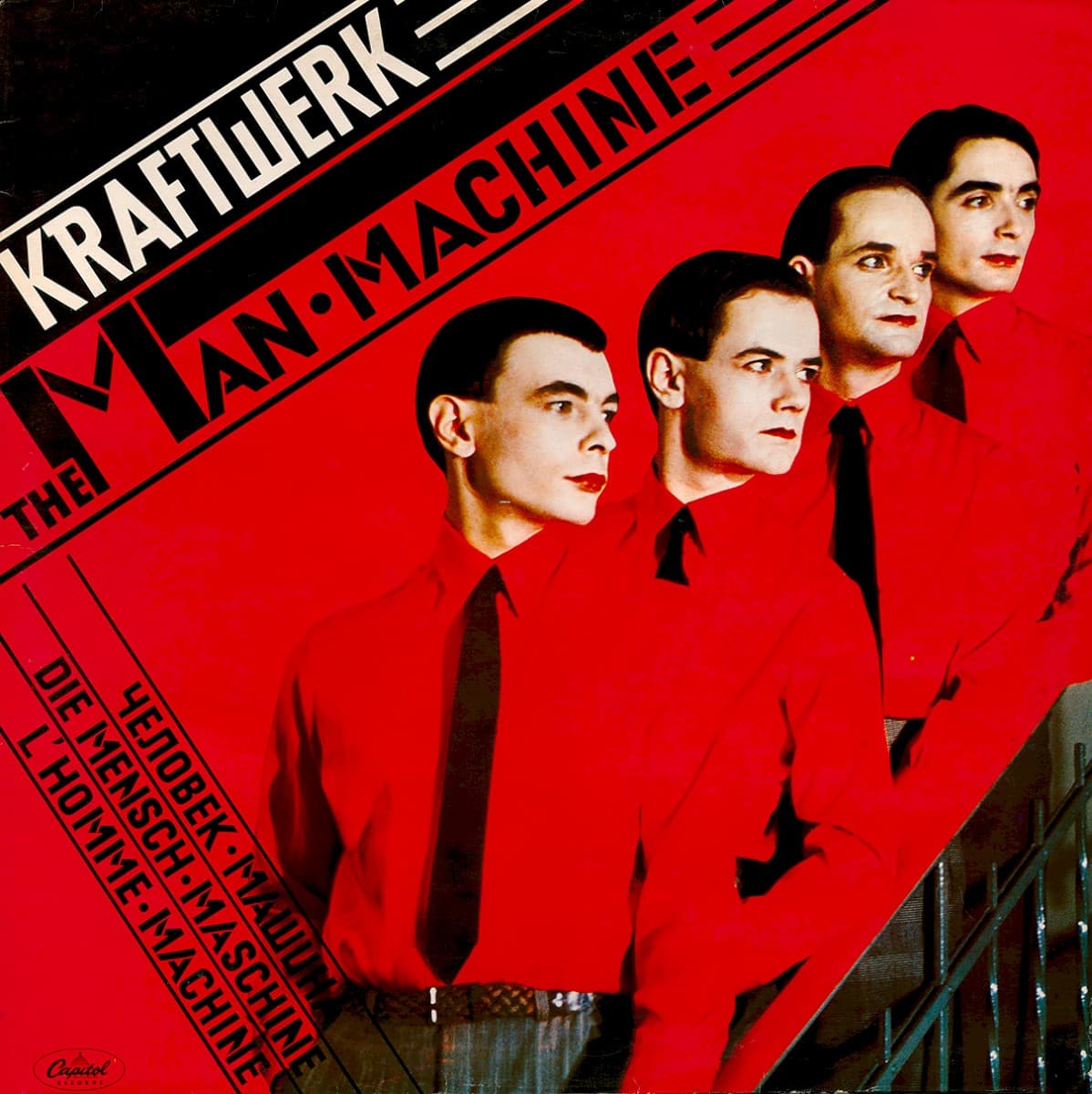
Album covers featured in this guide
Read the full story behind each cover in the archive.


Keep exploring
Sources & further reading
- Classic Album Covers of the 70s — Storm Thorgerson & Aubrey Powell
- The Record: Contemporary Art and Vinyl — Trevor Schoonmaker / Nasher Museum
- Vinyl packaging and the album as object — Eye Magazine
Read more about how we research and source these guides.