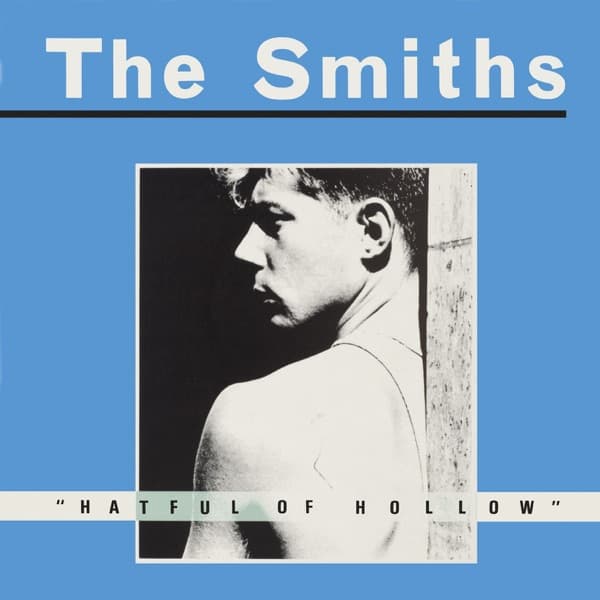
Morrissey's choice of a still from Jean Cocteau's 1946 masterpiece "La Belle et la Bête" (Beauty and the Beast) perfectly encapsulated The Smiths' romantic melancholy. The image shows actor Jean Marais as the Beast in his human form, captured in dreamy black and white profile that would become one of indie rock's most recognizable covers.
The concept emerged from Morrissey's deep fascination with French cinema and his belief that album covers should be as poetic as the music itself. He had been collecting film stills for years, drawn to images that conveyed both beauty and sadness—emotions central to The Smiths' aesthetic.
Morrissey discovered this particular still in a French cinema magazine while browsing through secondhand bookshops in Manchester. The image of Jean Marais gazing pensively into the distance seemed to embody the band's themes of unrequited love and romantic yearning.
Rather than commissioning new photography, Morrissey chose to work with existing imagery that already carried decades of cinematic weight. This approach aligned with his vision of The Smiths as inheritors of a broader cultural tradition that spanned music, literature, and film.
The selection process was entirely Morrissey's domain within the band. Johnny Marr, Andy Rourke, and Mike Joyce trusted his visual instincts completely, understanding that his cover choices were as integral to The Smiths' identity as their musical arrangements.
Rough Trade Records embraced Morrissey's unconventional approach to album artwork. The label had built its reputation on supporting artists' creative visions, even when those choices seemed uncommercial or obscure to mainstream audiences.
The cover immediately resonated with fans who appreciated The Smiths' literary and cinematic references. Music journalists praised the connection between Cocteau's surrealist imagery and the band's own blend of beauty and darkness, though some mainstream critics found it pretentious.
The Hatful of Hollow artwork established a template that countless indie bands would follow: appropriating imagery from art cinema to suggest intellectual depth and emotional sophistication. The cover helped cement the idea that alternative music should engage with high culture.
Morrissey's cover choices throughout The Smiths' career influenced an entire generation of musicians to think more seriously about visual presentation. Bands like Radiohead, Belle and Sebastian, and Franz Ferdinand would later adopt similar approaches to album artwork.
The image gained new life in the digital age, becoming one of the most shared and referenced album covers on social media platforms. Its romantic melancholy proved timeless, speaking to new generations discovering The Smiths decades after the album's release.
The cover's connection to Cocteau's film also introduced many young music fans to French cinema for the first time. Record shops reported increased interest in film books and magazines after Hatful of Hollow's release, demonstrating the power of album covers to expand cultural horizons beyond music.