Behind the Covers
Straight Outta Compton by N.W.A — album cover art

Straight Outta Compton

N.W.A · 1988

Label
Ruthless Records
Decade
1980s
Genre
Hip-Hop
Own it on Vinyl

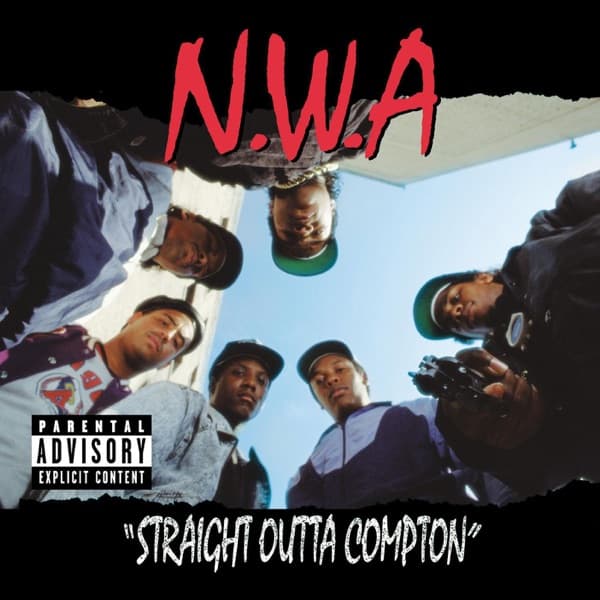
The cover for Straight Outta Compton features what appears to be a simple group photograph, but its stark composition and confrontational energy made it one of the most provocative album covers of the late 1980s. The five members of N.W.A are arranged in a tight semicircle, staring directly into the camera with expressions ranging from stoic to menacing, creating an immediate sense of confrontation with the viewer.

The concept was deliberately designed to match the album's uncompromising content and attitude. Eazy-E and the group wanted a cover that would reflect the raw street authenticity they were bringing to hip-hop music. The photograph needed to communicate that N.W.A wasn't interested in the flashier, more commercial aesthetic that dominated rap album covers of the era.

The black-and-white photography creates a documentary-like quality that feels more like a police lineup or gang photo than a traditional album cover. Each member occupies their space with deliberate positioning — Eazy-E front and center as the group's focal point, with Ice Cube, Dr. Dre, MC Ren, and DJ Yella flanking him in a formation that suggests both unity and threat.

The photographer, whose identity remains largely uncredited in official releases, chose to shoot the group against what appears to be a neutral background, keeping the focus entirely on the five figures. The lighting is harsh and direct, creating sharp contrasts that emphasize the serious expressions and body language of each member.

While the designer and photographer credits for this cover remain unclear in many official sources, the visual approach was clearly collaborative between the group and Ruthless Records. The decision to eschew color and elaborate graphics was radical for its time, when many rap albums featured bright colors and complex illustrations.

The cover immediately drew attention from both fans and critics, with many noting how the stark imagery perfectly complemented the album's controversial lyrics. Record stores reported that the cover alone was enough to generate curiosity and concern from customers, even before they heard the music.

The FBI's infamous letter to Ruthless Records about the track "F*** tha Police" only added to the cover's notoriety, making the five faces on the album even more recognizable as symbols of rebellion. The image became synonymous with the emerging gangsta rap movement and its confrontational stance toward authority.

This cover established a visual template that countless hip-hop artists would follow: the direct, unflinching group portrait that communicates authenticity and street credibility. Albums by groups like Geto Boys, Cypress Hill, and later acts adopted similar stark, confrontational photographic approaches.

The influence extended beyond hip-hop, inspiring rock and alternative bands to embrace more direct, less stylized imagery on their covers. The idea that raw authenticity could be more powerful than polished graphics became a driving force in 1990s album art across genres.

When the 2015 biographical film Straight Outta Compton was released, the original album cover image was recreated and referenced throughout the marketing campaign, proving its enduring power as a cultural touchstone. The cover had transcended music to become a piece of American cultural iconography, representing a pivotal moment when hip-hop claimed its space in mainstream consciousness through sheer visual force.

Loved the story behind Straight Outta Compton? Hear the album or add it to your collection.

Want to explore more?