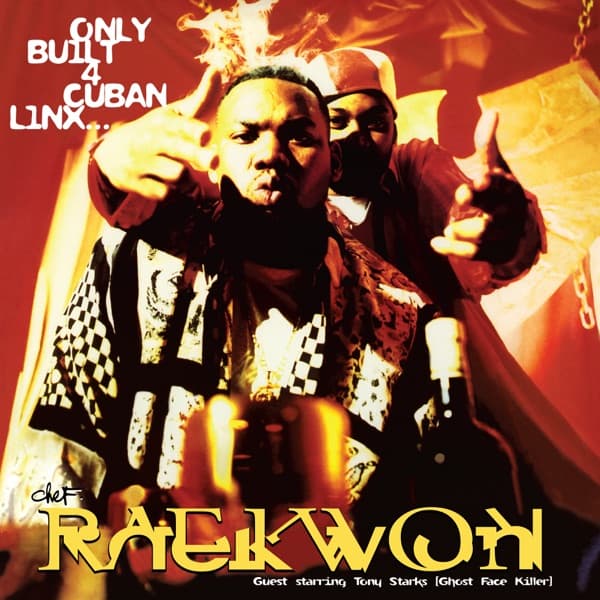
The cover for Only Built 4 Cuban Linx... didn't just package an album — it created a visual manifesto for Wu-Tang Clan's cinematic approach to hip-hop storytelling. The moody, film noir-inspired imagery perfectly captured Raekwon's transformation of rap into a sophisticated crime narrative that felt more like a Scorsese film than traditional hip-hop.
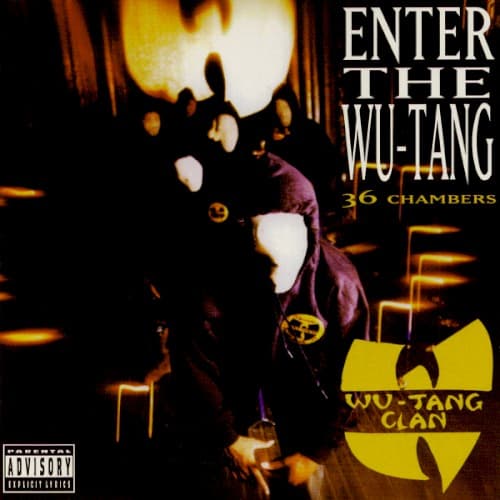
The concept emerged from RZA's vision of Wu-Tang as multimedia storytellers, not just rappers. The group had already established their kung fu aesthetic with Enter the Wu-Tang (36 Chambers), but Raekwon's solo debut needed to expand that visual language into the realm of American crime cinema. The cover needed to sell the album's concept as a musical movie.
Rather than typical hip-hop photography showing the artist in urban settings, the cover adopted a deliberately cinematic approach. The purple-tinted color scheme and dramatic lighting created an atmosphere that felt lifted from classic crime films. Every visual element was designed to support the album's narrative concept of Raekwon as "The Chef" cooking up musical cocaine.
The execution relied on careful attention to mood and atmosphere over flashy graphics or street credibility shots. The photography emphasized shadow and light in ways that echoed film noir classics while maintaining the gritty authenticity essential to Wu-Tang's brand. The visual treatment made the cover feel like a movie poster rather than a traditional rap album.
While specific credits for the cover's design and photography remain unclear, the artwork clearly emerged from Wu-Tang's collaborative creative process. The visual choices aligned perfectly with RZA's production aesthetic and the group's overall artistic direction. The cover became part of Wu-Tang's larger visual identity that treated each release as a chapter in an ongoing cinematic universe.
The hip-hop community immediately recognized the cover's sophistication and cinematic quality. Unlike many rap albums that relied on explicit imagery or street photography, Only Built 4 Cuban Linx... presented itself with the visual gravity of serious cinema. The cover helped establish credibility for the album's innovative approach to hip-hop storytelling.
Critics praised how the cover art supported the album's narrative ambitions without resorting to clichéd gangster imagery. The purple-tinted photography created an otherworldly quality that elevated the material beyond typical crime rap. The visual presentation helped position the album as art rather than mere entertainment.
The cover's influence on hip-hop album art proved lasting and significant. It demonstrated how rap albums could adopt cinematic visual languages to support conceptual ambitions. Many subsequent hip-hop releases borrowed the album's approach of treating cover art as movie poster design rather than straightforward artist photography.
Wu-Tang's other solo releases followed the visual template established by Only Built 4 Cuban Linx..., each adopting cinematic approaches that matched their musical concepts. The cover helped establish the precedent for hip-hop albums as multimedia experiences rather than simple song collections. Its influence extended beyond hip-hop into other genres exploring narrative concepts.
The artwork's legacy includes inspiring countless hip-hop artists to think cinematically about their visual presentation. The cover proved that rap albums could adopt sophisticated visual languages without sacrificing street credibility. It remains a masterclass in how album art can support and enhance musical storytelling.
Two decades later, the cover's purple-tinted aesthetic has become iconic within hip-hop culture. The visual approach feels timeless rather than dated, proving the power of focusing on mood and atmosphere over trendy graphic design. It stands as one of the most influential hip-hop album covers of the 1990s.